
Prionopelta talos
- Sci. Name
- Prionopelta talos
- Tribe
- Amblyoponini
- Subfamily
- Amblyoponinae
- Author
- Overson & Fisher, 2015
- Distribution
- Found in 1 countries
Introduction
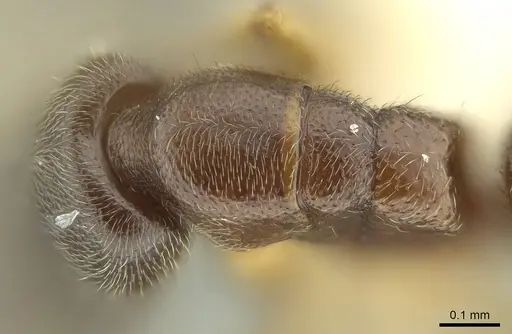
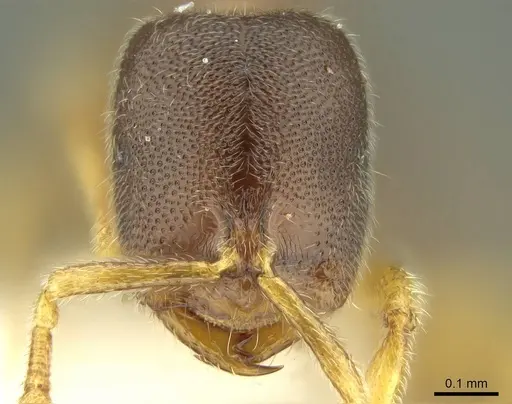
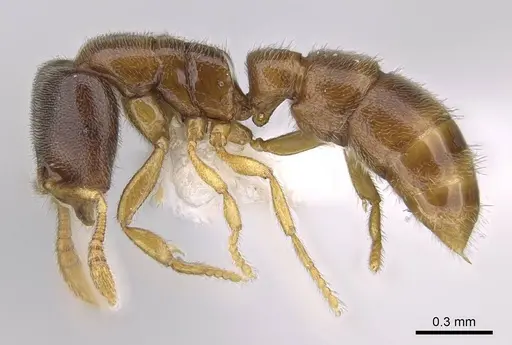
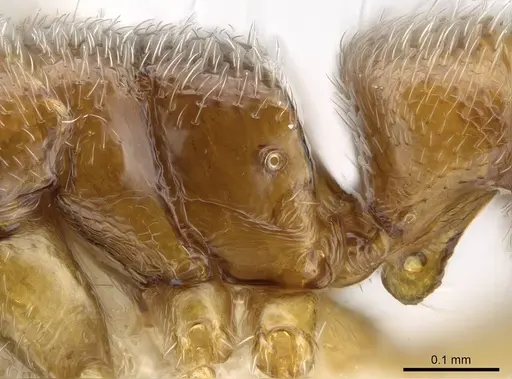
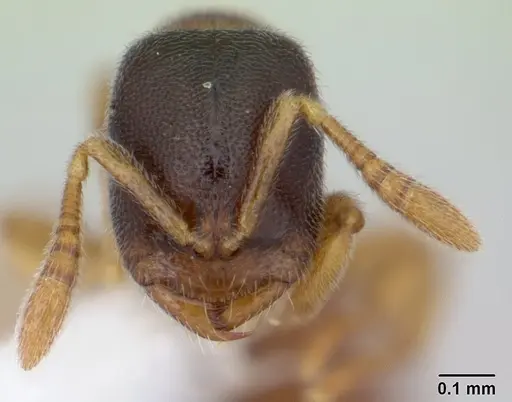
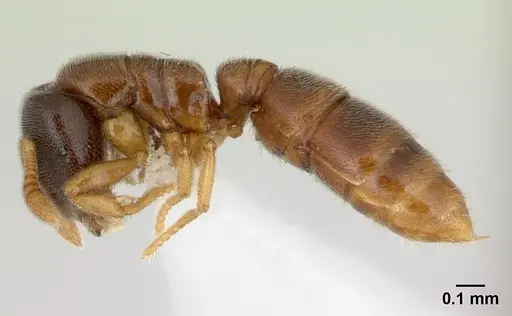
Prionopelta talos is a rare ant species described in 2015,known only from the Anjanaharibe-Sud Reserve in northeastern Madagascar. Workers have a tricolored appearance with a dark brown head, tan mesosoma and gaster, and pale yellow legs and antennae . The species lives in montane rainforest at 1260 meters elevation . This ant is notable for its large, globular eyes that protrude from the head like a half-sphere, which are the largest eyes of any Malagasy Prionopelta species .
Quick Summary
- Difficulty: Expert
- Origin & Habitat: Anjanaharibe-Sud Reserve, province of Antsiranana, northeastern Madagascar. Found in montane rainforest at 1260 meters elevation [1].
- Colony Type: Colony structure is unconfirmed. Based on genus patterns, likely single-queen colonies.
- Size & Growth:
- Queen: size data unavailable
- Worker: size data unavailable
- Colony: Small colonies, with only 7 workers ever collected [1].
- Growth: Unknown, likely slow to moderate based on small size.
- Development: Unconfirmed. Estimated 6-10 weeks at optimal temperature based on typical Amblyoponinae patterns. (No direct development data available, estimate based on genus-level inference.)
- Antkeeping:
- Temperature: Keep cool, around 18-22°C, inferred from montane habitat [1].
- Humidity: Keep substrate consistently moist but not waterlogged, as montane rainforest is humid [1].
- Diapause: Unknown, no data available.
- Nesting: Prefer small, tight chambers scaled to their size. Use test tube setups or Y-tong nests with high humidity, based on habitat preferences [1].
- Behavior: Behavior is unstudied in captivity. Based on genus patterns, these are cryptic, slow-moving ants that forage in leaf litter. Escape risk is very high due to their minute size, excellent escape prevention is essential.
- Common Issues: tiny size means escapes are likely without fine mesh barriers., no captive husbandry information exists, this is an expert-only species., colony size is small and may grow slowly., humidity requirements are critical, drying out kills colonies quickly., founding behavior is unconfirmed, making colony establishment challenging.
Discovery and Rarity
Prionopelta talos was described in 2015 by Overson and Fisher, based on just 7 worker specimens from the Anjanaharibe-Sud Reserve [1]. This extreme rarity means virtually no captive husbandry information exists. The species was named after the bronze statue Talos from Greek mythology, referencing its rich brown color [1].
Identification and Appearance
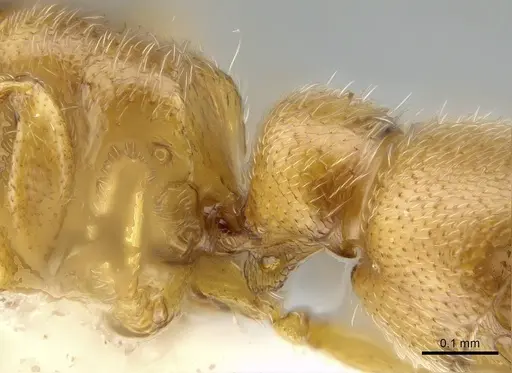
This species is unmistakable due to its tricolored pattern: dark brown head, tan mesosoma and gaster, and pale yellow legs and antennae [1]. The large, globular eyes are the largest of any Malagasy Prionopelta, appearing as a half-sphere protruding from the head [1].
Natural Habitat
P. talos lives in montane rainforest at 1260 meters elevation in northeastern Madagascar, a cool and humid environment [1]. It was found in canopy moss and leaf litter, suggesting foraging in the forest floor layer.
Housing and Care
This species is recommended only for expert antkeepers. Housing should consist of small, tight chambers scaled to their tiny size, such as test tube setups or Y-tong nests [1]. Escape prevention must be excellent due to their minute size. Keep temperatures cool (18-22°C) and humidity high, with substrate consistently moist [1].
Genus Background
Prionopelta belongs to the subfamily Amblyoponinae, a group of cryptic, often subterranean ants. Many Amblyoponinae are predators of soil micro-arthropods, and some have unusual reproductive systems [2].
Frequently Asked Questions
How big do Prionopelta talos colonies get?
Unknown. Only 7 workers have ever been collected, suggesting small colonies [1].
What do Prionopelta talos ants eat?
Unconfirmed. Based on genus patterns, they likely prey on small soil arthropods like springtails [2]. Offer small live prey such as springtails or fruit flies.
Can I keep Prionopelta talos in a test tube?
Yes, a small test tube setup is appropriate given their tiny size. Ensure tight cotton and fine mesh to prevent escapes [1].
Do Prionopelta talos ants sting?
Unknown for this species. Most Amblyoponinae have stingers but are too small to penetrate human skin. Handle with care.
What temperature do Prionopelta talos ants need?
Keep them cool, around 18-22°C, based on their montane rainforest habitat [1].
Are Prionopelta talos good for beginners?
No. This is an expert-only species with no captive husbandry information available.
How long does it take for Prionopelta talos to develop from egg to worker?
Unconfirmed. Estimated 6-10 weeks at optimal temperature based on typical Amblyoponinae patterns.
Do Prionopelta talos queens need to forage during founding?
Unknown. Founding behavior is unconfirmed for this species.
Where is Prionopelta talos found in the wild?
Only from the Anjanaharibe-Sud Reserve in northeastern Madagascar, at 1260 meters elevation in montane rainforest [1].
Why are Prionopelta talos ants so rare?
This species is known from only 7 collected specimens from a single locality, and its montane habitat is remote and difficult to sample [1].
Report an Issue
The current care sheet is based fully on literature. See inconsistencies, or something that's incorrect? Please , it will be resolved after review from an admin. Contributing to the blogs tab also helps providing information, to make us be able to further improve the caresheets. Thank you for your support!
References

This caresheet is licensed under CC BY-SA 4.0 .
Community Blogs
CASENT0009472
View on AntWeb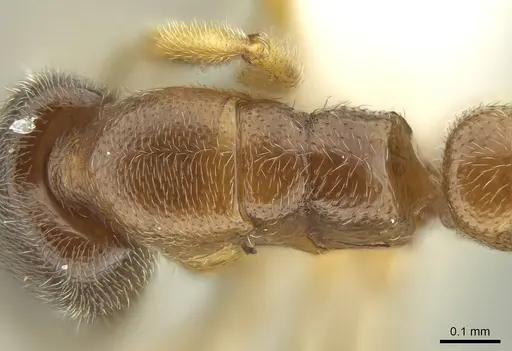
CASENT0009473
View on AntWeb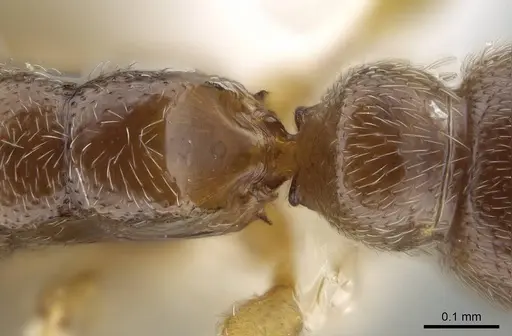
CASENT0191885
View on AntWeb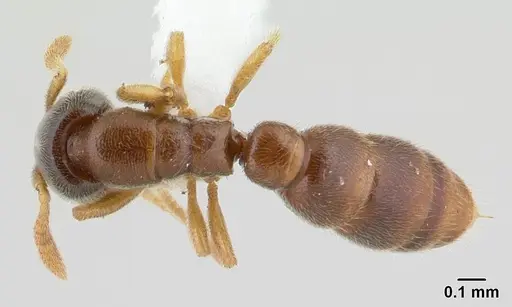
CASENT0339229
View on AntWeb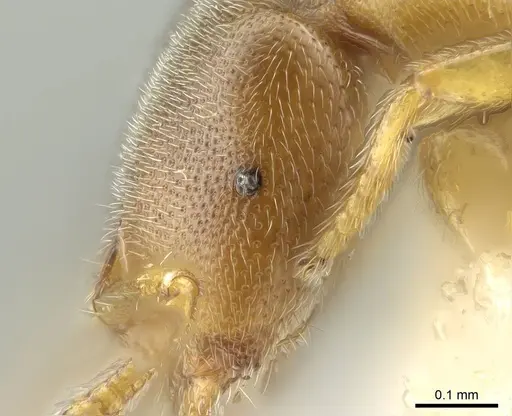
Literature
Loading distribution map...Loading products...