
Prionopelta subtilis
- Sci. Name
- Prionopelta subtilis
- Tribe
- Amblyoponini
- Subfamily
- Amblyoponinae
- Author
- Overson & Fisher, 2015
- Distribution
- Found in 1 countries
Introduction
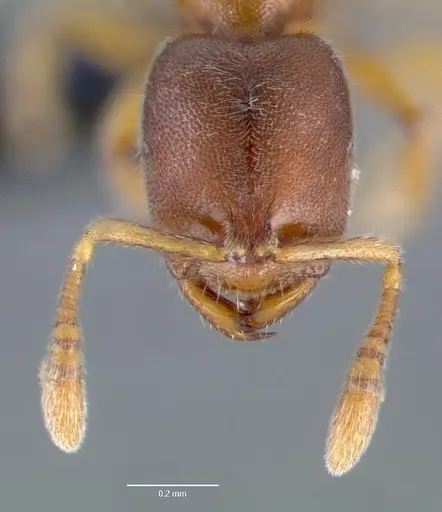
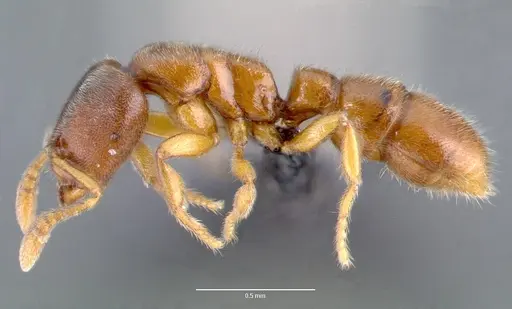
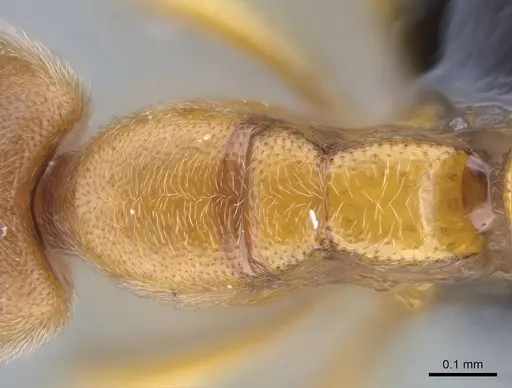
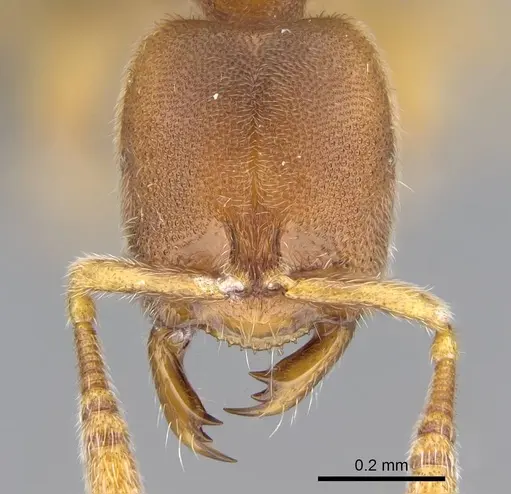
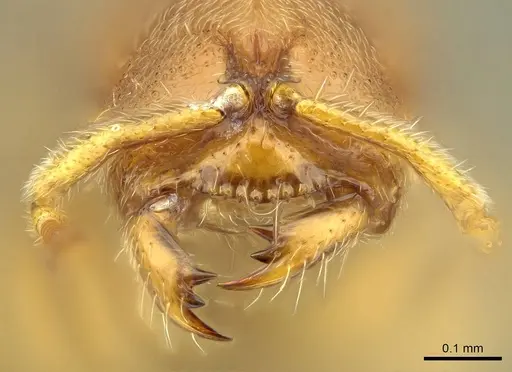
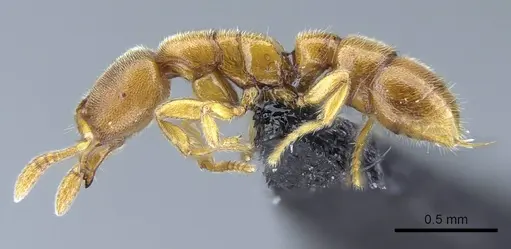
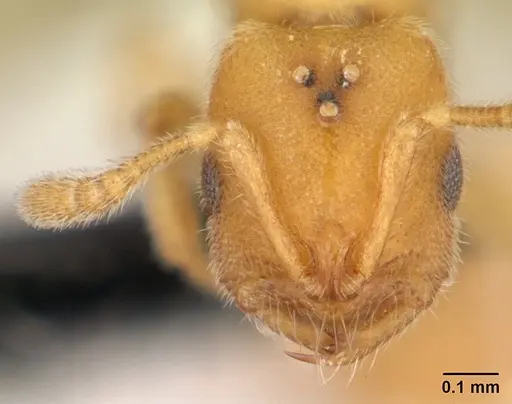
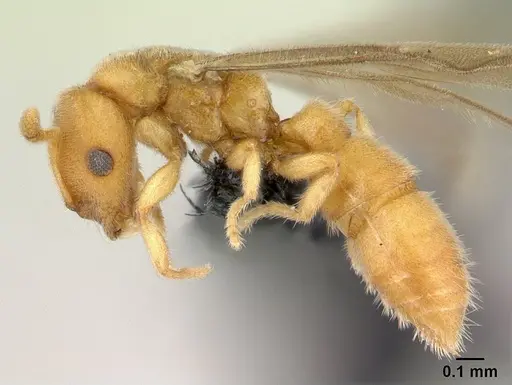
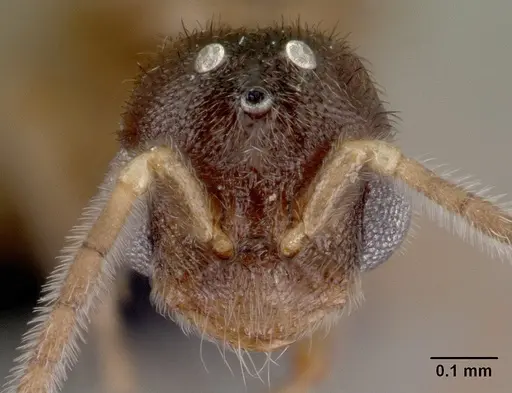
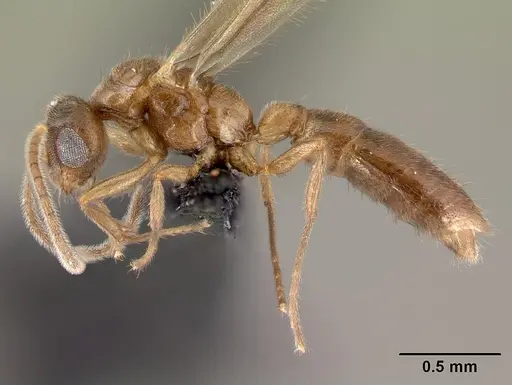
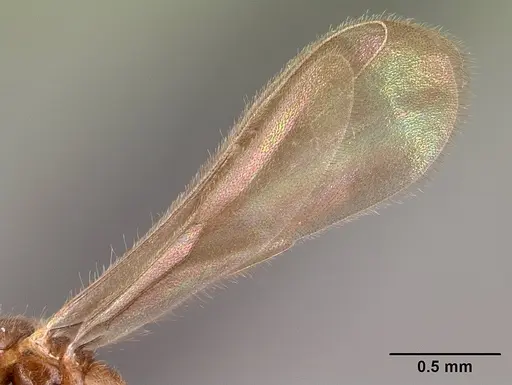
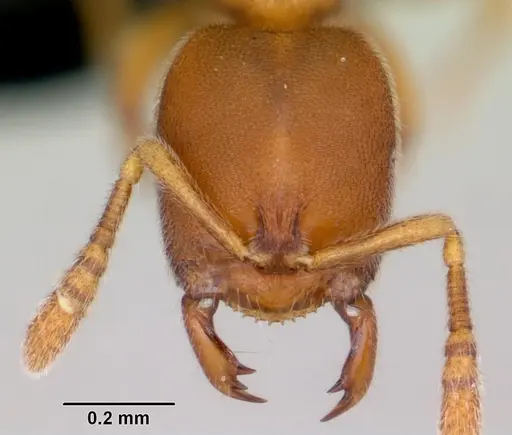
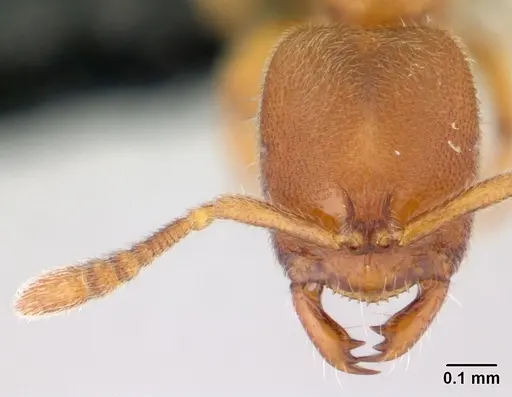
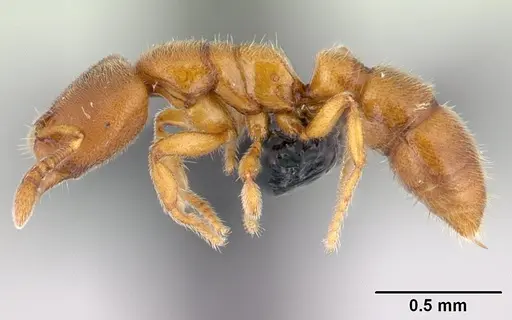
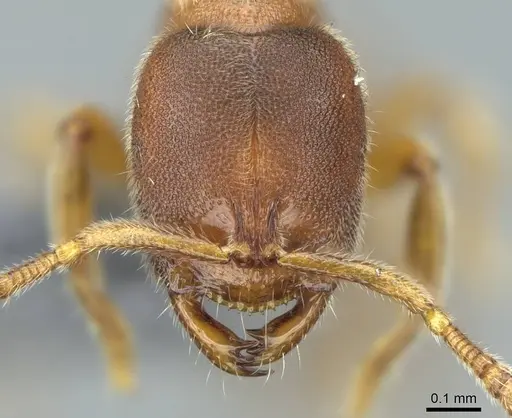
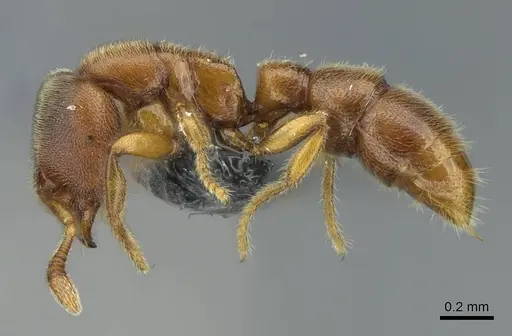
Prionopelta subtilis is a tiny ant species native to Madagascar, belonging to the Amblyoponinae subfamily. Workers have twelve antennal segments and a delicate, net-like pattern of tiny foveae covering their head . The species name 'subtilis' refers to these intricate head sculptures . This common and widespread species inhabits Madagascar's rainforests and forest edges from 5 to 1325 meters elevation . P. subtilis is part of the Dracula ants, known for specialized predatory behaviors. They nest in cryptic microhabitats including rotten logs, under rocks, and in leaf litter . This species is rarely kept in captivity, making it a challenge for experienced antkeepers.
Quick Summary
- Difficulty: Expert
- Origin & Habitat: Madagascar, found in rainforest, montane rainforest, lowland rainforest, tropical forest, littoral forest, degraded forest, and marsh edge from 5-1325 meters elevation [2]. They nest in rotten logs, sticks, under moss, rocks, logs, and in leaf litter, including above-ground sites in canopy moss and twigs [2].
- Colony Type: Colony structure is unconfirmed. Based on Amblyoponinae patterns, they likely form small colonies with potential ergatoid (wingless) replacement reproductives, but this requires confirmation.
- Size & Growth:
- Queen: Size data unavailable, no total length measurements provided in research [1].
- Worker: Size data unavailable, no total length measurements provided in research [1].
- Colony: Unknown, no specific colony size data available.
- Growth: Unknown
- Development: Unconfirmed. Based on typical Amblyoponinae development at 24-26°C, estimated 6-10 weeks from egg to first worker. (Direct development data not available for this species. Temperature-dependent inference from related species.)
- Antkeeping:
- Temperature: Keep at warm conditions, roughly 22-26°C, as they are a tropical species from Madagascar [2].
- Humidity: Keep nest substrate consistently moist but not waterlogged, based on their natural moist habitats [2].
- Diapause: Unknown for this species. As a tropical species, they may not require diapause.
- Nesting: Provide naturalistic setup with moist substrate, rotting wood, and leaf litter, based on their natural nesting sites [2].
- Behavior: Workers are tiny but active predators. As Amblyoponinae, they likely use a sting for defense. Temperament is moderate, they are not aggressive toward humans but will defend their nest. Escape prevention is critical due to their small size.
- Common Issues: escape prevention is critical due to their extremely tiny size, use fine mesh and tight-fitting barriers., high humidity requirements can lead to mold problems if ventilation is inadequate., slow colony growth may frustrate keepers expecting rapid development., wild-caught colonies may contain parasites that can devastate captive colonies., their specialized diet requirements make them challenging to feed, live micro-prey is likely essential.
Housing and Nest Setup
Prionopelta subtilis requires careful setup due to their minute size and specific habitat needs. In the wild, they nest in rotting wood, under rocks, and within leaf litter across both ground and elevated positions [1]. For captivity, a small naturalistic setup works best, use a container with a moist soil/peat mixture, add small pieces of rotting wood or bark, and include leaf litter material. This recreates their natural microhabitat and provides hunting grounds.
Given their tiny size, standard formicarium chambers are far too large. Consider small test tubes with cotton and added organic debris, or construct a tiny naturalistic enclosure. The key is tight spaces, these ants thrive in cramped conditions similar to what they'd find in rotting twigs or under forest floor debris. Ensure excellent escape prevention with fine mesh barriers, as they can squeeze through gaps that seem impossibly small.
Feeding and Diet
As Amblyoponinae (Dracula ants), P. subtilis likely has specialized feeding requirements. The subfamily is known for unique behaviors including hunting small prey and, in some species, a form of non-destructive cannibalism where they wound larvae to feed on hemolymph without killing them. However, the primary diet consists of small live prey.
Feed them tiny live prey appropriate to their size, springtails, micro-mites, fruit fly larvae, and other micro-arthropods are ideal. Due to their small size, standard ant foods like mealworms or crickets are far too large. Offer prey items that are roughly the same size as or smaller than the ants themselves. Sugar sources may be accepted occasionally, but protein from live prey is essential for colony development. Observe carefully to determine acceptance and adjust feeding accordingly.
Temperature and Humidity
As a Madagascar rainforest species, P. subtilis needs warm and humid conditions. Maintain temperatures between 22-26°C, with a gentle gradient if possible so the ants can self-regulate. Room temperature in this range is often suitable, but you may need a small heating element on one side of the enclosure during cooler months.
Humidity is critical, these ants come from environments where moisture is constantly present. Keep the nest substrate consistently moist but never waterlogged. The substrate should feel damp to the touch. Provide a humidity gradient with a moist side and slightly drier areas available. Good ventilation is also important to prevent mold, but avoid excessive airflow that dries the setup. Balance is key: humid but not stagnant. [2]
Colony Development and Growth
Prionopelta subtilis colonies are likely small compared to common ant species. Based on typical Prionopelta colony sizes and their tiny worker size, maximum colony size is probably small, but no specific data is available. This means growth will feel slow by antkeeping standards, don't expect the rapid expansion seen in species like Lasius or Tetramorium.
Development timeline is unconfirmed for this specific species. Based on related Amblyoponinae at optimal temperatures (around 24-26°C), expect approximately 6-10 weeks from egg to first worker. The first workers (nanitics) will be very small, as is typical for the genus. Patience is essential with this species, small colony size and slow growth are normal characteristics, not indicators of problems.
Behavior and Temperament
P. subtilis workers are tiny but active, likely spending most of their time hunting in leaf litter and soil layers. As predators, they are efficient hunters of micro-arthropods. Their small size makes them somewhat vulnerable in captivity, ensure they cannot be disturbed by vibrations or other stressors.
Temperament is likely moderate, they are not aggressive toward keepers but will defend their nest if threatened. Any sting would be negligible due to their minute size. The main concern for keepers is their escape ability: despite being tiny, they are active and persistent. Excellent escape prevention is non-negotiable.
Their cryptic lifestyle means you'll see less activity than with larger, more visible species. Observing their hunting behaviors through magnification can be rewarding for keepers willing to look closely.
Frequently Asked Questions
How long does it take for Prionopelta subtilis to produce first workers?
The egg-to-worker timeline is unconfirmed for this species. Based on typical Amblyoponinae development at 24-26°C, expect approximately 6-10 weeks from egg to first worker. Patience is essential as colony growth is naturally slow.
What do Prionopelta subtilis ants eat?
They likely require live micro-prey such as springtails, micro-mites, and fruit fly larvae. Their tiny size means standard prey items are too large. Protein from small live prey is essential for colony development. Sugar sources may be occasionally accepted.
Can I keep Prionopelta subtilis in a test tube?
Yes, a small test tube setup can work for founding colonies. Add some moist substrate and small pieces of rotting wood or leaf litter to provide hunting grounds and hiding spots. Ensure the cotton barrier is tight and use fine mesh on any air holes.
Are Prionopelta subtilis ants good for beginners?
No, this species is best suited for expert antkeepers. Their tiny size, specific humidity requirements, specialized diet needs, and slow growth make them challenging. They are rarely kept in captivity and require experience with difficult species.
Do Prionopelta subtilis ants sting?
Amblyoponinae have stingers, but these ants are so small that any sting would be negligible to humans. You would likely not feel it if stung.
What temperature do Prionopelta subtilis ants need?
Keep them at warm conditions, roughly 22-26°C, as they are a tropical species from Madagascar.
How big do Prionopelta subtilis colonies get?
Colony size is unknown, no specific data is available. Based on genus patterns, colonies are likely small.
Do Prionopelta subtilis ants need hibernation?
Unknown for this species. As a tropical species, they may not require diapause.
Why are my Prionopelta subtilis ants dying?
Common causes include: escape through tiny gaps (use fine mesh), improper humidity (too dry causes desiccation, too wet causes mold), unsuitable prey (items too large or not accepted), and stress from disturbance. Their specialized needs make them sensitive to husbandry errors.
When should I move Prionopelta subtilis to a formicarium?
Given their small colony size and cryptic nesting habits, they may do best in naturalistic setups long-term. If using a formicarium, wait until the colony has at least 20-30 workers and is clearly thriving. The key is appropriately scaled chambers, standard formicarium passages are too large.
Report an Issue
The current care sheet is based fully on literature. See inconsistencies, or something that's incorrect? Please , it will be resolved after review from an admin. Contributing to the blogs tab also helps providing information, to make us be able to further improve the caresheets. Thank you for your support!
References

This caresheet is licensed under CC BY-SA 4.0 .
Community Blogs
CASENT0003730
View on AntWeb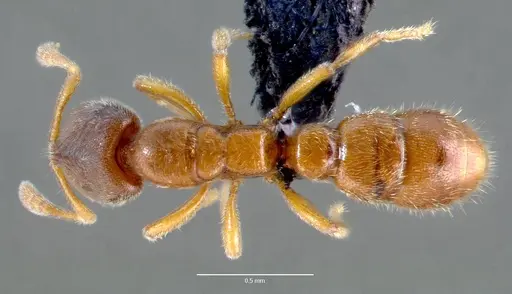
CASENT0033641
View on AntWeb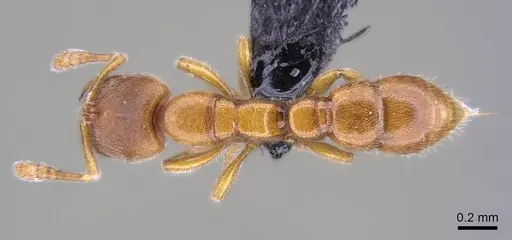
CASENT0048748
View on AntWeb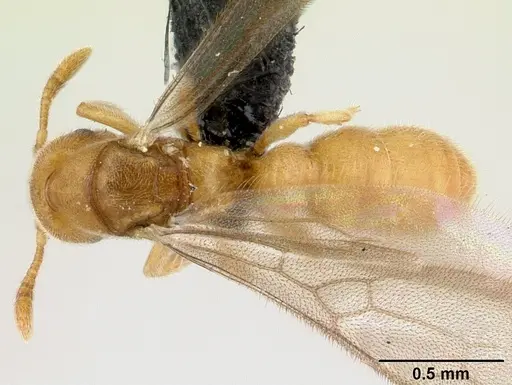
CASENT0049809
View on AntWeb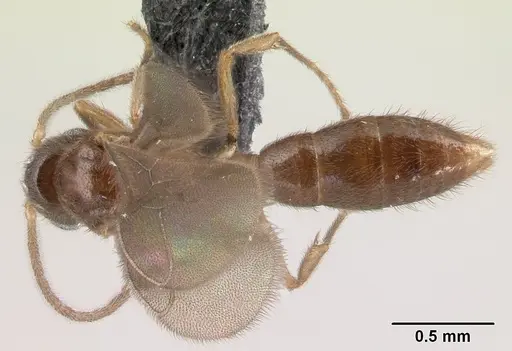
CASENT0151601
View on AntWeb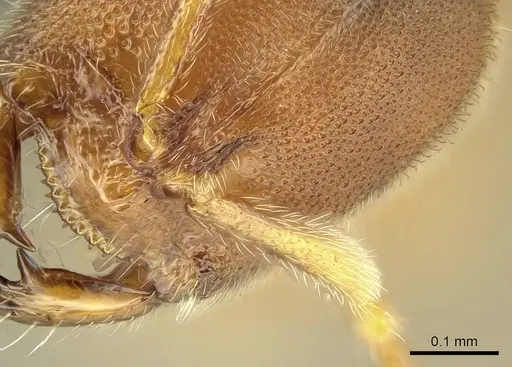
CASENT0494610
View on AntWeb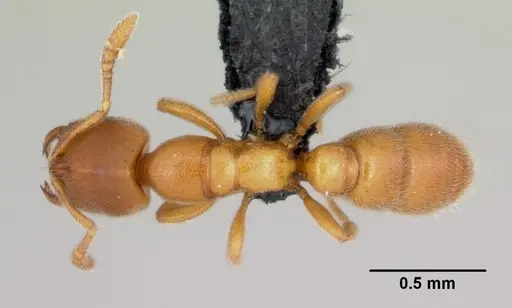
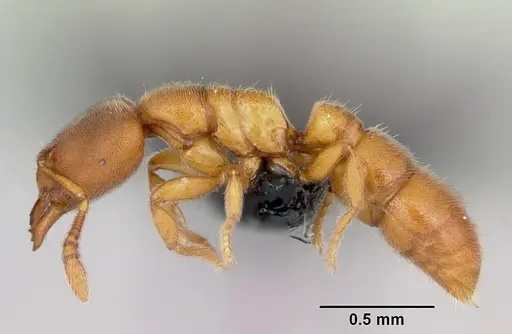
CASENT0496839
View on AntWeb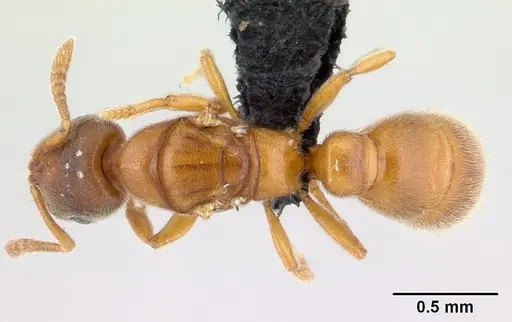
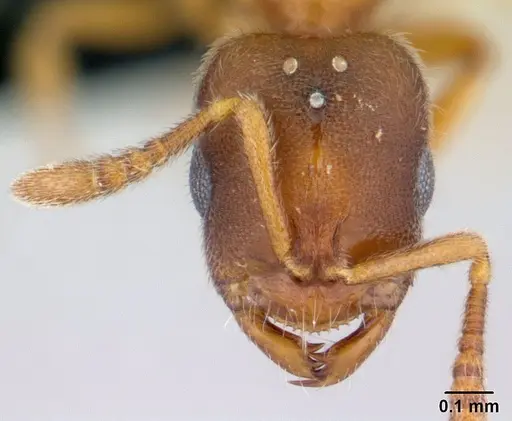
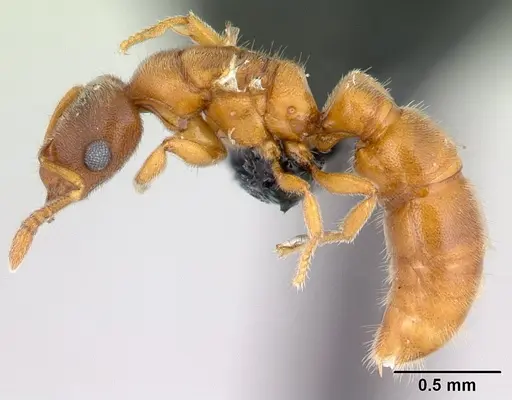
CASENT0496840
View on AntWeb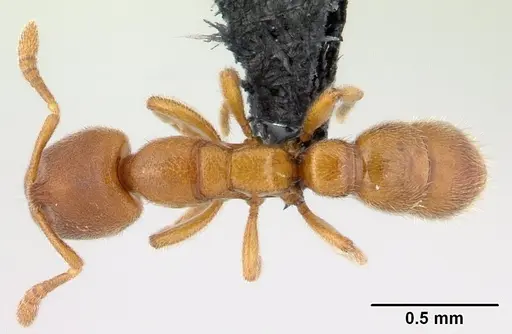
CASENT0840863
View on AntWeb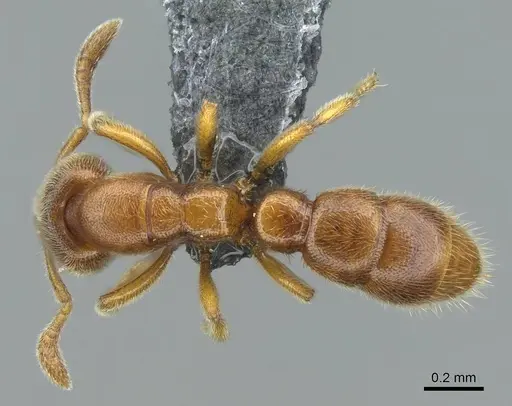
Literature
Loading distribution map...Loading products...