
Prionopelta seychelles
- Sci. Name
- Prionopelta seychelles
- Tribe
- Amblyoponini
- Subfamily
- Amblyoponinae
- Author
- Overson & Fisher, 2015
- Distribution
- Found in 1 countries
Introduction
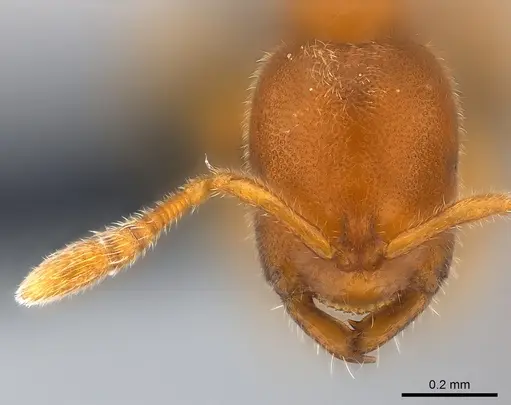
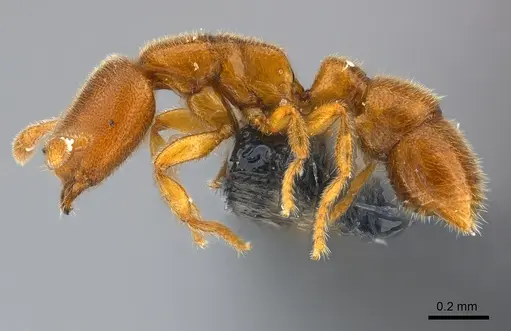
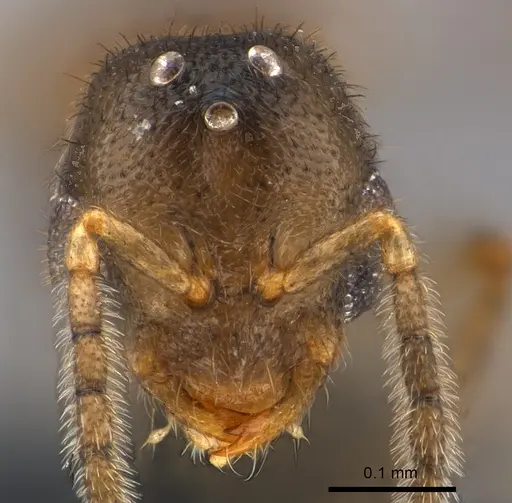
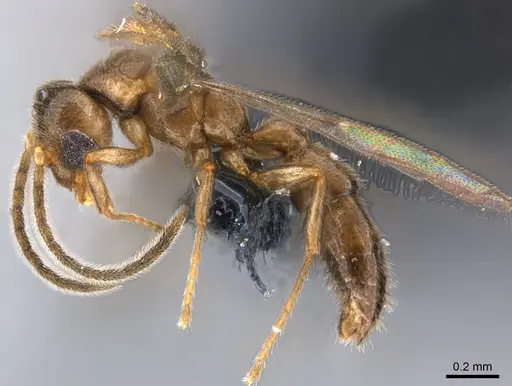
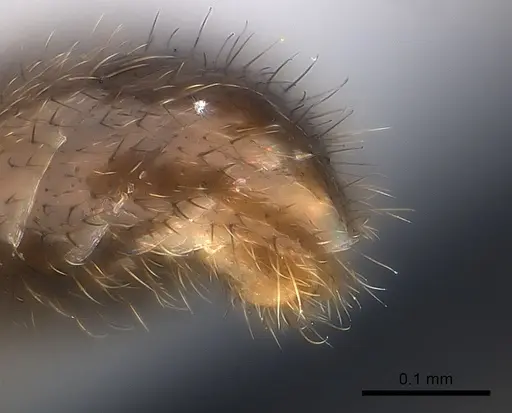
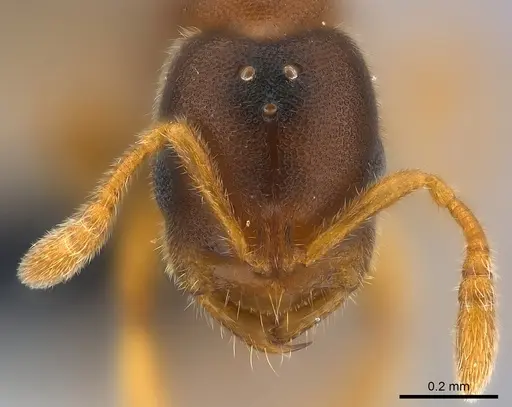
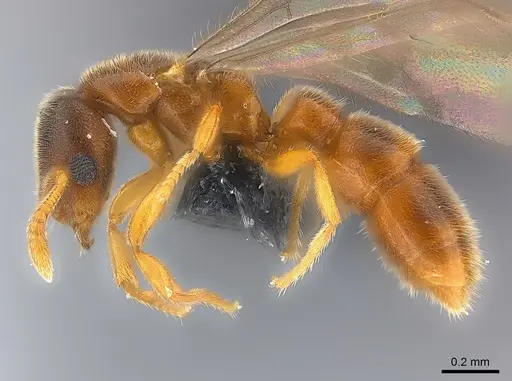
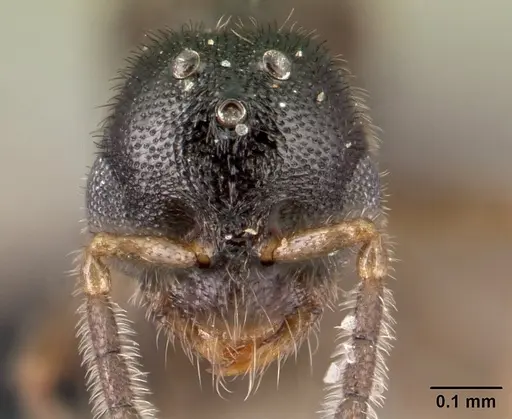
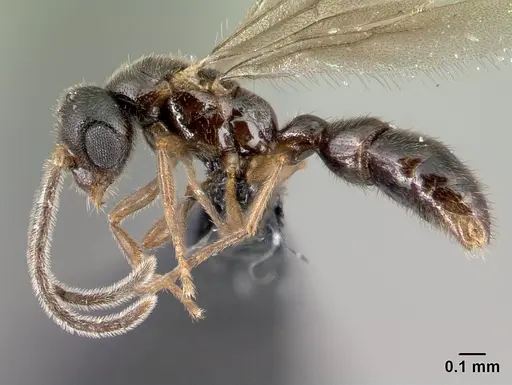
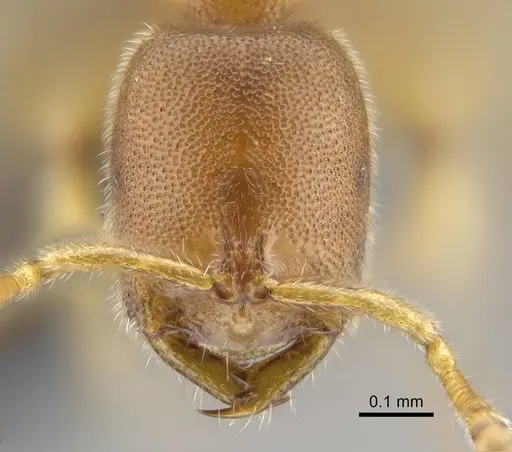
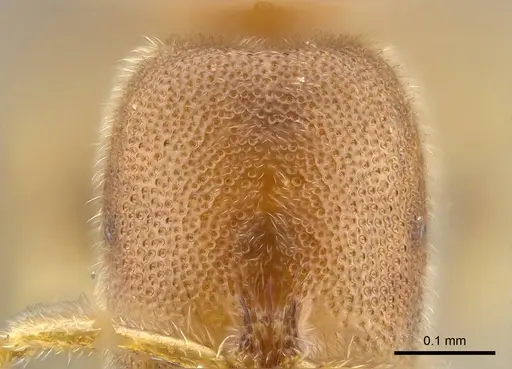
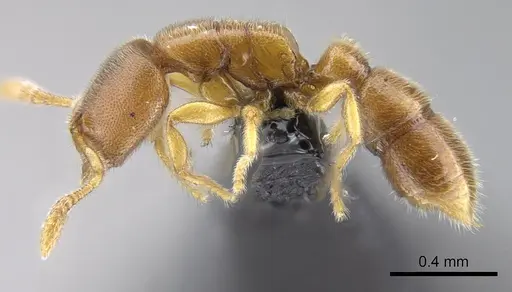
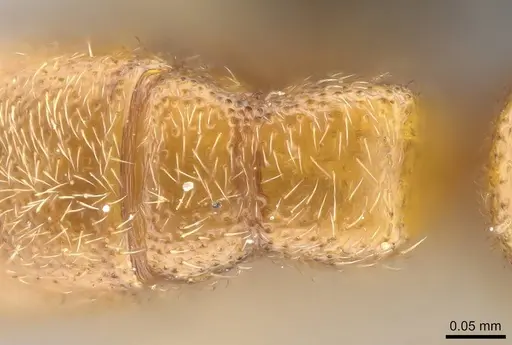
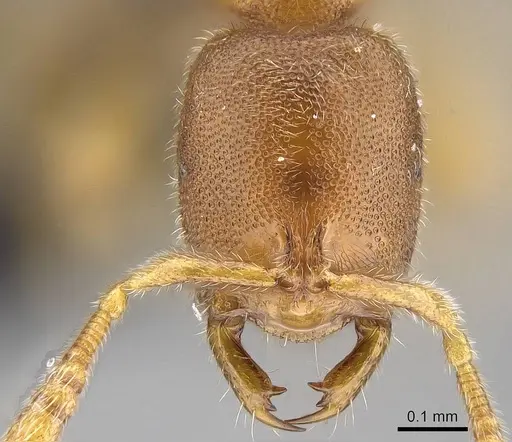
Prionopelta seychelles is an ant species endemic to the Seychelles archipelago. Workers are very small, but full body size measurements are not available in the research . They have 12 antennal segments and densely packed foveae on their head, with a smooth median band that is wider anteriorly and narrower posteriorly . This species was described in 2015 and is the only Prionopelta known from Seychelles . What makes P. seychelles special is its extreme endemism, found across multiple islands from 15 to 660 meters elevation . They are adaptable, living in various habitats like mixed forest and coastal scrub, and nesting in leaf litter, rotten logs, under rocks, and moss . As Amblyoponinae, they have a sting, but their small size makes them non-threatening to humans.
Quick Summary
- Difficulty: Hard
- Origin & Habitat: Endemic to the Seychelles islands including Mahé, Silhouette, Praslin, La Digue, and surrounding islands at elevations of 15-660 meters. Found in diverse habitats such as mixed forest, littoral forest, palm forest, and coastal scrub [1].
- Colony Type: Colony structure is unconfirmed. No data on queen number or social structure from research.
- Size & Growth:
- Queen: Size data unavailable, no measurements for queens in the research [1].
- Worker: Size data unavailable, full body length measurements are not provided in the research [1].
- Colony: Unknown, no data on colony size from research.
- Growth: Unknown
- Development: Unconfirmed. Based on similar tiny tropical ants, estimated 6-10 weeks at optimal temperature, but no direct data exists. (Development time is inferred from genus patterns, as no species-specific data is available.)
- Antkeeping:
- Temperature: Keep warm around 24-28°C, based on tropical origin. No specific temperature data from research.
- Humidity: Keep substrate consistently moist but not waterlogged, based on their natural humid microhabitats like leaf litter and rotten logs [1].
- Diapause: No diapause required, as Seychelles have minimal seasonal temperature variation.
- Nesting: Use naturalistic setups with moist substrate. Preferred nesting sites include leaf litter, rotten wood, and under rocks [1].
- Behavior: Timid and non-aggressive. Workers flee rather than fight. Escape prevention is critical due to their tiny size. As Amblyoponinae, they have a sting but rarely use it.
- Common Issues: escape prevention is critical, their tiny size means they can slip through standard barrier setups., high humidity needs make mold a constant risk, balance ventilation carefully., slow growth tests keeper patience, small colonies develop slowly., no captive breeding data exists, wild-caught colonies may have high mortality., difficulty feeding such tiny ants, prey must be appropriately sized micro-organisms.
Housing and Nest Setup
Housing Prionopelta seychelles requires thinking small. Workers are very small, meaning standard test tube setups may work but require excellent escape prevention. A naturalistic setup with moist substrate is ideal since in the wild they live in leaf litter, rotten logs, and under rocks [1]. Use a very fine mesh for barriers, standard fluon may not be enough for such tiny ants. Y-tong nests with ultra-narrow chambers or custom plaster nests work best. The nest chambers should be tiny, just large enough for a few workers to move through comfortably. Provide an outworld with moist substrate for foraging. Because they're so small, even small gaps in your setup are escape routes.
Feeding and Diet
Prionopelta seychelles is likely predatory like other Amblyoponinae, feeding on tiny soil micro-arthropods. Offer small live prey appropriately sized for their minute workers, springtails, tiny isopods, and micro-arthropods are ideal. They may also accept honey or sugar water, though this is unconfirmed for this species. Feed small amounts frequently rather than large prey items. The key challenge is finding prey small enough, these ants cannot tackle standard ant food like mealworms or crickets.
Temperature and Humidity
Keep these ants warm, aim for 24-28°C based on their tropical origin. A heating cable on one side of the nest creates a gentle gradient. Humidity is critical: maintain consistently moist substrate, similar to damp forest floor conditions. Their natural habitats include leaf litter and rotten wood that stay constantly humid [1]. However, avoid waterlogging, the substrate should feel damp but not soggy. Balance humidity with adequate ventilation to prevent mold.
Colony Behavior and Temperament
These are timid, non-aggressive ants that prefer to flee rather than fight. Colonies are likely small and slow-growing. Workers forage individually through substrate rather than in groups. Their tiny size means they're vulnerable, larger ants or other predators would easily overwhelm them. As Amblyoponinae, they possess a functional stinger but rarely use it given their docile nature. The biggest behavioral concern is escape, their minute size allows them to slip through barriers that stop larger ants. Excellent escape prevention is non-negotiable.
Finding and Acquiring Colonies
Prionopelta seychelles was only described in 2015 and is endemic to the Seychelles islands [1]. Wild colonies are not commonly available in the antkeeping hobby, and exporting from the Seychelles is likely restricted. If available, colonies would likely be expensive and difficult to obtain. This species is not recommended for beginners precisely because of the challenges in obtaining established colonies and the specialized care requirements. Any colonies entering the hobby would almost certainly be wild-caught, which carries high mortality risk.
Frequently Asked Questions
How long does it take for Prionopelta seychelles to develop from egg to worker?
The exact development time is unconfirmed for this species. Based on similar tiny tropical ants, estimate 6-10 weeks at optimal temperature (24-28°C). This is an educated guess rather than documented data.
Can I keep Prionopelta seychelles in a test tube?
You can, but escape prevention must be excellent. Their tiny size means they can slip through standard barriers. Use fine mesh and consider multiple barrier methods. The test tube should have appropriately sized chambers, too large and they feel exposed.
Do Prionopelta seychelles ants sting?
Yes, as Amblyoponinae they have functional stingers. However, their tiny size means the sting is negligible to humans, you'd barely feel it. They're docile and will flee before stinging.
What do Prionopelta seychelles eat?
Likely predatory on tiny soil micro-arthropods like springtails and micro-isopods. They may accept sugar sources experimentally. Prey must be appropriately sized for their minute workers, standard ant food is too large.
Are Prionopelta seychelles good for beginners?
No. This is an expert-level species due to their tiny size, specific humidity needs, lack of captive breeding data, and difficulty obtaining colonies. Beginners should start with more established species like Lasius or Tetramorium.
How big do Prionopelta seychelles colonies get?
Unknown for this species. No data on colony size from research.
Do Prionopelta seychelles need hibernation?
No, diapause is not required. The Seychelles have minimal seasonal temperature variation, so keep them at warm, stable temperatures year-round (24-28°C).
Why are my Prionopelta seychelles escaping?
Their tiny size means standard barriers fail. Use multiple escape prevention methods: fine mesh, fluon, and tight-fitting lids. Check for gaps smaller than a millimeter. Tiny ants require extreme attention to enclosure security.
Can I keep multiple queens together?
Not documented for this species. Colony structure is unconfirmed, we don't know if they're monogyne, polygyne, or something else. Don't attempt combining unrelated queens without data on their social structure.
Where is Prionopelta seychelles found?
Endemic to the Seychelles islands including Mahé, Silhouette, Praslin, La Digue, and surrounding islands at elevations of 15-660 meters [1]. It's the only Prionopelta species known from the Seychelles.
Report an Issue
The current care sheet is based fully on literature. See inconsistencies, or something that's incorrect? Please , it will be resolved after review from an admin. Contributing to the blogs tab also helps providing information, to make us be able to further improve the caresheets. Thank you for your support!
References

This caresheet is licensed under CC BY-SA 4.0 .
Community Blogs
CASENT0160321
View on AntWeb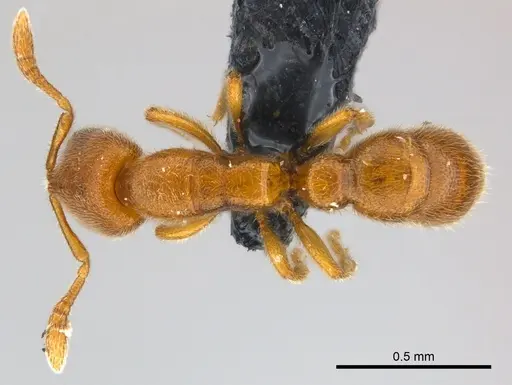
CASENT0160353
View on AntWeb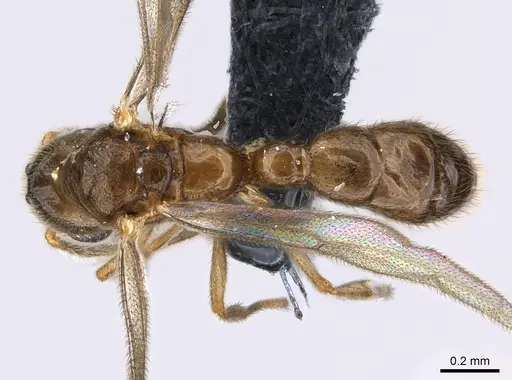
CASENT0160375
View on AntWeb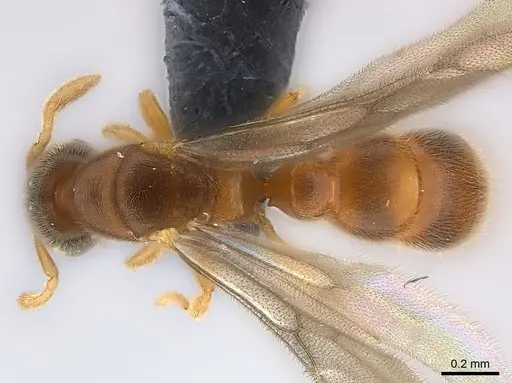
CASENT0160800
View on AntWeb
CASENT0161311
View on AntWeb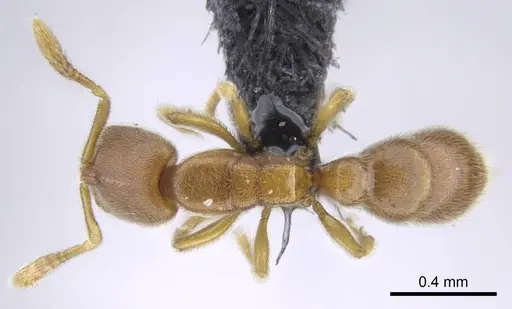
CASENT0161319
View on AntWeb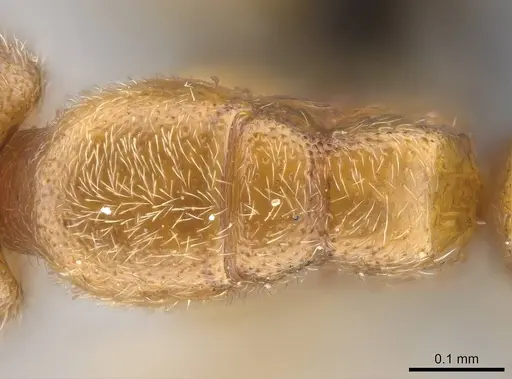
Literature
Loading distribution map...Loading products...