
Prionopelta opaca
- Sci. Name
- Prionopelta opaca
- Tribe
- Amblyoponini
- Subfamily
- Amblyoponinae
- Author
- Emery, 1897
- Distribution
- Found in 5 countries
Introduction
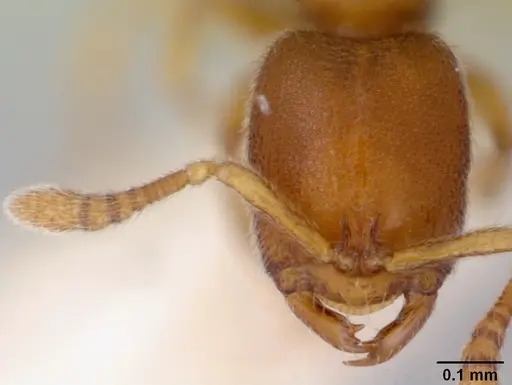
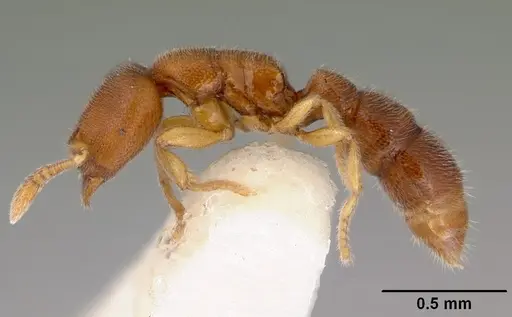
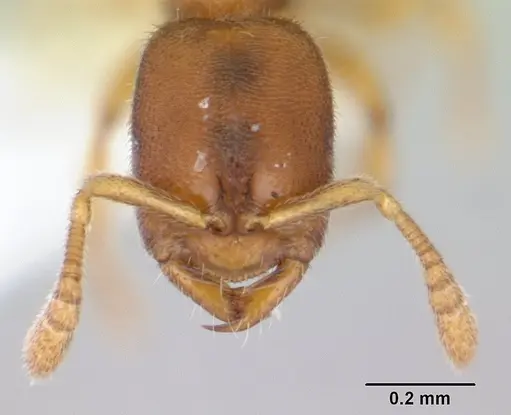
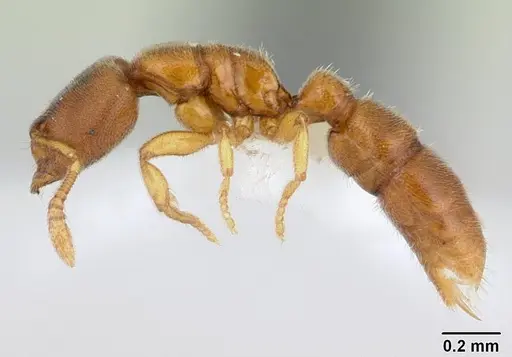
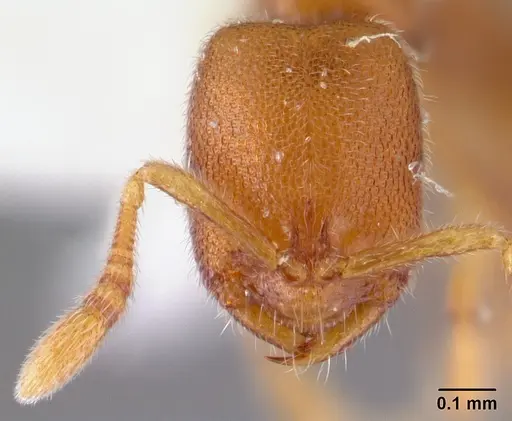
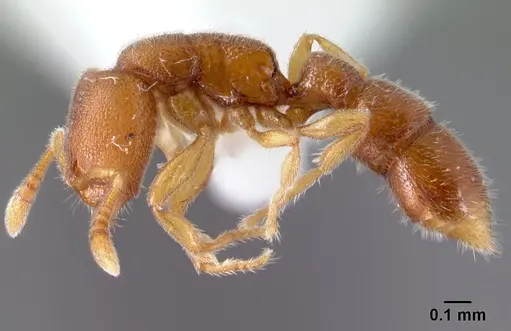
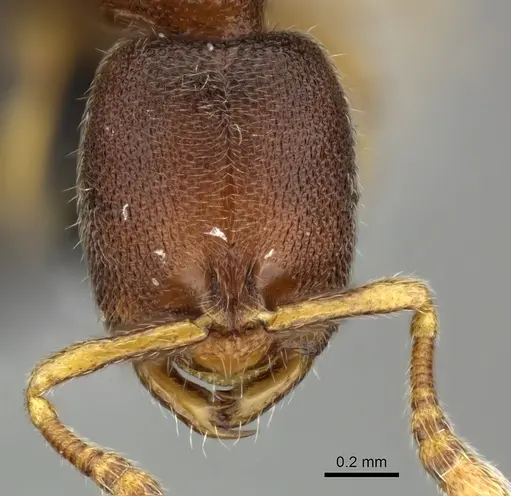
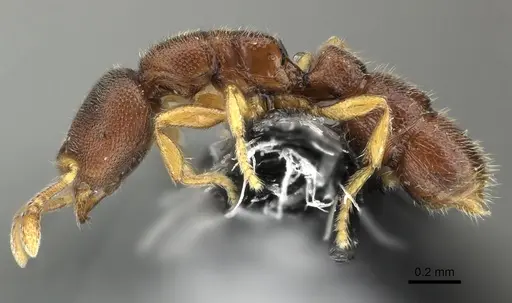
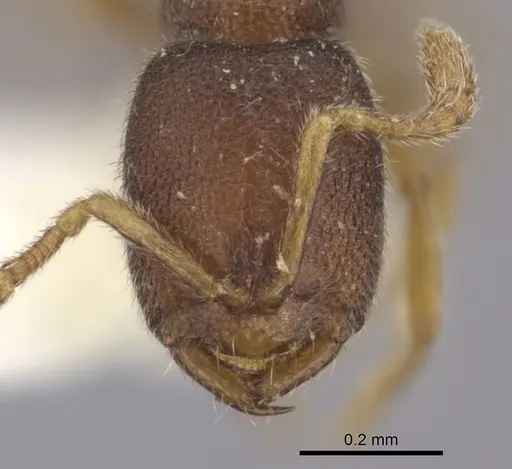
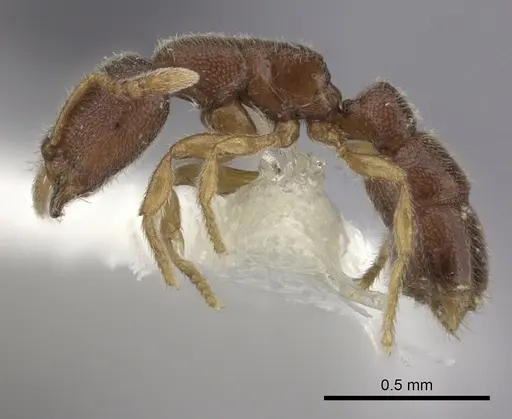
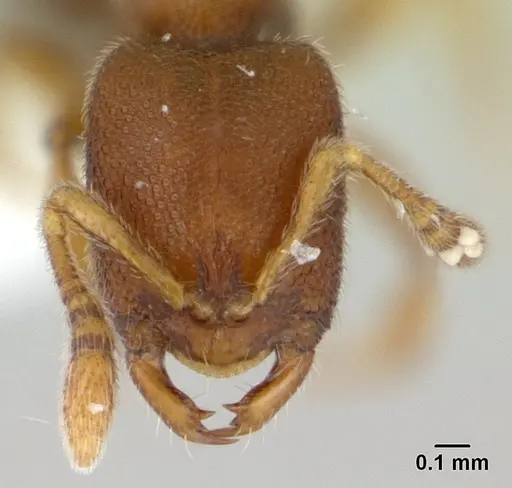
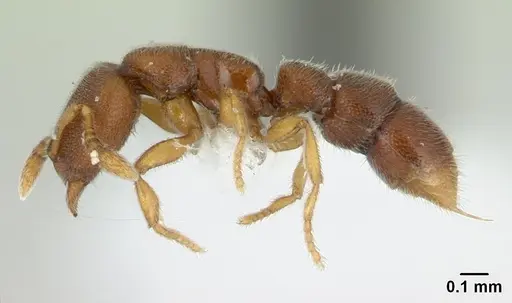
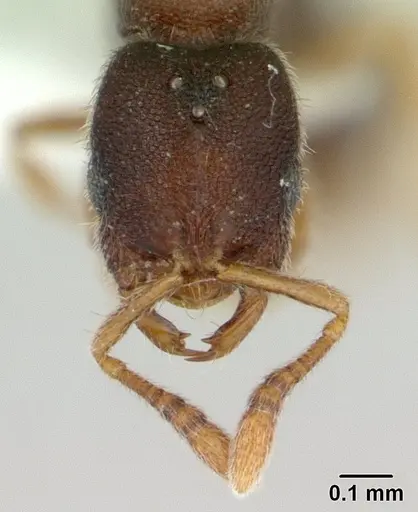
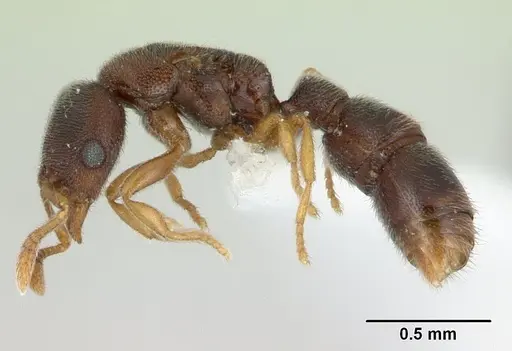
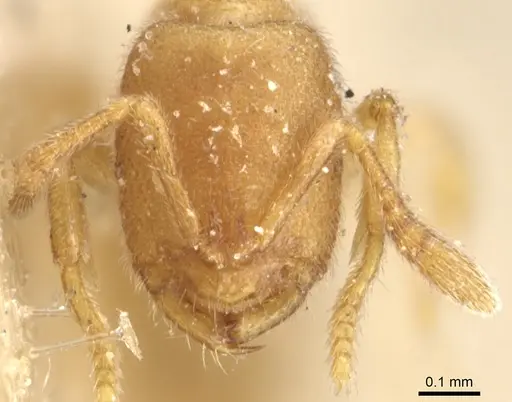
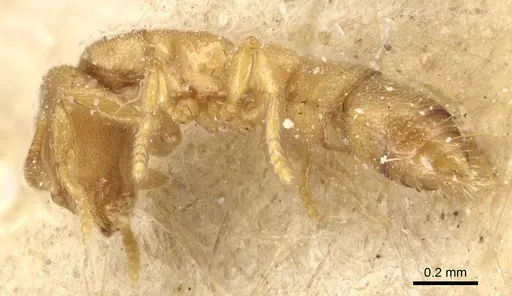
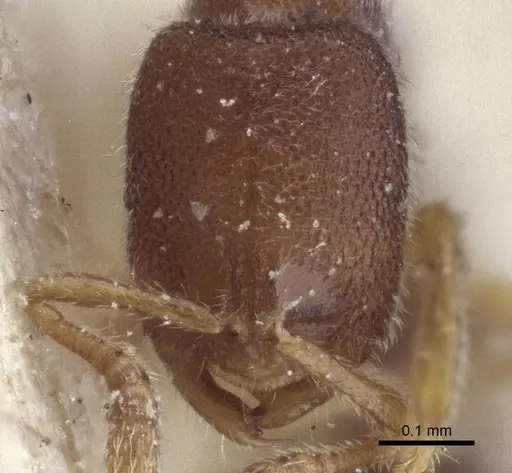
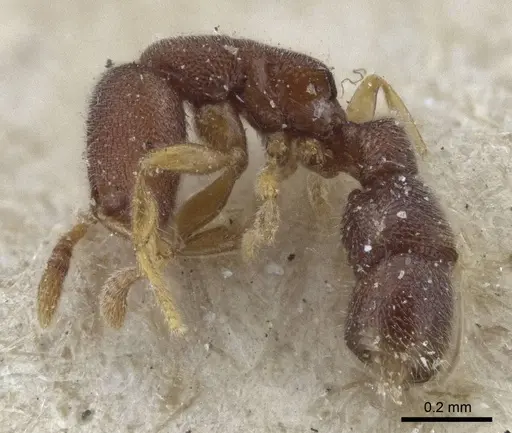
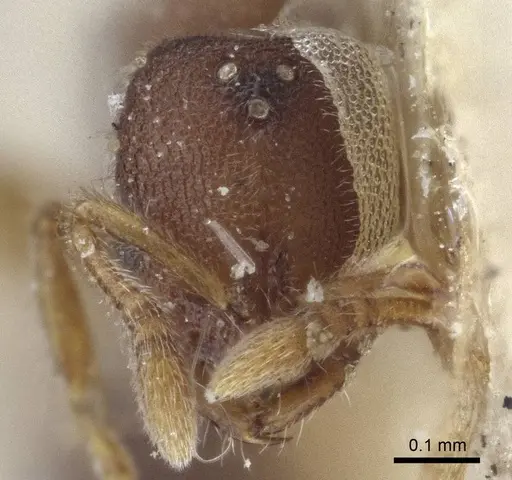
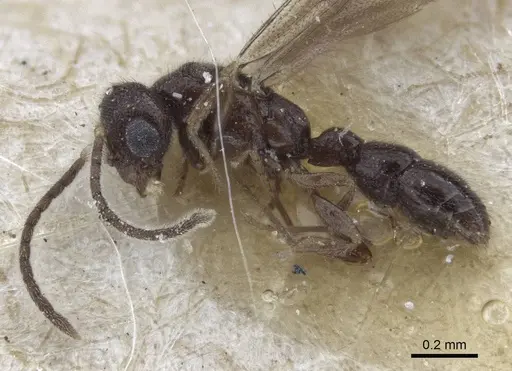
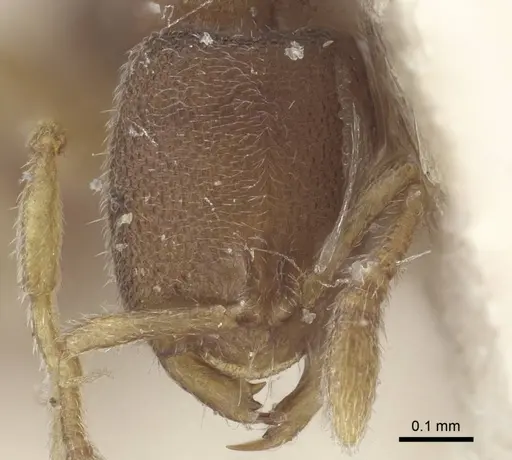
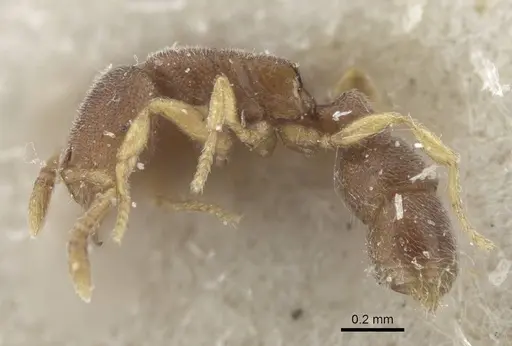
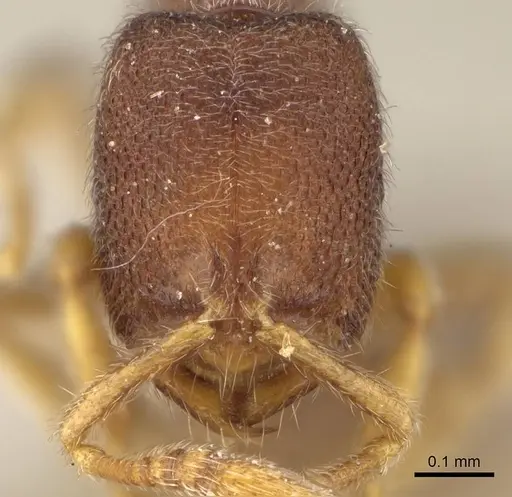
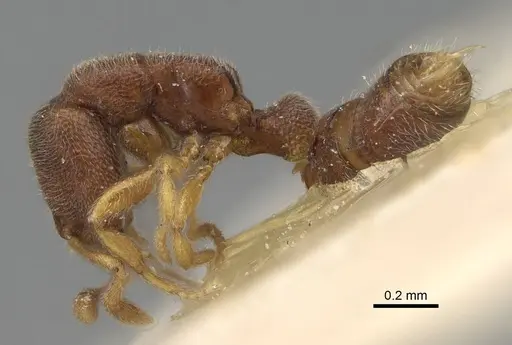
Prionopelta opaca is a tiny rainforest ant from the Amblyoponinae subfamily, native to Papua New Guinea, Micronesia, Palau, and the Solomon Islands. Workers are among the smallest ants, with a body size that makes them very small . They live in wet rainforest habitats at mid- to high elevations, nesting in soil under objects and in rotten wood . This species is cryptic and often found in leaf litter, making it a hidden gem for antkeepers who enjoy observing small species.
Quick Summary
- Difficulty: Medium
- Origin & Habitat: Papua New Guinea, Micronesia (Kosrae, Pohnpei), Palau, and Solomon Islands. Found in wet rainforest habitats at mid- to high elevations, living in leaf litter on the forest floor [2][1][3].
- Colony Type: Colony structure is unconfirmed. Workers have been collected individually from leaf litter samples, suggesting small colony sizes typical of cryptic leaf-litter ants [1].
- Size & Growth:
- Queen: Size data unavailable, no total length measurements provided for queens in the research.
- Worker: Size data unavailable, no total length measurements provided in research. Workers are very small, but exact body size is unknown.
- Colony: Colonies are small, but exact size unknown based on available data.
- Growth: Unknown, no development data available.
- Development: Unconfirmed, no direct measurements available. Based on typical Amblyoponinae patterns, development may take 6-10 weeks at warm temperatures. (Development timeline has not been directly studied for this species.)
- Antkeeping:
- Temperature: Keep warm, around 24-28°C. This species comes from wet tropical rainforests where temperatures are consistently warm year-round [2].
- Humidity: Keep the nest substrate consistently moist but not waterlogged, mimicking the damp rainforest floor [2][1].
- Diapause: Unknown, being a tropical species from consistent wet environments, they likely do not require a diapause period. Maintain stable warm conditions year-round.
- Nesting: Provide a naturalistic setup with moist substrate. These ants naturally nest in soil under objects and in rotten wood [1]. A Y-tong or plaster nest with small chambers works well, or a naturalistic setup with damp soil and hiding spots.
- Behavior: These ants are cryptic and slow-moving, spending most of their time in the leaf litter layer. They are likely predatory on small micro-arthropods. Workers are tiny and not particularly aggressive, they have a sting typical of Amblyoponinae but are not a concern for humans. Escape prevention is critical due to their very small size, they can squeeze through tiny gaps.
- Common Issues: escape prevention is critical due to their tiny size, use fine mesh and tight-fitting barriers., high humidity requirements can lead to mold problems if ventilation is inadequate., slow growth and small colony sizes may require patience., tropical species may decline if temperatures drop below room temperature., wild-caught colonies from leaf litter may have parasites that affect survival.
Housing and Nest Setup
You need to recreate the damp rainforest floor environment for Prionopelta opaca. Use a naturalistic terrarium-style setup with a deep layer of moist substrate like coconut fiber or soil mix. You can also use a Y-tong or plaster nest with small chambers, but keep the nest material consistently damp. Provide hiding spots like flat stones or bark. Because these ants are tiny, ensure escape prevention is excellent with fine mesh and sealed connections [1][2].
Feeding and Diet
You should offer small live prey such as springtails, tiny mites, or fruit fly larvae, as these ants are likely predatory on small invertebrates [4]. They are too small for typical ant feeder insects, so focus on micro-prey. Feed small amounts every few days and remove uneaten prey to prevent mold.
Temperature and Humidity
You must maintain warm, humid conditions. Keep temperatures around 24-28°C, mimicking their native rainforest habitat [2]. Humidity should be high, keep the substrate moist but not waterlogged [2][1]. Use a water reservoir and mist occasionally, but ensure good ventilation to prevent mold.
Behavior and Temperament
These ants are cryptic and slow-moving, spending most of their time hidden in leaf litter. Workers are tiny and not aggressive, they have a sting but are not a concern for humans. You will likely see most activity at night or when undisturbed. Escape prevention is critical due to their small size [1][4].
Colony Establishment
Establishing a colony can be challenging due to their cryptic nature. If you acquire a queen, keep her in a small, humid container with moist substrate. Founding behavior is unconfirmed, so patience is essential. These ants are best acquired from existing colonies rather than trying to find queens, as they are rarely encountered [4].
Frequently Asked Questions
How long does it take for Prionopelta opaca to produce first workers?
The exact timeline is unconfirmed, but based on typical Amblyoponinae patterns, it may take 6-10 weeks from egg to worker at warm temperatures [1].
Can I keep Prionopelta opaca in a test tube?
You can use a test tube, but modify it by adding extra cotton to create a snugger chamber due to their tiny size. A small container or naturalistic setup often works better [1].
What do Prionopelta opaca ants eat?
They likely accept small live prey like springtails, mites, and fruit fly larvae [4]. They are too small for typical ant feeder insects.
Are Prionopelta opaca ants good for beginners?
This species is rated as Medium difficulty. Their high humidity requirements, tiny size, and slow growth make them better suited for experienced antkeepers [2].
Do Prionopelta opaca ants need hibernation?
Being a tropical species, they likely do not require hibernation. Maintain stable warm and humid conditions year-round [2].
How big do Prionopelta opaca colonies get?
Colonies are small, but exact size is unknown based on available data [4].
Do Prionopelta opaca ants sting?
They have a sting typical of Amblyoponinae, but are not aggressive towards humans and pose no danger to keepers.
Why are my Prionopelta opaca dying?
Common causes include temperatures dropping below 24°C, humidity being too low or high, escape through tiny gaps, or lack of appropriately-sized live prey. Check your setup maintains warm, humid conditions with excellent escape prevention [2][1].
When should I move Prionopelta opaca to a formicarium?
A naturalistic setup with moist substrate works well long-term. You can expand to a larger terrarium once the colony is established, but exact timing is unconfirmed.
Can I keep multiple queens together?
Colony structure is unconfirmed for this species. Combining unrelated queens has not been documented and is not recommended. Start with a single queen or colony.
Report an Issue
The current care sheet is based fully on literature. See inconsistencies, or something that's incorrect? Please , it will be resolved after review from an admin. Contributing to the blogs tab also helps providing information, to make us be able to further improve the caresheets. Thank you for your support!
References

This caresheet is licensed under CC BY-SA 4.0 .
Community Blogs
CASENT0102528
View on AntWeb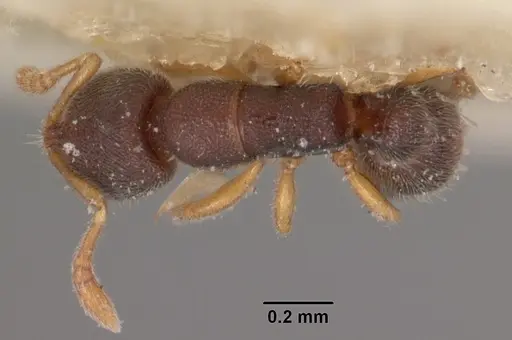
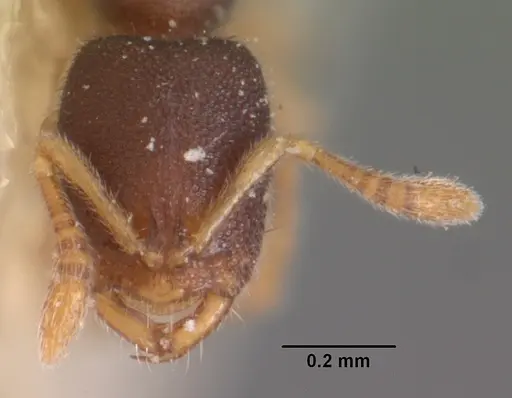
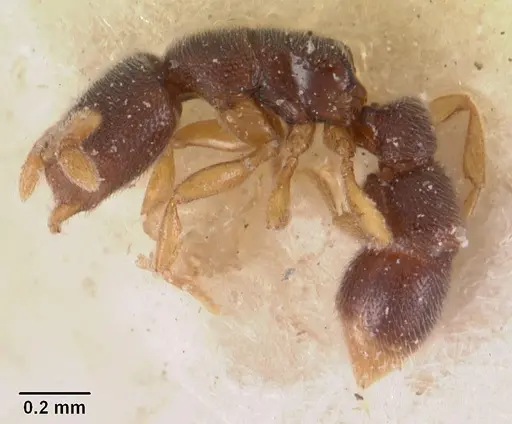
CASENT0172298
View on AntWeb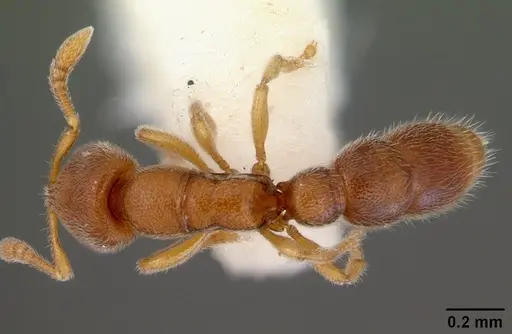
CASENT0173563
View on AntWeb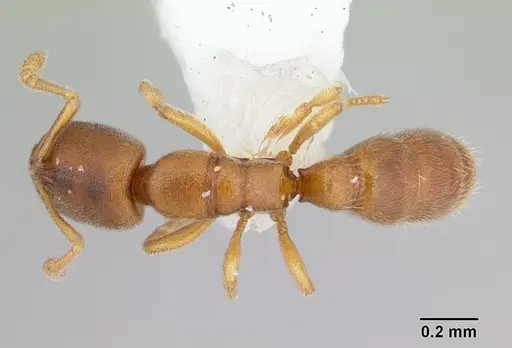
CASENT0178410
View on AntWeb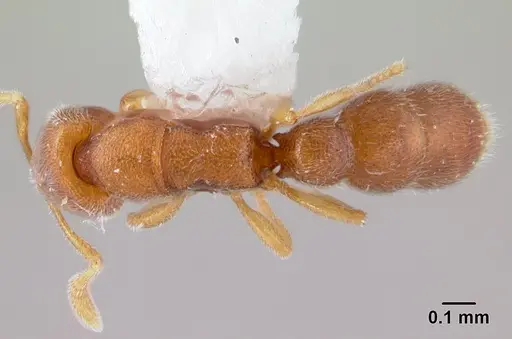
CASENT0219894
View on AntWeb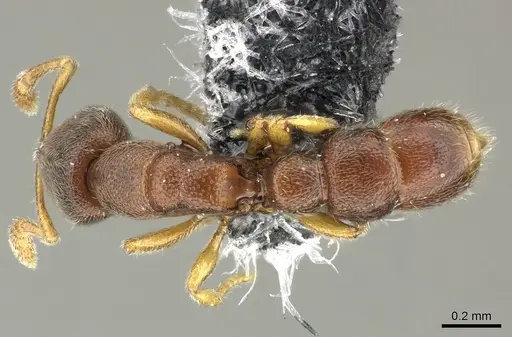
CASENT0260468
View on AntWeb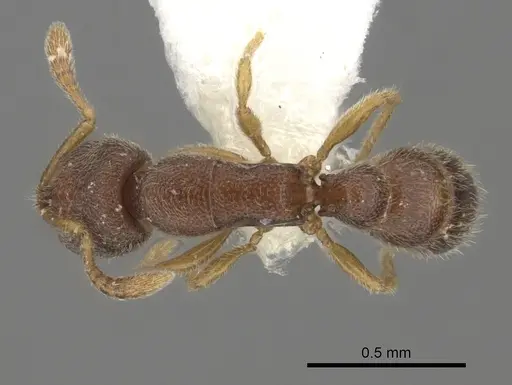
CASENT0434875
View on AntWeb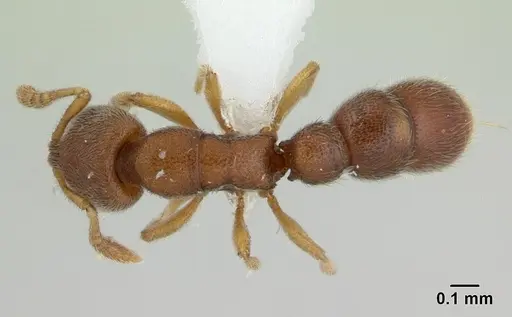
CASENT0434884
View on AntWeb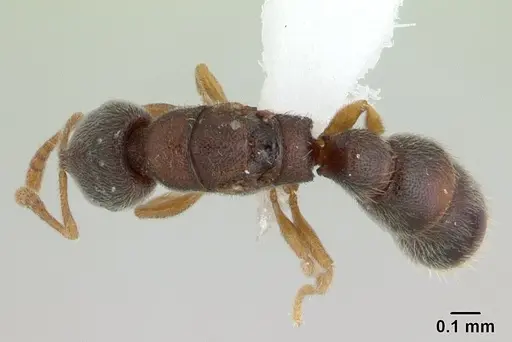
CASENT0903805
View on AntWeb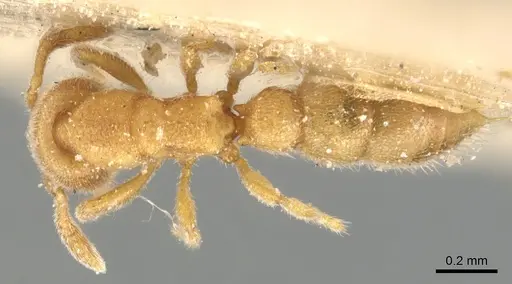
CASENT0916707
View on AntWeb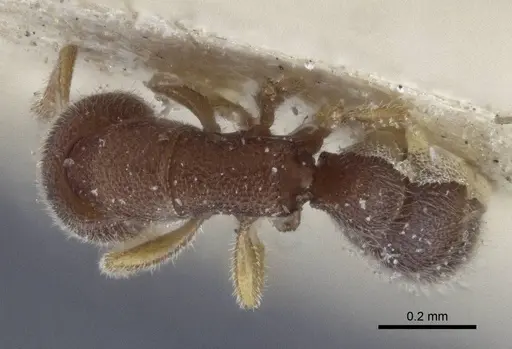
CASENT0916708
View on AntWeb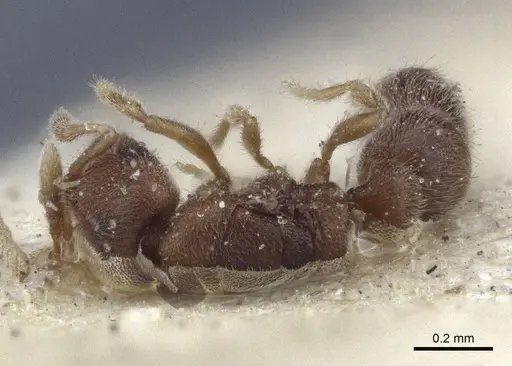
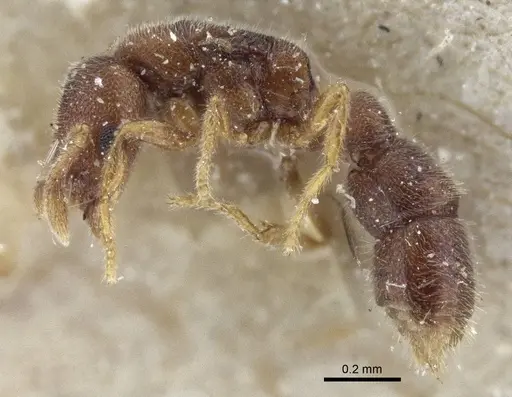
CASENT0916709
View on AntWeb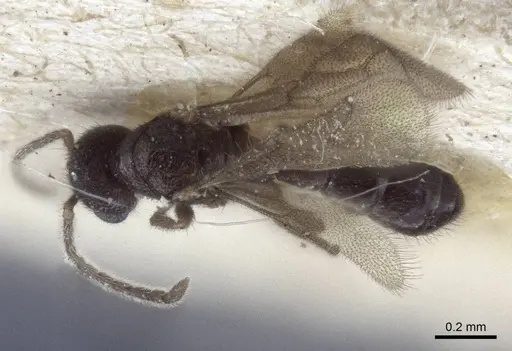
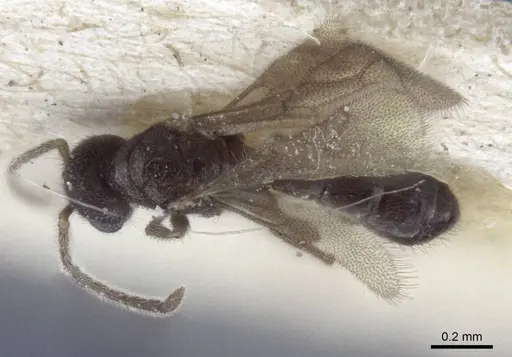
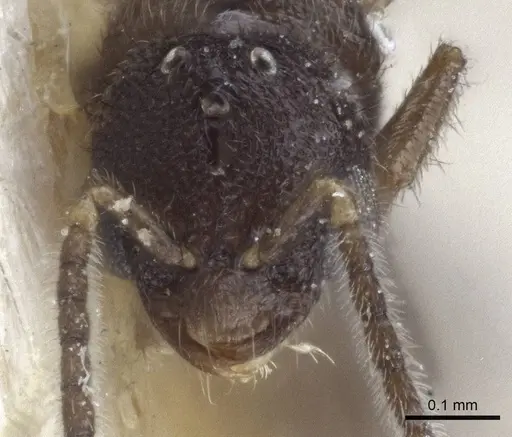
CASENT0916800
View on AntWeb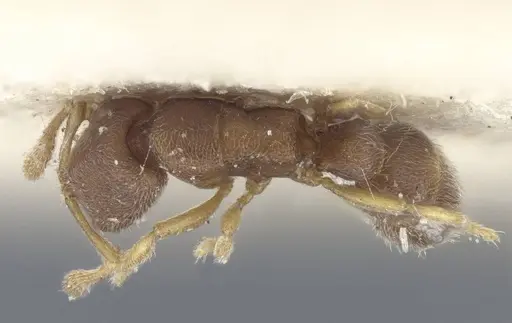
CASENT0922428
View on AntWeb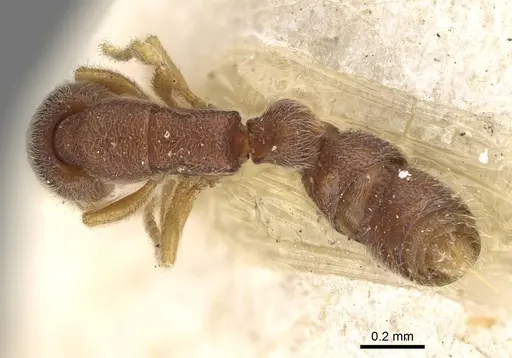
Literature
Loading distribution map...Loading products...