
Prionopelta humicola
- Sci. Name
- Prionopelta humicola
- Tribe
- Amblyoponini
- Subfamily
- Amblyoponinae
- Author
- Terron, 1974
- Distribution
- Found in 4 countries
Introduction
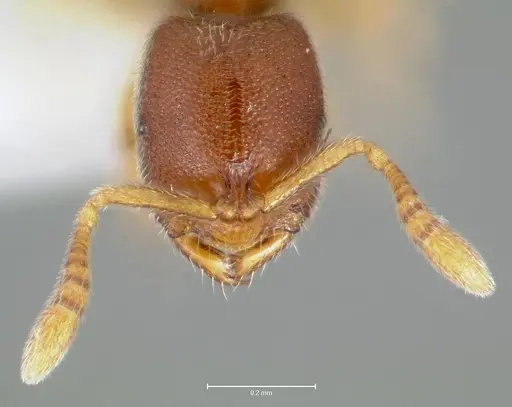
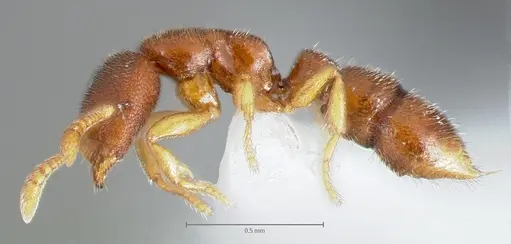
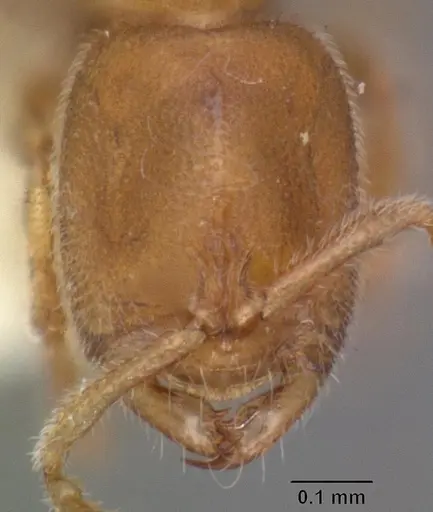
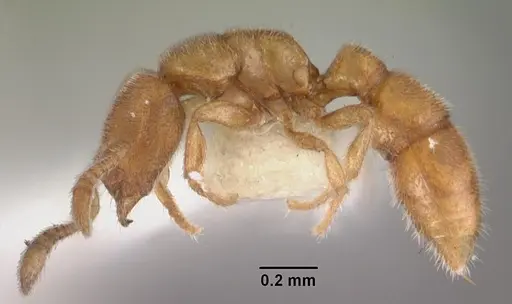
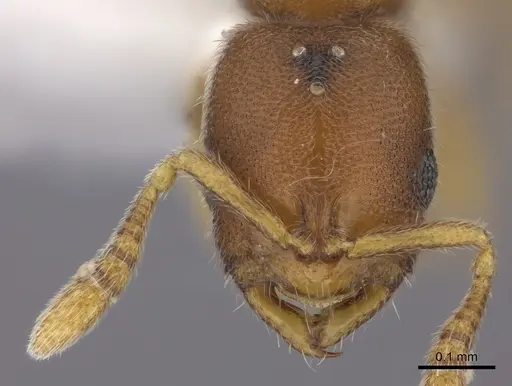
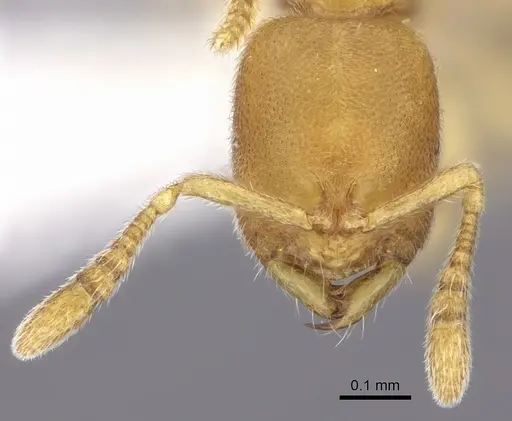
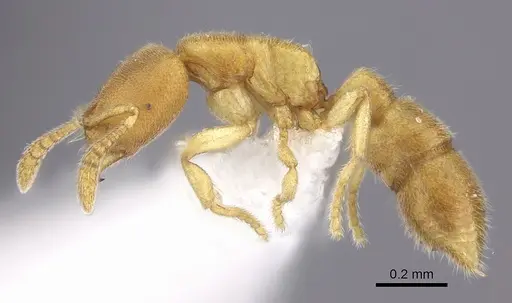
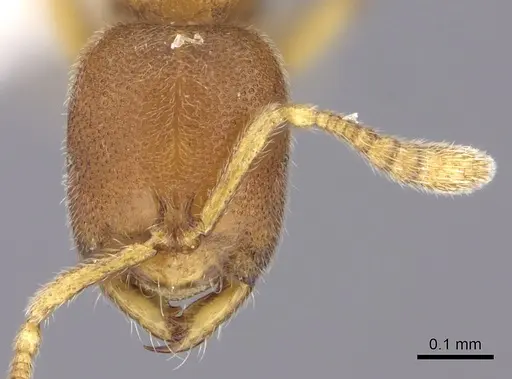
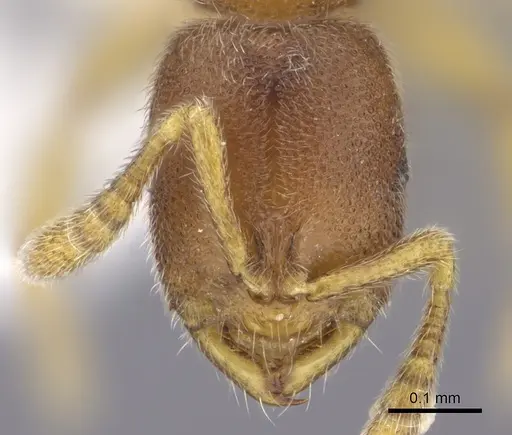
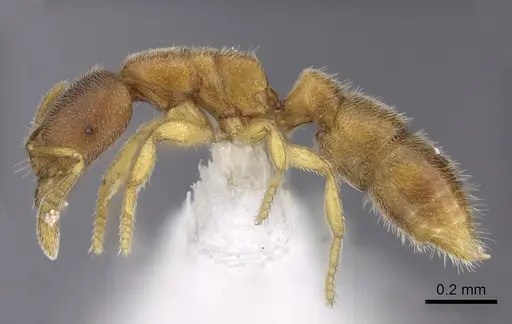
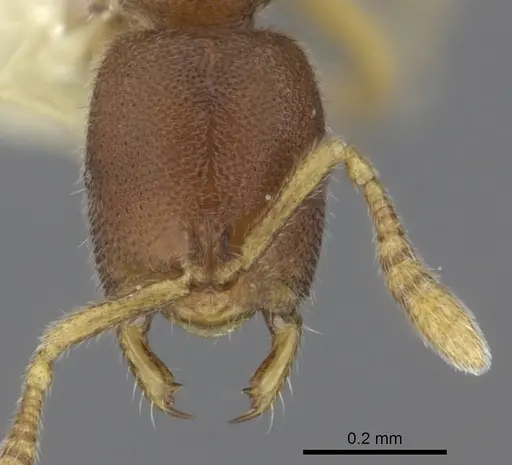
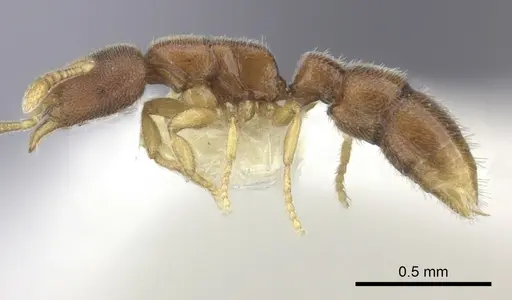
Prionopelta humicola is a small ant species in the subfamily Amblyoponinae, found in Central Africa including Cameroon, Gabon, Rwanda, and Uganda at elevations from 750 to 1650 meters . Workers are tiny, but exact body size is unclear from available data . This species is a subterranean predator that uses a sting to paralyze hard-bodied prey, typical of Amblyoponinae ants. Their cryptic lifestyle and small colonies make them a challenging species for experienced antkeepers.
Quick Summary
- Difficulty: Expert
- Origin & Habitat: Central African highlands, Cameroon, Gabon, Rwanda, and Uganda at elevations of 750-1650m. Found in forest leaf litter and under stones in highland areas [1][2][3].
- Colony Type: Unconfirmed, research does not specify queen number or social structure.
- Size & Growth:
- Queen: Size data unavailable, no total length measurements. Inferred from Prionopelta genus to be around 4-5 mm.
- Worker: Approximately 3 mm based on AntWiki descriptions [1].
- Colony: Up to 100 workers (estimated), typical for the genus.
- Growth: Moderate.
- Development: 6-10 weeks (estimated from related Amblyoponinae species). (Development time is inferred, specific data unavailable.)
- Antkeeping:
- Temperature: Keep around 20-24°C (inferred from highland origin).
- Humidity: Keep substrate consistently moist but not waterlogged (inferred from forest floor habitat).
- Diapause: Likely requires mild diapause, reduce temperature to 15-18°C for 2-3 months during winter (inferred).
- Nesting: Natural nesting in leaf litter or under stones, in captivity, use moist substrate nests or Y-tong/plaster nests with humidity retention (inferred).
- Behavior: These are cryptic, ground-nesting ants that prefer to stay hidden. Workers are small and not aggressive. Escape prevention is critical due to tiny size. They hunt small soil arthropods (inferred).
- Common Issues: tiny size makes escape prevention critical, use fine mesh barriers., small colony size means slow population growth, patience required., wild-caught colonies may have parasites that are difficult to detect., high humidity needs can lead to mold problems if ventilation is poor., limited availability makes this an advanced species to acquire.
Housing and Nest Setup
Prionopelta humicola requires a setup that maintains moderate to high humidity while providing darkness and security. Use a naturalistic terrarium with moist forest floor substrate (soil and rotting wood/leaf litter) in a shallow container. Add flat stones or bark for hiding spots. Alternatively, use a Y-tong or plaster nest with a water reservoir. Because workers are tiny, seal all gaps with fine mesh to prevent escape [1]. Keep the nest area dark and undisturbed, as they prefer to stay hidden.
Feeding and Diet
As predators, these ants hunt small soil-dwelling arthropods. In captivity, feed live prey such as springtails, micro-arthropods, or tiny insects like fruit flies. Offer small pieces of mealworms or other protein sources 2-3 times per week. Remove uneaten prey within 24 hours to prevent mold. Sugar water or honey can be offered occasionally, but protein should be the main food source.
Temperature and Seasonal Care
Keep your colony at moderate temperatures around 20-24°C, based on its highland origin. Avoid temperatures above 28°C to prevent stress. During winter, provide a mild diapause by reducing temperatures to 15-18°C for 2-3 months, mimicking natural seasonal cycles.
Colony Growth and Development
Colony growth is moderate. The founding queen will produce first workers within 6-10 weeks under optimal conditions, though this is estimated from related species. Initial colony size is small, with mature colonies likely under 100 workers. Patience is essential, as growth is slow.
Behavior and Temperament
These ants are cryptic and secretive, spending most time hidden in the nest. Workers are not aggressive but require careful escape prevention due to their tiny size. They are likely nocturnal hunters, preying on small soil arthropods.
Frequently Asked Questions
How long does it take for Prionopelta humicola to produce first workers?
Based on related Amblyoponinae species, expect 6-10 weeks from egg to first worker at optimal temperature (around 22°C). This is an estimate since specific development data is unavailable.
What do Prionopelta humicola ants eat?
They are predators that hunt small soil arthropods. Feed them live springtails, micro-arthropods, tiny fruit flies, or small pieces of mealworms. Occasional sugar water may be accepted.
Can I keep Prionopelta humicola in a test tube?
A test tube setup can work for founding colonies, but you must maintain high humidity and provide protein prey. A naturalistic setup with moist substrate is often better for long-term success.
Do Prionopelta humicola ants sting?
They are too small to effectively sting humans. Their sting is present but cannot penetrate human skin, typical of Amblyoponinae ants.
Are Prionopelta humicola good for beginners?
No. This is an expert-level species due to their small size, specific humidity needs, limited availability, and slow colony growth.
How big do Prionopelta humicola colonies get?
Colony size is likely small at maturity, up to 100 workers estimated, typical for the genus Prionopelta.
Do Prionopelta humicola need hibernation?
They likely benefit from a mild winter rest period. Reduce temperatures to 15-18°C for 2-3 months during winter to mimic their natural highland seasonal cycle.
Why are my Prionopelta humicola dying?
Common causes include: temperature too high (above 28°C), humidity too low, mold from overwatering with poor ventilation, escape through tiny gaps, or lack of appropriate live prey.
When should I move them to a formicarium?
Wait until the colony has at least 20-30 workers and is actively foraging. Moving too early can stress the queen. A naturalistic setup is often preferred.
Can I keep multiple queens together?
This has not been documented for this species. Based on typical Amblyoponinae behavior, it is not recommended to combine unrelated queens.
Report an Issue
The current care sheet is based fully on literature. See inconsistencies, or something that's incorrect? Please , it will be resolved after review from an admin. Contributing to the blogs tab also helps providing information, to make us be able to further improve the caresheets. Thank you for your support!
References

This caresheet is licensed under CC BY-SA 4.0 .
Community Blogs
CASENT0005924
View on AntWeb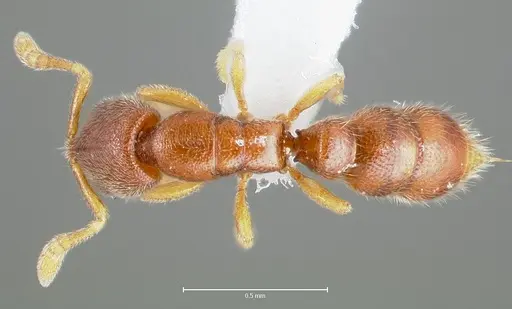
CASENT0005925
View on AntWeb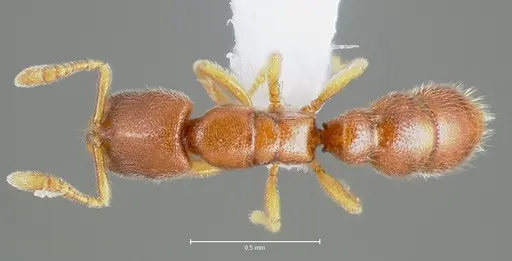
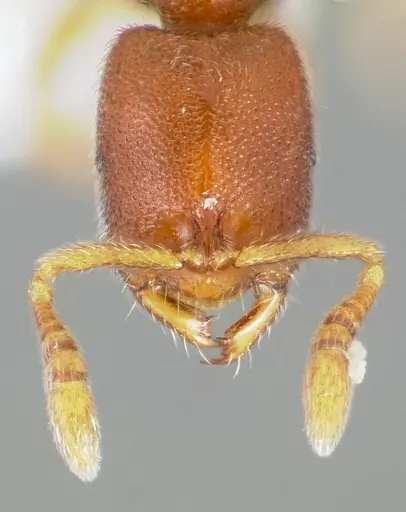
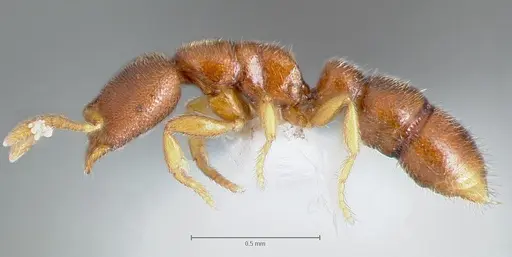
CASENT0102504
View on AntWeb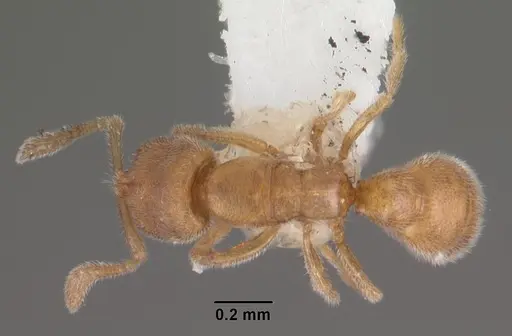
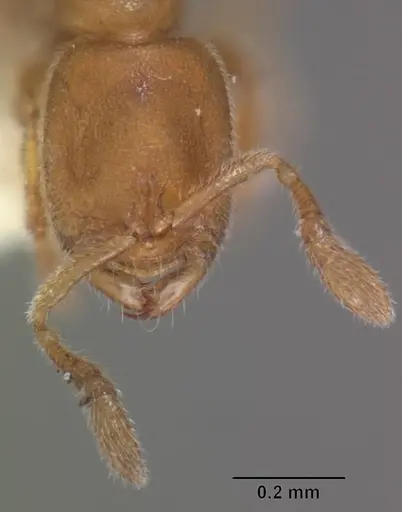
CASENT0235181
View on AntWeb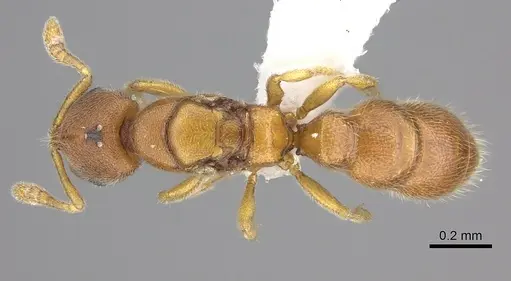
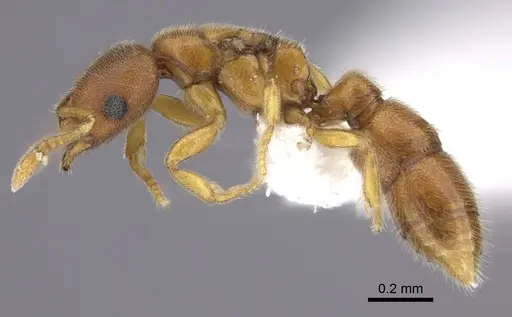
CASENT0235182
View on AntWeb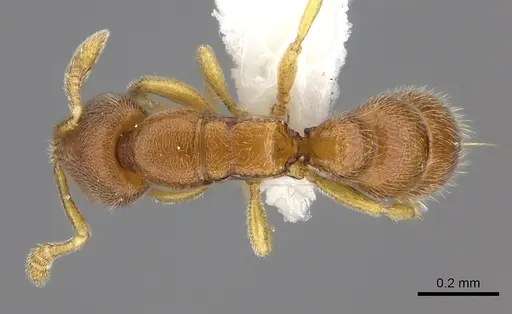
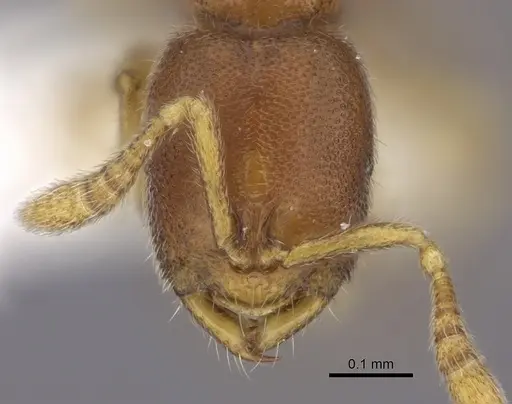
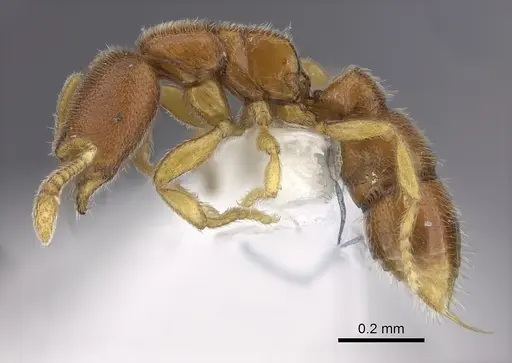
CASENT0235183
View on AntWeb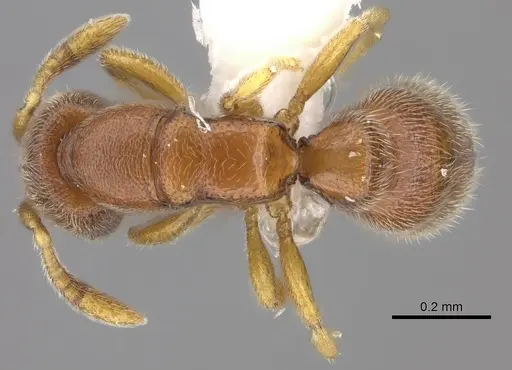
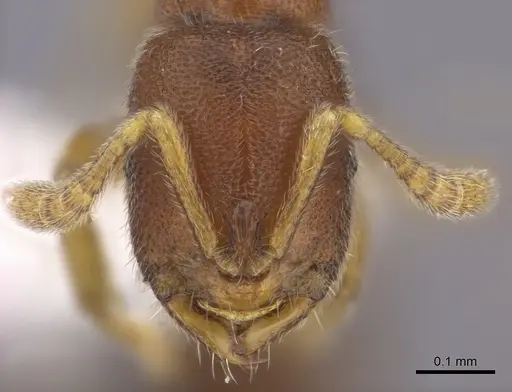
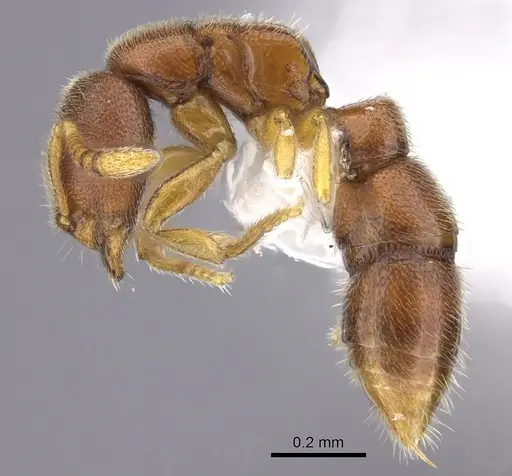
CASENT0235188
View on AntWeb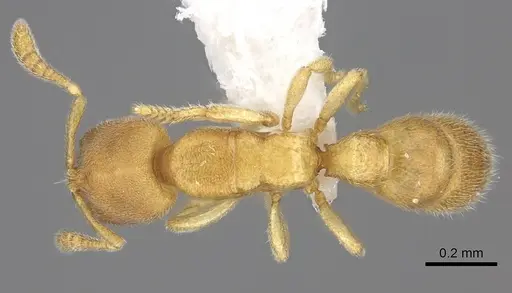
CASENT0235189
View on AntWeb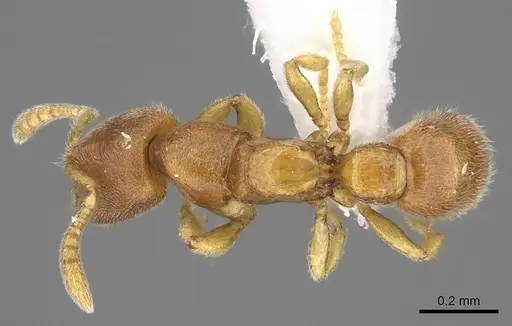
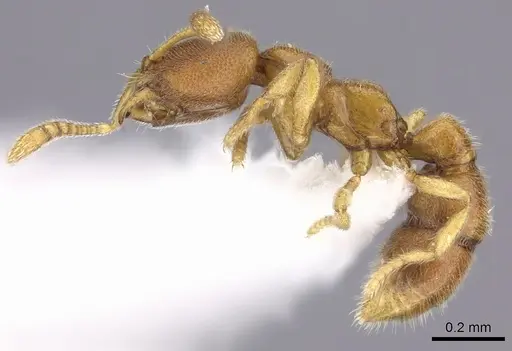
CASENT0235190
View on AntWeb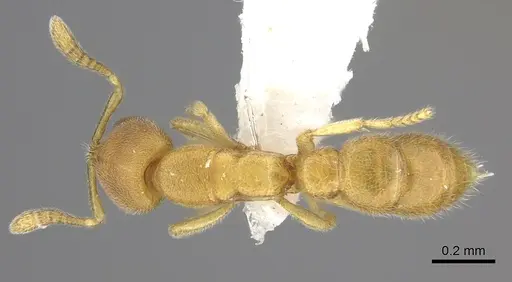
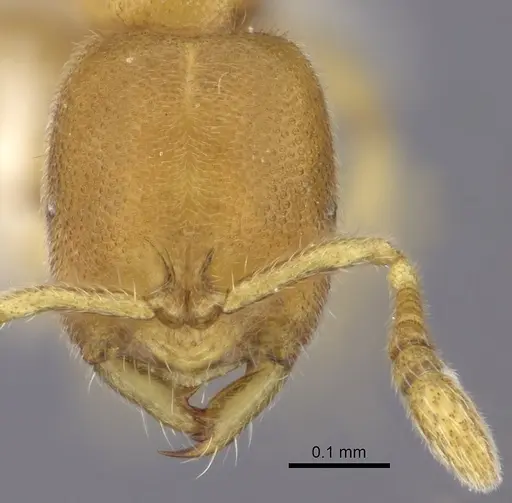
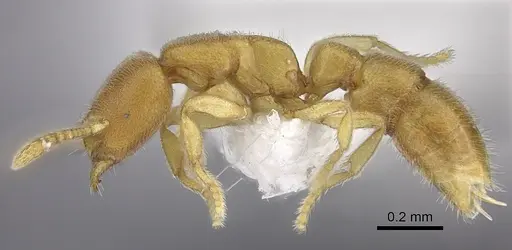
CASENT0235191
View on AntWeb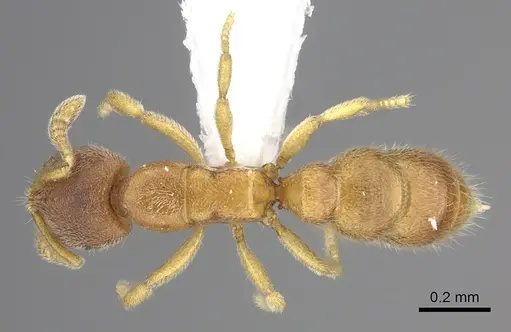
CASENT0260464
View on AntWeb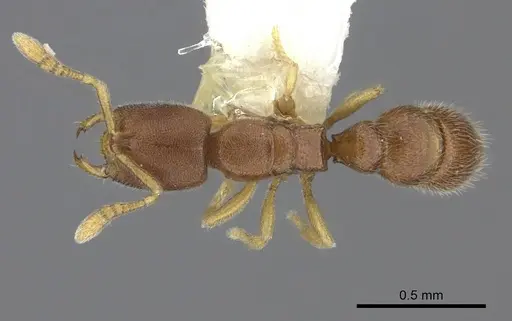
Literature
Loading distribution map...Loading products...