
Prionopelta dubia
- Sci. Name
- Prionopelta dubia
- Tribe
- Amblyoponini
- Subfamily
- Amblyoponinae
- Author
- Ladino & Feitosa, 2020
- Distribution
- Found in 9 countries
Introduction
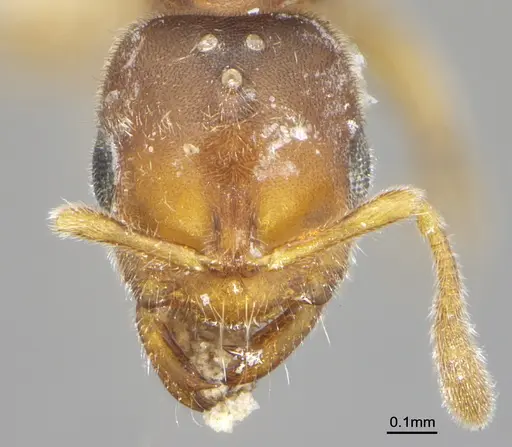
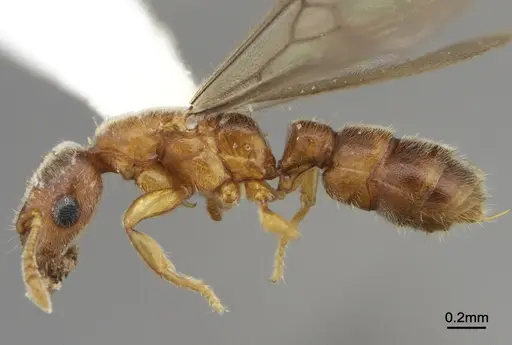
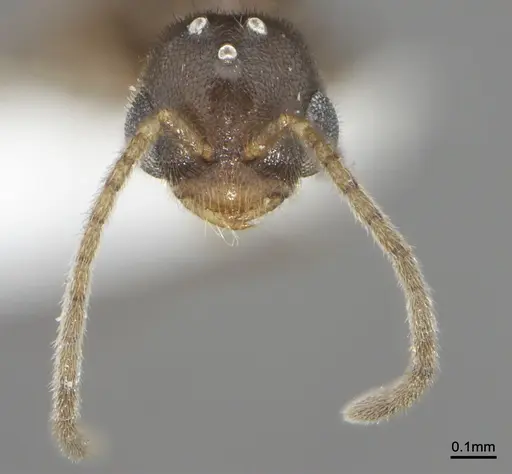
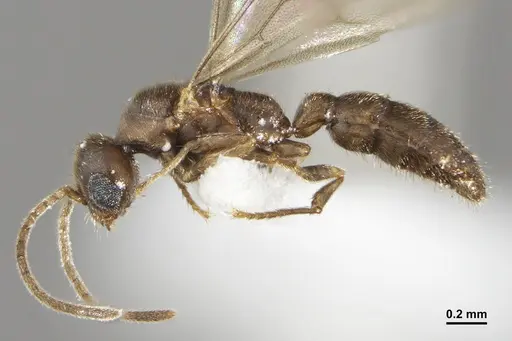
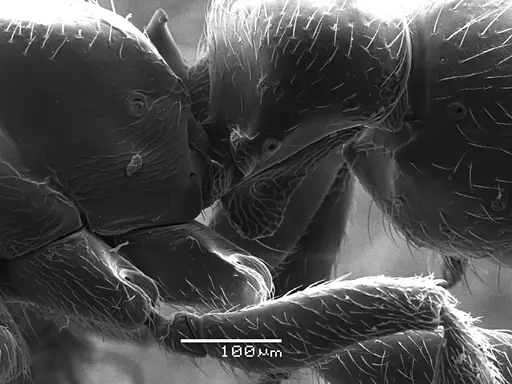
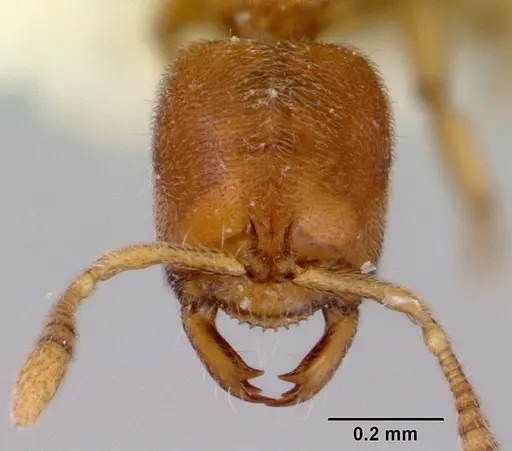
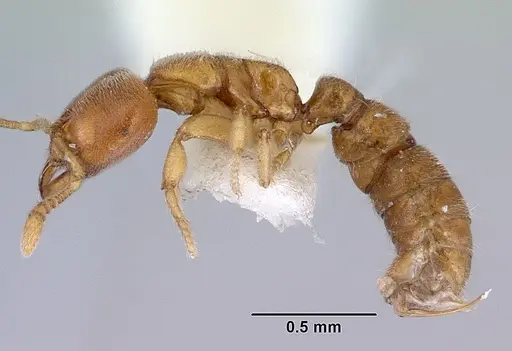
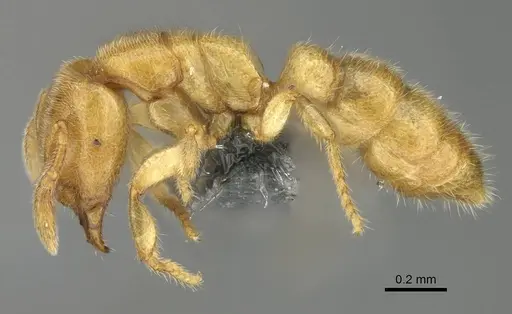
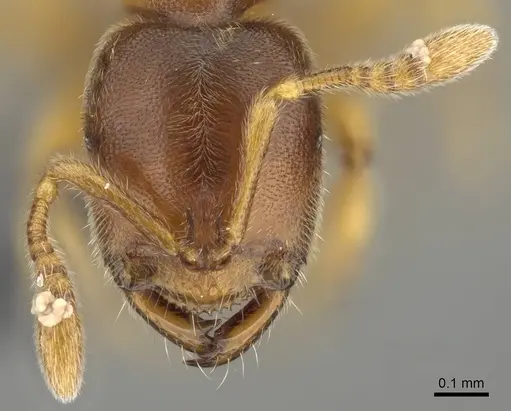
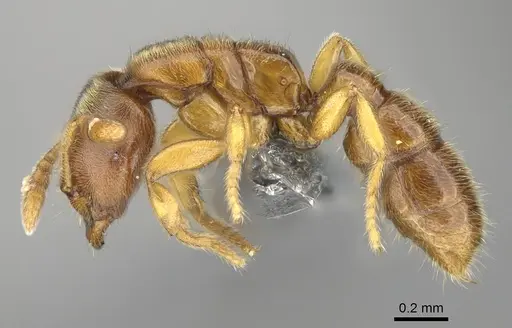
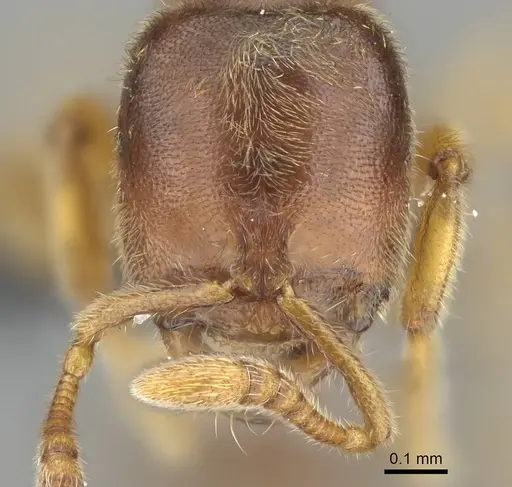
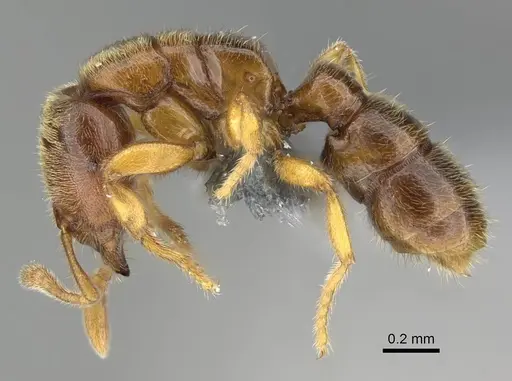
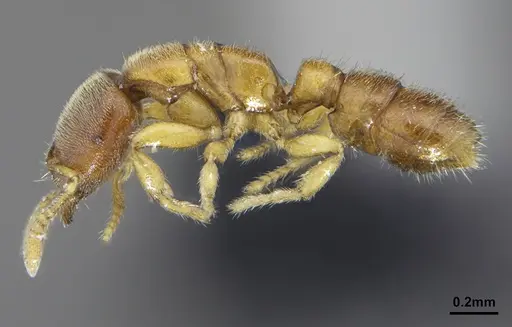
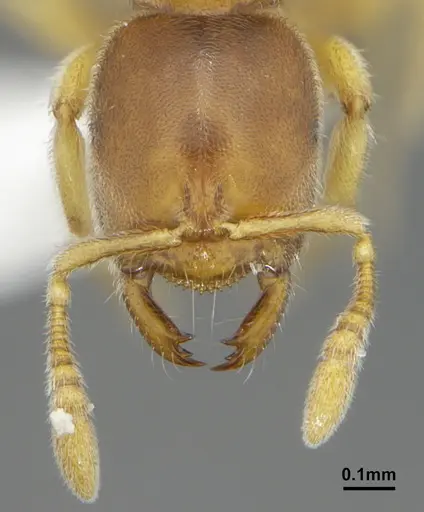
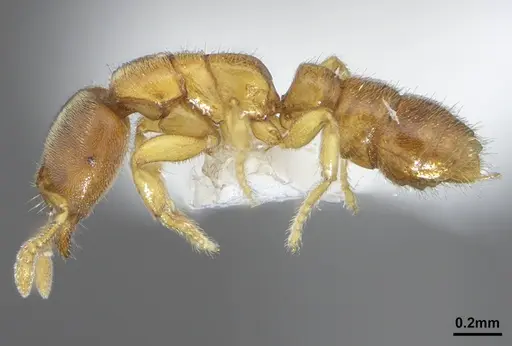
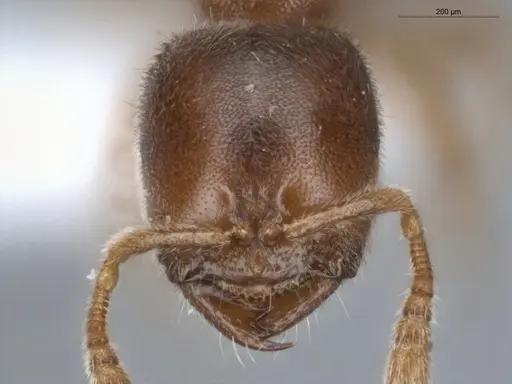
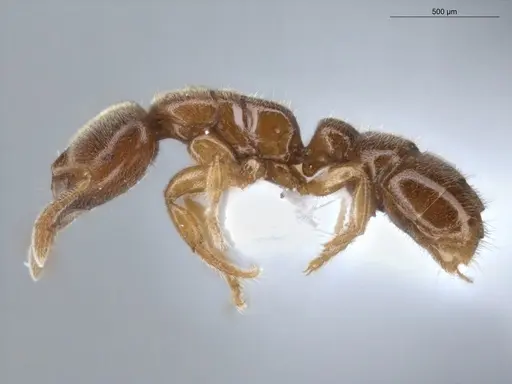
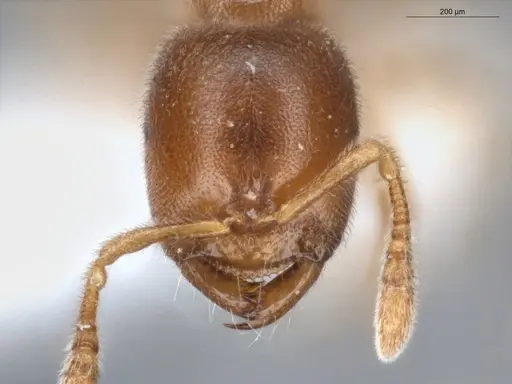
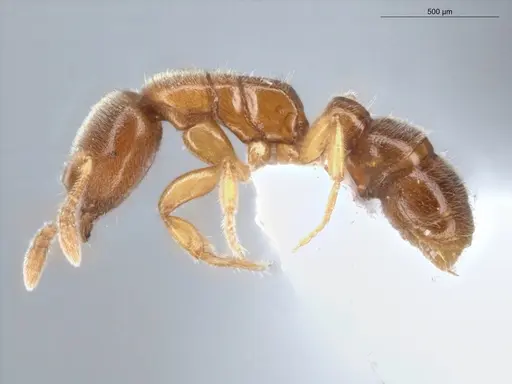
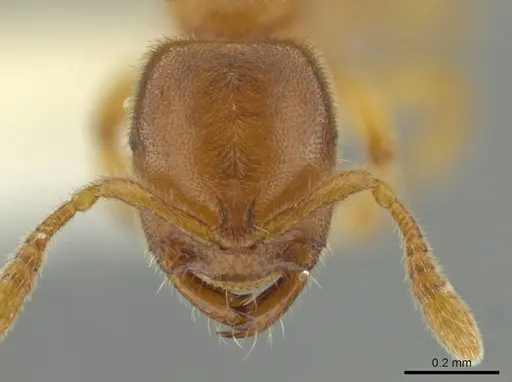
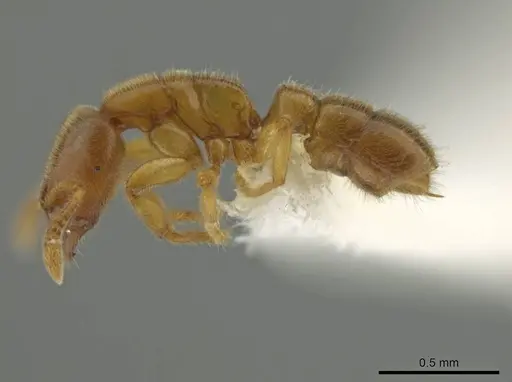
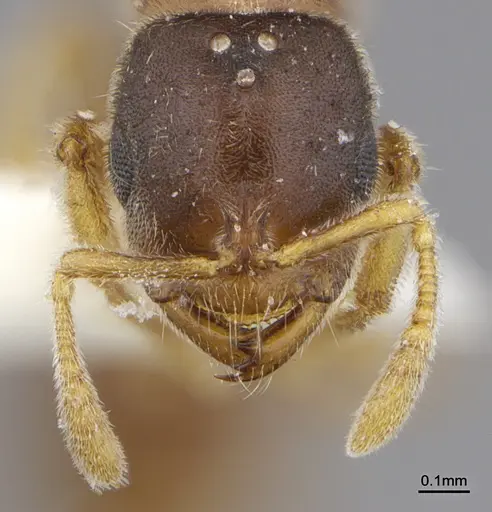
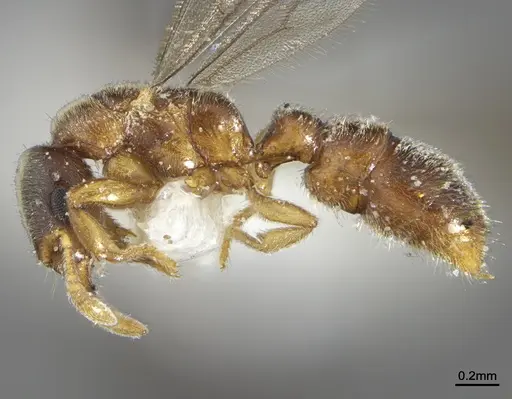
Prionopelta dubia is a tiny ant species native to the Neotropical region, ranging from southwestern Mexico to southeastern Brazil . Workers measure 1.38-1.70 mm in total length, while queens are 1.79-2.00 mm . They have a yellow to light brown body with dense punctulate sculpturing and twelve antennomeres . These ants inhabit tropical moist forests, typically found in leaf litter and decomposing logs at elevations between 50-1500 meters . A notable behavior is pleometrotic colony founding, where pairs of queens start colonies together in small chambers under rotting bark . Workers move very slowly, which is a distinctive trait of this species .
Quick Summary
- Difficulty: Medium
- Origin & Habitat: Neotropical region from southwestern Mexico to southeastern Brazil, found in tropical moist forests at elevations of 50-1500m [1]. Inhabits fallen logs with high decomposition and leaf litter [1].
- Colony Type: Pleometrotic colony founding observed, multiple queens can start colonies together. Established colony structure is unconfirmed [1].
- Size & Growth:
- Antkeeping:
- Temperature: Based on their tropical forest habitat [1], keep temperatures around 24-28°C.
- Humidity: High humidity is essential, as they live in decomposing wood and leaf litter [1]. Keep nest substrate consistently moist but not waterlogged.
- Diapause: No, as a tropical species from the Neotropics, they do not require hibernation].
- Nesting: They naturally nest in rotting wood and under bark [1]. Y-tong (AAC) or plaster nests work well for maintaining humidity.
- Behavior: Workers are very slow-moving [1]. They are likely predatory or scavengers, as typical for Amblyoponinae. Due to their extremely small size (1.38-1.70 mm), escape prevention must be excellent, they can squeeze through tiny gaps. They are not aggressive and likely harmless to keepers.
- Common Issues: escape prevention is critical due to their very small size, use fine mesh and tight-fitting barriers [1], high humidity requirements can lead to mold if ventilation is poor, balance humidity with adequate airflow, slow growth rate may frustrate beginners, colonies develop slowly and remain small, difficulty finding appropriately small prey, their tiny size requires micro-prey like springtails, wild-caught colonies may have parasites that are difficult to treat in captivity
Housing and Nest Setup
Prionopelta dubia requires high-humidity housing due to their natural habitat in decomposing logs and leaf litter [1]. Y-tong (AAC) nests or plaster nests work well, both hold humidity effectively [1]. The nest should be kept dark, as these ants naturally live in concealed microhabitats [1]. Because workers are only 1.38-1.70 mm, all nest chambers and passages should be appropriately scaled, tight spaces help them feel secure [1]. The outworld can be simple and small since colonies likely remain modest in size. Use a water tube or cotton setup to maintain humidity, and mist the nest area occasionally to keep substrate damp. Avoid excessive ventilation that dries out the nest, these ants need consistently moist conditions.
Feeding and Diet
Like other Amblyoponinae ants, Prionopelta dubia is likely predatory or omnivorous, feeding on small invertebrates. Their tiny worker size means you must offer appropriately small prey, springtails, micro-arthropods, and tiny fruit flies are ideal. They probably cannot take down large prey items. Offer sugar sources occasionally (honey water or sugar water) but protein should be the primary food. Feed small prey items 2-3 times per week, removing any uneaten prey within 24 hours to prevent mold. Their slow-moving workers suggest they are ambush predators or scavengers rather than active foragers, so place prey close to the nest entrance. [1]
Temperature and Humidity
Keep these tropical ants warm year-round. Based on their habitat [1], aim for 24-28°C in the nest area, with a slight gradient if possible so workers can choose their preferred temperature. Do not let temperatures drop below 20°C for extended periods. Humidity is critical, maintain high humidity as they live in decomposing wood and leaf litter [1]. The substrate should feel consistently damp but never waterlogged. You can achieve this by using a water tube setup with a cotton barrier, or by misting the nest area regularly. A hygrometer helps monitor conditions.
Behavior and Colony Dynamics
Workers are notably slow-moving, which is a key identifying characteristic of this species [1]. They likely form small colonies with modest worker populations, no data on colony size is available [1]. Pleometrotic founding has been observed, meaning multiple queens can start a colony together [1]. However, in captivity it's safest to house a single queen once founding is complete. They are not aggressive and likely do not sting humans, their small size makes them harmless to keepers. The slow movement and small size means they are not escape artists in the traditional sense, but their tiny size allows them to squeeze through impossibly small gaps, making fine mesh essential for any enclosure.
Growth and Development
The egg-to-worker timeline is not documented in research [1]. Growth rate is unknown, no data is available [1]. Queens measure 1.79-2.00 mm while workers are only 1.38-1.70 mm, making the size difference modest [1]. First workers (nanitics) will be tiny and may take time to develop. Be patient with these ants, they are not fast growers and quick results should not be expected.
Frequently Asked Questions
How long does it take for Prionopelta dubia to produce first workers?
The exact timeline is not documented in research [1]. Based on typical Amblyoponinae patterns, it may take several weeks, but no specific data is available.
What do Prionopelta dubia ants eat?
Diet is not specified in research, but as Amblyoponinae, they are likely predatory or omnivorous, feeding on small invertebrates.
Can I keep multiple Prionopelta dubia queens together?
Pleometrotic colony founding has been observed in this species, meaning pairs of queens can start colonies together in the wild [1]. However, for captive care, it's safest to keep one queen per colony once founding is complete to avoid aggression.
Do Prionopelta dubia ants sting?
As Amblyoponinae, they have a sting, but due to their extremely small size (1.38-1.70 mm workers), they are unlikely to penetrate human skin and are considered harmless to keepers.
What size colony do Prionopelta dubia colonies reach?
Colony size is not well documented in research [1]. Based on their tiny worker size, colonies likely remain small, but no specific data is available.
Are Prionopelta dubia good for beginners?
This species is rated as medium difficulty. Their small size and high humidity requirements make them more challenging than common species. They require attention to escape prevention and careful prey selection.
Do Prionopelta dubia need hibernation?
No, as a tropical species from the Neotropics, they do not require hibernation]. Keep them at warm temperatures year-round.
What is the best nest type for Prionopelta dubia?
Y-tong (AAC) nests or plaster nests work well because they hold humidity effectively [1]. Keep the nest dark and humid, simulating their natural habitat in decomposing wood and under bark.
Why are my Prionopelta dubia dying?
Common causes include: low humidity (they need high humidity [1]), temperatures below 20°C, escape through tiny gaps due to their small size [1], mold from poor ventilation, or lack of appropriately small prey. Check all husbandry parameters carefully.
How often should I feed Prionopelta dubia?
Offer small prey 2-3 times per week. Remove uneaten prey within 24 hours to prevent mold. Sugar water can be offered constantly in a small test tube setup.
Report an Issue
The current care sheet is based fully on literature. See inconsistencies, or something that's incorrect? Please , it will be resolved after review from an admin. Contributing to the blogs tab also helps providing information, to make us be able to further improve the caresheets. Thank you for your support!
References

This caresheet is licensed under CC BY-SA 4.0 .
Community Blogs
ANTWEB1041471
View on AntWeb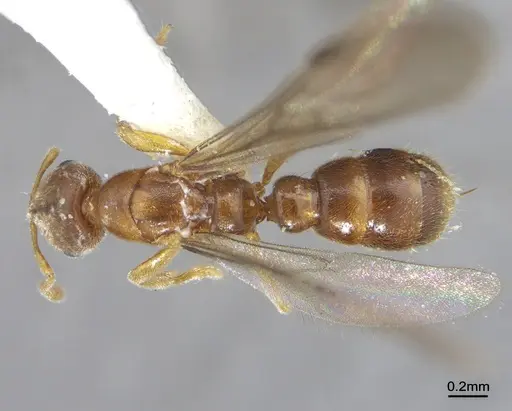
ANTWEB1041472
View on AntWeb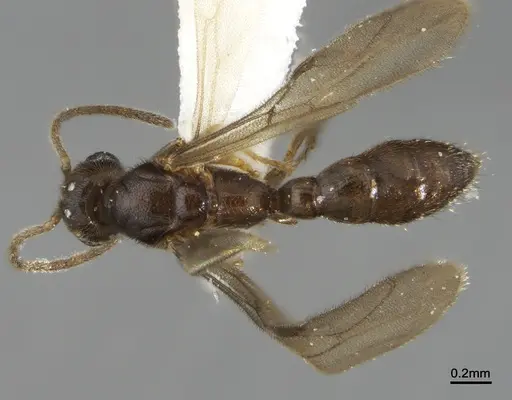
ANTWEB1041473
View on AntWeb
CASENT0172305
View on AntWeb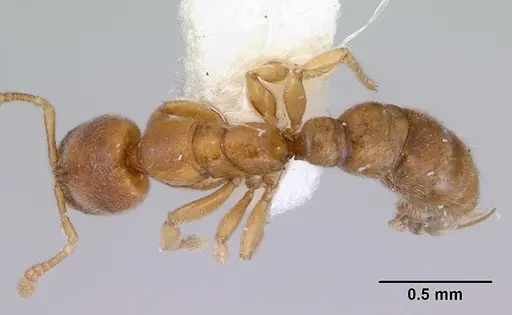
CASENT0178695
View on AntWeb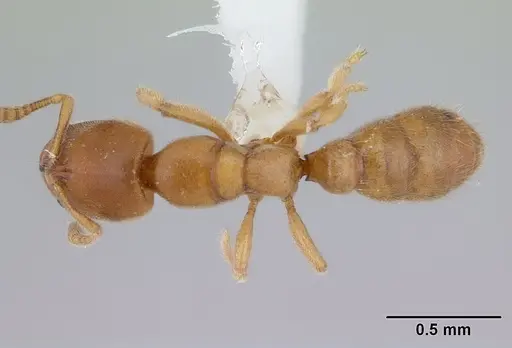
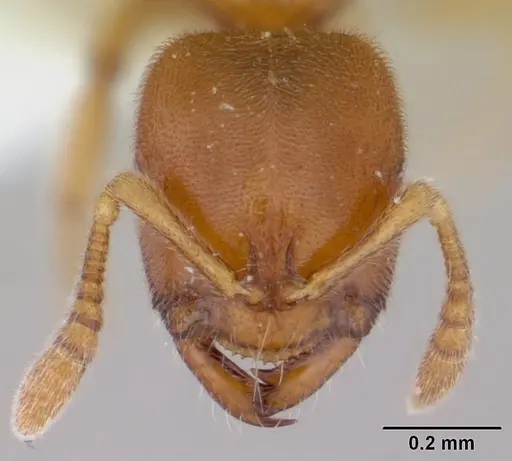
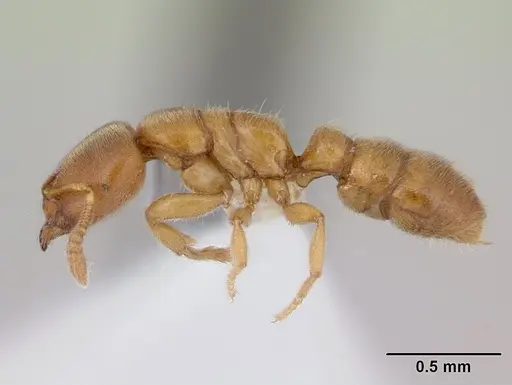
CASENT0260460
View on AntWeb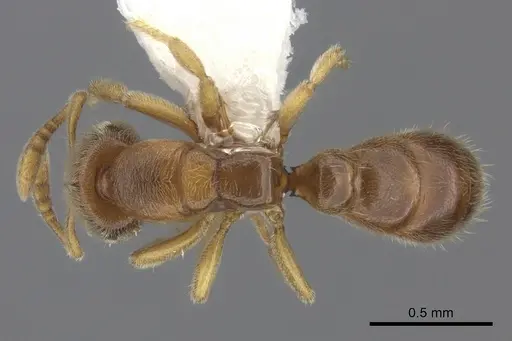
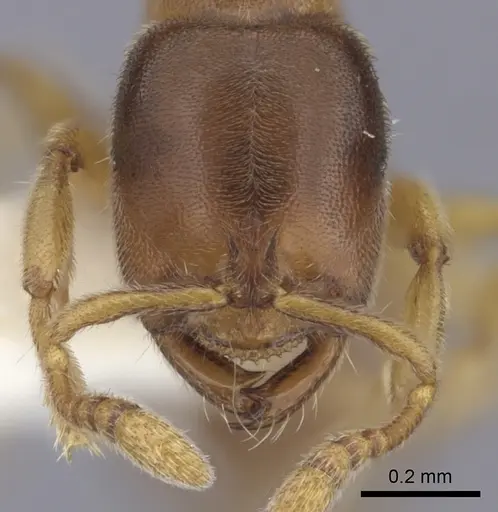
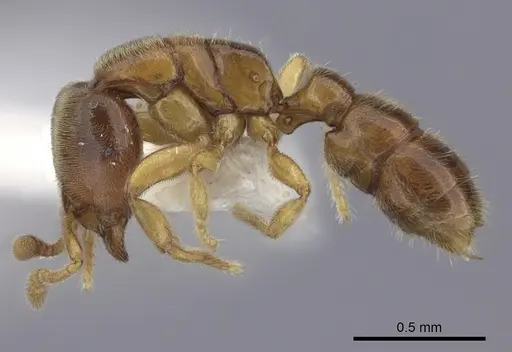
CASENT0370886
View on AntWeb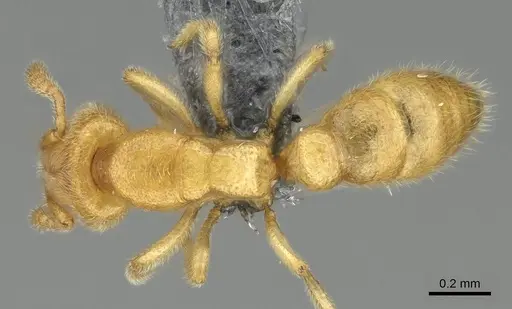
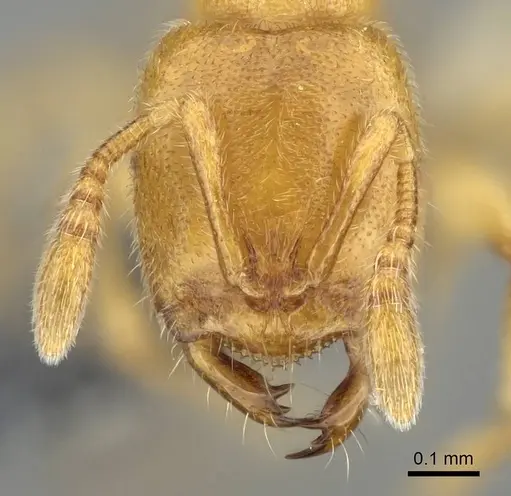
CASENT0374727
View on AntWeb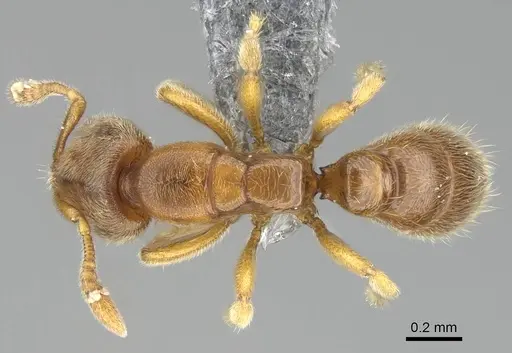
CASENT0375939
View on AntWeb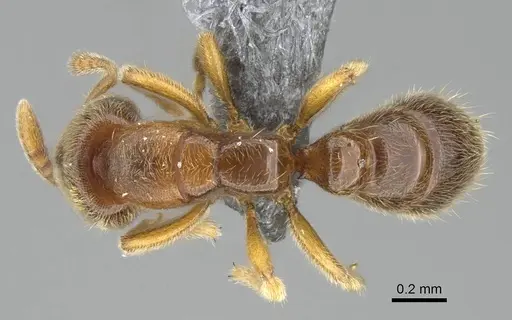
CASENT0617263
View on AntWeb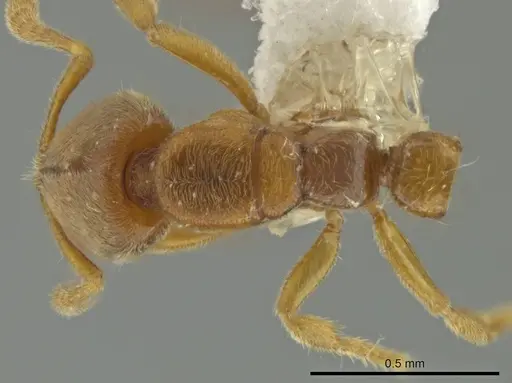
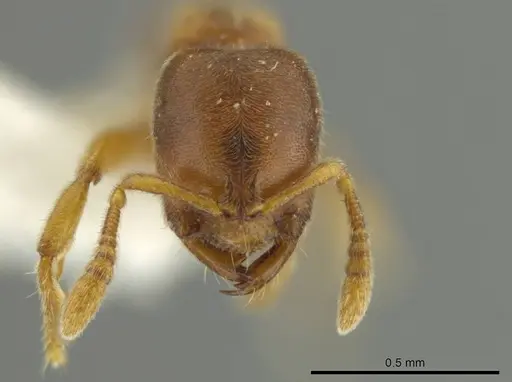
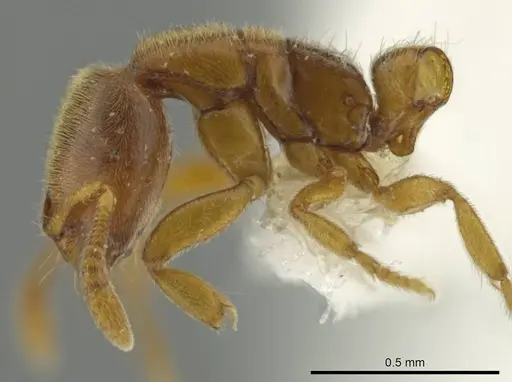
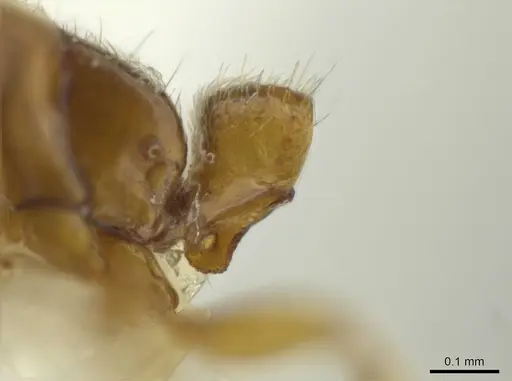
CASENT0619986
View on AntWeb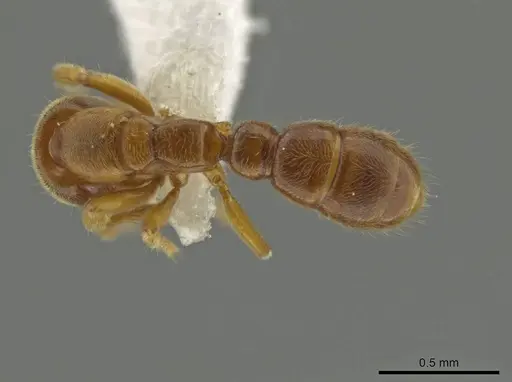
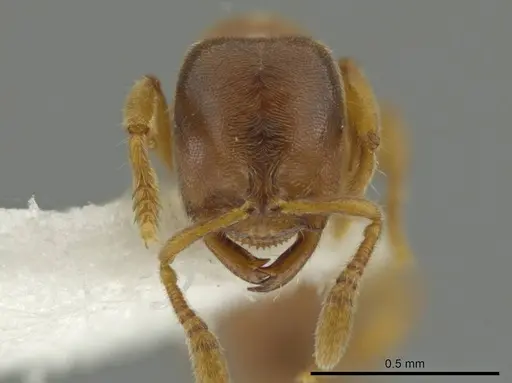
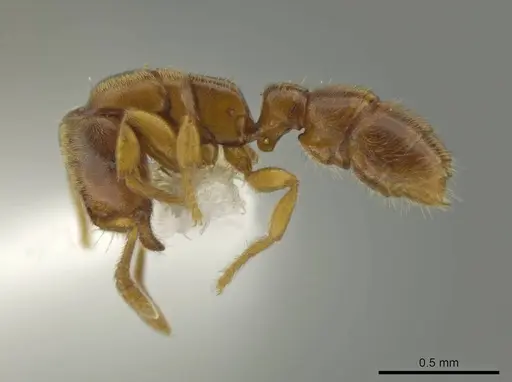
DZUP549772
View on AntWeb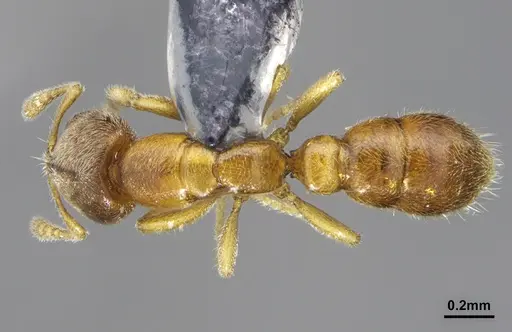
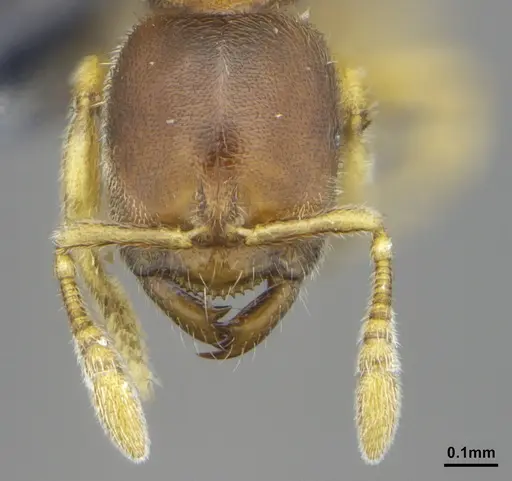
DZUP549774
View on AntWeb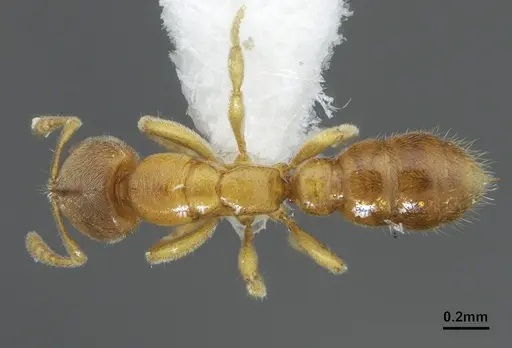
ECOFOG-IT14-0118-22
View on AntWeb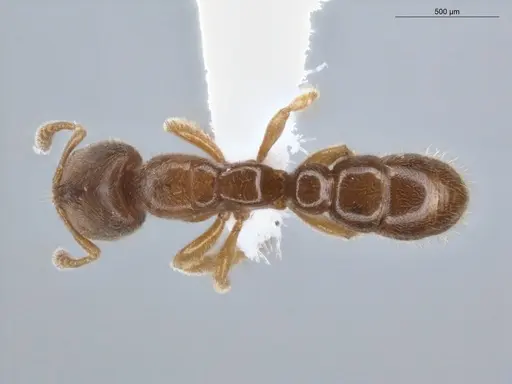
ECOFOG-SL13-1022-11
View on AntWeb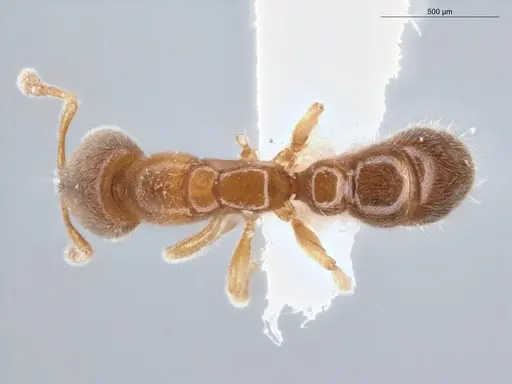
JTLC000010047
View on AntWeb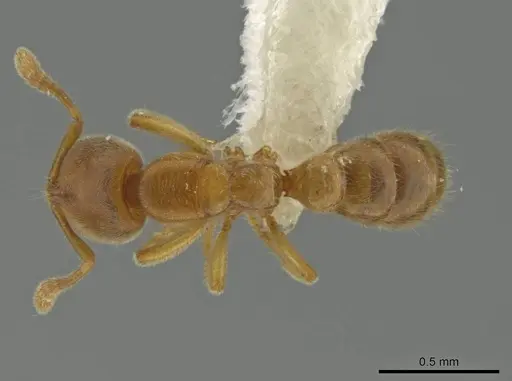
LACMENT142624
View on AntWeb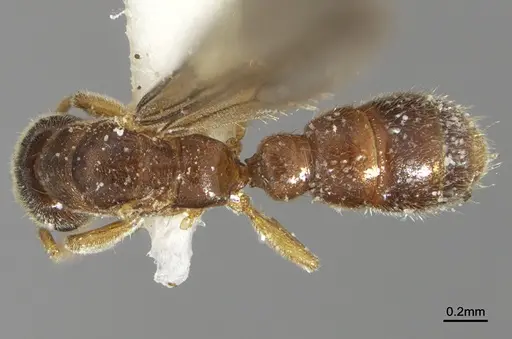
Literature
Loading distribution map...Loading products...