
Prionopelta descarpentriesi
- Sci. Name
- Prionopelta descarpentriesi
- Tribe
- Amblyoponini
- Subfamily
- Amblyoponinae
- Author
- Santschi, 1924
- Distribution
- Found in 1 countries
Introduction
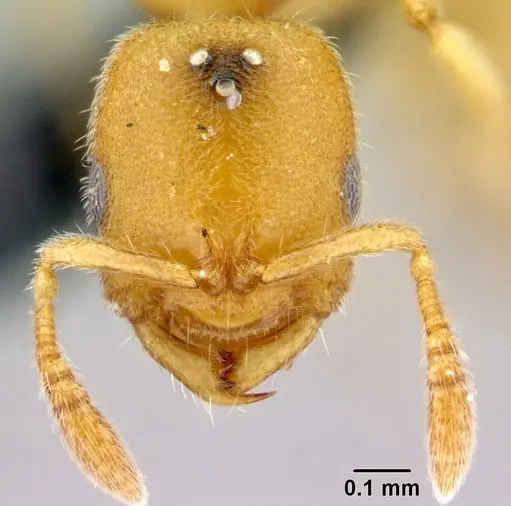
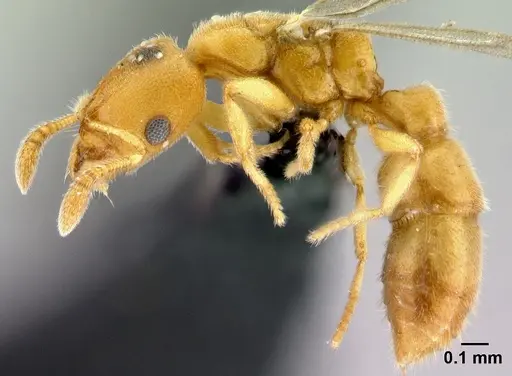
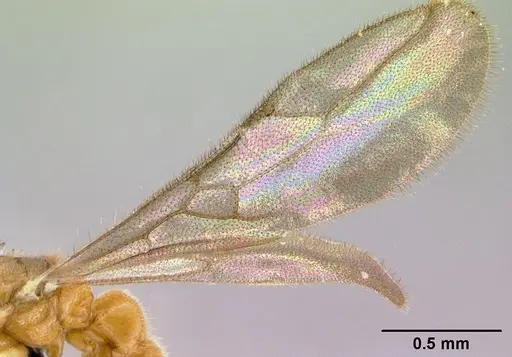
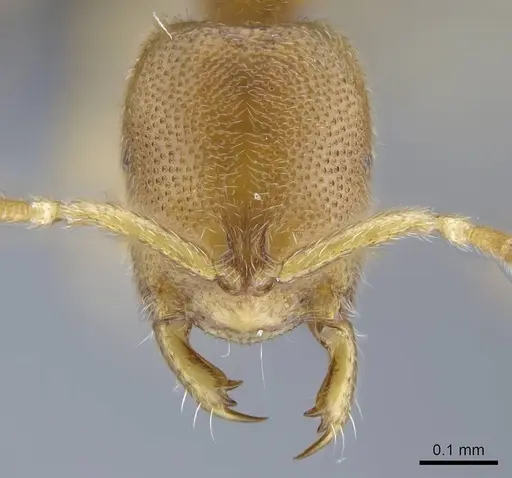
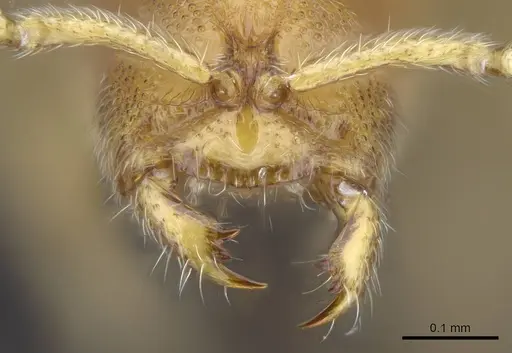
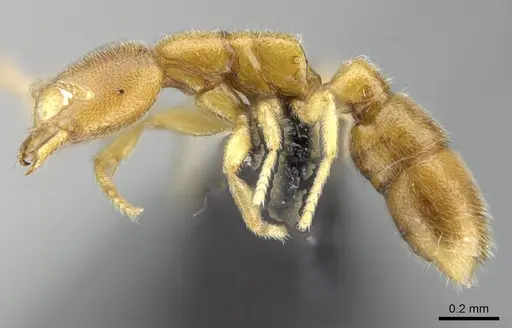
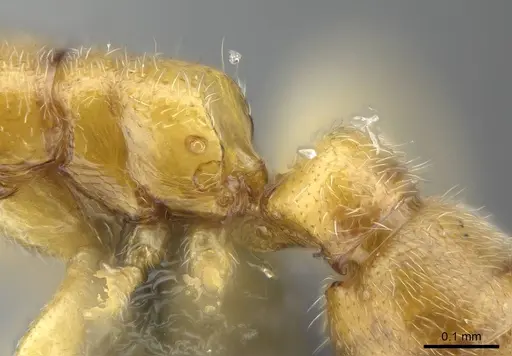
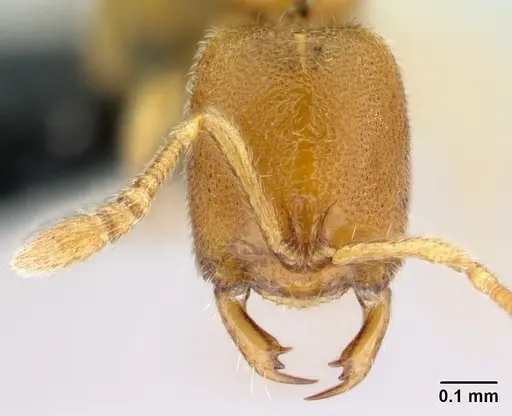
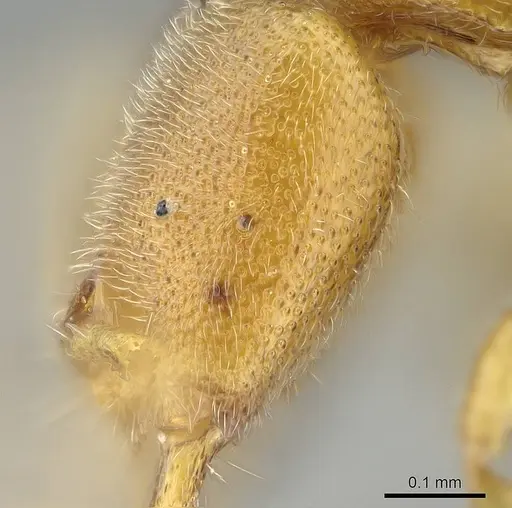
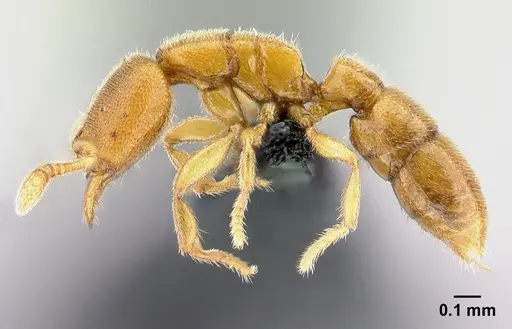
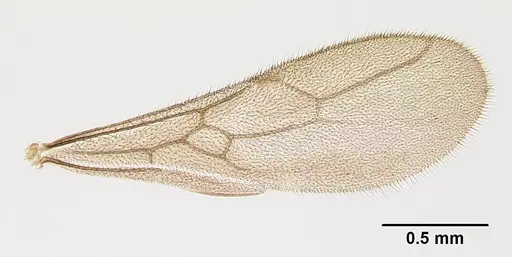
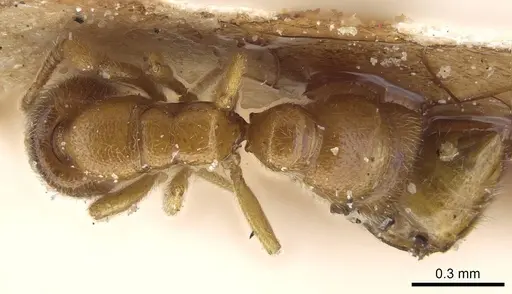
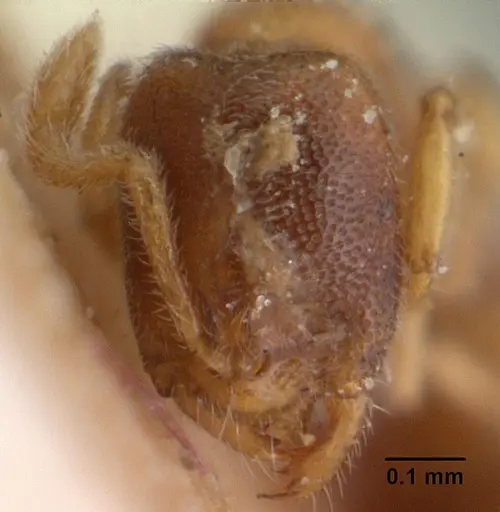
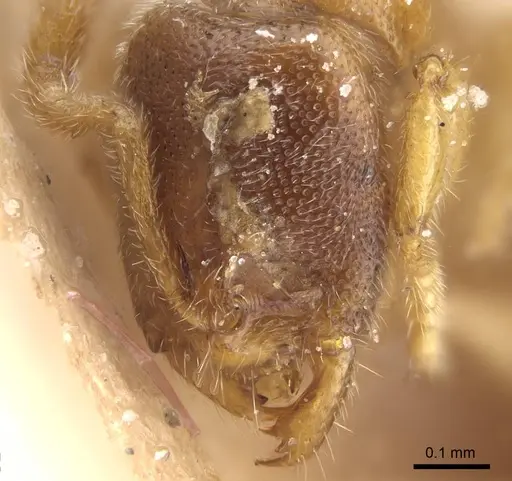
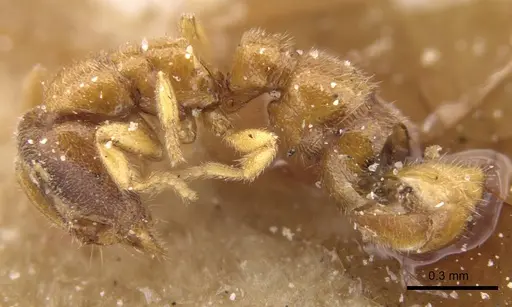
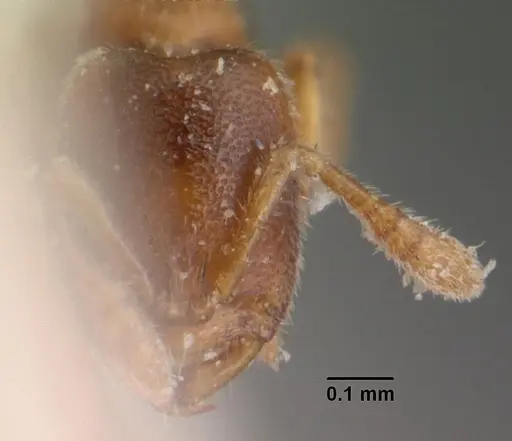
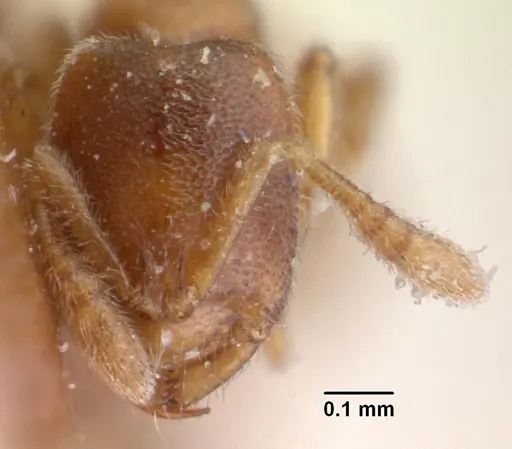
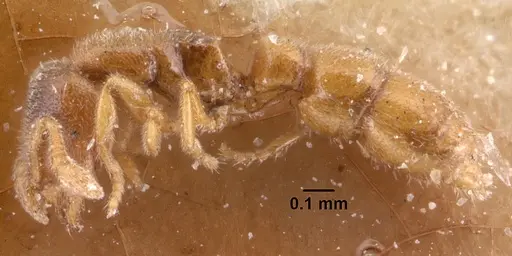
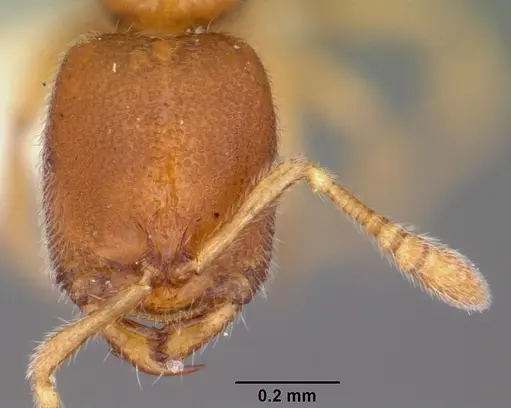
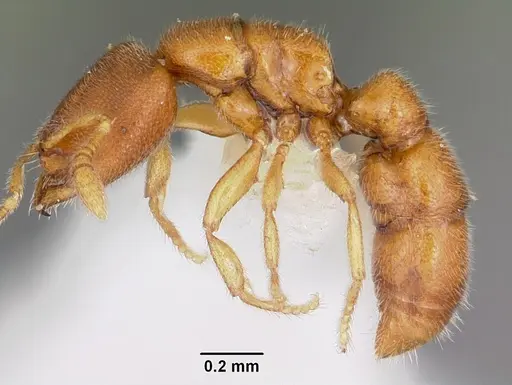
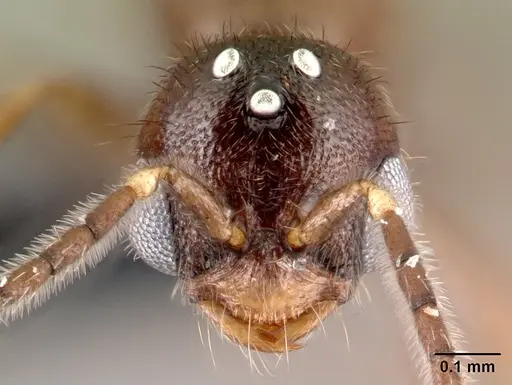
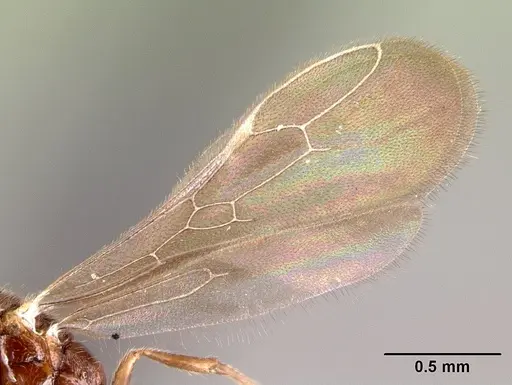
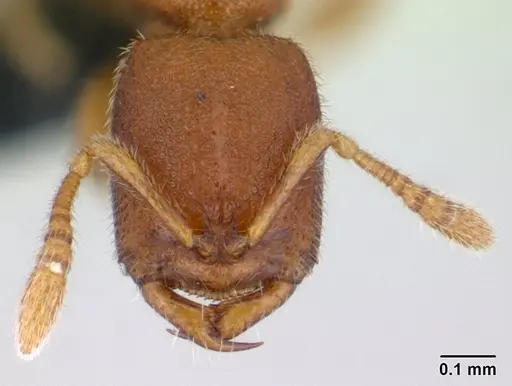
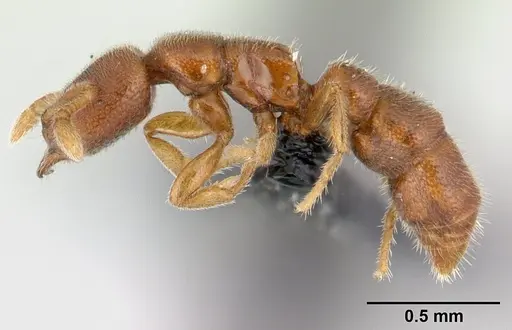
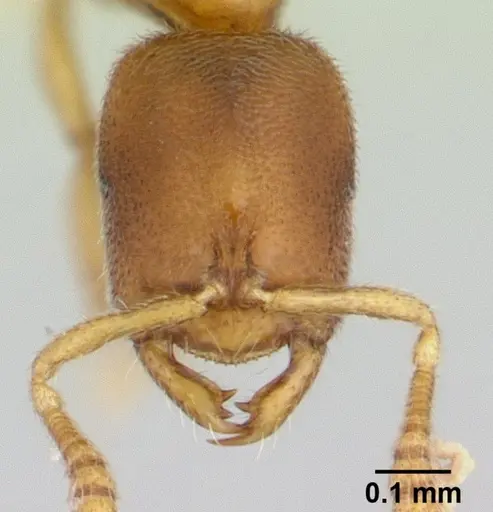
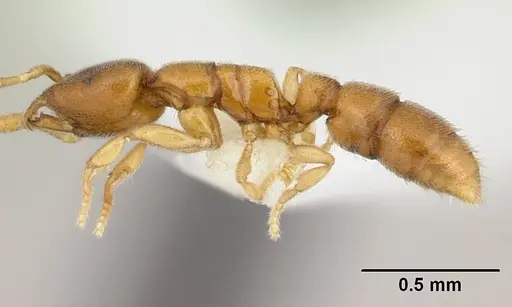
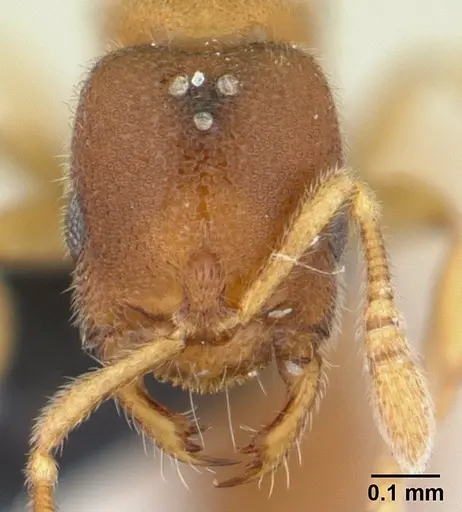
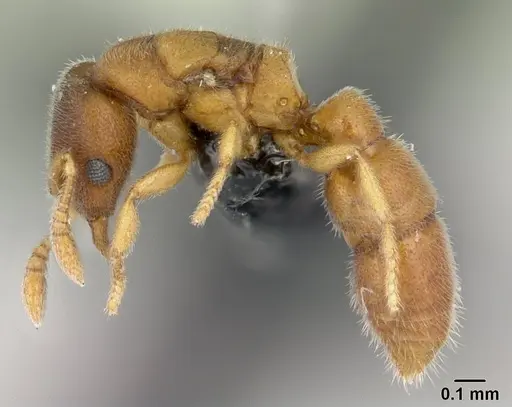
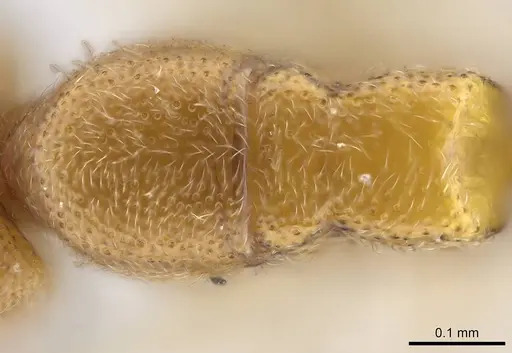
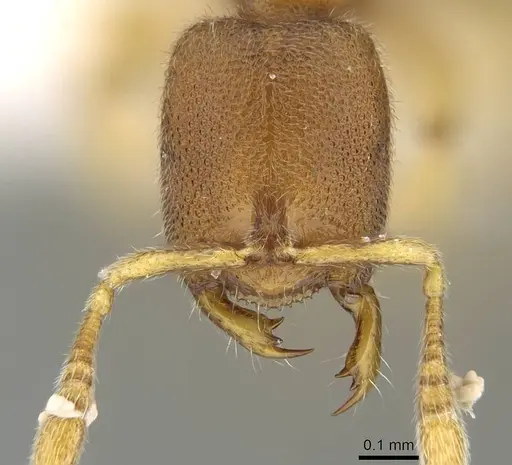
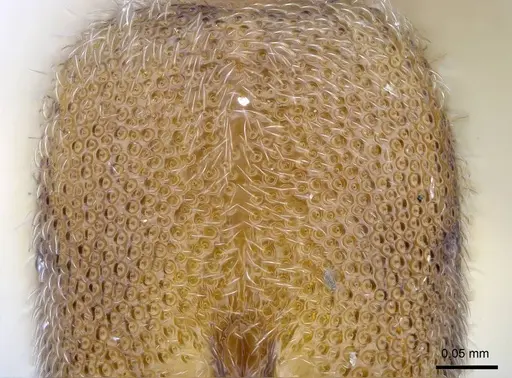
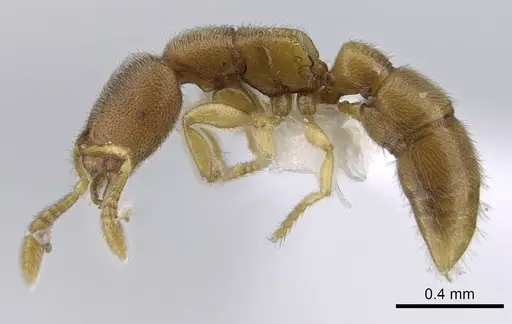
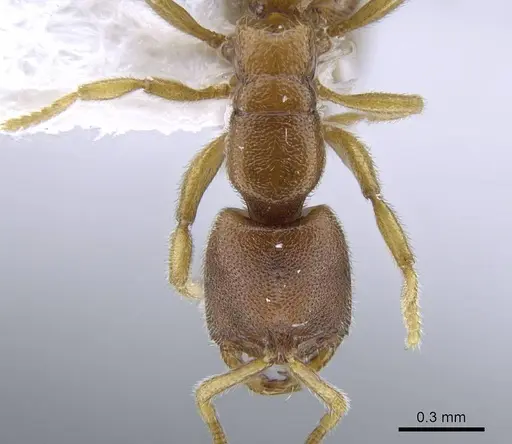
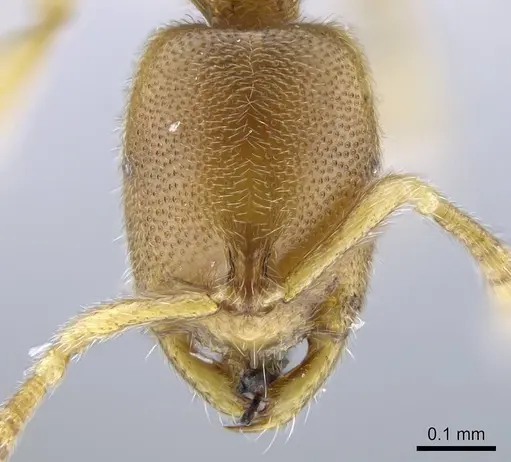
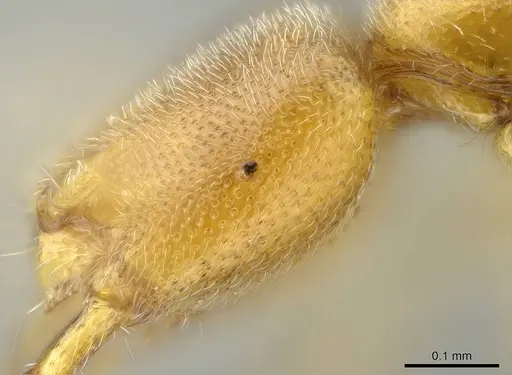
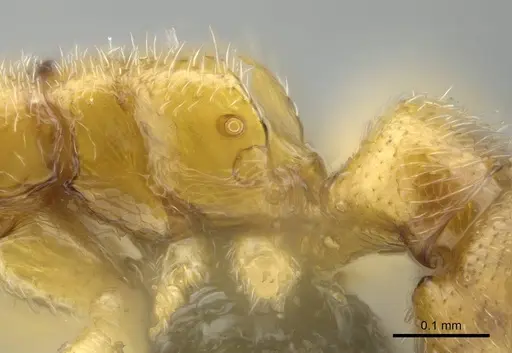
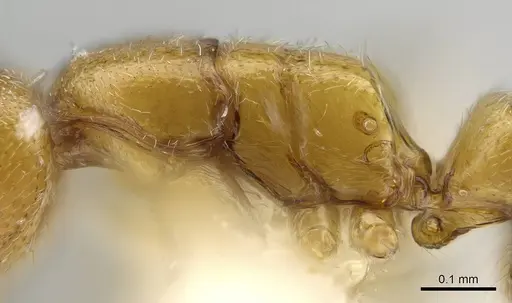
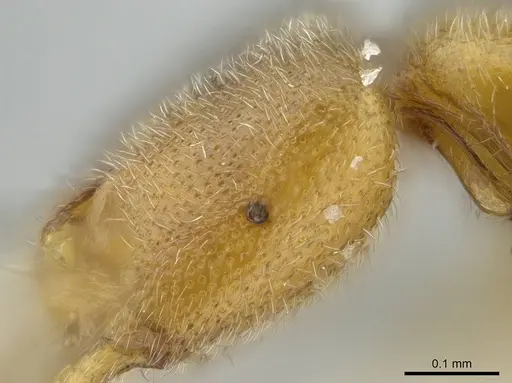
Prionopelta descarpentriesi is a tiny ant species from Madagascar, belonging to the Amblyoponinae subfamily (sting-using predators). Workers are very small - though exact body length hasn't been measured, their head and mesosoma are each just under 0.6mm long, making them some of the smallest ants you'll find . They have twelve antennal segments and a distinctive pitted texture (foveae) on the head. The density of these pits varies: some ants have widely spaced pits with shiny areas between, while others have dense pits covering the whole head. In fact, three different morphotypes (forms) exist across the island, and the species may actually be a group of closely related species instead of one . Their eyes are tiny - just dark, flat patches that are almost flush with the head surface . These ants live in Madagascar's forests, from lowland rainforest up to high-elevation montane forest (10 to 1860 meters), and even in drier forests like Uapaca woodland and tropical dry forest . They nest in leaf litter, under moss, rocks, and logs, inside rotten logs, and underground in soil . The name 'Prionopelta' means 'saw shield' and refers to the shape of the abdomen, but for keepers, the most interesting thing is that this species shows huge variation - you might get ants that look very different depending on where in Madagascar they come from.
Quick Summary
- Difficulty: Hard
- Origin & Habitat: Endemic to Madagascar. Found in rainforest, montane rainforest, Uapaca woodland, littoral rainforest, and tropical dry forest from 10-1860m elevation [1][2]
- Colony Type: Colony structure is unconfirmed. Based on related Amblyoponine ants, likely single-queen colonies, but this needs verification.
- Size & Growth:
- Queen: size data unavailable, the queen has not been described in available literature. Inferred from worker proportions to be slightly larger, but exact size unknown.
- Worker: size data unavailable, head length 0.42-0.53mm and mesosoma length 0.46-0.60mm, indicating a very small ant (estimated total length ~1.5-2.5mm) [1]
- Colony: Unknown, inferred from typical Amblyoponinae patterns, probably small colonies of dozens to low hundreds of workers.
- Growth: Unknown, estimated moderate based on related genus patterns.
- Development: Unconfirmed, no direct measurements. Based on typical Amblyoponinae, estimate 6-10 weeks at optimal temperature. (Development timeline has not been studied for this species. Estimates are rough and should be treated as a guess.)
- Antkeeping:
- Temperature: Keep at 22-26°C. This species is from tropical Madagascar with moderate elevation range, so aim for warm, stable conditions. A heating cable on one side creates a gradient for the ants to choose their preferred temperature. Avoid extremes above 30°C or below 18°C.
- Humidity: High humidity is essential, think damp rainforest floor. Keep the nest substrate consistently moist but not waterlogged. Provide a water tube for drinking. Mist occasionally but watch for mold. Good ventilation is needed to prevent mold while keeping humidity high [1].
- Diapause: Unknown. This species comes from tropical Madagascar with mild winters, so a true diapause is likely unnecessary. Maintain stable conditions year-round. If you want to simulate a cooler season, reduce temperature slightly to 18-20°C for 2-3 months, but this is not proven to be beneficial.
- Nesting: In nature they nest in leaf litter, under rocks and logs, inside rotten logs, and underground [1]. For captivity, a naturalistic setup with moist substrate (dirt-filled formicarium or Y-tong nest with soil) works well. They prefer tight, humid chambers. Test tubes can work if kept constantly moist. Avoid dry, airy setups.
- Behavior: Prionopelta descarpentriesi are small, cryptic, leaf-litter ants. They are predators (like other Amblyoponinae) and likely hunt small arthropods. Their tiny size means escape prevention is critical, they can squeeze through the tiniest gaps. Use fine mesh (0.5mm or smaller) and tight-fitting lids. They are not aggressive and will probably flee rather than fight. Activity level is moderate, they forage near the nest rather than forming long trails. They use a sting to subdue prey, but it is harmless to humans.
- Common Issues: escape prevention is critical due to their very small size, even pinhole-sized gaps can be an escape route, high humidity requirements can lead to mold problems if ventilation is poor, slow growth and unknown development timeline makes colony establishment uncertain for beginners, difficulty finding appropriately small live prey (springtails, fruit fly larvae, mites) for feeding, the species may actually be a species complex, meaning captive colonies from different regions might have different needs
Housing and Nest Setup
To keep Prionopelta descarpentriesi, you need a setup that mimics the damp leaf litter of Madagascar's forests. A naturalistic formicarium with moist soil or a Y-tong nest filled with soil works well. The chambers should be small, these ants are tiny and prefer tight, humid spaces. Keep the nest substrate consistently moist but not flooded. Attach a water tube for drinking. Because they are so small, escape prevention must be excellent: use fine mesh (0.5mm or smaller) on all openings and make sure lids fit tightly. Place the nest in a dim area, as forest-floor ants like low light [1].
Feeding and Diet
Like other Amblyoponinae, Prionopelta descarpentriesi are predators that hunt small arthropods in the leaf litter. Offer tiny live prey such as springtails, small mites, and fruit fly larvae. They cannot handle larger insects, so prey must be very small, microscopic to pinhead size. Provide protein 2-3 times per week. Sugar sources like honey water or sugar water on a cotton ball may be accepted occasionally, but protein should be the main food. Remove uneaten prey after 24-48 hours to prevent mold. For a small colony, even one fruit fly is a substantial meal.
Temperature and Seasonal Care
Keep temperatures between 22-26°C. This species comes from tropical Madagascar, but with elevations up to 1860m, it can tolerate a slightly cooler range than lowland tropical ants. Use a heating cable on one side of the nest to create a gradient so the ants can choose their preferred temperature. During cooler months, you can reduce to around 18-20°C, but a full hibernation is likely not needed. Monitor activity: if workers become sluggish, increase temperature slightly. Avoid keeping them above 30°C or below 18°C for long periods [1].
Colony Establishment
Starting a colony of Prionopelta descarpentriesi is challenging. If you get a wild-caught queen, put her in a small test-tube setup with moist cotton, kept dark and undisturbed. Keep the chamber small and humid. If the species is semi-claustral (typical for Amblyoponinae but unconfirmed for this species), the queen may need to leave to hunt for food during founding, you'll need to provide tiny prey items. Growth is likely slow, and you'll need patience, it may take many months for the first workers to appear. Wild-caught colonies might carry parasites that cause failure, so quarantine new colonies carefully before adding them to your collection.
Understanding Their Morphological Variation
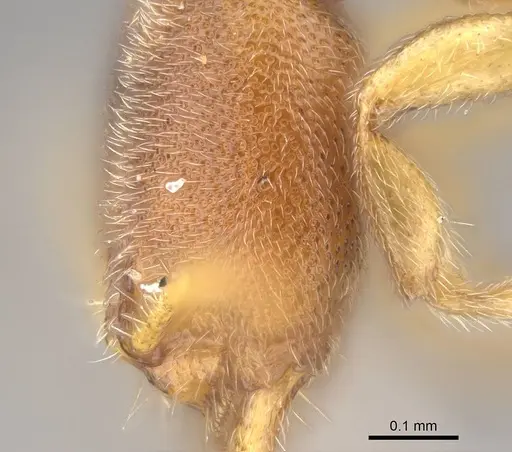
Prionopelta descarpentriesi shows remarkable variation in head sculpture across its range. Three morphotypes exist. Morphotype A has widely spaced pits (foveae) on the head with shiny integument between them. Morphotype B is intermediate with denser pits. Morphotype C has very dense, large pits covering the whole head with raised jagged ridges between them, this type is only found along the eastern and northern coasts of Madagascar. The variation is so large that this species may actually be a complex of multiple species [1]. If you have wild-caught ants, you may see these differences. At some locations, different morphotypes live together without interbreeding, which suggests they could be separate species.
Frequently Asked Questions
How long does it take for Prionopelta descarpentriesi to produce first workers?
The exact timeline is unknown. Based on typical Amblyoponinae patterns, expect 6-10 weeks from egg to worker, but this is unconfirmed for this species. Be patient.
What do Prionopelta descarpentriesi eat?
They are predatory and need tiny live prey like springtails, small mites, and fruit fly larvae. Sugar water or honey may be accepted occasionally, but protein is the main food.
Are Prionopelta descarpentriesi good for beginners?
No, they are not recommended for beginners. Their tiny size makes housing and monitoring difficult, escape risk is high, humidity needs are strict, and development is slow and unstudied.
Do Prionopelta descarpentriesi sting?
They have a sting, like all Amblyoponinae, but it is too weak to penetrate human skin. They are harmless to people.
What temperature do Prionopelta descarpentriesi need?
Keep them at 22-26°C. Use a heating cable to create a gradient. Avoid temperatures above 30°C or below 18°C [1].
What humidity level do Prionopelta descarpentriesi need?
High humidity is essential, keep the nest substrate consistently moist but not waterlogged. They come from damp leaf litter, so replicate that environment. Provide a water tube [1].
Can I keep multiple Prionopelta descarpentriesi queens together?
Colony structure is unconfirmed. Combining unrelated queens has not been studied and is not recommended. Most Amblyoponinae are likely monogyne (single-queen).
How big do Prionopelta descarpentriesi colonies get?
Unknown, but likely small, probably dozens to a few hundred workers based on typical Amblyoponinae patterns.
What type of nest should I use for Prionopelta descarpentriesi?
A naturalistic setup with moist soil or Y-tong nest filled with soil works well. They prefer tight, humid chambers. Test tubes can work if kept moist. Avoid dry, airy setups.
Why are my Prionopelta descarpentriesi escaping?
They are extremely small and can slip through tiny gaps. Use fine mesh (0.5mm or smaller) on all openings, ensure lids fit tightly, and check tubing connections. Escape prevention must be excellent.
Do Prionopelta descarpentriesi need hibernation?
Diapause requirements are unknown. They come from tropical Madagascar with mild winters, so a true hibernation is likely not needed. A slight temperature drop to 18-20°C for 2-3 months may be tried, but is not proven beneficial.
Is Prionopelta descarpentriesi invasive?
No, this species is endemic to Madagascar and has no known invasive populations. Never release it outside its native range.
Report an Issue
The current care sheet is based fully on literature. See inconsistencies, or something that's incorrect? Please , it will be resolved after review from an admin. Contributing to the blogs tab also helps providing information, to make us be able to further improve the caresheets. Thank you for your support!
References

This caresheet is licensed under CC BY-SA 4.0 .
Community Blogs
CASENT0029599
View on AntWeb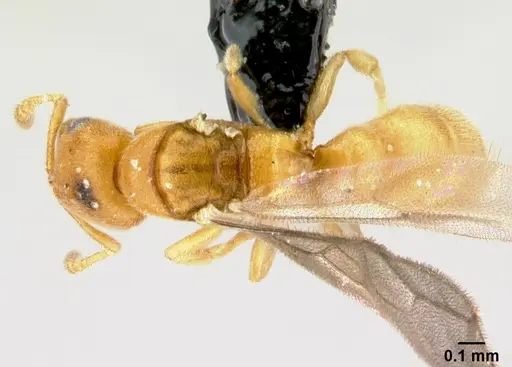
CASENT0034837
View on AntWeb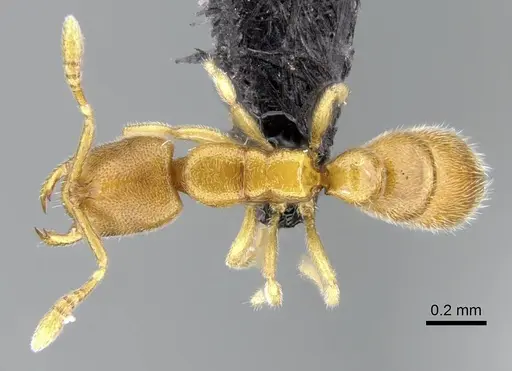
CASENT0034961
View on AntWeb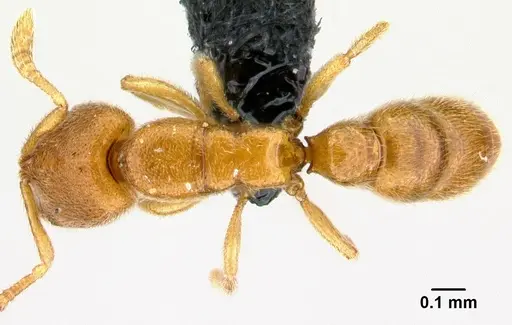
CASENT0042668
View on AntWeb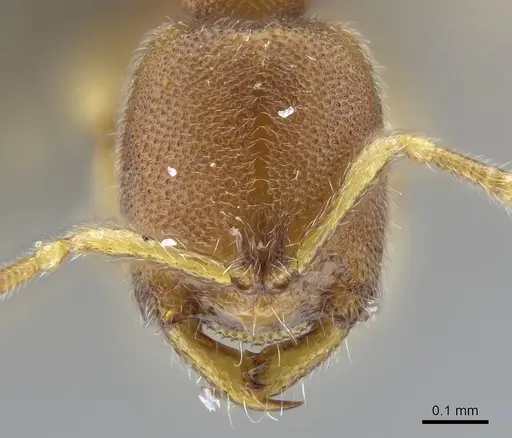
CASENT0081411
View on AntWeb
CASENT0101547
View on AntWeb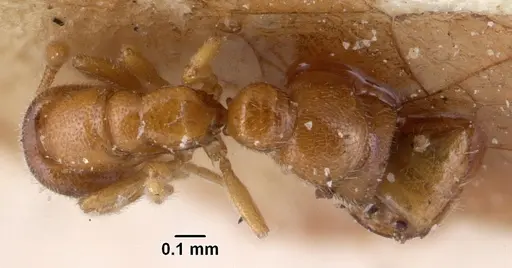
CASENT0101548
View on AntWeb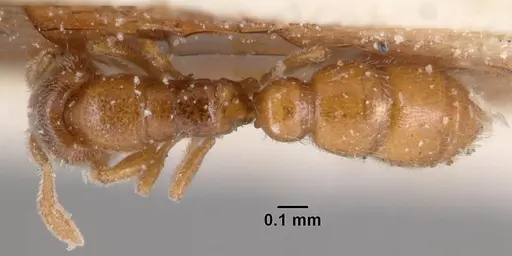
CASENT0102998
View on AntWeb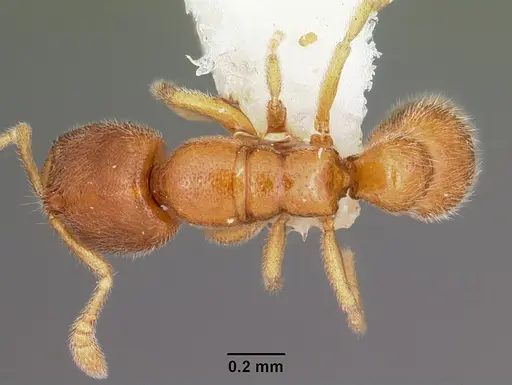
CASENT0109802
View on AntWeb
CASENT0141726
View on AntWeb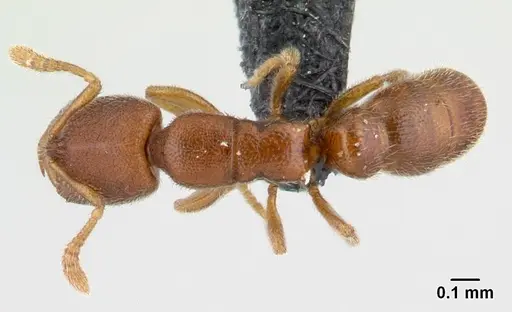
CASENT0168970
View on AntWeb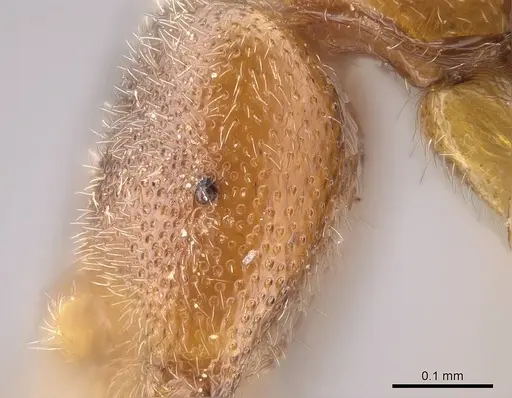
CASENT0191886
View on AntWeb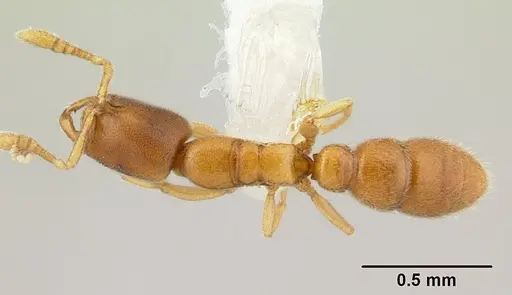
CASENT0191894
View on AntWeb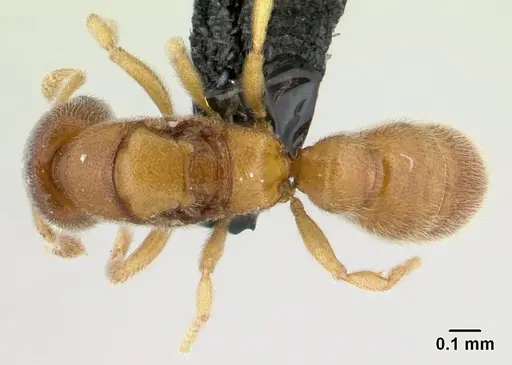
CASENT0191895
View on AntWeb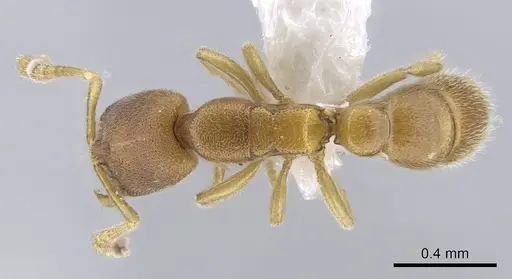
CASENT0248669
View on AntWeb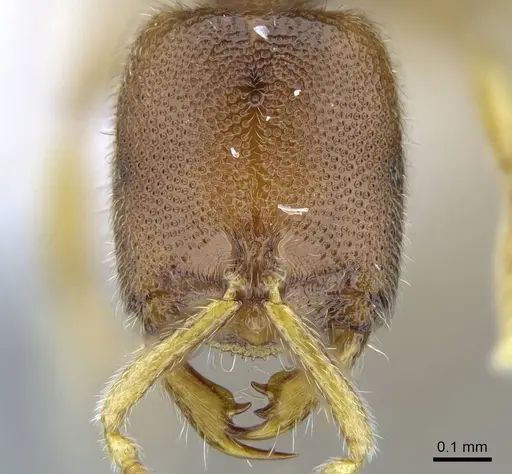
CASENT0248670
View on AntWeb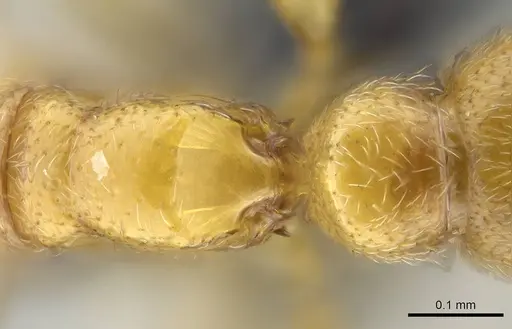
CASENT0248671
View on AntWeb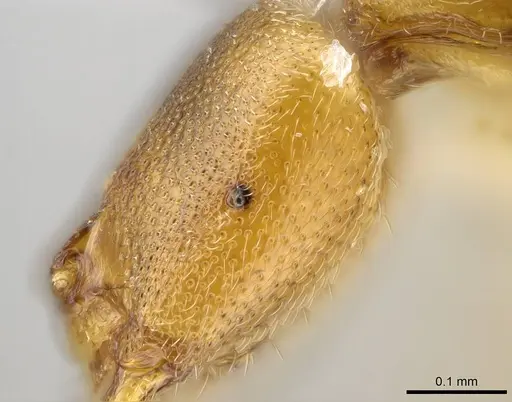
CASENT0416590
View on AntWeb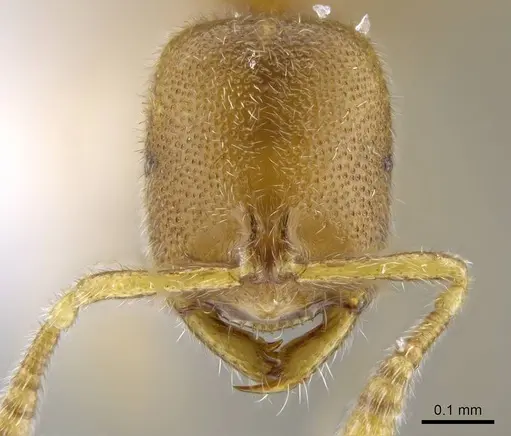
CASENT0416644
View on AntWeb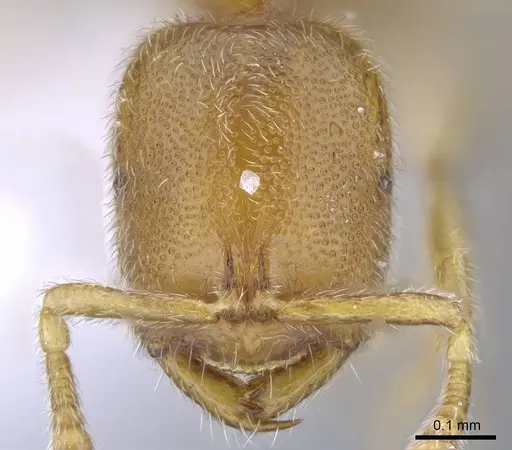
CASENT0480792
View on AntWeb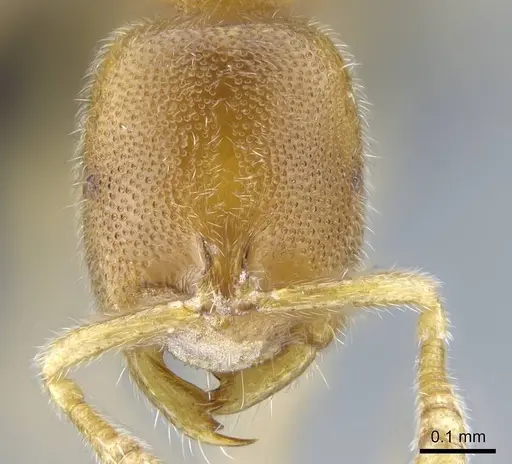
Literature
Loading distribution map...Loading products...