
Prionopelta concenta
- Sci. Name
- Prionopelta concenta
- Tribe
- Amblyoponini
- Subfamily
- Amblyoponinae
- Author
- Brown, 1974
- Distribution
- Found in 1 countries
Introduction
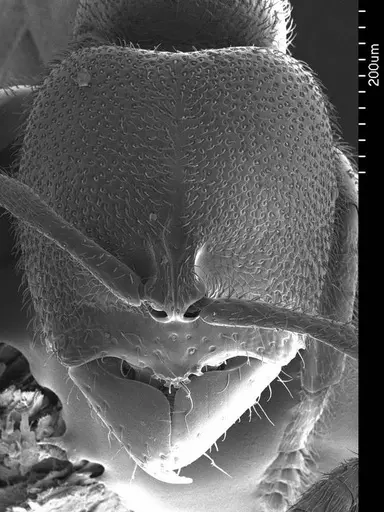
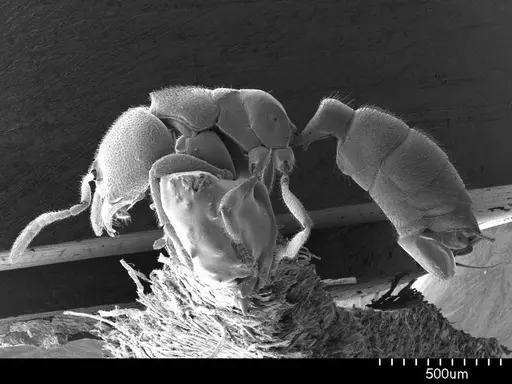
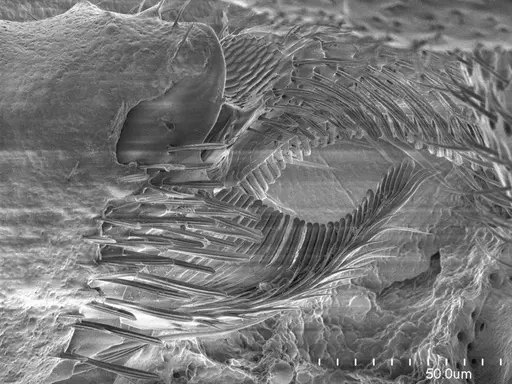
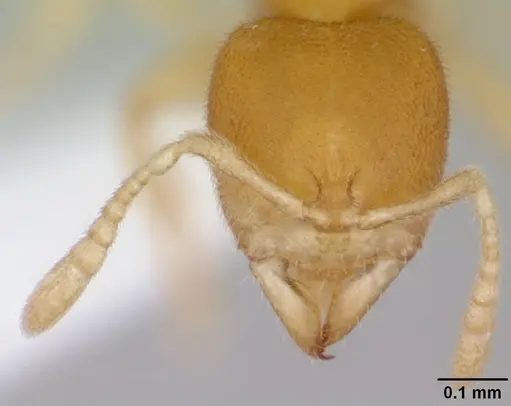
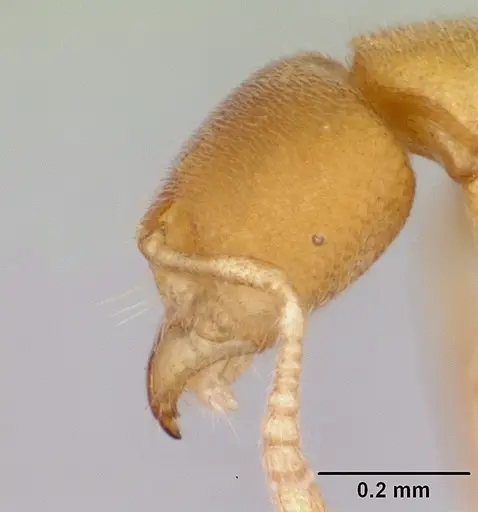
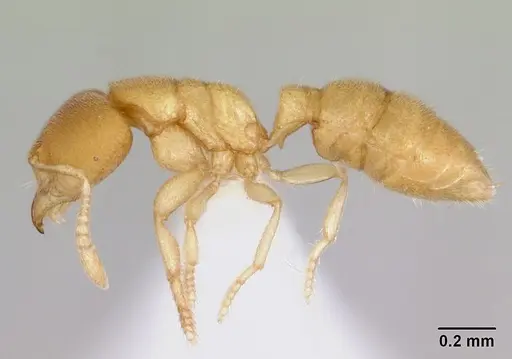
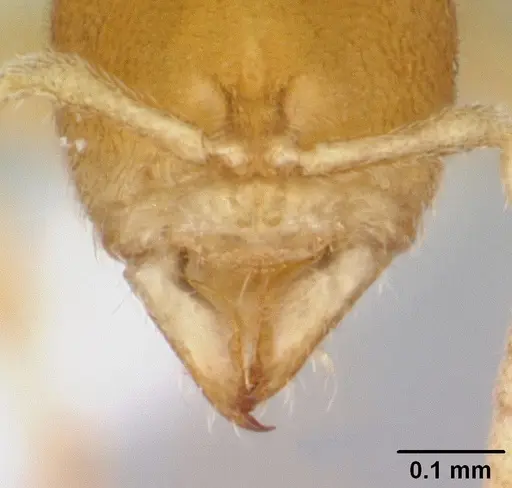
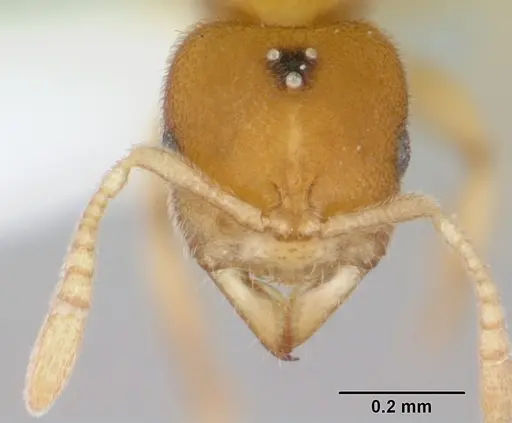
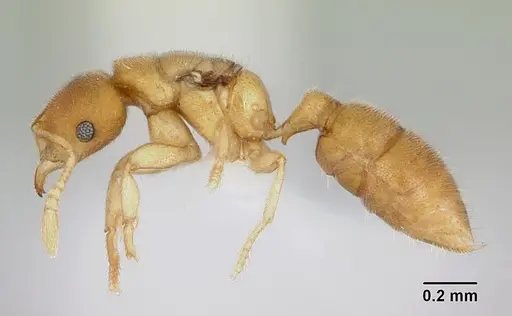
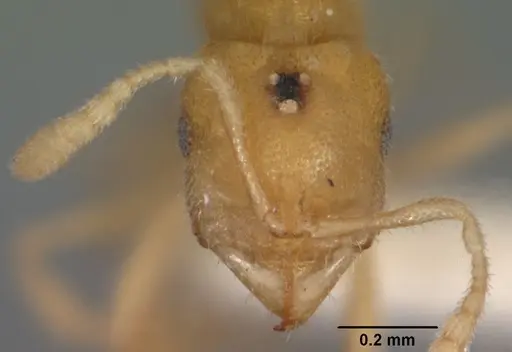
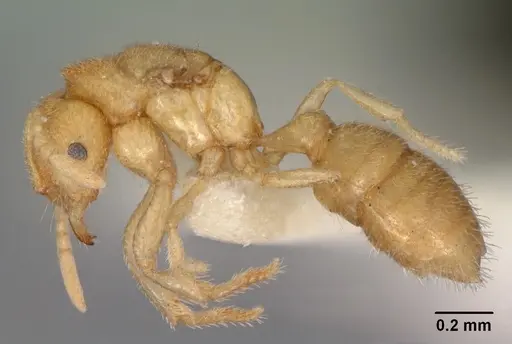
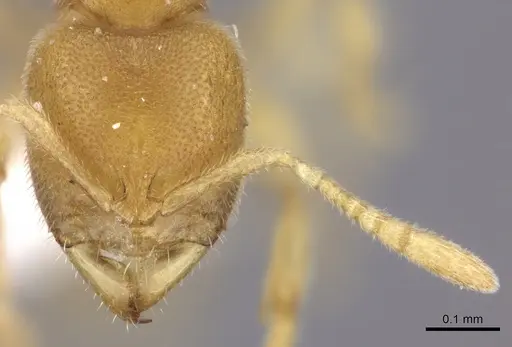
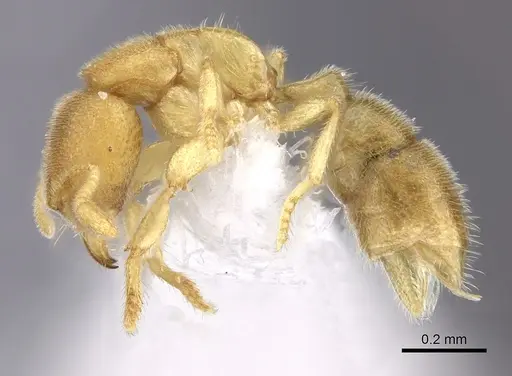
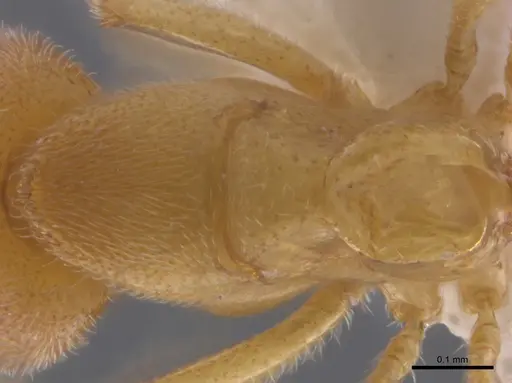
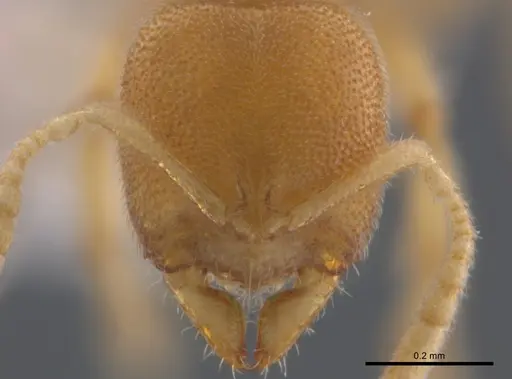
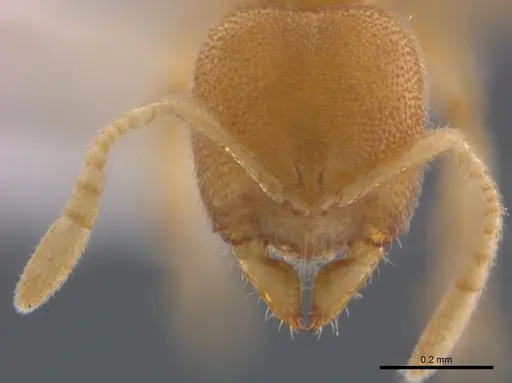
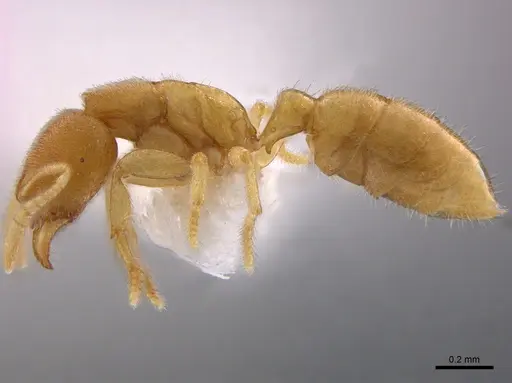
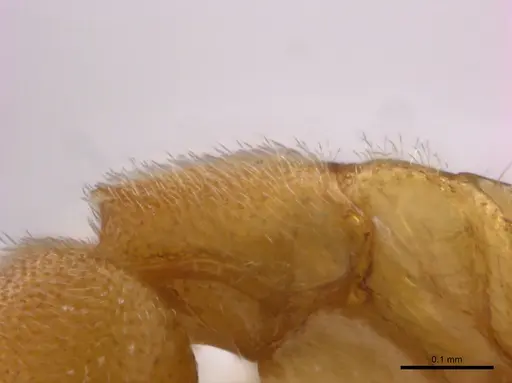
Prionopelta concenta is a tiny ant measuring 2.1-2.2 mm for workers and 2.3 mm for queens . Originally described as Concoctio concenta, it was later moved to Prionopelta based on genetic data . It has 9-segmented antennae, a strongly constricted trunk, and spurless legs . Workers are uniformly light yellow . Found in Gabon, Cameroon, and Zanzibar Island, Tanzania, in forest soil and leaf litter . As an Amblyoponinae (Dracula ant), it uses a sting to subdue prey.
Quick Summary
- Difficulty: Unknown, too little data for assessment
- Origin & Habitat: West Africa (Gabon, Cameroon) and Zanzibar Island, Tanzania. Found in forest habitats in soil under clove trees, sifted leaf litter and rotting wood, and soil-and-litter samples [1].
- Colony Type: Unknown colony structure, only workers and dealate queens have been described, with no data on whether colonies have single or multiple queens [1]. Males remain unknown [1].
- Size & Growth:
- Queen: 2.3 mm [1]
- Worker: 2.1-2.2 mm [1]
- Colony: Unknown, no colony size data available [1]
- Growth: Unknown
- Development: Unknown, no development data exists for this species (Development timeline has not been studied. Related Amblyoponinae species typically develop in 6-10 weeks at warm temperatures, but this is an estimate.)
Species Background and Taxonomy
Prionopelta concenta has an interesting taxonomic history. It was originally described as Prionopelta concenta by Brown (1974) based on workers and a queen from Gabon and Zanzibar [1]. The species name refers to its mix of characteristics from different ant genera [1]. Unique features include 9-segmented antennae, a strongly constricted trunk, spurless middle and hind legs [1], stout peglike setae on the pronotal disc [4][5], and a triangular mesonotum [4][5]. In 2016,phylogenetic analysis revealed that Concoctio nests within Prionopelta, leading to its transfer to Prionopelta concenta [2][3]. Molecular studies confirm its sister-group relationship with other Prionopelta species [6].
Natural History and Habitat
This species is known from a limited number of specimens. The holotype was collected from a soil-and-litter berlesate in forest on the Plateau d'Ipassa, Makokou, Gabon [1]. Additional specimens, including paratype workers and a queen, were found in soil under a clove tree on Zanzibar Island, Tanzania [1]. The species also occurs in Cameroon [1]. Specimens from Gabon have been used in phylogenetic studies [7]. These records indicate a preference for damp forest floor microhabitats, such as soil, leaf litter, and rotting wood [1]. The Afrotropical forest environment suggests warm, humid conditions.
Feeding and Diet
Based on its morphology and placement in Amblyoponinae, Brown (1974) speculated that this ant is a predator of forest-floor microarthropods [1]. No specific prey items have been documented. In captivity, you would likely need to offer small live prey such as springtails, tiny isopods, or fruit fly larvae. Sugar sources are unlikely to be accepted, as Amblyoponinae are not typical honeydew feeders. Start with small live prey and observe acceptance.
Keeping This Species in Captivity
This species has never been documented in captivity. There is no established care guide, making any husbandry advice experimental. Based on its natural history, you would need a small enclosure with damp substrate (soil or soil-like mix), small chambers scaled to its 2 mm size, and small live prey. Temperature around 24-26°C and high humidity are appropriate for a West African forest species [1]. Since founding behavior is unknown, starting with a colony fragment (queen plus workers) is safer than a lone queen. Careful observation and documentation of any captive colony would be valuable for science.
Related Species and Comparison
Prionopelta is a genus of small, cryptic ants mainly in Afrotropical and Australasian regions. Most are ground-nesting predators. Prionopelta concenta is unusual within its genus for having 9-segmented antennae (most Prionopelta have 11-12) and a distinctive body shape that resembles Typhlomyrmex [1]. Its unique combination of features, including spurless legs and a constricted trunk, initially warranted its own genus, but genetic analysis revealed its true relationships [2].
Frequently Asked Questions
How do I keep Prionopelta concenta ants?
This species has never been documented in captivity, so there is no established care guide. Based on its natural history (forest floor, soil-dwelling, likely predatory), you would need a small setup with damp substrate, small chambers, and small live prey. Temperature around 24-26°C is appropriate for a West African species [1]. Document your results carefully as this would be pioneering work.
What does Prionopelta concenta eat?
No specific diet data exists. Based on its morphology, it is speculated to prey on forest-floor microarthropods [1]. In captivity, you should offer small live prey such as springtails, tiny isopods, or fruit fly larvae. Sugar sources are unlikely to be accepted, these are predatory ants, not honeydew feeders.
How big do Prionopelta concenta colonies get?
Colony size is unknown, no colony size data has been documented in scientific literature. Only a few individual specimens have ever been collected.
Is Prionopelta concenta a good beginner ant?
No, this species is not suitable for beginners. It has never been kept in captivity, there is no care information available, and all aspects of its husbandry would be experimental. Even basic information like founding behavior, temperature preferences, and diet are unknown.
Does Prionopelta concenta need hibernation?
Diapause requirements are unknown. As a West African species from Gabon and Zanzibar, it likely comes from a tropical climate without strong seasonal temperature swings [1].
Can I keep multiple Prionopelta concenta queens together?
We don't know. Colony structure has not been studied, no one has documented whether this species is single-queen (monogyne) or multi-queen (polygyne). Combining unrelated queens is not recommended given the complete lack of information.
How long does it take for Prionopelta concenta eggs to become workers?
Development time is completely unknown. No research has documented egg-to-worker development for this species. Related Amblyoponinae typically take 6-10 weeks, but this is just an estimate.
Where is Prionopelta concenta found?
This species has a very limited distribution in Central Africa. It is known only from Gabon, Cameroon, and Zanzibar Island, Tanzania [1]. Specimens have been collected from soil and leaf litter in forest habitats.
Does Prionopelta concenta sting?
Amblyoponinae have functional stingers used for prey capture. Given their tiny size (2 mm), any sting would be very mild. No specific studies on this species' sting exist.
What makes Prionopelta concenta special?
This species is unique for several reasons: it was originally placed in its own genus (Concoctio) due to its unusual combination of features including 9-segmented antennae, a strongly constricted trunk, and spurless legs [1]. Its name means 'concoction', referring to the mix of characteristics from different ant genera [1]. It is also one of the rarest ant species in captivity, with no documented husbandry history.
Report an Issue
The current care sheet is based fully on literature. See inconsistencies, or something that's incorrect? Please , it will be resolved after review from an admin. Contributing to the blogs tab also helps providing information, to make us be able to further improve the caresheets. Thank you for your support!
References

This caresheet is licensed under CC BY-SA 4.0 .
Community Blogs
ANTWEB1008513
View on AntWeb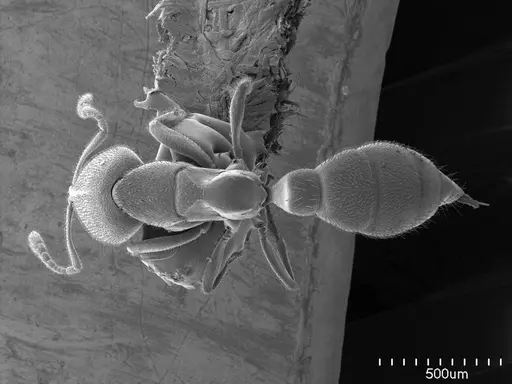
ANTWEB1008603
View on AntWeb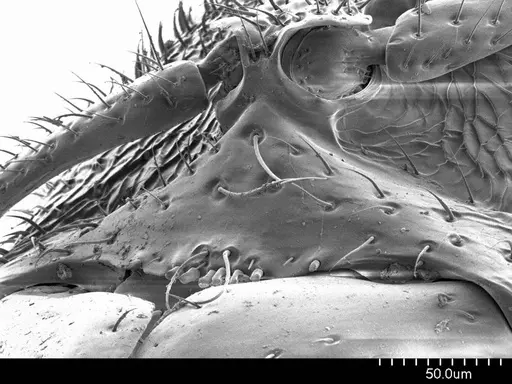
CASENT0004306
View on AntWeb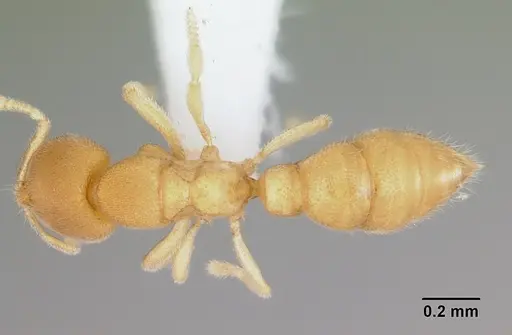
CASENT0004307
View on AntWeb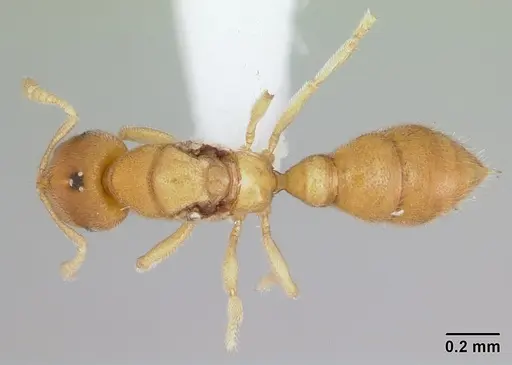
CASENT0102175
View on AntWeb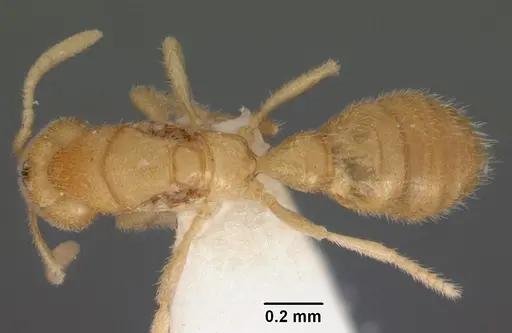
CASENT0235187
View on AntWeb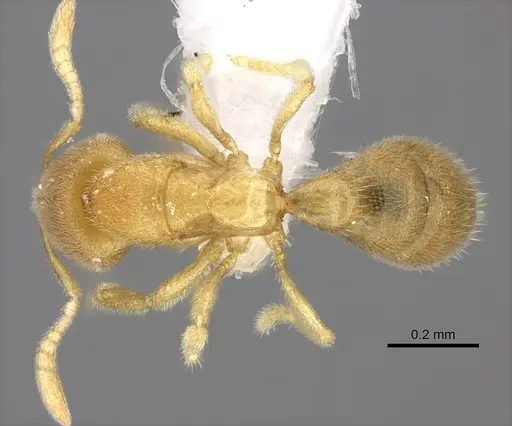
CASENT0746030
View on AntWeb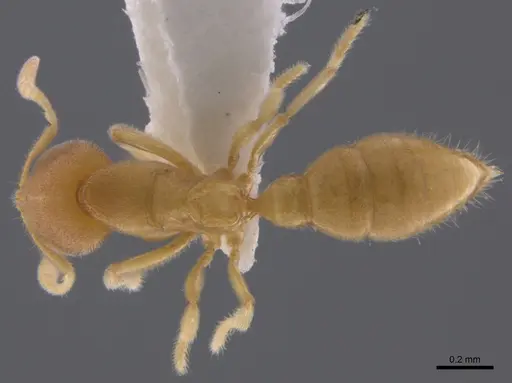
Literature
Loading distribution map...Loading products...