
Prionopelta antillana
- Sci. Name
- Prionopelta antillana
- Tribe
- Amblyoponini
- Subfamily
- Amblyoponinae
- Author
- Forel, 1909
- Distribution
- Found in 15 countries
Introduction
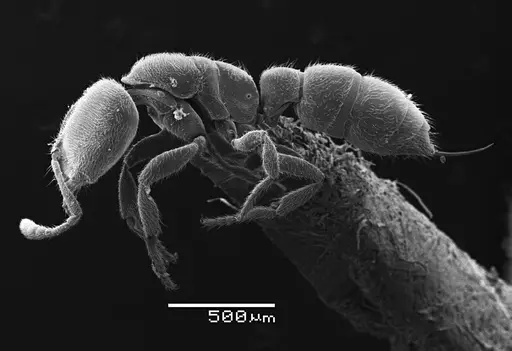
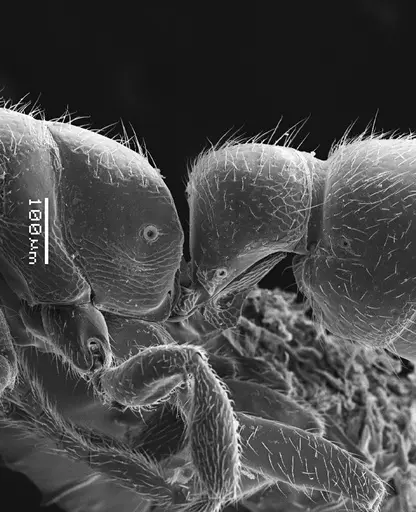
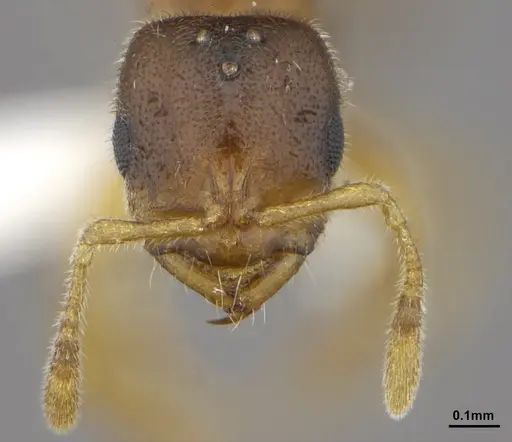
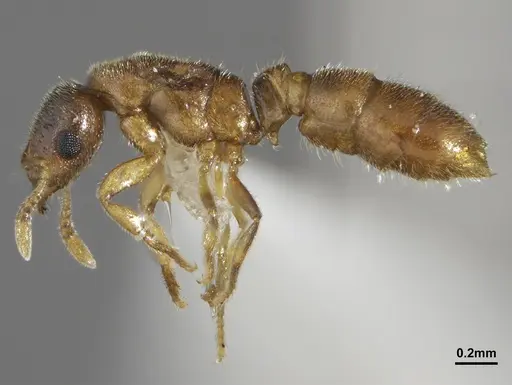
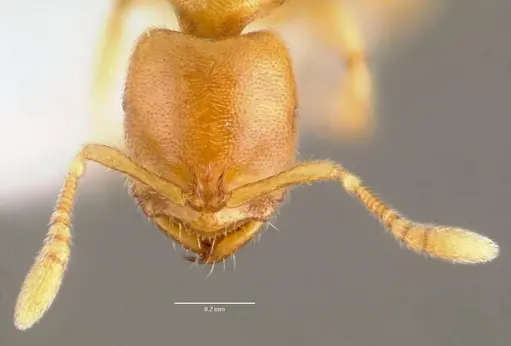
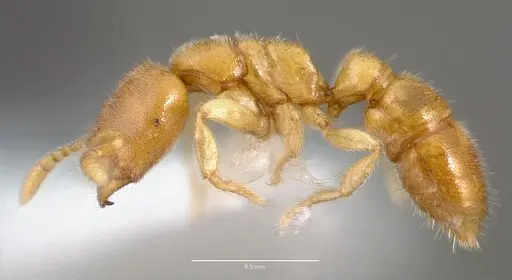
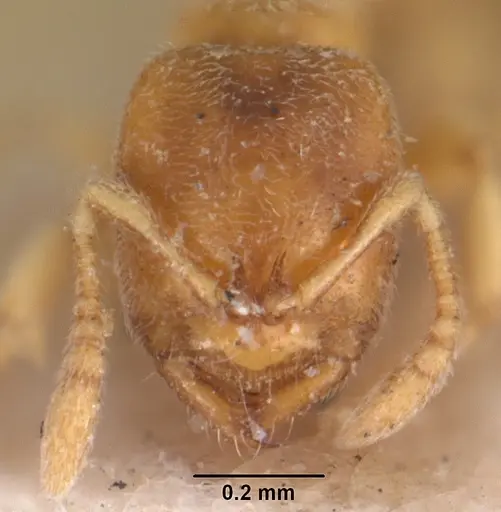
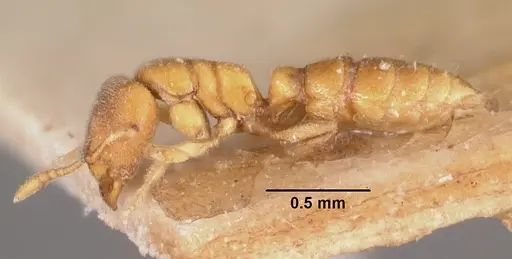
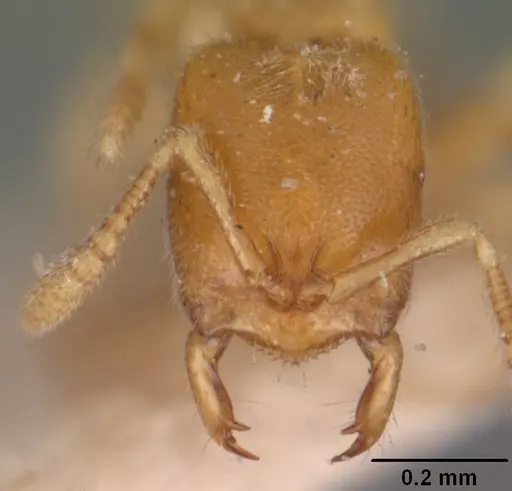
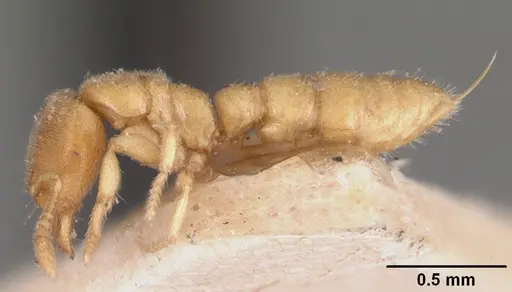
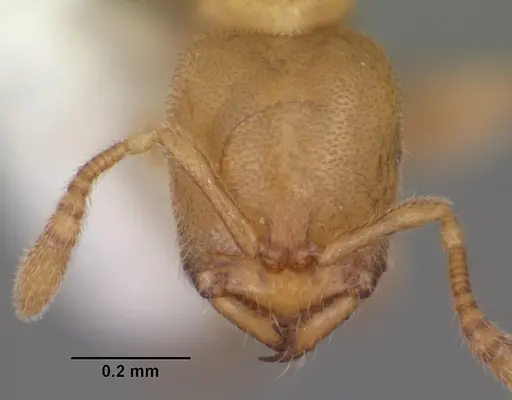
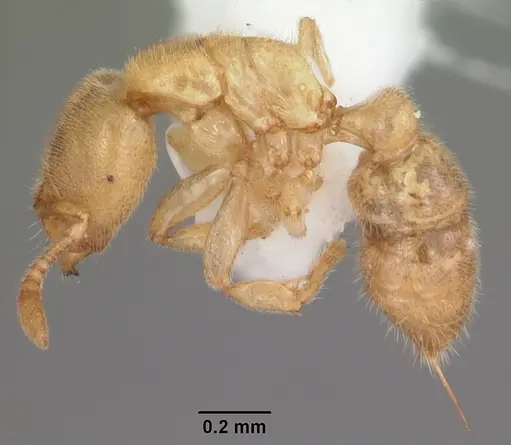
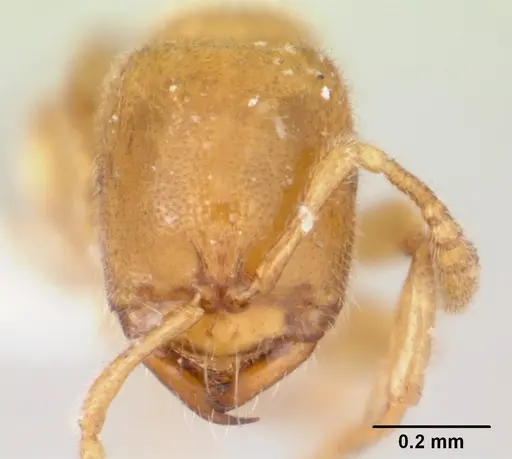
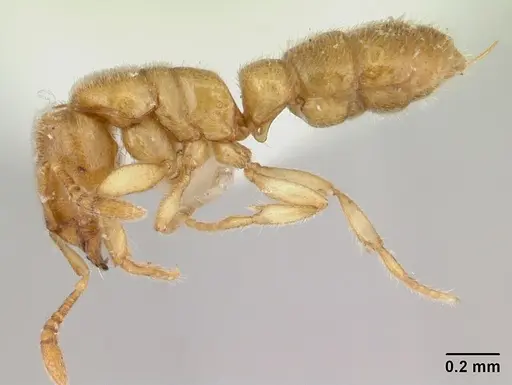
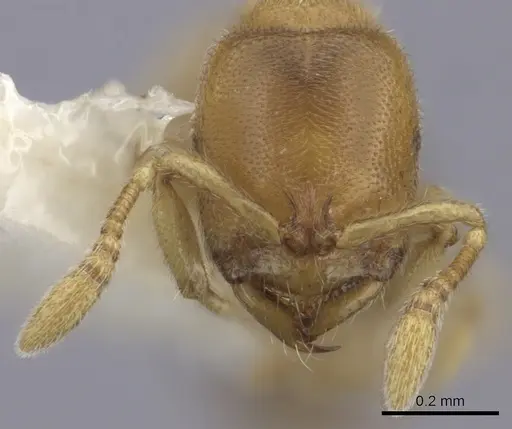
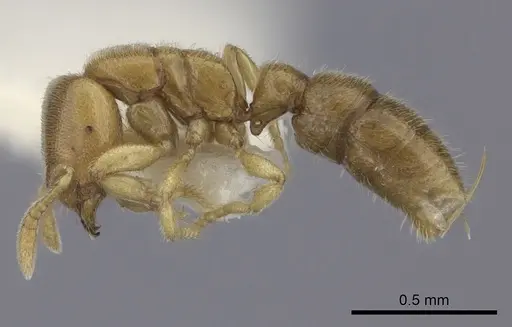
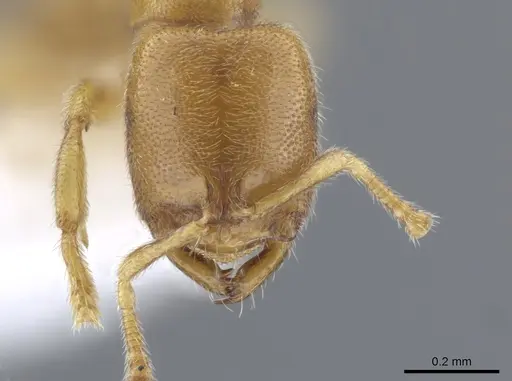
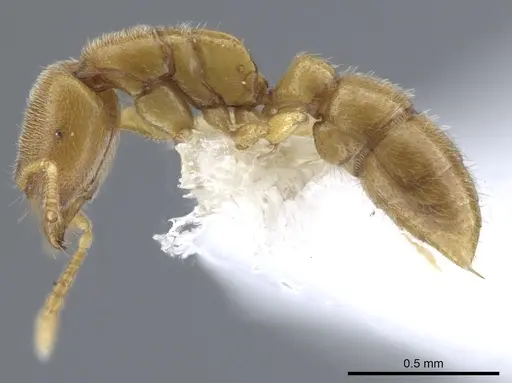
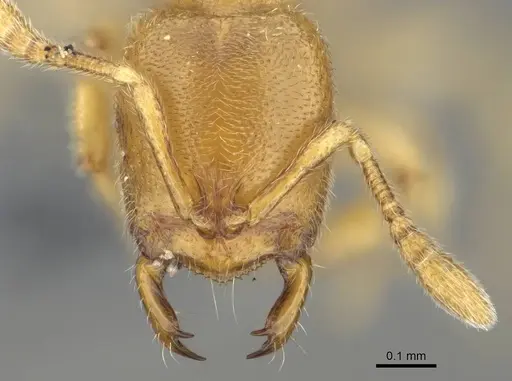
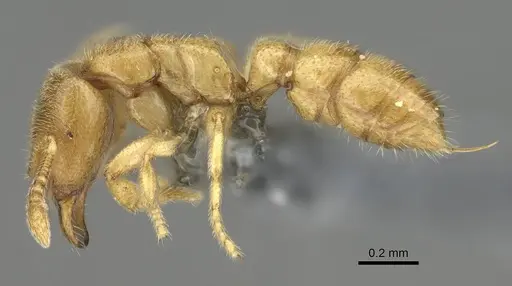
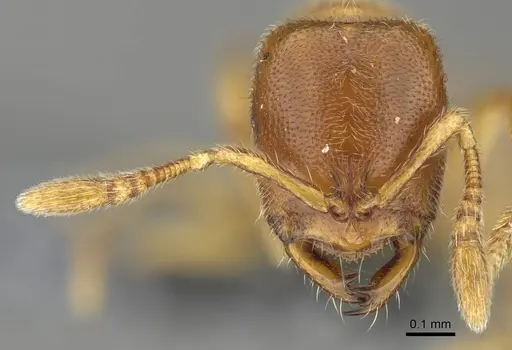
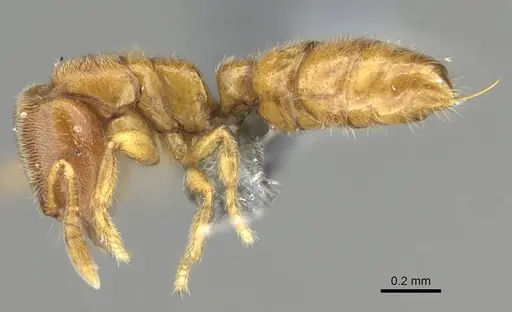
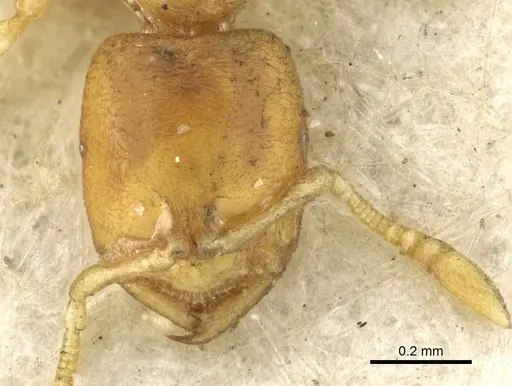
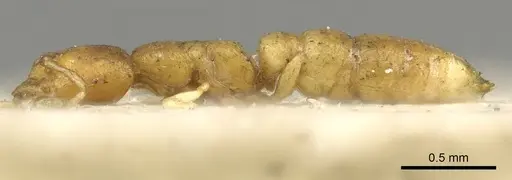
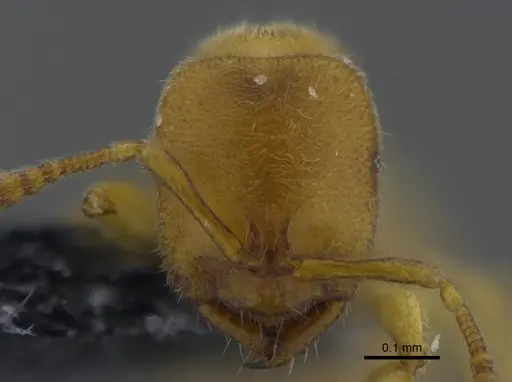
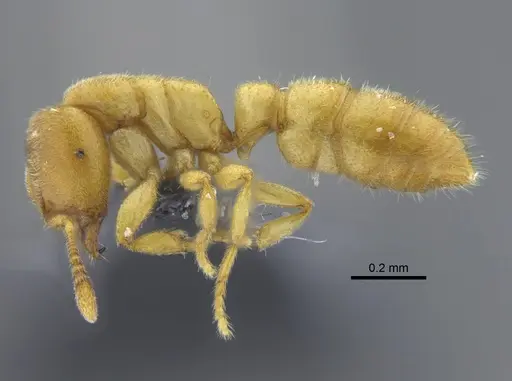
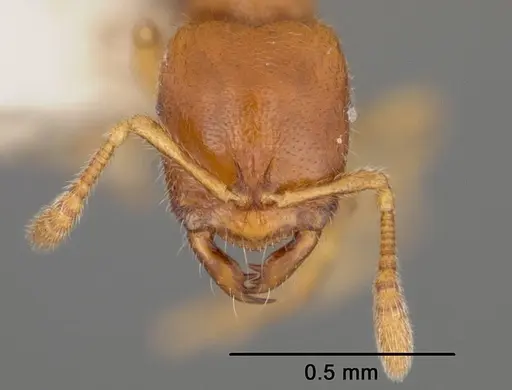
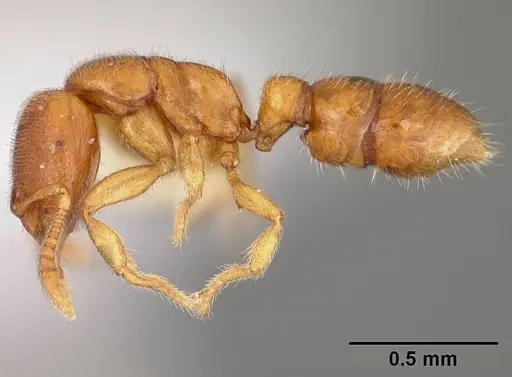
Prionopelta antillana is a tiny yellow to light brown ant native to the Caribbean islands and northern South America, introduced to central Florida . Workers measure 1.23-1.67 mm in total length, making them one of the smallest ants . They are often mistaken for tiny Solenopsis fire ants due to their similar size and pale color . This species belongs to the Amblyoponinae subfamily, a group of predatory ants that use a sting to paralyze prey. The genus Prionopelta is unique as the only Amblyoponinae in the United States, likely accidentally imported in the 1950s . These ants are sluggish, cryptic foragers living in leaf litter, decaying wood, and soil in shady, damp tropical forests .
Quick Summary
- Difficulty: Medium
- Origin & Habitat: Native to Caribbean islands and northern South America, from Mexico to Brazil, introduced to Florida. Found in tropical forests, leaf litter, decaying wood, and damp areas at elevations 50-1850m [2][1]. In Florida, they inhabit mesic hammocks and sand pine scrub [1].
- Colony Type: Colony structure is unconfirmed. No differentiated queens have been observed in Florida populations [1].
- Size & Growth:
- Queen: 1.77-1.80 mm [1]
- Worker: 1.23-1.67 mm [1]
- Colony: Unknown, likely small colonies based on related species patterns
- Growth: Unknown
- Development: Unknown, no direct studies on development timeline for this species (Development may be influenced by temperature and diet, but no specific data available)
- Antkeeping:
- Temperature: Keep warm, roughly 22-26°C, based on their tropical habitat [2][1]
- Humidity: Keep nest substrate consistently moist but not waterlogged, as they inhabit damp forest floors [4][1]
- Diapause: Unknown, as a tropical species, they likely do not require hibernation
- Nesting: They naturally nest in leaf litter, decaying wood, and soil. In captivity, use small plaster or soil nests with moist substrate [4][1]
- Behavior: These are sluggish, cryptic ants that hunt alone on small soil arthropods [4]. Workers are non-aggressive and rarely sting humans due to their tiny size [1]. Escape prevention is critical because they can squeeze through tiny gaps.
- Common Issues: escape prevention is critical due to their very small size, slow growth and cryptic behavior can make monitoring colony health difficult, wild-caught colonies may have parasites that kill them in captivity, high humidity requirements can lead to mold if ventilation is poor, difficulty establishing colonies due to specialized predatory diet
Housing and Nest Setup
Prionopelta antillana is a tiny ant that needs appropriately scaled housing. In the wild, they live in leaf litter, decaying wood, and shallow soil chambers [4][1]. For captivity, use small plaster or soil nests with tight chambers scaled to their tiny size. Naturalistic setups with moist soil and decaying wood mimic their habitat well. Test tubes can work for founding colonies, but the cotton and water reservoir must be properly sized to prevent flooding. Escape prevention is critical, these ants are so small they can slip through gaps that other ants cannot. Use fine mesh on any ventilation and apply fluon or other barriers to all edges.
Feeding and Diet
This is a specialized predatory ant that hunts small soil arthropods. In the wild, they feed primarily on campodeid diplurans and geophilomorph centipedes [4]. In captivity, offer small live prey such as springtails, small isopods, and newly hatched crickets. They are unlikely to accept sugar water or honey, being predatory, they need protein. Do not overfeed, offering small prey items 2-3 times per week and removing uneaten prey after 24 hours keeps the nest clean.
Temperature and Humidity
As a tropical species, Prionopelta antillana needs warm and humid conditions. Keep temperatures in the 22-26°C range to match their native habitat [2][1]. Humidity should be high, with the nest substrate consistently moist but not waterlogged [4][1]. Providing a moisture gradient lets the ants choose their preferred spot. Avoid dry conditions entirely, these ants will not survive in dry setups.
Behavior and Colony Dynamics
These are solitary hunters rather than trail-foragers. Workers move slowly and spend most of their time hunting through the substrate [4]. They are cryptic by nature and will remain hidden under logs, in leaf litter, or in nest chambers [1]. The colony will likely remain small, probably under 100 workers given their tiny size. Queens have not been morphologically differentiated in collected specimens, suggesting they may be small or similar in size to workers [1]. Colonies are likely slow-growing due to their specialized diet and small colony size.
Handling and Temperament
Prionopelta antillana is not an aggressive species. Workers are sluggish and non-confrontational, they will flee rather than engage [1]. Their tiny size means they cannot sting humans effectively, and they lack chemical defenses. However, their small size makes them excellent escape artists. When working with them, move slowly and use red light for observation to avoid stressing the colony.
Frequently Asked Questions
How long does it take for Prionopelta antillana to produce first workers?
Unknown, no direct studies on development timeline for this species. Estimates based on genus patterns are unconfirmed.
What do Prionopelta antillana ants eat?
They are specialized predators that need live small arthropods. Feed them springtails, small isopods, and other micro-arthropods [4].
Are Prionopelta antillana ants good for beginners?
They are considered medium difficulty. Their small size, escape risk, humidity requirements, and specialized predatory diet make them challenging for complete beginners.
Do Prionopelta antillana ants sting?
They are not known to sting humans effectively. Their tiny size means their stingers cannot penetrate human skin, and they are non-aggressive by nature [1].
How big do Prionopelta antillana colonies get?
Colony size is not well documented, but based on related species and their tiny worker size, colonies likely remain small, probably under 100 workers even at maturity.
Can I keep multiple Prionopelta antillana queens together?
This has not been documented. The colony structure is unconfirmed for this species. It is not recommended to combine unrelated queens without evidence they can coexist.
What temperature should I keep Prionopelta antillana at?
Keep them warm at 22-26°C. This tropical species needs consistent warmth [2][1].
Why are my Prionopelta antillana dying?
Common causes include: drying out (they need high humidity), escape (they are tiny and squeeze through gaps), mold from poor ventilation, starvation (they need live prey), and parasites from wild-caught colonies. Ensure proper humidity, excellent escape prevention, and offer appropriate live prey.
Do Prionopelta antillana need hibernation?
As a tropical species, they likely do not require hibernation. However, if room temperature drops significantly in winter, reduce feeding but maintain humidity.
When should I move Prionopelta antillana to a formicarium?
Wait until the colony has at least 20-30 workers. Starting in a test tube or small setup is fine for founding, but they do well in small plaster or soil nests once established. Their tiny size means even mature colonies don't need large spaces.
Report an Issue
The current care sheet is based fully on literature. See inconsistencies, or something that's incorrect? Please , it will be resolved after review from an admin. Contributing to the blogs tab also helps providing information, to make us be able to further improve the caresheets. Thank you for your support!
References

This caresheet is licensed under CC BY-SA 4.0 .
Community Blogs
ANTWEB1041469
View on AntWeb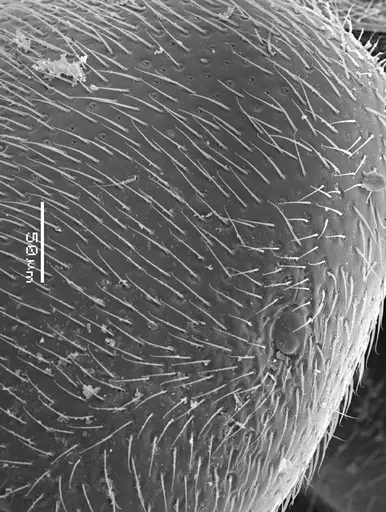
ANTWEB1041470
View on AntWeb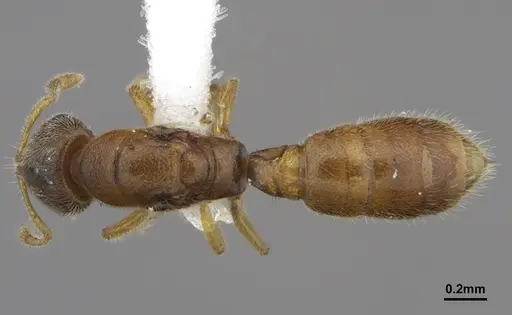
CASENT0006076
View on AntWeb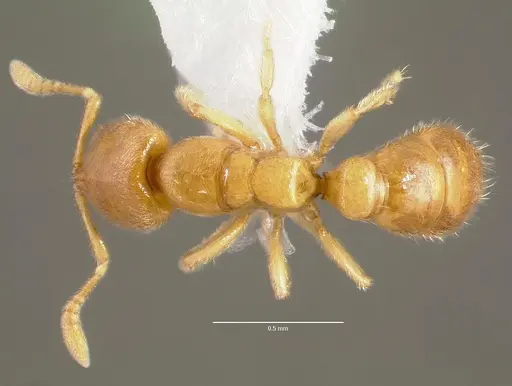
CASENT0102526
View on AntWeb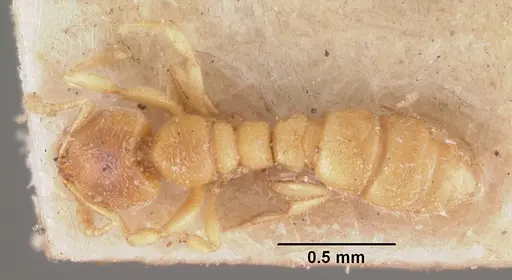
CASENT0102529
View on AntWeb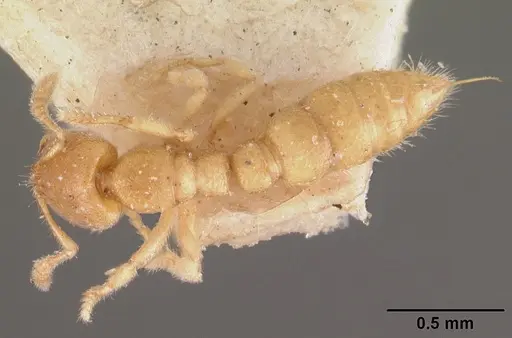
CASENT0103911
View on AntWeb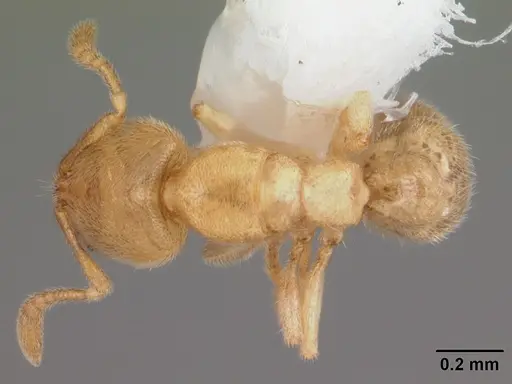
CASENT0178694
View on AntWeb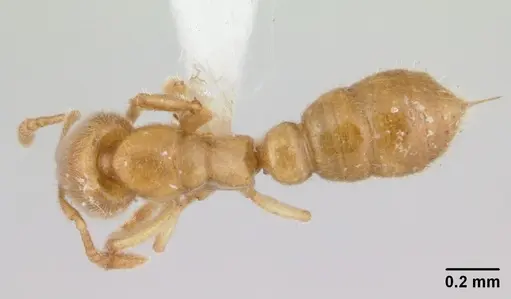
CASENT0260463
View on AntWeb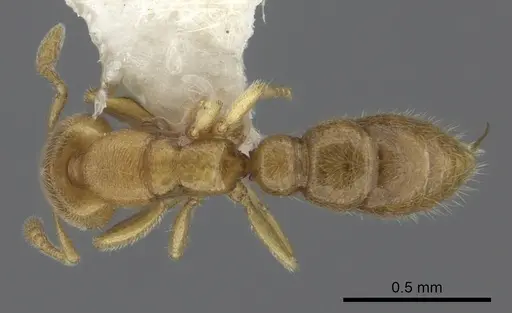
CASENT0601692
View on AntWeb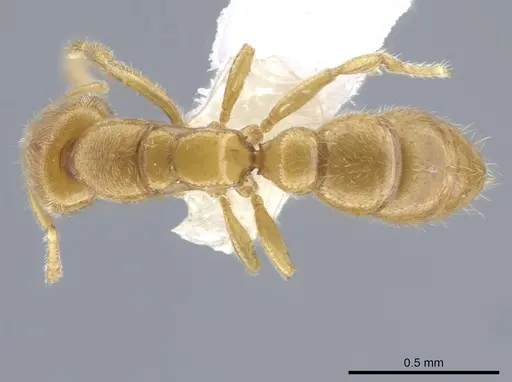
CASENT0767588
View on AntWeb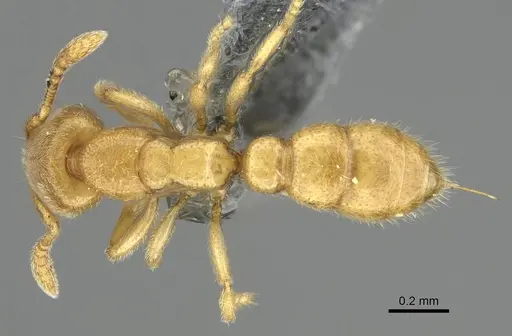
CASENT0767612
View on AntWeb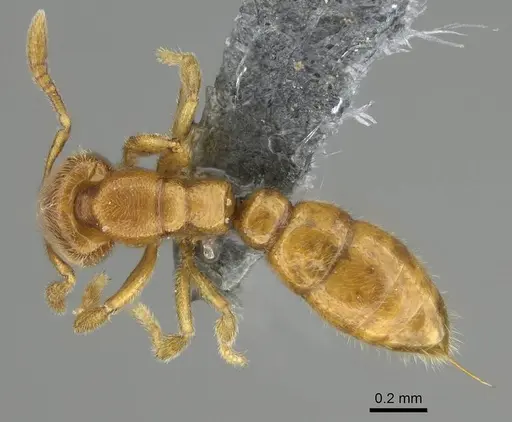
CASENT0902630
View on AntWeb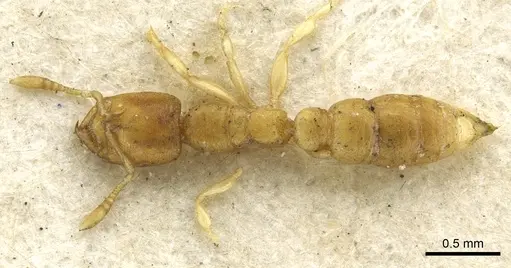
CBUMAGENT41724
View on AntWeb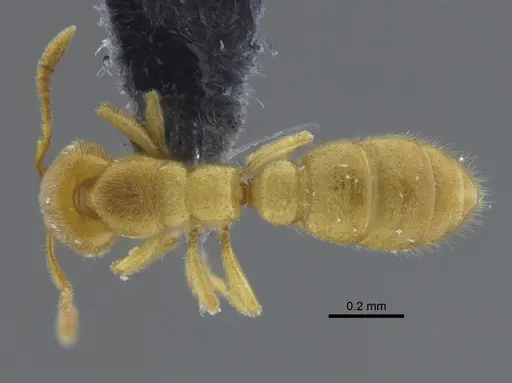
USNMENT00441927
View on AntWeb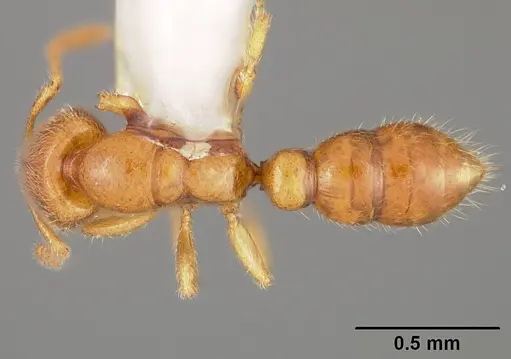
Literature
Loading distribution map...Loading products...