
Prionopelta amabilis
- Sci. Name
- Prionopelta amabilis
- Tribe
- Amblyoponini
- Subfamily
- Amblyoponinae
- Author
- Borgmeier, 1949
- Distribution
- Found in 10 countries
Introduction
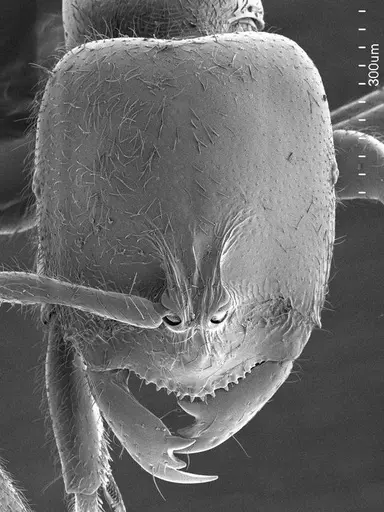
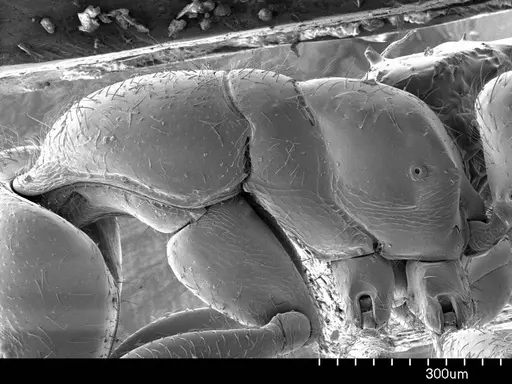
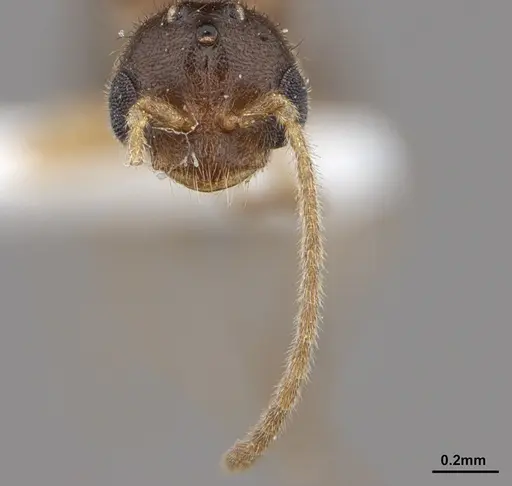
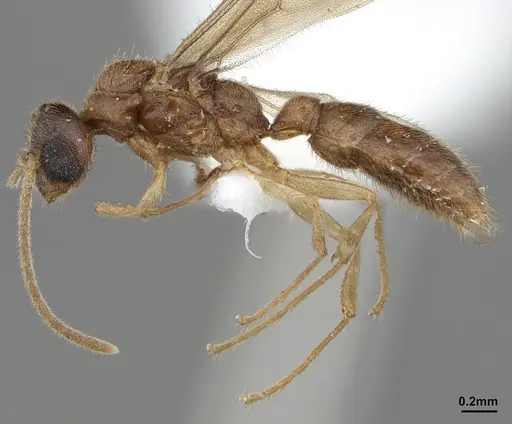
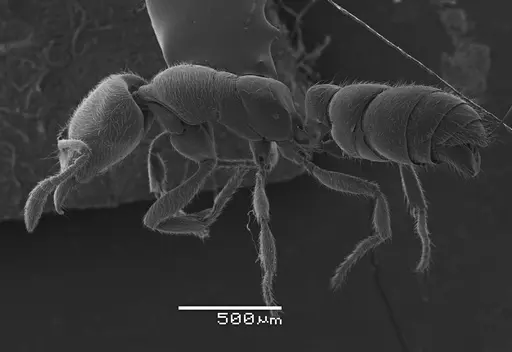
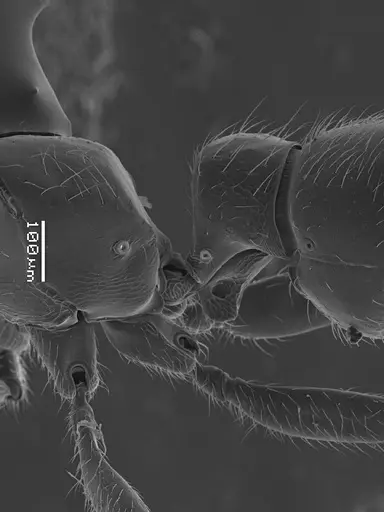
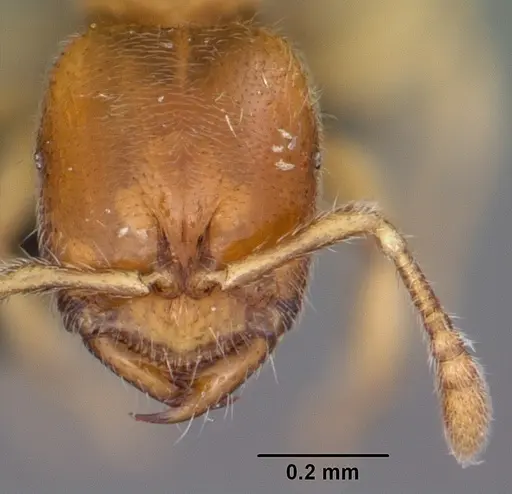
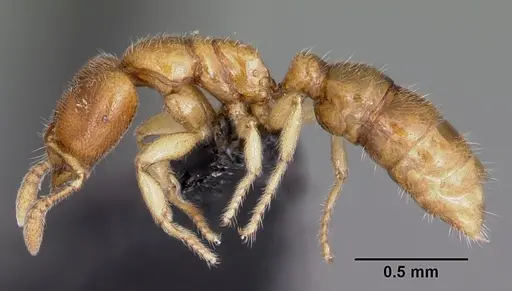
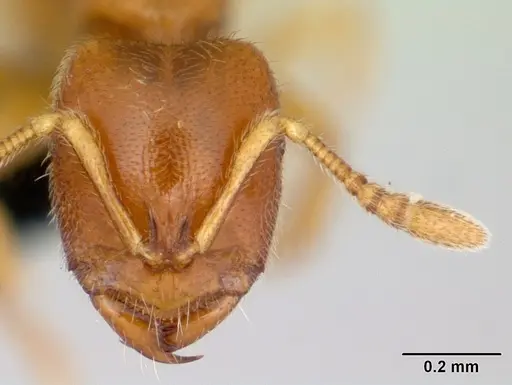
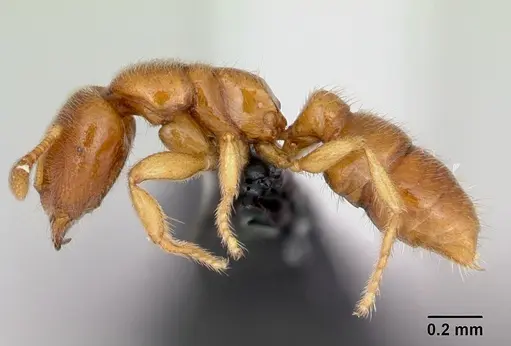
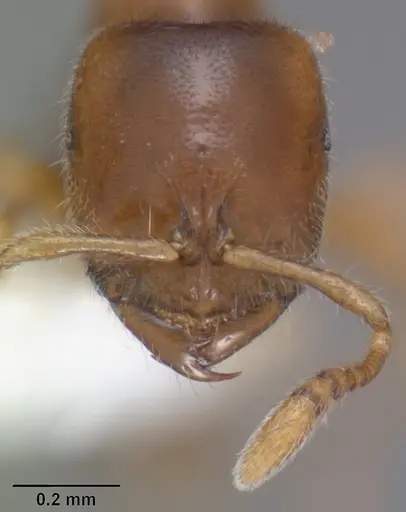
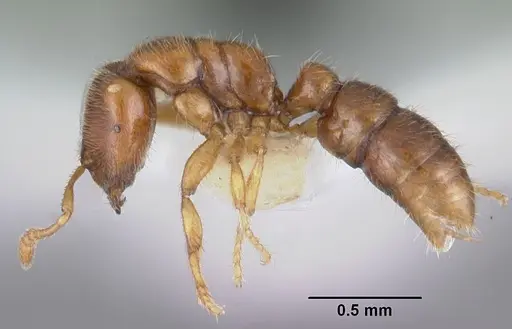
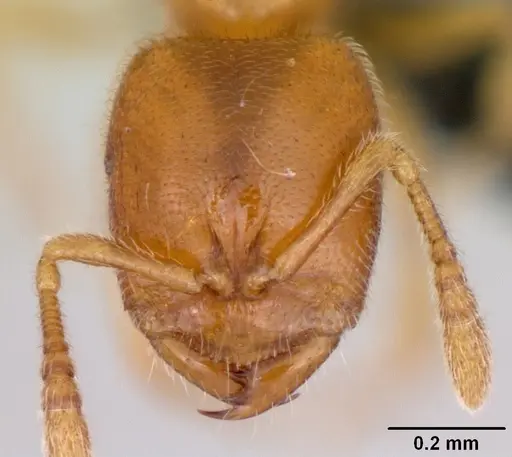
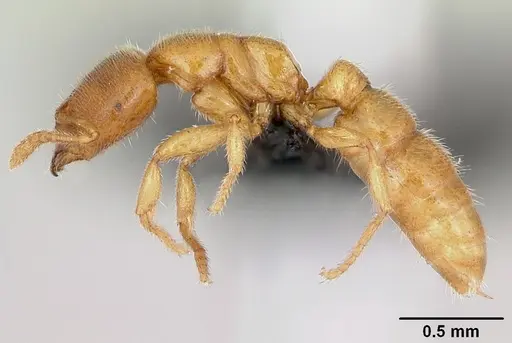
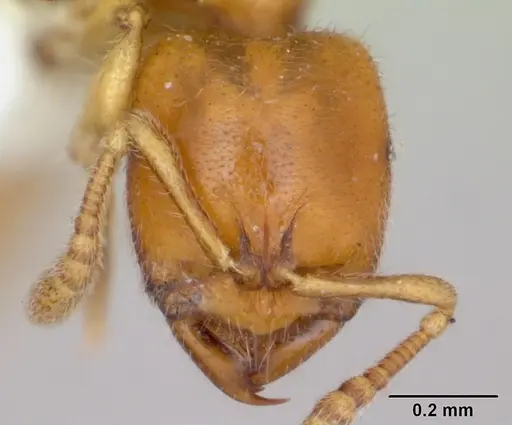
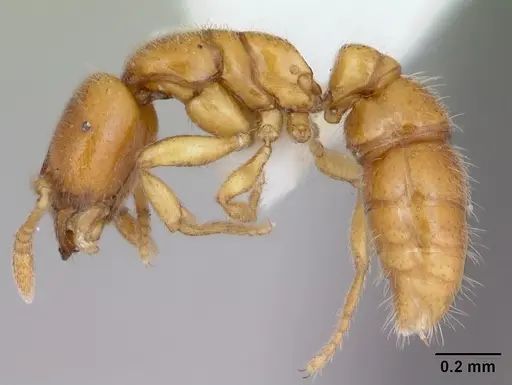
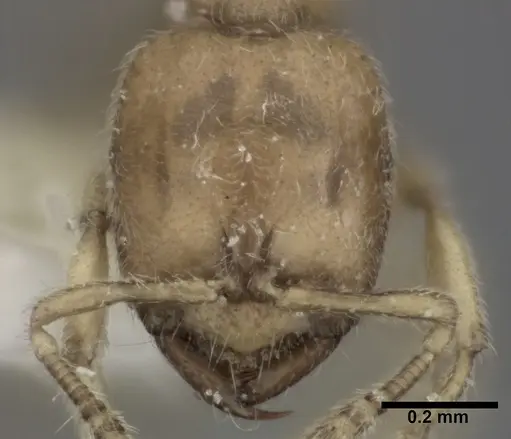
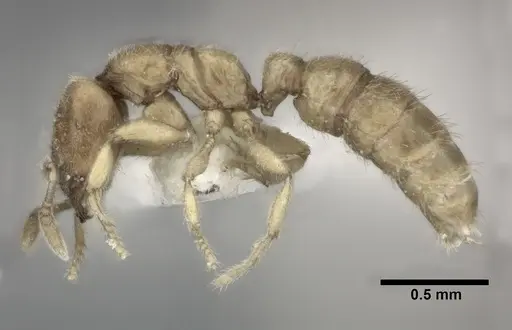
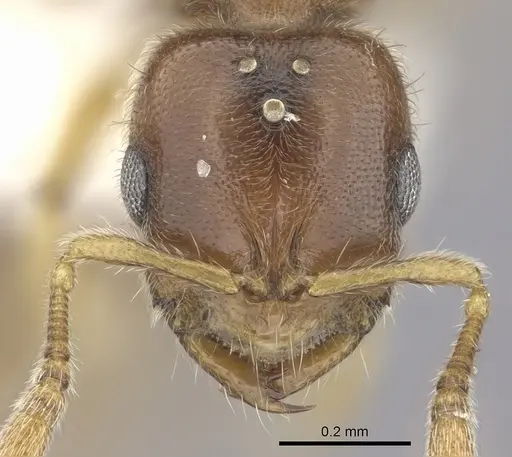
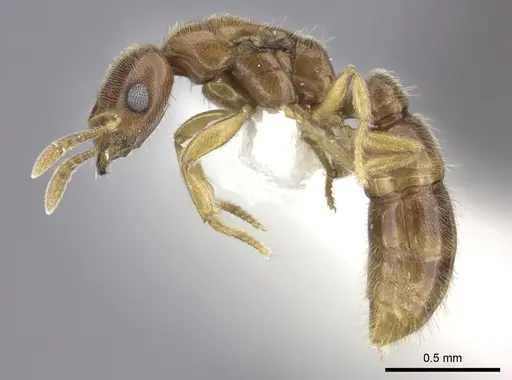
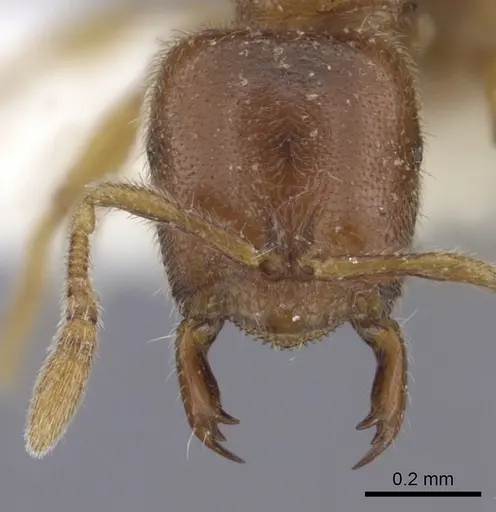
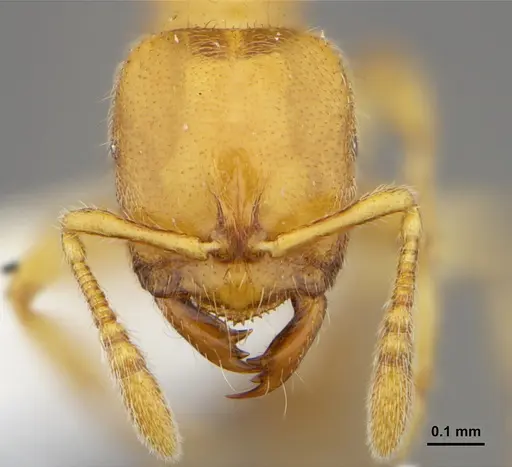
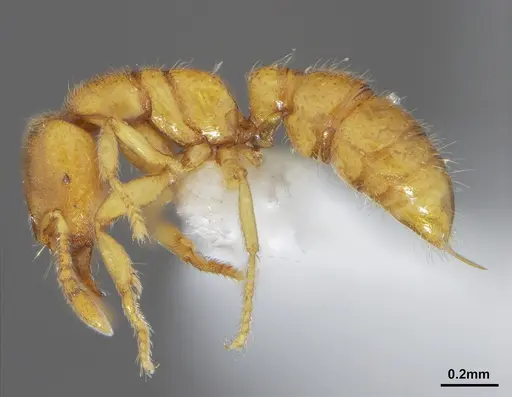
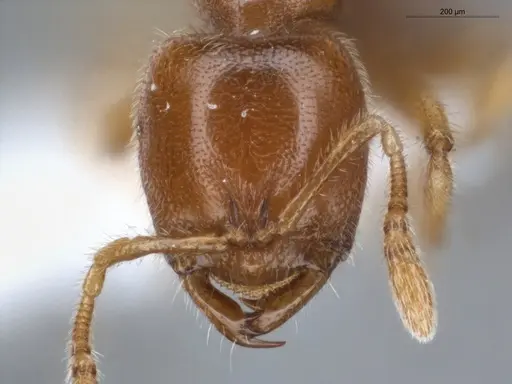
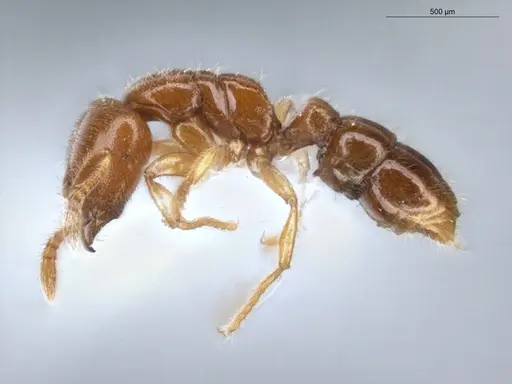
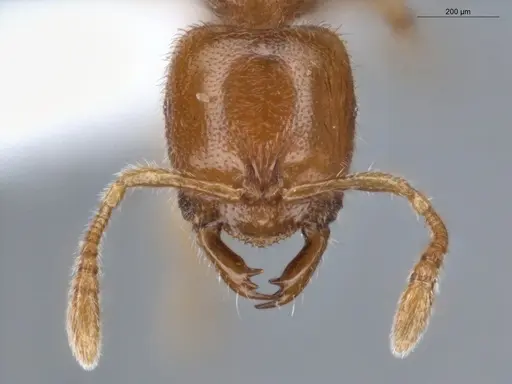
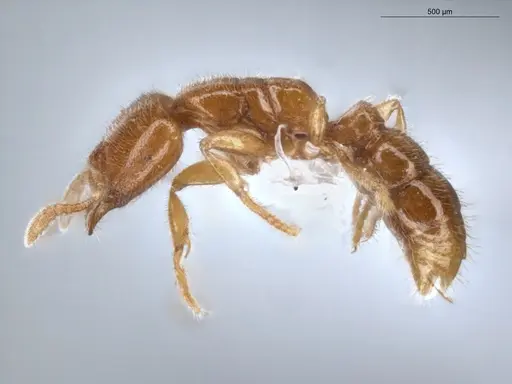
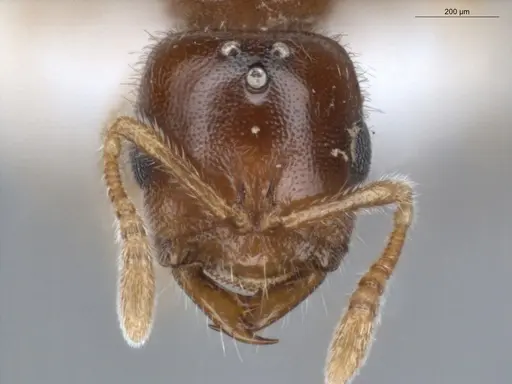
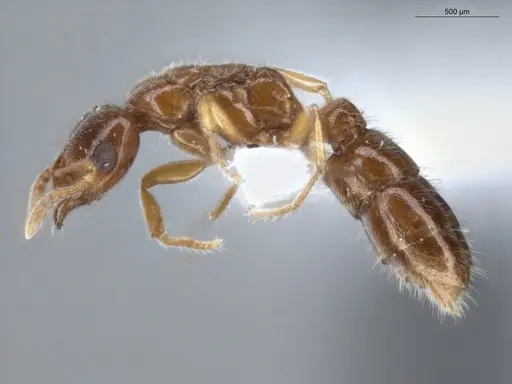
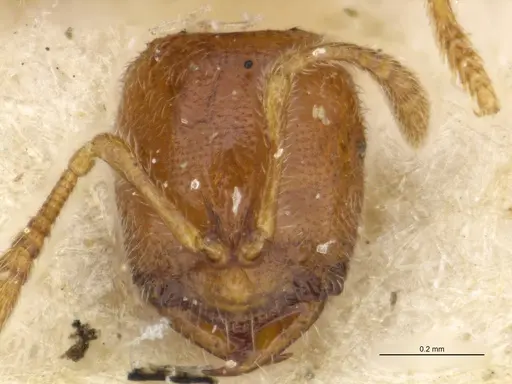
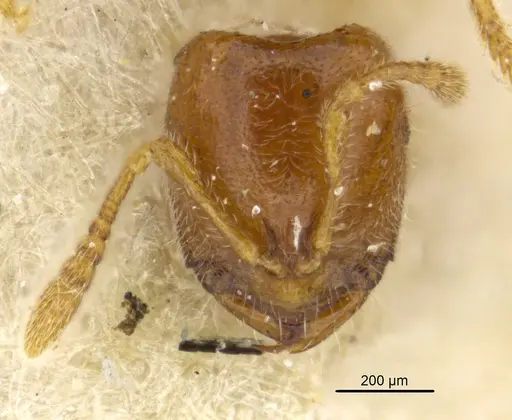
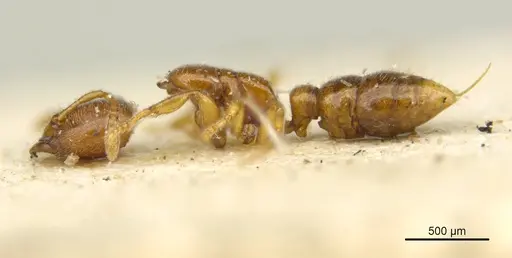
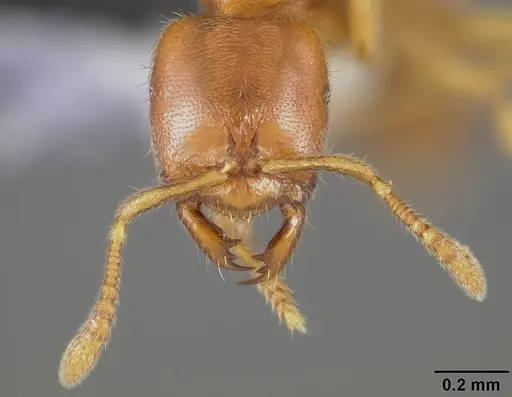
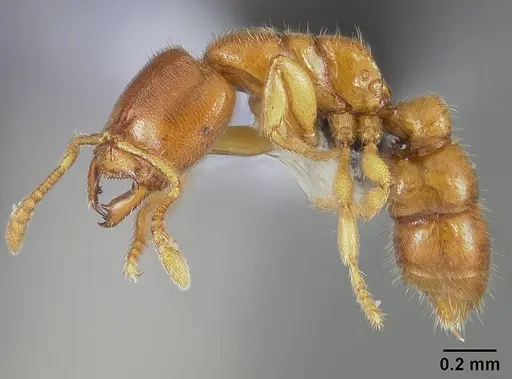
Prionopelta amabilis is a tiny ant species native to the Neotropics, ranging from southern Mexico to Brazil . Workers measure 1.4-1.7 mm and are yellow to light brown, making them nearly invisible in leaf litter . They are specialized predators that feed almost exclusively on campodeid diplurans . Colonies can have one or multiple queens and may nest in multiple connected locations .
Quick Summary
- Difficulty: Medium
- Origin & Habitat: Tropical forests from southern Mexico to Brazil, found in leaf litter and decaying wood at elevations of 50-960 m [1]. They inhabit terra firme forests, shaded coffee plantations, and pastures with secondary growth [1].
- Colony Type: Colonies can be monodomous (single nest) or polydomous (multiple connected nests), and can have either one queen or multiple queens [2].
- Size & Growth:
- Antkeeping:
- Temperature: Keep warm, roughly 24-28°C, based on tropical habitat [1].
- Humidity: Keep the nest substrate consistently moist but not waterlogged, as they inhabit leaf litter [1].
- Diapause: No, tropical species do not require hibernation [1].
- Nesting: Naturalistic setups with moist substrate work best, as they nest in leaf litter and decaying wood [1].
- Behavior: These are shy, cryptic ants that avoid confrontation. Workers forage singly for small prey and use chemical trails from basitarsal glands to recruit nestmates [4]. Queens feed on trophic eggs laid by workers [2]. They are not aggressive and rarely sting. Their tiny size means escape prevention is critical.
- Common Issues: escape prevention is critical due to their very small size, use fine mesh and tight-fitting lids., specialized diet means they may refuse standard ant foods, live micro-prey is essential., wild-caught colonies may have parasites that can decimate the colony in captivity., slow growth and small size make them vulnerable to stress, avoid disturbing the colony.
Housing and Nest Setup
Prionopelta amabilis requires a setup that mimics their natural leaf litter habitat. Use a shallow container with moist soil or coconut fiber as substrate, add leaf litter and decaying wood for hiding places [1]. These tiny ants cannot climb smooth surfaces easily, but they will escape through any gap, so use a tight-fitting lid with fine mesh ventilation. Keep the setup dark to match their cryptic nature.
Feeding and Diet
They are specialized predators that feed almost exclusively on campodeid diplurans in the wild [3]. In captivity, offer live springtails as the primary food, these are small enough for the ants to tackle and are readily accepted [2]. They may also accept tiny isopods or fruit fly larvae [5]. Do not rely on sugar water or honey, these ants are pure predators.
Temperature and Humidity
As tropical forest floor inhabitants, these ants need warm and humid conditions. Keep temperatures around 24-28°C based on their habitat [1]. Humidity should be high, keep the substrate consistently moist but not waterlogged [1]. Mist the setup regularly and ensure good ventilation to prevent mold.
Behavior and Colony Dynamics
Colonies can have one or multiple queens and may be polydomous [2]. Queens feed on trophic eggs laid by workers rather than receiving food via trophallaxis [2]. Workers use trail pheromones from basitarsal glands for recruitment to food sources [4]. They show age-based division of labor and are not aggressive.
Growth and Development
Colonies can grow large, with documented colonies reaching over 700 workers [2]. Growth rate is moderate, expect several months from egg to worker. The 'wall-papering' behavior, where cocoon fragments line pupae chambers, may occur in captivity if appropriate nesting materials are provided [2].
Common Problems
The biggest challenge is their specialized diet, if you cannot provide live springtails, the colony may not survive [3]. Escape is a major risk due to their tiny size, inspect setups regularly. Wild-caught colonies may carry parasites, so quarantine new colonies. Avoid excessive disturbance as these ants stress easily.
Frequently Asked Questions
Can I keep Prionopelta amabilis in a test tube?
Test tubes can work but are not ideal. These ants prefer naturalistic setups with moist substrate and hiding spots [1]. If using test tubes, keep the cotton moist and place the tube horizontally.
What do Prionopelta amabilis eat?
They are specialized predators that need live small arthropods, primarily campodeid diplurans [3]. In captivity, offer live springtails as the main food [2]. They may also accept tiny isopods or fruit fly larvae [5].
How long does it take for eggs to become workers?
The exact development time is unknown for this species. Based on tropical ants, expect several months at 24-28°C [1].
Do Prionopelta amabilis ants sting?
Yes, they have a functional stinger like other Amblyoponinae, but they are not aggressive and rarely sting humans. Their sting is negligible due to their tiny size.
Are Prionopelta amabilis good for beginners?
They are considered medium difficulty due to their specialized diet and need for high humidity [1]. Best suited for antkeepers with experience in tropical species.
How big do Prionopelta amabilis colonies get?
Wild colonies can reach up to 709 workers [2]. In captivity, well-established colonies can grow similarly with proper care.
Can I keep multiple queens together?
Yes, this species can form polygynous colonies [2]. Introduce all queens at once during founding to reduce aggression.
Do Prionopelta amabilis need hibernation?
No, they are tropical ants and do not require hibernation [1]. Keep temperatures stable year-round.
Why are my Prionopelta amabilis dying?
Likely causes include lack of live prey, low humidity, or stress from disturbance. Check food and moisture levels, and avoid exposing the colony to light or vibrations.
When should I move them to a formicarium?
A naturalistic setup works well from the start. If starting with a founding queen in a test tube, move the colony to a naturalistic terrarium once workers appear [1].
Report an Issue
The current care sheet is based fully on literature. See inconsistencies, or something that's incorrect? Please , it will be resolved after review from an admin. Contributing to the blogs tab also helps providing information, to make us be able to further improve the caresheets. Thank you for your support!
References

This caresheet is licensed under CC BY-SA 4.0 .
Community Blogs
ANTWEB1008581
View on AntWeb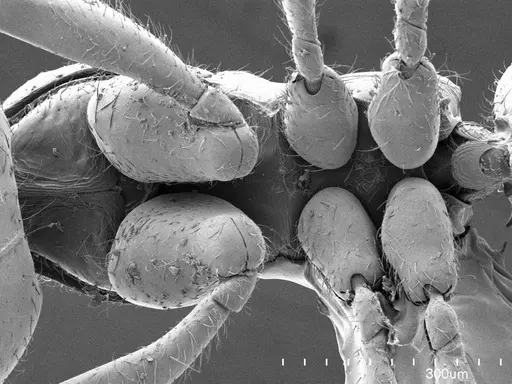
ANTWEB1041467
View on AntWeb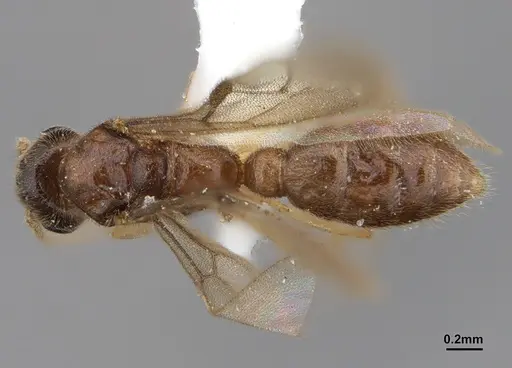
ANTWEB1041468
View on AntWeb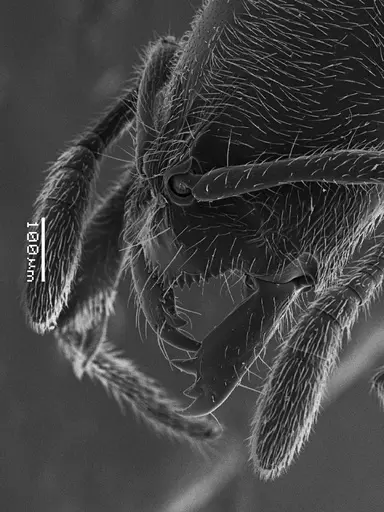
CASENT0007009
View on AntWeb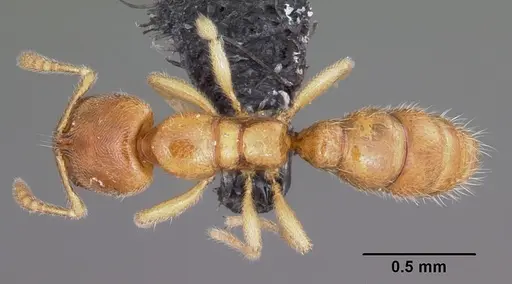
CASENT0052775
View on AntWeb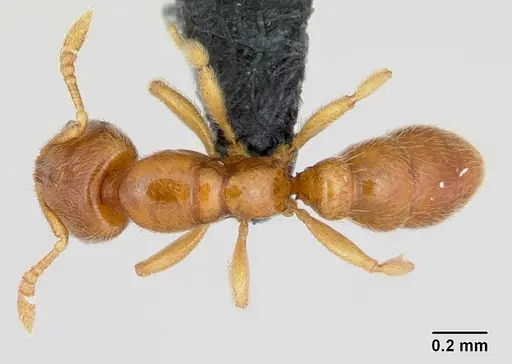
CASENT0102502
View on AntWeb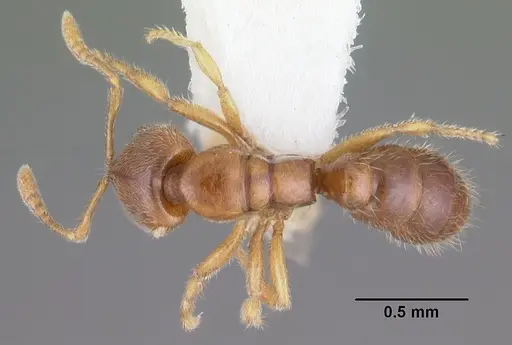
CASENT0107555
View on AntWeb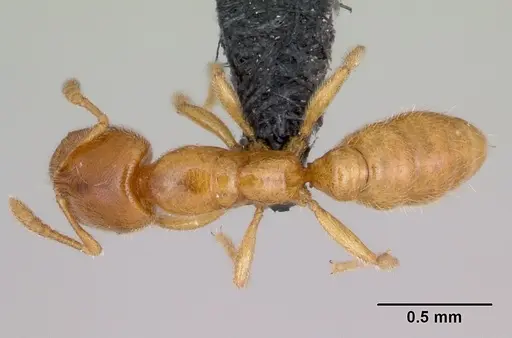
CASENT0173505
View on AntWeb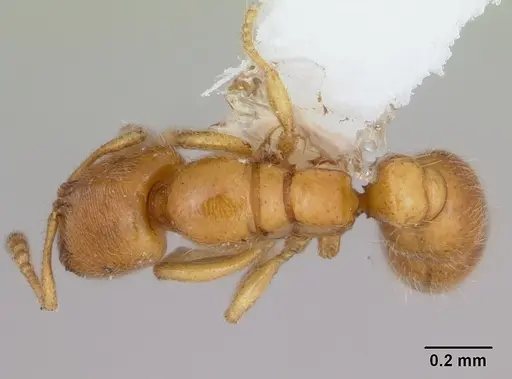
CASENT0246699
View on AntWeb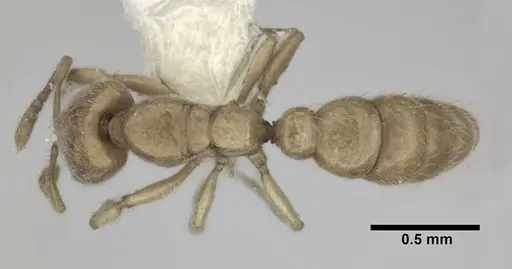
CASENT0249588
View on AntWeb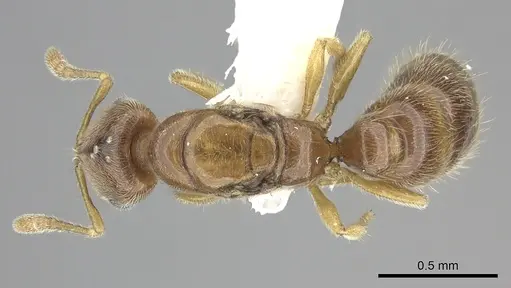
CASENT0260461
View on AntWeb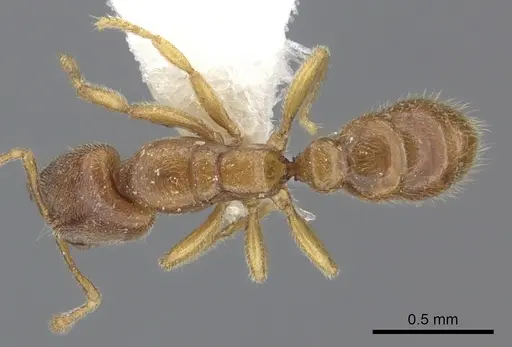
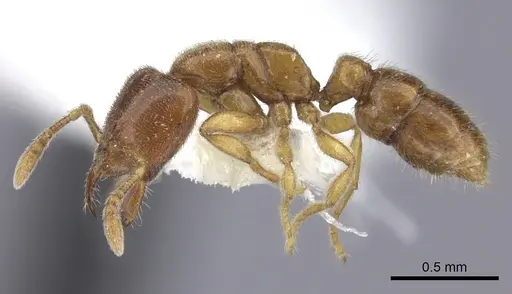
CASENT0612386
View on AntWeb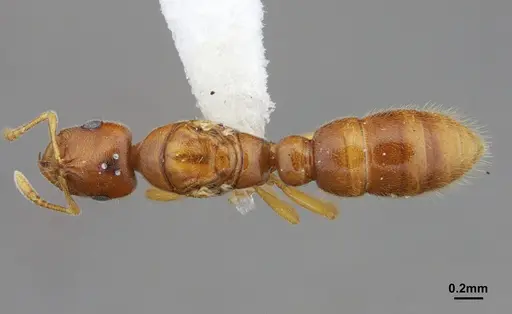
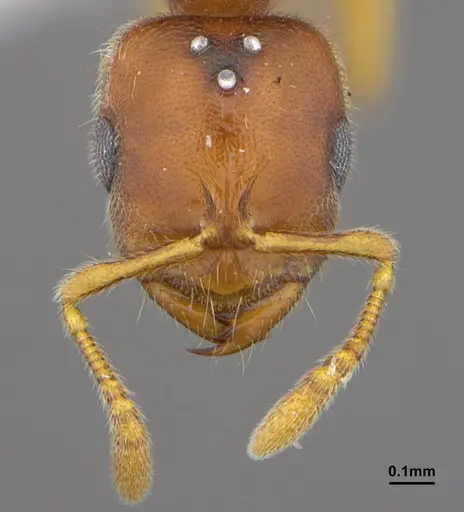
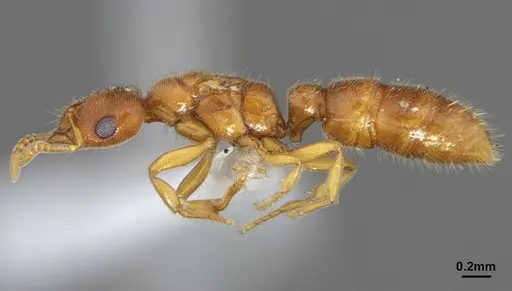
CASENT0632086
View on AntWeb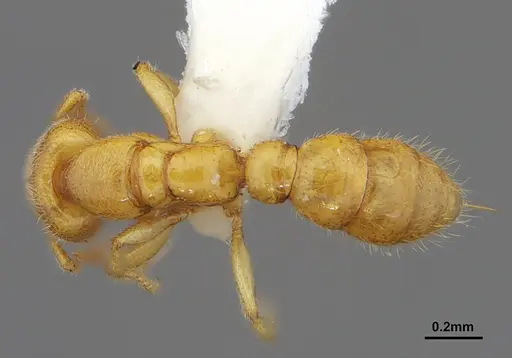
ECOFOG-IT14-0059-67
View on AntWeb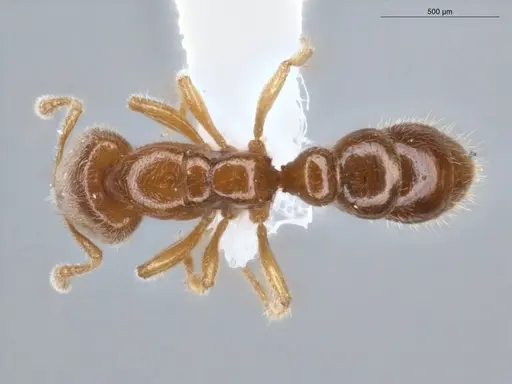
ECOFOG-IT14-0069-40
View on AntWeb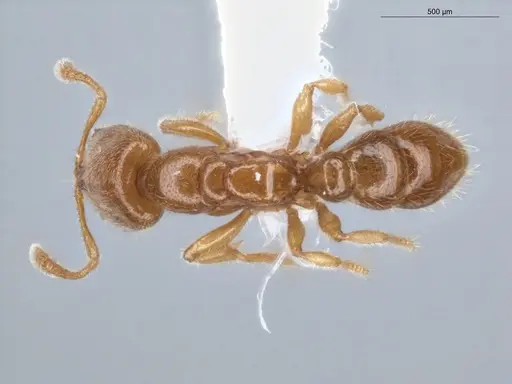
ECOFOG-MI15-0244-52
View on AntWeb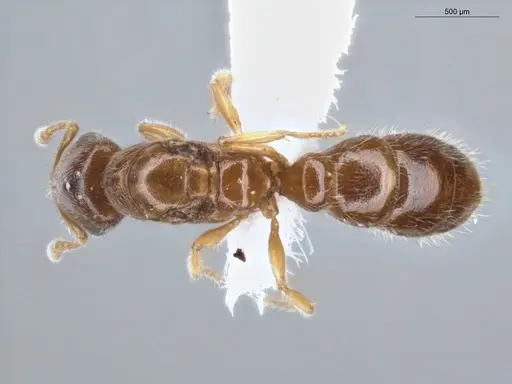
MCZTYPE34787
View on AntWeb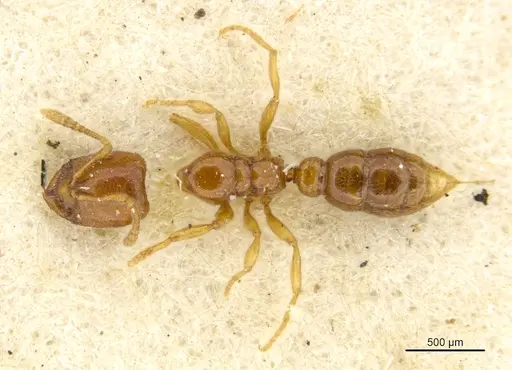
USNMENT00446073
View on AntWeb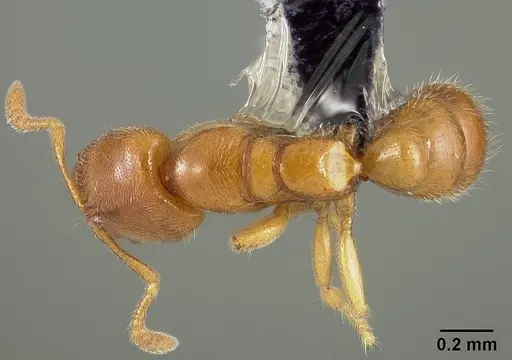
Literature
Loading distribution map...Loading products...