
Prionopelta aethiopica
- Sci. Name
- Prionopelta aethiopica
- Tribe
- Amblyoponini
- Subfamily
- Amblyoponinae
- Author
- Arnold, 1949
- Distribution
- Found in 2 countries
Introduction
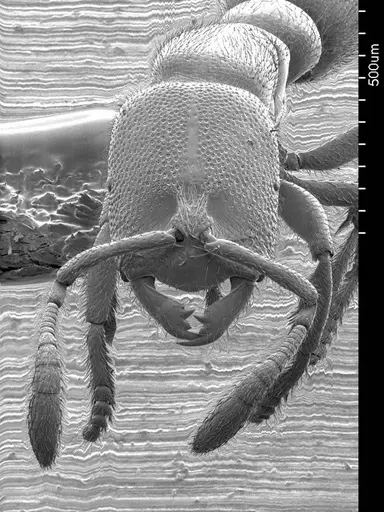
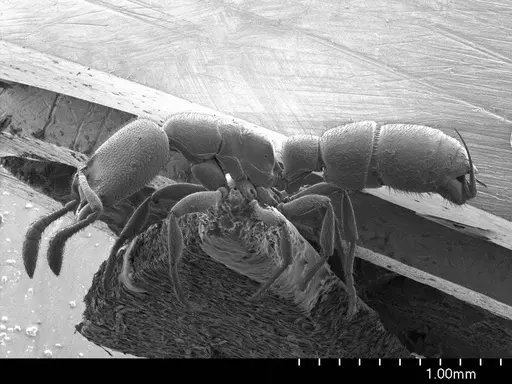
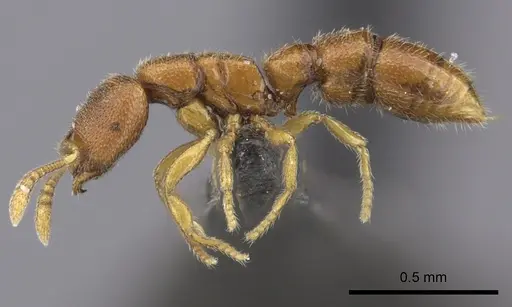
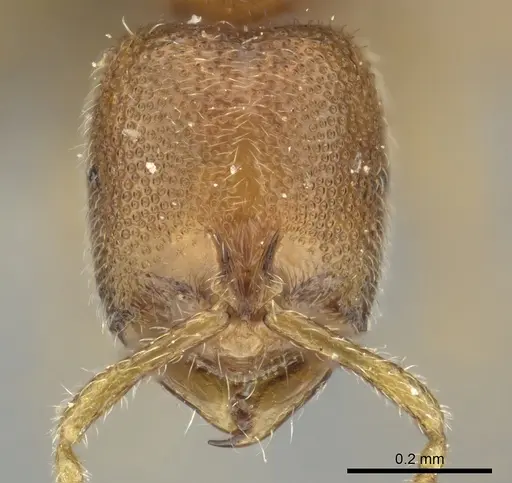
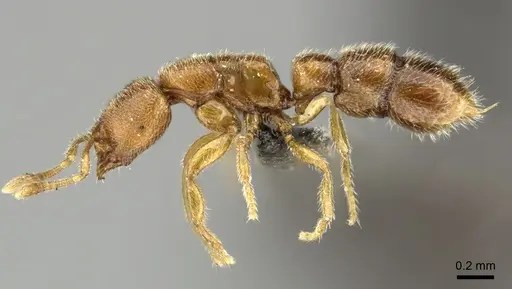
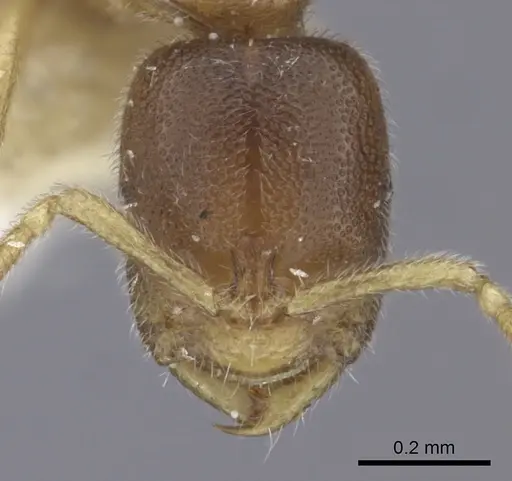
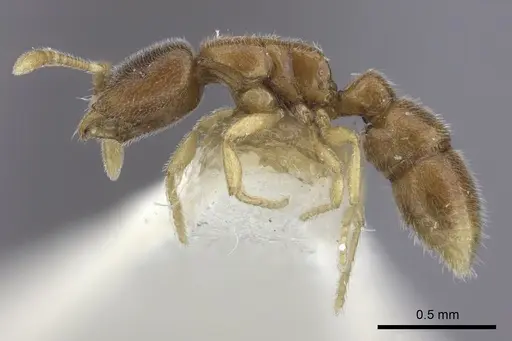
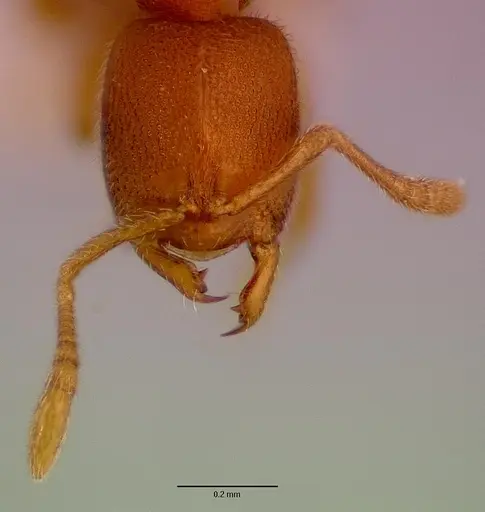
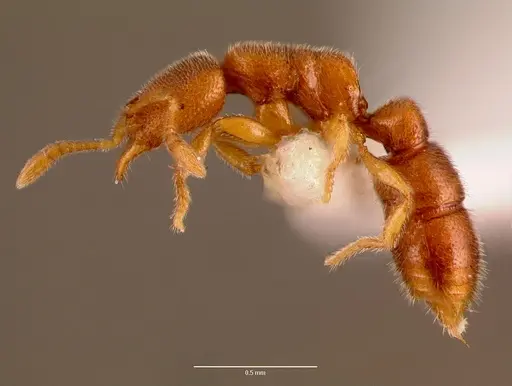
Prionopelta aethiopica is a small ant species in the Amblyoponinae subfamily, found in eastern South Africa and Tanzania . Workers are slender and tiny, typical of the genus . The species was originally described from Zululand, South Africa . This species remains poorly documented in both scientific literature and the antkeeping hobby, making it a challenging project for experienced keepers interested in rare African ants.
Quick Summary
- Difficulty: Expert
- Origin & Habitat: Eastern South Africa (Zululand) and Tanzania, in subtropical to tropical woodland habitats [1]
- Colony Type: Colony structure is unconfirmed for this species. Amblyoponinae genera often have gamergate systems, but this has not been documented for Prionopelta aethiopica specifically.
- Size & Growth:
- Queen: Size data unavailable, no body size measurements described in literature
- Worker: Size data unavailable, no body size measurements described in literature
- Colony: Unknown, no colony size data available
- Growth: Unknown
- Development: Unconfirmed, no development data exists for this species. Based on typical Amblyoponinae patterns, expect 6-10 weeks at warm temperatures. (Development timeline is estimated from related genera, not directly studied for this species)
- Antkeeping:
- Temperature: Keep at 22-26°C based on subtropical African distribution [1]. A gentle temperature gradient allows workers to self-regulate.
- Humidity: Keep substrate consistently moist but not waterlogged, based on woodland habitats [1].
- Diapause: Unknown for this species.
- Nesting: Likely prefers soil or leaf litter nesting based on genus typical behavior. A naturalistic setup with moist substrate or a Y-tong/plaster nest with good humidity retention would be appropriate.
- Behavior: Behavior is poorly documented. Amblyoponinae ants are typically predatory, using their mandibles to capture small prey. Workers are likely small and secretive, nesting in concealed locations. Escape risk is moderate due to small size, use standard barrier methods. Aggression levels are unknown but likely moderate, typical of small predatory ants.
- Common Issues: lack of documented care information makes proper husbandry challenging., colony size remains unknown, start small and be prepared for potentially modest growth., founding behavior is unconfirmed, wild queens may have specific requirements., predatory diet may be difficult to replicate in captivity., wild-caught colonies may have parasites or diseases not yet documented.
General Overview
Prionopelta aethiopica is a rare ant species described by Arnold in 1949 from Zululand, South Africa, and later elevated to species status by Brown in 1960 [1]. It is also recorded in Tanzania [1]. As part of Amblyoponinae, it belongs to a group known for predatory habits, but this species has no established care protocols, making it a unique challenge for experts.
Distribution and Habitat
This species is found in eastern South Africa and Tanzania, preferring subtropical to tropical woodland habitats [1]. In captivity, replicate warm, moderately humid conditions with access to leaf litter and soil for nesting.
Housing and Nesting
Since specific nesting preferences are not documented, infer from genus patterns. Prionopelta ants likely nest in soil or leaf litter, so a naturalistic setup with moist substrate works well. A Y-tong or plaster nest with good humidity retention is appropriate. Maintain moderate humidity without drying out.
Feeding and Diet
Amblyoponinae ants are typically predatory, feeding on small invertebrates like springtails and mites. In captivity, offer small live prey such as fruit flies or pinhead crickets. Protein should form the majority of their diet.
Temperature and Seasonal Care
Based on subtropical African distribution, maintain temperatures between 22-26°C [1]. A slight temperature gradient allows self-regulation. Avoid temperatures above 30°C for extended periods.
Colony Development and Expectations
Colony development is slow and modest, with no specific data available. Based on related genera, expect slow growth and small colony sizes. Patience is essential.
Frequently Asked Questions
How long does it take for Prionopelta aethiopica to produce first workers?
The exact timeline is unconfirmed, but based on typical Amblyoponinae development, expect 6-10 weeks from egg to worker at optimal temperatures (22-26°C). This is an estimate based on related genera, not direct observations of this species.
What do Prionopelta aethiopica ants eat?
They are likely predatory, feeding on small invertebrates. Offer small live prey like fruit flies, springtails, pinhead crickets, and small mealworms. Protein should form the majority of their diet.
Are Prionopelta aethiopica ants good for beginners?
No. This is an expert-level species due to the complete lack of documented care information. There are no established protocols for housing, feeding, or colony development. Only experienced antkeepers should attempt this species.
What temperature should I keep Prionopelta aethiopica at?
Maintain 22-26°C based on their subtropical African distribution [1]. A temperature gradient allows self-regulation. Avoid temperatures above 30°C for extended periods.
Do Prionopelta aethiopica ants need hibernation?
Diapause requirements are unknown for this species. Based on their South African origin, a brief cool period may be beneficial but is not confirmed as necessary.
How big do Prionopelta aethiopica colonies get?
Colony size is unknown. Based on typical Amblyoponinae patterns, colonies likely remain modest, possibly under 100 workers at maturity. This is an estimate only.
Can I keep multiple Prionopelta aethiopica queens together?
Colony structure is unconfirmed. Combining unrelated queens is not recommended since this has not been documented and could result in aggression.
What type of nest should I use for Prionopelta aethiopica?
A naturalistic setup with moist substrate or a Y-tong/plaster nest with good humidity retention is appropriate. Keep the nest moderately humid without allowing it to dry out.
Do Prionopelta aethiopica ants sting?
Stinging ability is not documented for this specific species. Most small ants in this subfamily can sting but are too small to penetrate human skin meaningfully. Handle with standard precautions.
Why is Prionopelta aethiopica so rarely kept?
The species has extremely limited documentation in both scientific literature and the antkeeping hobby. It was only described in 1949 and remains poorly studied [1]. The lack of available colonies and care information makes it a challenging species to maintain.
Report an Issue
The current care sheet is based fully on literature. See inconsistencies, or something that's incorrect? Please , it will be resolved after review from an admin. Contributing to the blogs tab also helps providing information, to make us be able to further improve the caresheets. Thank you for your support!
References

This caresheet is licensed under CC BY-SA 4.0 .
Community Blogs
ANTWEB1008580
View on AntWeb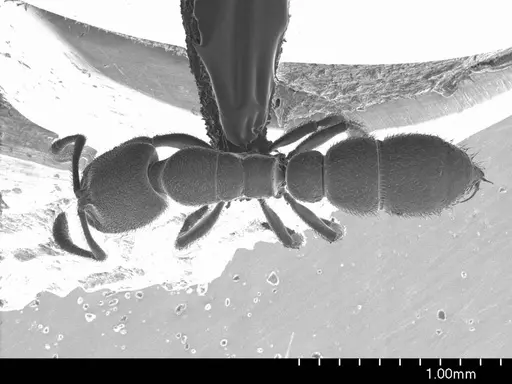
CASENT0235184
View on AntWeb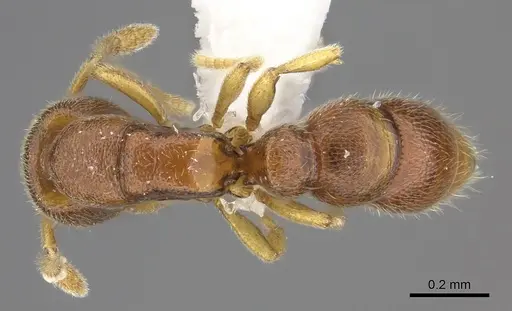
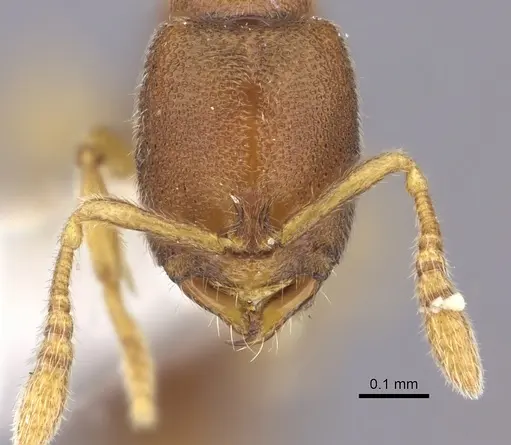
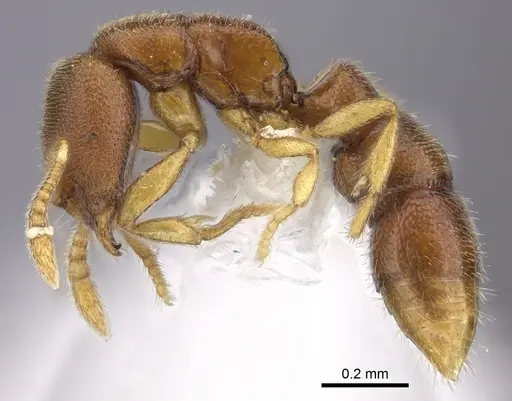
CASENT0235681
View on AntWeb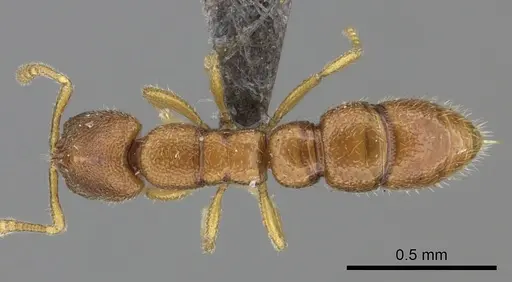
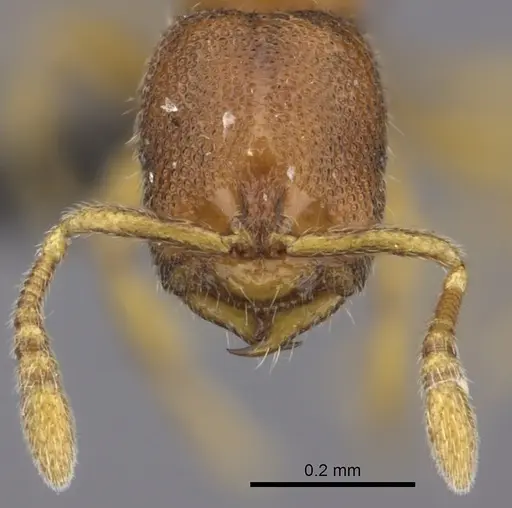
CASENT0235992
View on AntWeb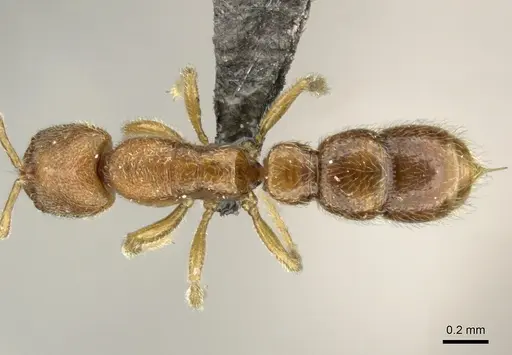
CASENT0260459
View on AntWeb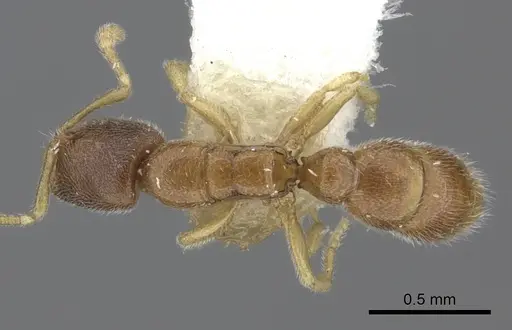
SAM-HYM-C002709A
View on AntWeb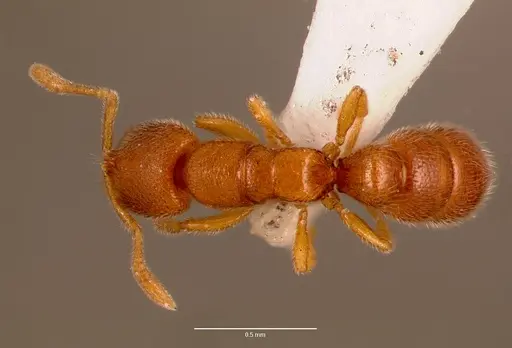
Literature
Loading distribution map...Loading products...