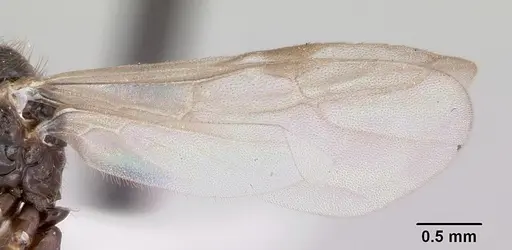
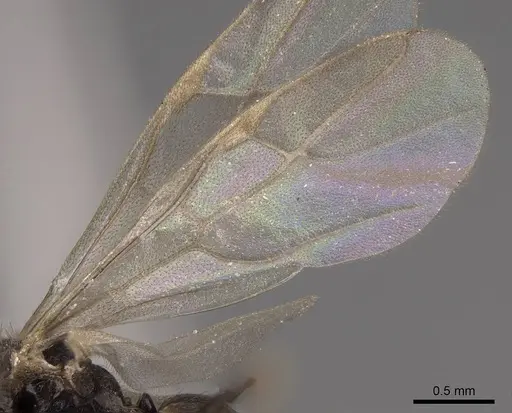
Prenolepis imparis has a tightly defined flight window centered on April. Most nuptial flights occur within just 2 months, making this a highly predictable species for collectors. The concentrated timeframe makes peak months critical for sightings.
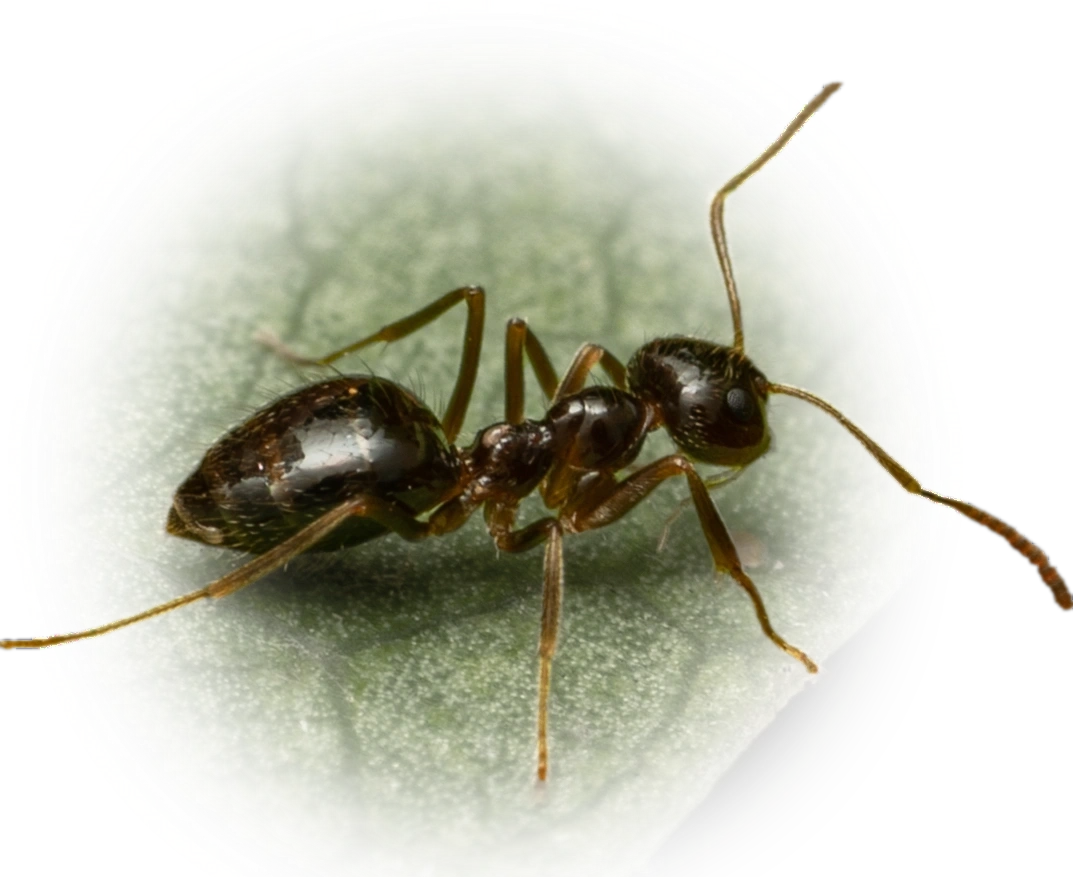
American Winter Ant
Prenolepis imparis
- Sci. Name
- Prenolepis imparis
- Tribe
- Lasiini
- Subfamily
- Formicinae
- Author
- Say, 1836
- Common Name
- American Winter Ant
- Distribution
- Found in 2 countries
- Nuptial Flight
- From March to April
- Peak flight Time
- 15:00
AI Identifiable
try →
Introduction
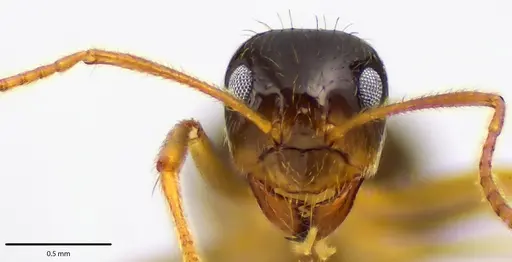
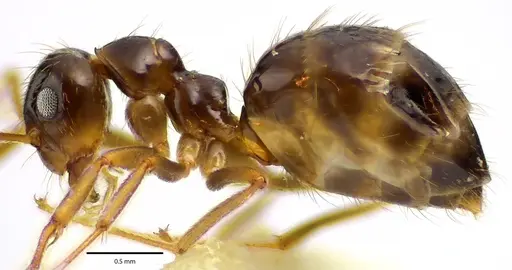
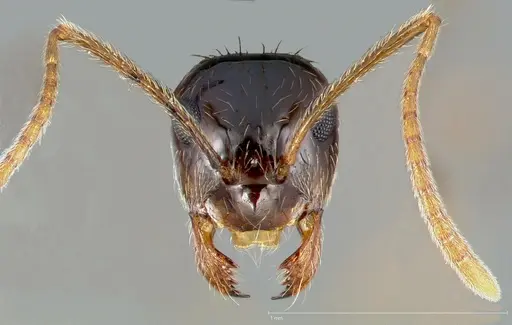
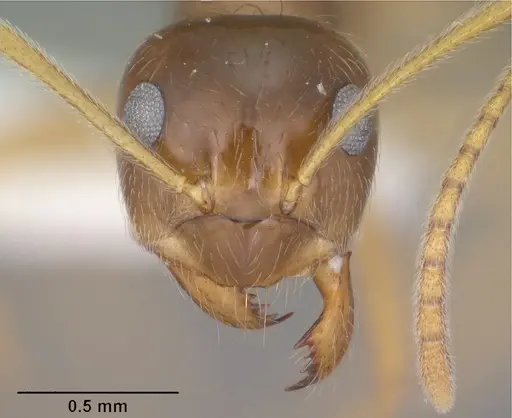
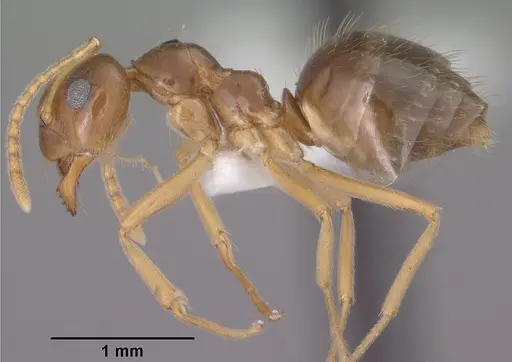
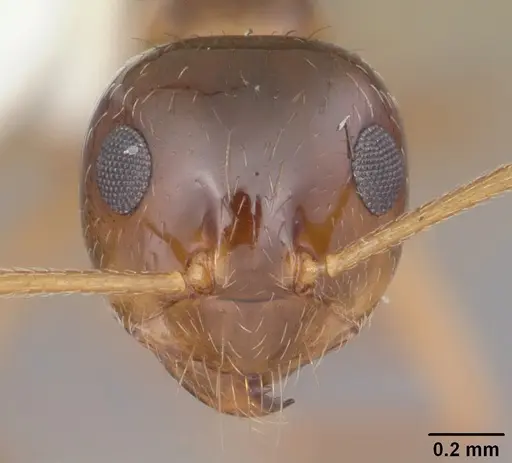
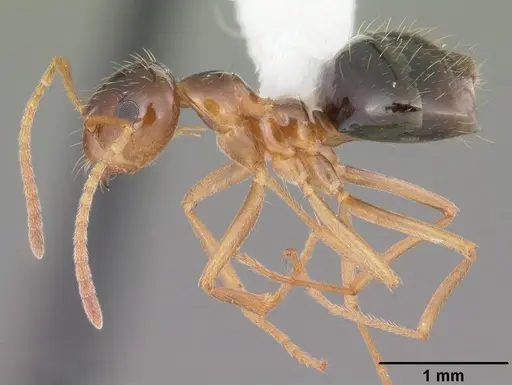
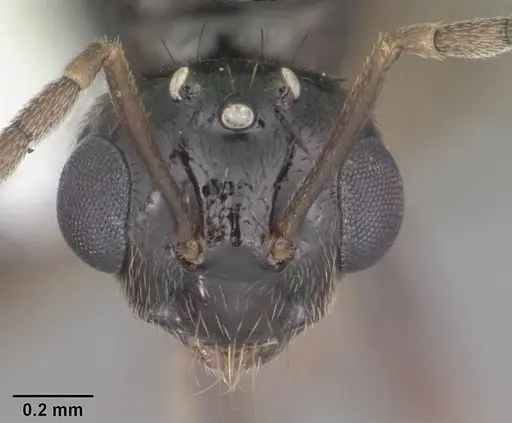
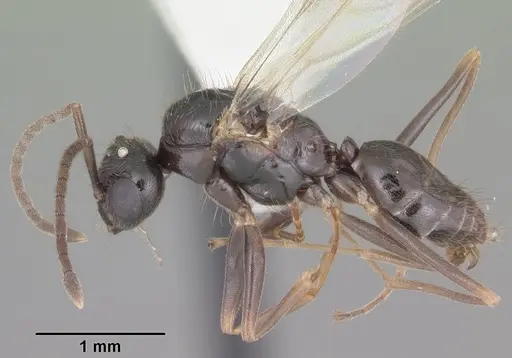
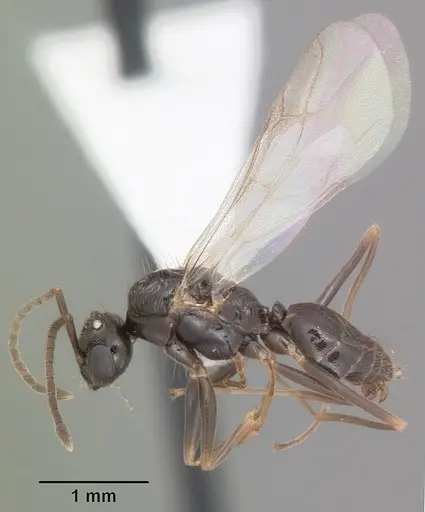
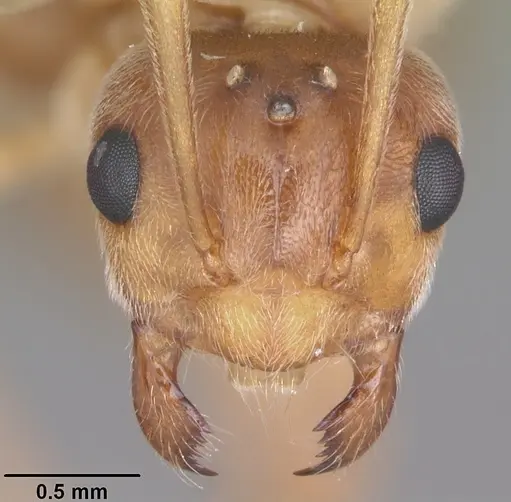
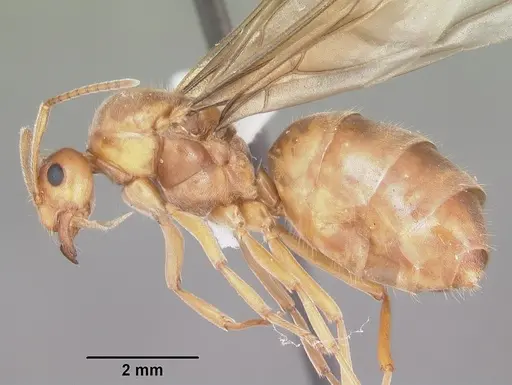
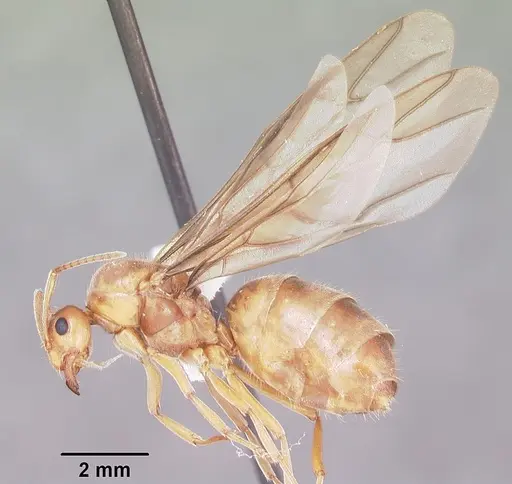
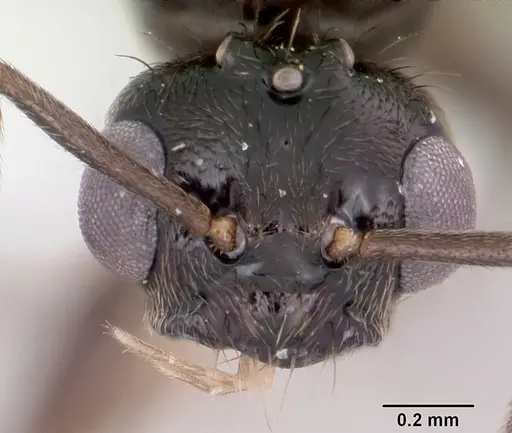
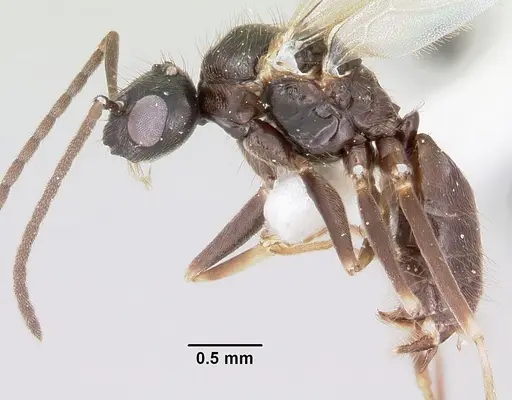
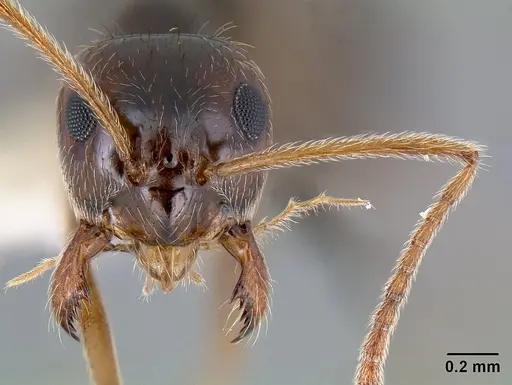
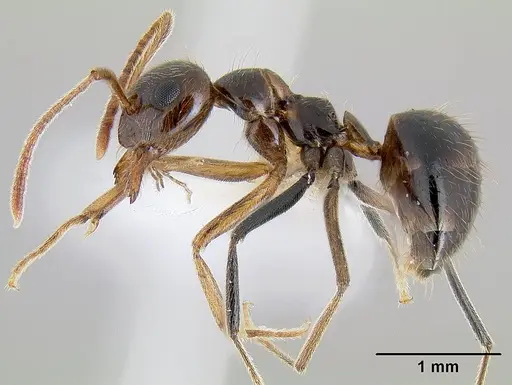
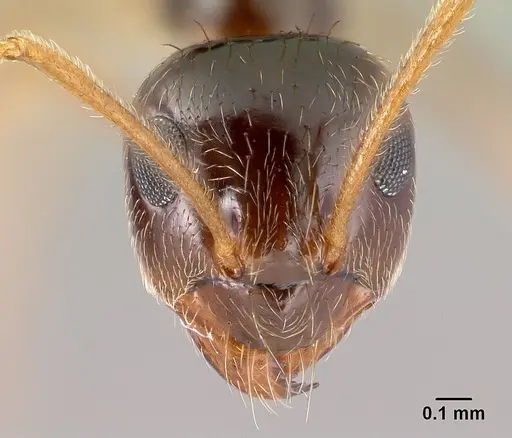
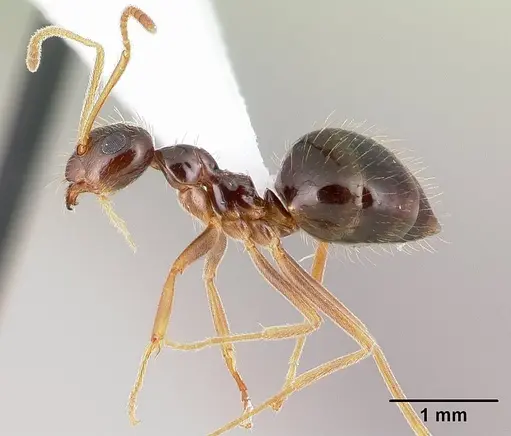
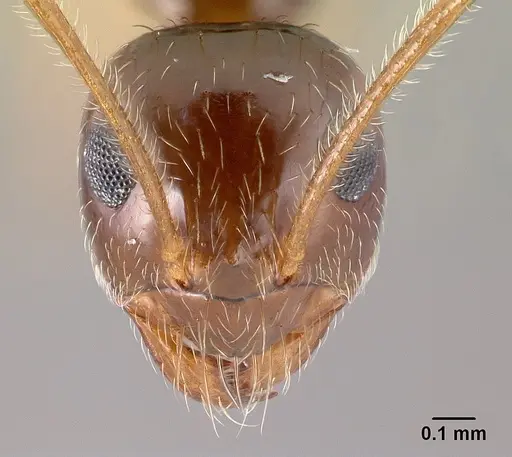
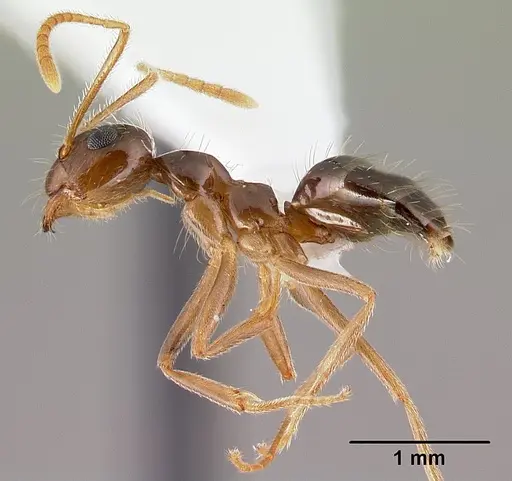
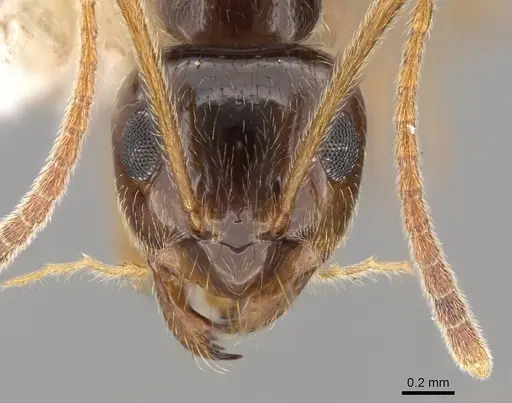
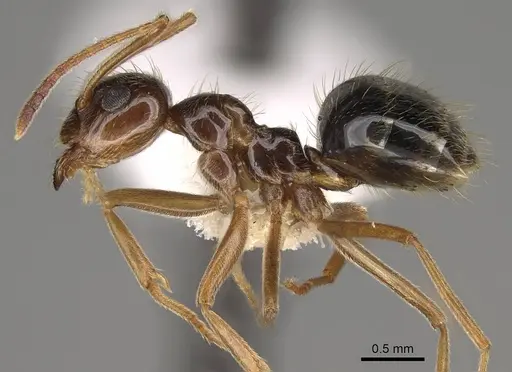
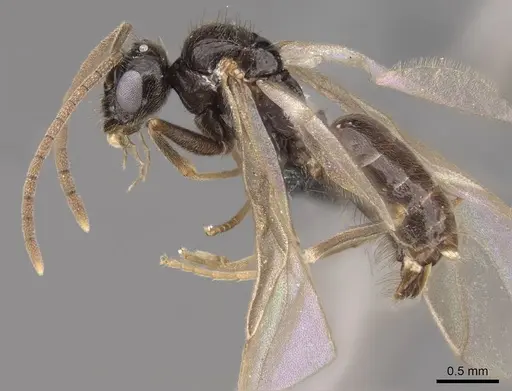
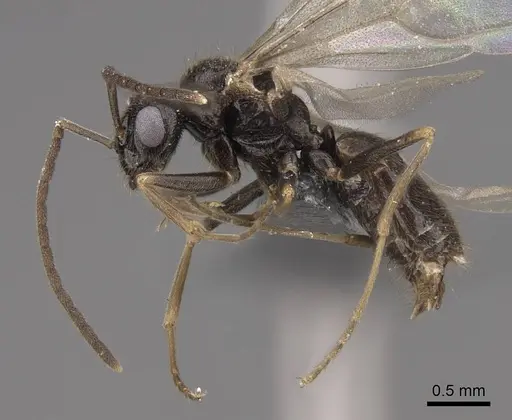
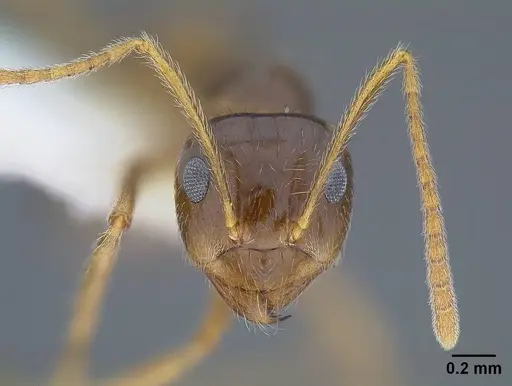
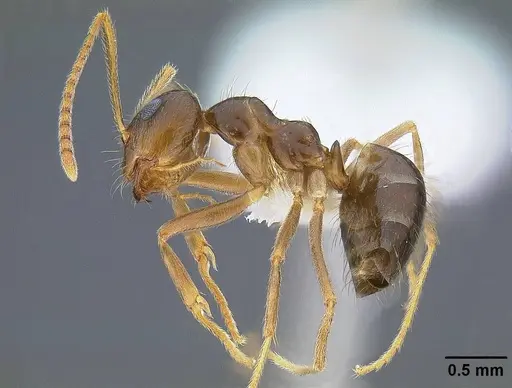
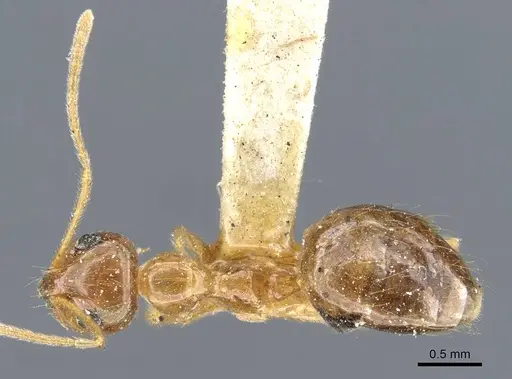
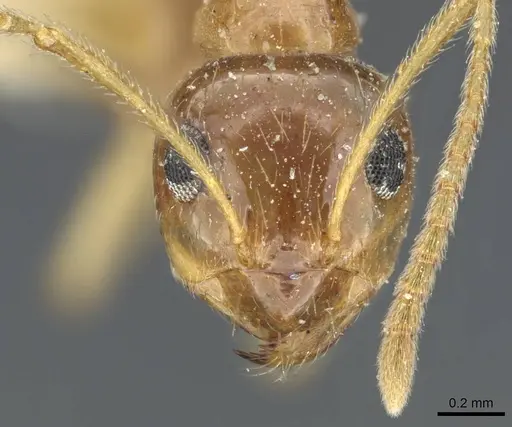
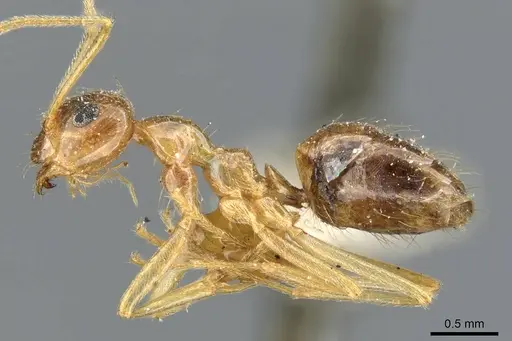
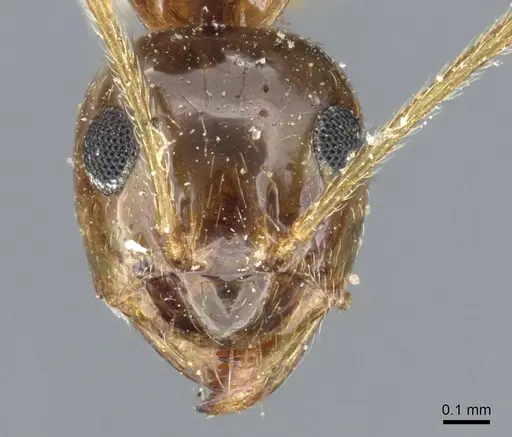
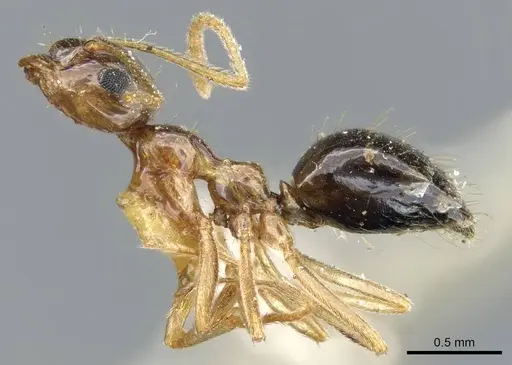
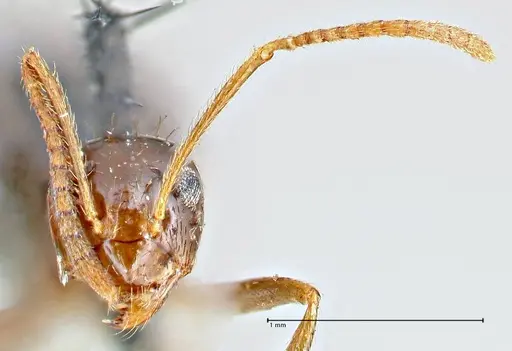
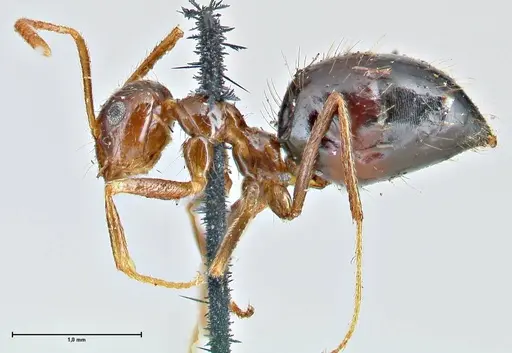
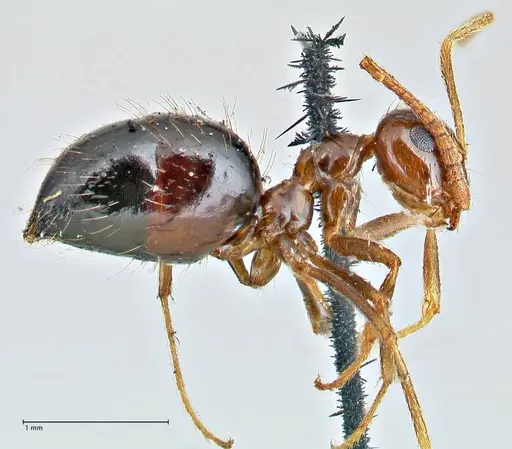
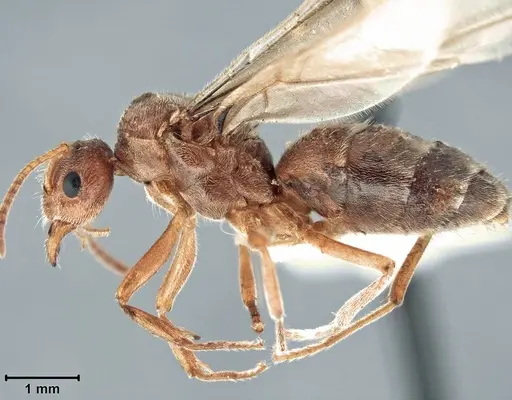
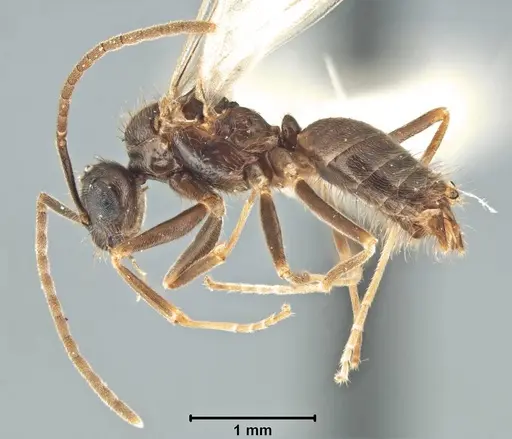
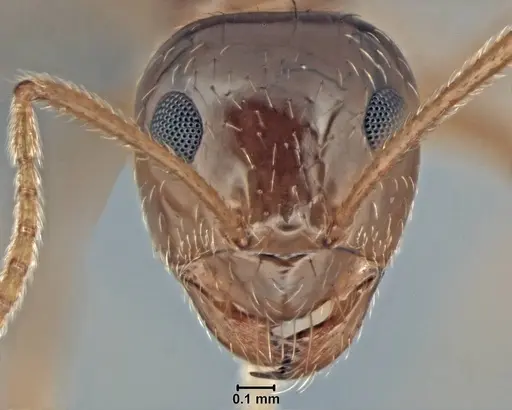
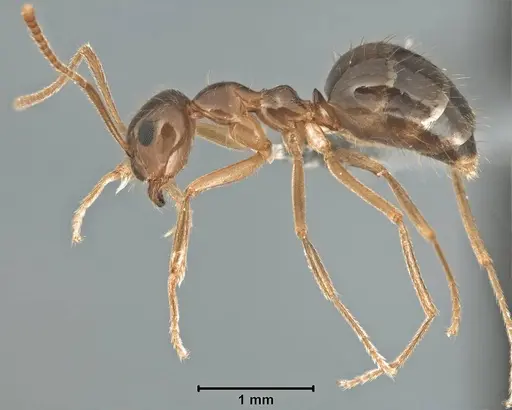
Prenolepis imparis, the winter ant, is native to temperate North America, ranging from southern Canada to Mexico. Workers are 2.8-4.4 mm long , with a smooth, shiny brown cuticle that varies from light yellowish-brown to dark brown. Queens are larger at 9-10 mm . Colonies are polygynous and build deep underground nests, with chambers often below 60 cm and extending down to 4 m . This species is known for foraging during cold months when most ants are inactive and estivating during summer, with workers storing fat reserves in distended abdomens .
Quick Summary
- Difficulty: Medium
- Origin & Habitat: Native to temperate North America, found in deciduous forests, woodland edges, and shaded areas with moist soil. Nests are deep underground, with chambers below 60 cm and up to 4 m deep [3][1].
- Colony Type: Polygynous (multiple queens per colony) [1].
- Size & Growth:
- Queen: 9-10 mm [2]
- Worker: 2.8-4.4 mm [1]
- Colony: Up to 11,000 workers [3]
- Growth: Moderate, produces only a single batch of brood per year [5]
- Development: Approximately 6-8 weeks at optimal temperatures (inferred from related Formicinae) (Development occurs during summer estivation when the colony is sealed underground)
- Antkeeping:
- Temperature: Keep cool, ideally 10-20°C. They are cold-tolerant and forage at temperatures near freezing [6]. Avoid temperatures above 25°C, as they become inactive above 26°C [7].
- Humidity: Keep nest substrate consistently moist but not waterlogged [1].
- Diapause: Yes, summer estivation. Colonies seal themselves underground during warm months and are active in fall, winter, and spring [8][4].
- Nesting: Requires deep nesting space. Provide nests with at least 15-20 cm vertical depth or multiple chambers [3]. Y-tong, plaster, or soil nests work well.
- Behavior: Timid and retiring, primarily nocturnal or crepuscular. Workers forage in trails and have a chemical defense against invasive Argentine ants [9]. Not aggressive toward humans and rarely sting. Escape risk is low.
- Common Issues: deep nesting requirement, shallow nests will stress this species [3], summer inactivity is normal, do not assume colony is dead when they stop appearing above ground in warm months, temperature management is critical, room temperature is often too warm, leading to colony decline, slow growth compared to tropical ants, produces only one brood per year so patience is required, captive colonies may fail if kept too warm, they need cool conditions year-round
Nuptial Flight Activity Analysis 2596 observations
Flight Activity by Hour 2596 observations
Prenolepis imparis nuptial flight activity peaks around 15:00 during the afternoon. Activity is spread across a 9-hour window (11:00–19:00). Times may be influenced by human observation patterns.
Temperature and seasonal care
Keep Prenolepis imparis cool, ideally between 10-20°C year-round. They are cold-tolerant and forage actively at temperatures near freezing [6]. Peak foraging occurs at 7-16°C [7], and they become inactive above 26°C [5]. Room temperature is often too warm, consider a cooler location like a basement or use a thermoelectric cooler. High-elevation populations show greater cold tolerance, so source ants from a climate similar to yours [6].
Feeding and diet
Prenolepis imparis is a generalist omnivore with a preference for liquid foods. In the wild, they feed on honeydew, nectar, plant sap, dead insects, and earthworms [1]. Workers can consume large quantities of liquid, increasing body weight by 130-200% [10]. In captivity, offer sugar water or honey water constantly, and provide protein like small insects 2-3 times weekly. They accept fruit occasionally and do not tend aphids in captivity [1][10].
Nest setup and deep housing
Prenolepis imparis builds extremely deep nests in the wild, with chambers below 60 cm and up to 4 m deep [3]. In captivity, provide a nest with at least 15-20 cm vertical depth or multiple connected chambers. Y-tong, plaster, or soil-based nests work well. Keep the nest humid but not wet, and place it in a dark location. Avoid heat sources to maintain cool conditions [3].
Understanding estivation
Prenolepis imparis is active during fall, winter, and spring, and estivates (becomes dormant) during summer. Colonies seal themselves underground during warm months and use fat reserves stored in workers to rear brood [8][4]. In captivity, expect reduced activity from May to September. Do not assume the colony is dead, maintain humidity and offer food occasionally. Activity resumes as temperatures drop in fall [8].
Defense and coexistence with other ants
Prenolepis imparis has a chemical defense from Dufour's gland that is lethal to invasive Argentine ants [9]. This, combined with their cold tolerance, allows them to coexist with Argentine ants [11]. They are not aggressive toward humans and rarely sting, preferring to retreat when threatened [9].
Frequently Asked Questions
Can I keep Prenolepis imparis in a test tube?
Test tubes are not ideal due to their deep-nesting behavior. Use them temporarily for founding, but transfer to a deeper nest like Y-tong or plaster within a few months [3].
How long does it take for the first workers to appear?
Expect 6-8 weeks from founding to first workers, similar to other Formicinae. Colony growth is slow, with only one brood per year [5].
Do Prenolepis imparis need hibernation?
No, they are winter-active and summer-dormant (estivation). You do not need to induce hibernation, instead, manage summer temperatures to prevent overheating [8][4].
Are Prenolepis imparis good for beginners?
They are moderate difficulty due to their reversed seasonal cycle, need for cool temperatures, and deep-nesting requirements. If you can provide a cool environment, they are rewarding to keep [4].
What temperature should I keep them at?
Keep them cool, between 10-20°C. They tolerate near-freezing temperatures and are most active around 7-16°C. Avoid above 25°C [7][6].
Why are my winter ants not moving?
Check the temperature, if above 25°C, they may be too warm. If it's summer (May-September), they may be estivating. During estivation, they rest underground with minimal activity. Maintain cool, humid conditions and wait for fall [8][4].
Can I keep multiple queens together?
Yes, Prenolepis imparis is naturally polygynous. Multiple dealate queens can establish a colony cooperatively [1].
What do false repletes mean?
Workers with distended abdomens store fat reserves, not liquid food, for use during summer estivation [4].
Why are they called winter ants?
They are most active during cooler months, fall, winter, and spring, unlike most ants that are active in summer [4].
When is the nuptial flight of Prenolepis imparis?
The nuptial flight of Prenolepis imparis typically occurs From March to April.
What time of day does Prenolepis imparis fly?
The nuptial flight of Prenolepis imparis peaks around 15:00 during the afternoon, with most activity between 11:00 and 19:00. Times may be influenced by human observation patterns.
Report an Issue
The current care sheet is based fully on literature. See inconsistencies, or something that's incorrect? Please , it will be resolved after review from an admin. Contributing to the blogs tab also helps providing information, to make us be able to further improve the caresheets. Thank you for your support!
References

This caresheet is licensed under CC BY-SA 4.0 .
Community Blogs
ANTWEB1041592
View on AntWeb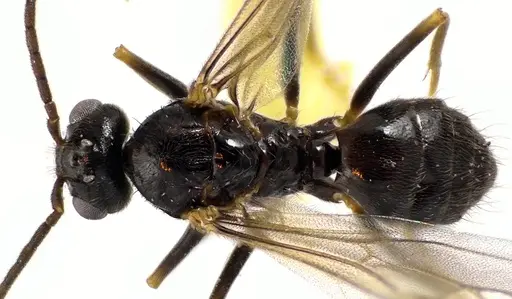
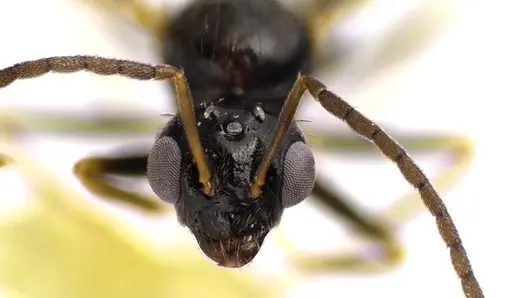
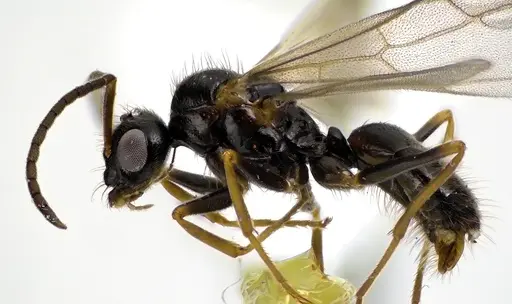
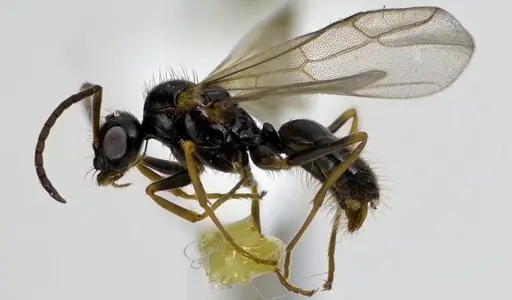
ANTWEB1041593
View on AntWeb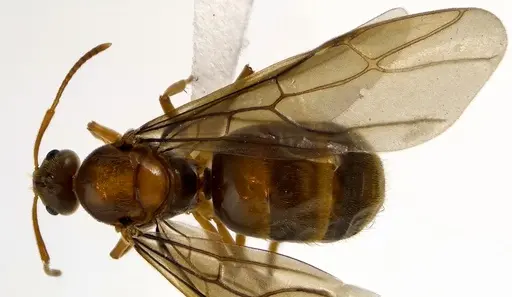
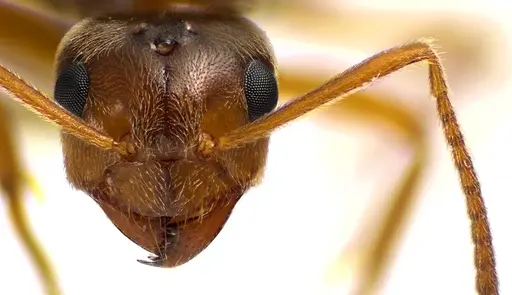
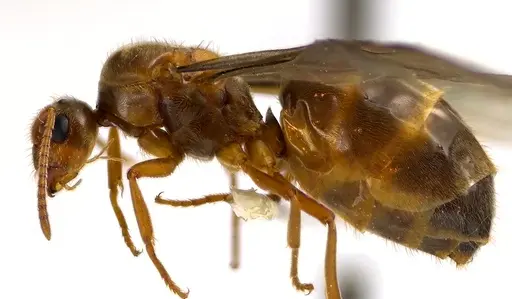
ANTWEB1041609
View on AntWeb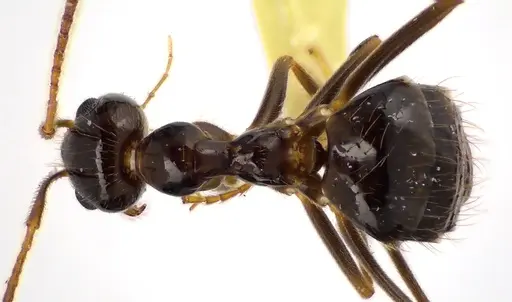
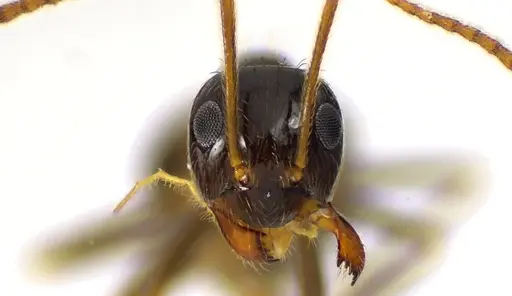
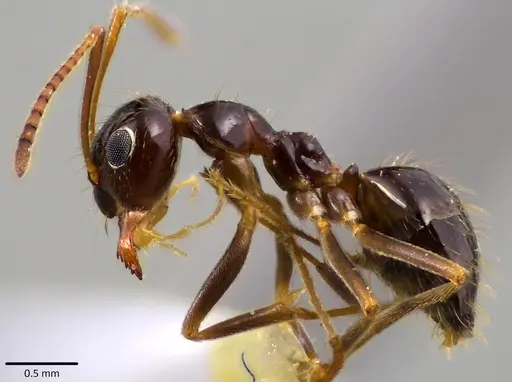
ANTWEB1041689
View on AntWeb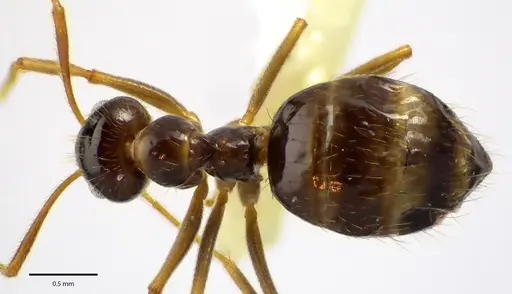
CASENT0005429
View on AntWeb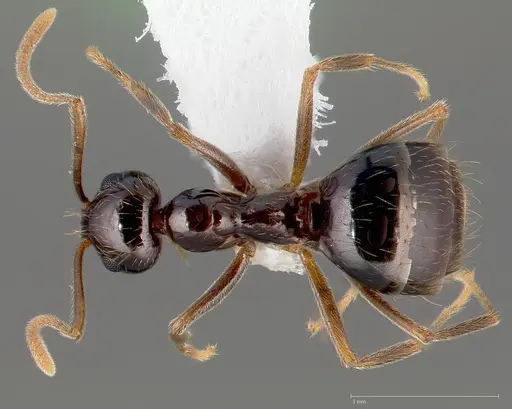
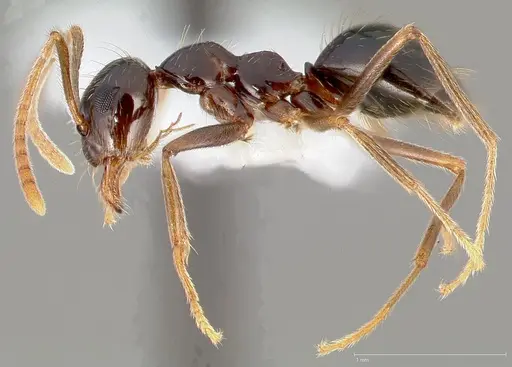
CASENT0005432
View on AntWeb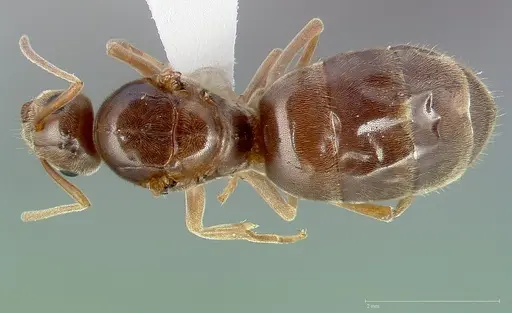
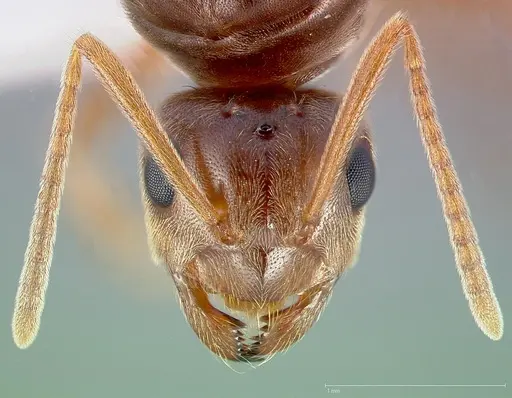
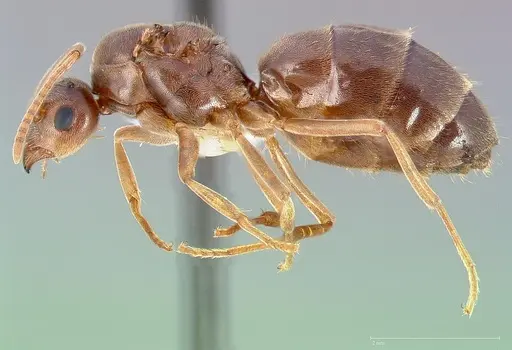
CASENT0102823
View on AntWeb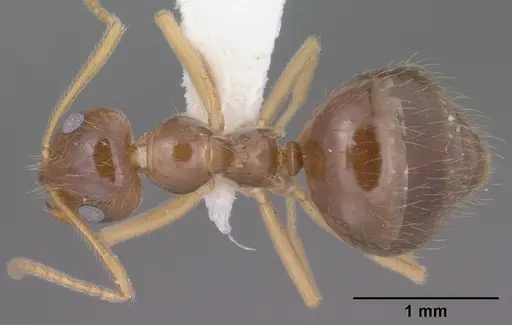
CASENT0103873
View on AntWeb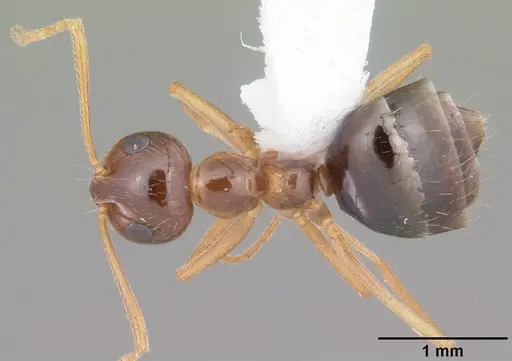
CASENT0104433
View on AntWeb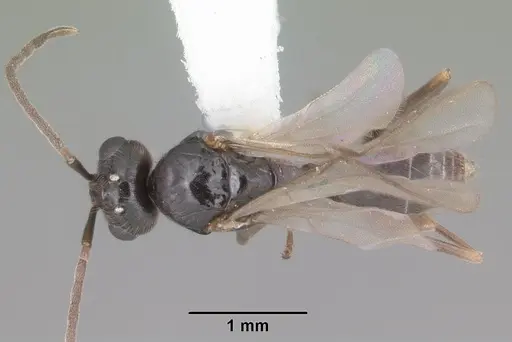
CASENT0104434
View on AntWeb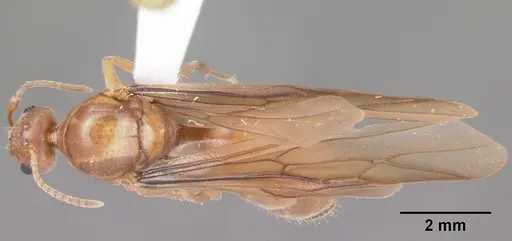
CASENT0104863
View on AntWeb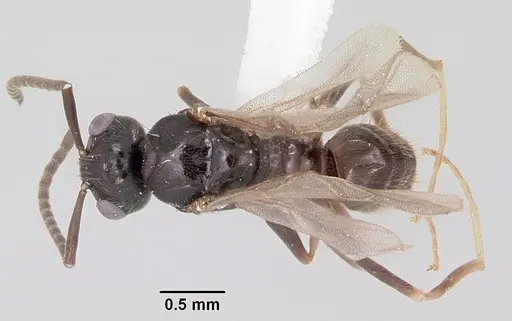
CASENT0106035
View on AntWeb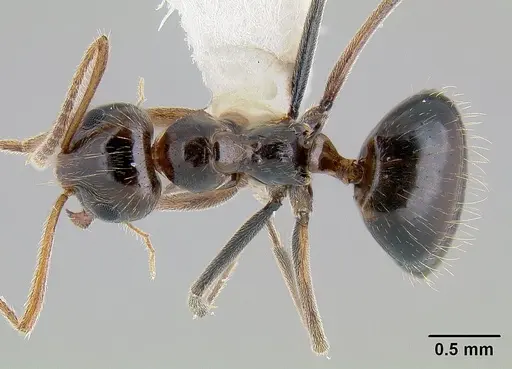
CASENT0179611
View on AntWeb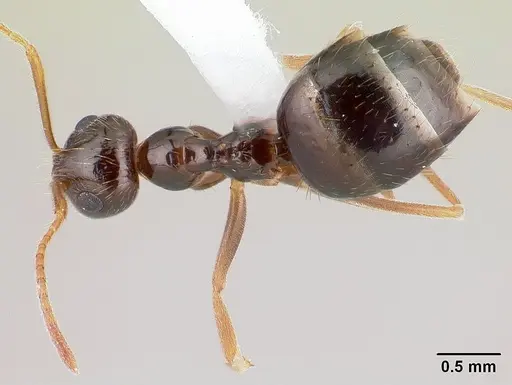
CASENT0179615
View on AntWeb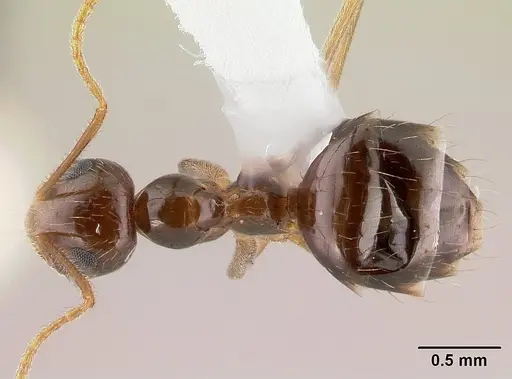
CASENT0281459
View on AntWeb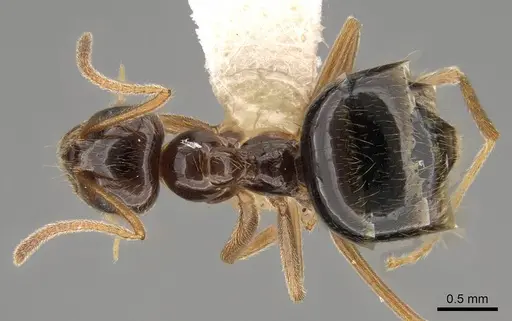
CASENT0770599
View on AntWeb
CASENT0770620
View on AntWeb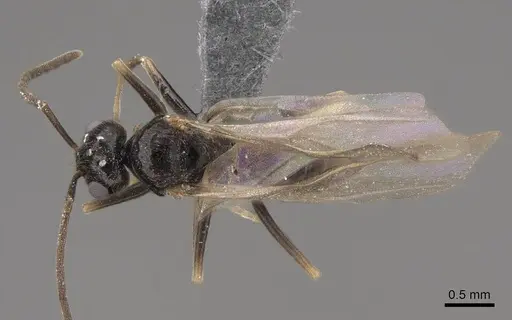
CASENT0844116
View on AntWeb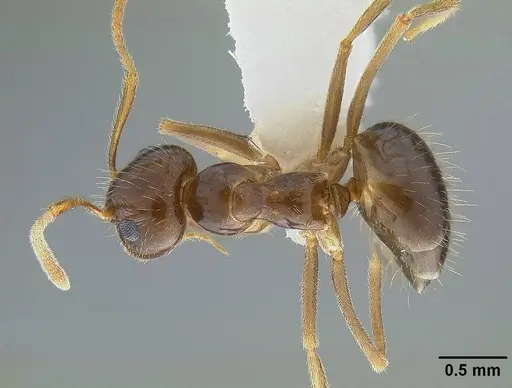
CASENT0905672
View on AntWeb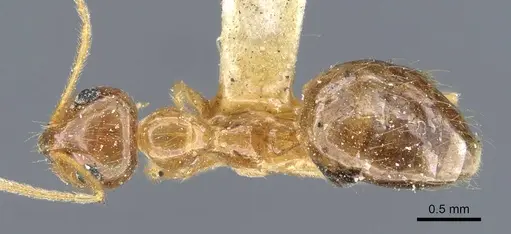
CASENT0905673
View on AntWeb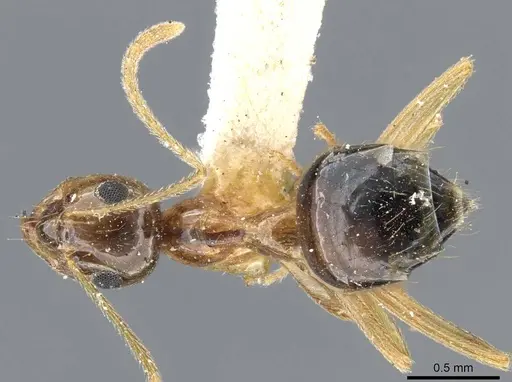
FOCOL2720
View on AntWeb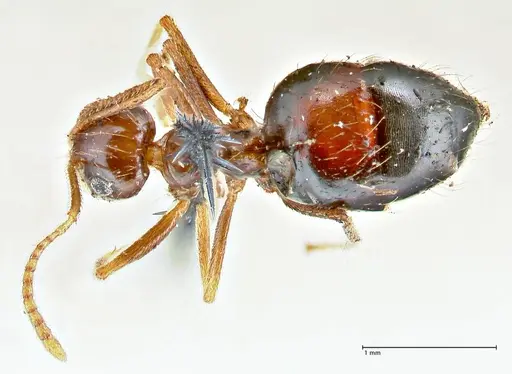
LACMENT326280
View on AntWeb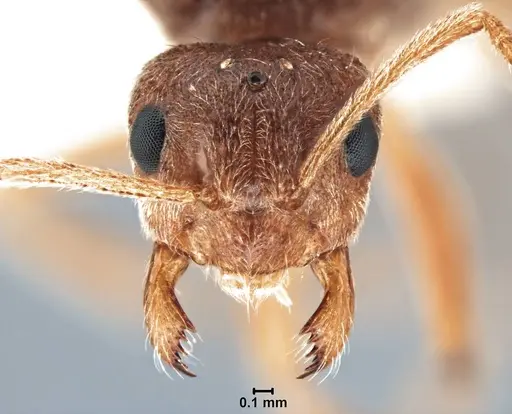
USNMENT00754902
View on AntWeb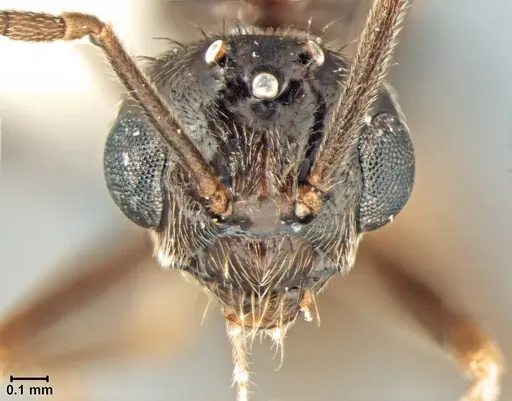
USNMENT00755082
View on AntWeb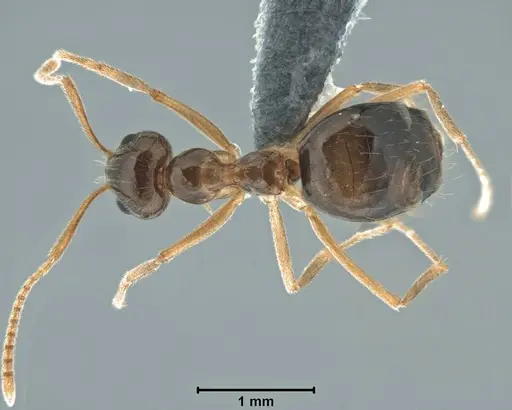
Literature
Loading distribution map...Loading products...