
Poneracantha rastrata
- Sci. Name
- Poneracantha rastrata
- Tribe
- Ectatommini
- Subfamily
- Ectatomminae
- Author
- Mayr, 1866
- Distribution
- Found in 2 countries
Introduction
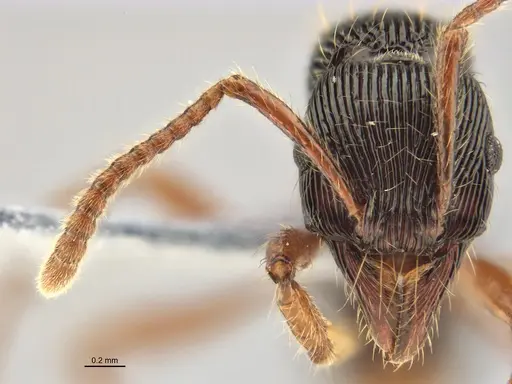
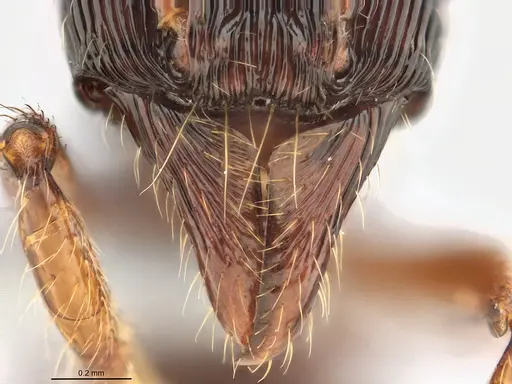
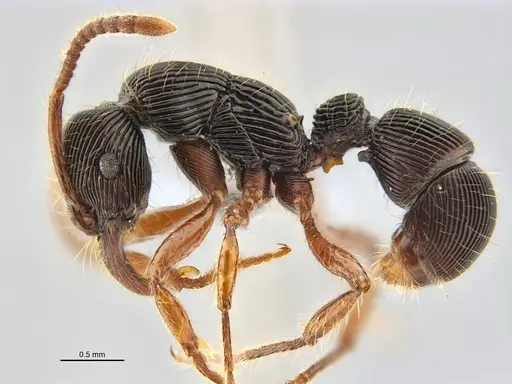
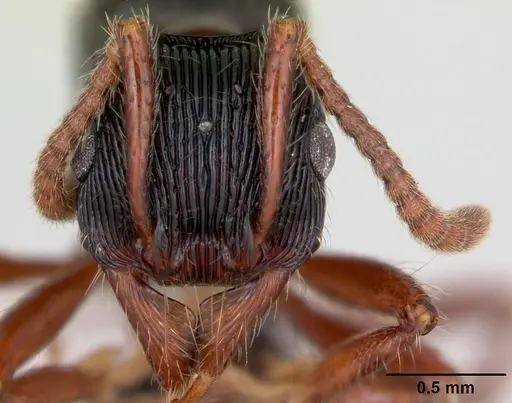
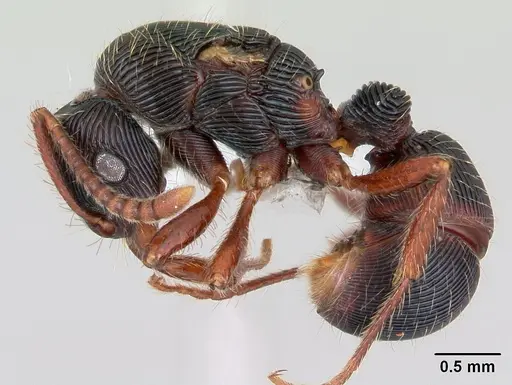
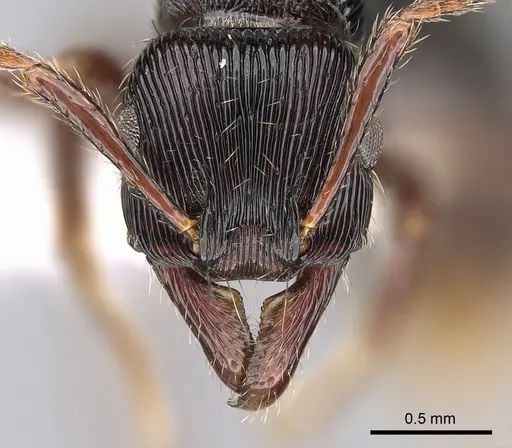
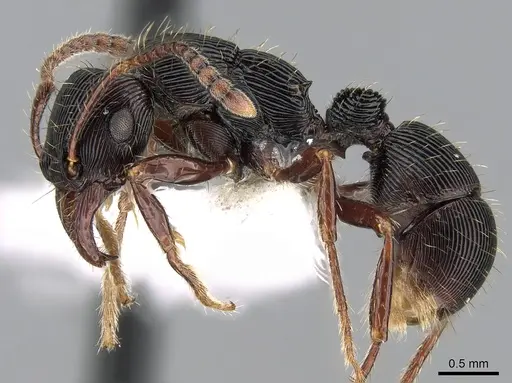
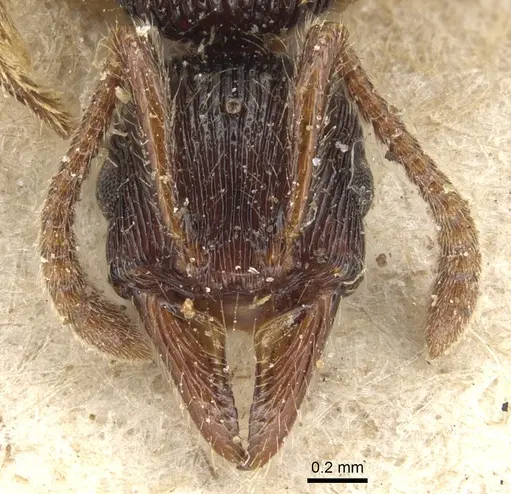
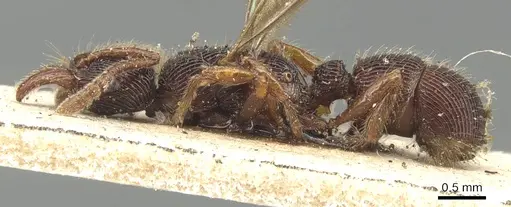
Poneracantha rastrata is a small predatory ant native to the Neotropical region, found across Argentina, Brazil, Paraguay, and Peru . Full body length measurements are not available in the literature, but the ants are relatively small. They have distinctive triangular, toothless mandibles and small propodeal teeth. The antennae extend just past the head margin, and the petiolar node is typically wider than long when viewed from above . These ants are ground-dwelling predators with a specialized diet focused on millipedes (Diplopoda), a rare feeding specialization among ants . They inhabit wet forests including montane areas in the Atlantic Forest of southern Brazil . This is a habitat specialist restricted to primary forest – they are not found in secondary forests or rubber plantations .
Quick Summary
- Difficulty: Medium
- Origin & Habitat: Native to the Neotropical region: Argentina, Brazil, Paraguay, and Peru [1]. Found in wet forests including montane areas in the Atlantic Forest of southern Brazil [5][1]. This is a habitat specialist restricted to primary forest – they are not found in secondary forests or rubber plantations [4]. Collected from the Santa Catarina Plateau region and surrounding areas [5], as well as the Iguazú National Park in Argentina [6].
- Colony Type: Colony structure is not well documented in available research. The queen was originally described by Mayr in 1866 [1]. Further study is needed on queen number and colony organization.
- Size & Growth:
- Queen: Size data unavailable – no confirmed full body length measurements for queens
- Worker: Size data unavailable – no confirmed full body length measurements for workers
- Colony: Unknown – no colony size data available in research
- Growth: Unknown – development timeline not studied
- Development: Unknown – no direct development data available for this species (Based on related Ectatomminae species, development likely takes several months at tropical temperatures. More research is needed.)
- Antkeeping:
- Temperature: Keep at warm and stable temperatures (roughly 24–28°C) – these are tropical forest ants. Provide a temperature gradient with a heating cable on one side so they can regulate their exposure. Avoid temperatures below 20°C or major fluctuations [1].
- Humidity: High humidity is essential – they inhabit wet forests. Keep the nest substrate consistently moist but not waterlogged. Provide a water source for drinking [1].
- Diapause: Unlikely – as tropical ants from Brazil, they probably do not require hibernation. Keep at stable warm temperatures year-round.
- Nesting: They are ground-dwelling ants that nest in soil and leaf litter. A Y-tong (AAC) or plaster nest with moist substrate mimics their natural environment. They prefer dark, humid nesting areas with chambers scaled to their small size [5][6].
- Behavior: These are predatory ants with a specialized millipede-focused diet. They are active foragers that hunt on the forest floor. Workers are small but show typical Ectatomminae hunting behavior. They have a functional stinger, though it is very small (surface area 0.10mm², volume 0.00028mm³) and likely used mainly for subduing prey [7]. Escape risk is moderate – their small size means they can slip through gaps, so use fine mesh and tight‑fitting lids. They are not aggressive toward humans but will defend their nest if threatened. Activity is probably nocturnal or crepuscular.
- Common Issues: specialized diet makes feeding challenging – you need to culture or source live millipedes or similar soft-bodied prey, habitat specialist does poorly in unnatural environments – avoid setups that don't mimic primary forest conditions, small size means escape prevention matters – use fine mesh and tight-fitting lids, high humidity requirements – dry conditions quickly stress colonies, limited availability in the antkeeping hobby – wild colonies are the primary source
Natural History and Distribution
Poneracantha rastrata is found across the Neotropical region including Argentina, Brazil, Paraguay, and Peru [1]. In Brazil, they are particularly associated with the Atlantic Forest in Santa Catarina state and surrounding regions [5]. These ants are habitat specialists restricted to primary forest – research shows they occupy 12 regions in primary forest but are completely absent from secondary forests or rubber plantations [4]. They prefer wet forests including montane areas and are typically collected using pitfall traps and Winkler sacs on the forest floor [5][6]. The species was originally described by Mayr in 1866 and has undergone taxonomic revisions, previously placed in Gnamptogenys before being moved to Poneracantha in 2022 [1].
Feeding and Diet
This species has a remarkably specialized diet compared to most ants – they are primarily millipede feeders (Diplopoda) [2][3]. This is an unusual feeding specialization among ants, as millipedes are well-defended arthropods with chemical defenses. In addition to millipedes, researchers have found Coleoptera (Scolytidae, Bostrichidae, Curculionidae) and Isopoda in their nests, suggesting they scavenge or hunt a variety of small invertebrates [8]. For captive care, this specialized diet presents a challenge – you will need to culture or source small millipedes, or experiment with other soft-bodied prey. Live prey is likely required since they are active predators. Related species in the Ectatommini tribe are predatory, so offering small live insects may be accepted. Sugar sources are not typically part of their diet in nature.
Temperature and Care
Poneracantha rastrata comes from tropical and subtropical forests in Brazil and surrounding countries, so they require warm, humid conditions. Maintain the nest area at roughly 24–28°C to mimic the stable temperatures of the forest floor in their native habitat [1]. A heating cable on one side of the nest creates a temperature gradient, allowing ants to move between warmer and cooler areas as needed. High humidity is essential since they inhabit wet forests. Keep the nest substrate consistently moist but not waterlogged – it should feel damp to the touch. Provide a water tube or small water source for drinking. Avoid temperature fluctuations and dry conditions, as these tropical ants are not adapted to environmental stress. Since they do not appear to have a diapause requirement, maintain stable conditions year‑round.
Nesting Preferences
In the wild, Poneracantha rastrata is a ground-dwelling species found in primary forest habitats. They are collected from leaf‑litter and soil using pitfall traps and Winkler sacs, indicating they nest in the forest floor substrate [5][6]. For captive housing, a naturalistic setup works best – use a nest with moist soil or plaster that maintains humidity. Y-tong (AAC) nests or plaster nests with small chambers suit their small size. They prefer dark, humid nesting areas and will typically remain hidden during the day, becoming more active at night. The nest should have chambers scaled to their tiny size. A small outworld area allows for foraging. Keep the entire setup in a warm, humid location away from direct sunlight and drafts.
Behavior and Temperament
As a member of the subfamily Ectatomminae, Poneracantha rastrata has a functional stinger, though it is very small with a surface area of 0.10mm² and volume of 0.00028mm³ [7]. The stinger shows intermediate morphology – compact and slightly curved – which is typical of predators that subdue soft‑bodied prey like millipedes [7]. In temperament, they are not particularly aggressive toward keepers but will defend their nest if threatened. They are active foragers that hunt on the forest floor, using their specialized mandibles to capture prey. Workers are small but determined hunters. They are not strong climbers, so escape risk is moderate – however, their tiny size means you should still use fine mesh and tight‑fitting lids to prevent escapes. They are likely nocturnal or crepuscular in activity patterns.
Frequently Asked Questions
What do Poneracantha rastrata ants eat?
They are specialized millipede feeders in the wild – this is a rare dietary specialization among ants [2][3]. In captivity, you will need to culture or source small millipedes. They may also accept other soft‑bodied prey like small insects, and researchers have found Coleoptera and Isopoda in their nests in the wild [8]. Live prey is likely required since they are active predators.
How big do Poneracantha rastrata colonies get?
Colony size is not well documented in available research. Worker body length is not confirmed in the literature – only head and mesosoma measurements are known from taxonomy (not full body length) [1]. Based on related Ectatomminae species, colonies likely reach several hundred workers at maturity, but this is an estimate rather than confirmed data.
Do Poneracantha rastrata ants sting?
Yes, they have a functional stinger as members of the Ectatomminae subfamily. However, the stinger is very small (surface area 0.10mm²) [7]. Given their tiny size and specialized predatory nature, their sting is likely mild and used primarily for subduing prey rather than defense against larger threats.
Are Poneracantha rastrata good for beginners?
This species is rated as Medium difficulty. They are not ideal for complete beginners because of their specialized dietary requirements (millipede feeding), high humidity needs, and habitat specialization. They require more specific care than common species like Lasius or Camponotus. However, experienced antkeepers interested in unusual species may find them rewarding.
What temperature do Poneracantha rastrata need?
Keep them at roughly 24–28°C – these are tropical forest ants requiring warm, stable conditions. A temperature gradient with a heating cable on one side allows them to regulate their exposure. Avoid temperatures below 20°C or major fluctuations [1].
Where is Poneracantha rastrata found?
They are native to the Neotropical region: Argentina, Brazil, Paraguay, and Peru [1]. They are particularly found in the Atlantic Forest of southern Brazil, especially Santa Catarina state. Importantly, they are habitat specialists restricted to primary forest – they are not found in secondary forests or plantations [4].
How long does it take for Poneracantha rastrata to develop from egg to worker?
The exact development timeline is not documented in available research. Based on related Ectatomminae species in tropical conditions, development likely takes several months. More research is needed on this species specifically.
Do Poneracantha rastrata need hibernation?
Unlikely – as tropical ants from Brazil, they probably do not require hibernation or diapause. Keep them at stable warm temperatures year-round (roughly 24–28°C). They are adapted to the relatively constant temperatures of their tropical forest habitat.
Can I keep multiple Poneracantha rastrata queens together?
The colony structure (monogyne vs polygyne) has not been documented in available research. Until more information is available, it is not recommended to combine unrelated queens. Some Ectatomminae species are polygynous, but this varies by species.
What size nest do Poneracantha rastrata need?
Use a small nest scaled to their tiny size – no confirmed full body length measurements exist, but they are small ants. Y-tong (AAC) nests with narrow chambers or plaster nests work well. They need moist substrate to maintain high humidity. A naturalistic setup with soil or a humid plaster formicarium mimics their forest-floor nesting preferences.
Report an Issue
The current care sheet is based fully on literature. See inconsistencies, or something that's incorrect? Please , it will be resolved after review from an admin. Contributing to the blogs tab also helps providing information, to make us be able to further improve the caresheets. Thank you for your support!
References

This caresheet is licensed under CC BY-SA 4.0 .
Community Blogs
ANTWEB1047614
View on AntWeb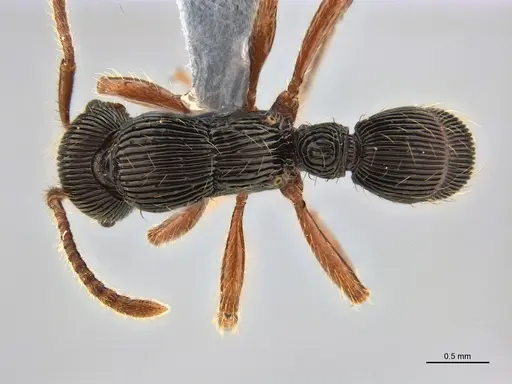
CASENT0173385
View on AntWeb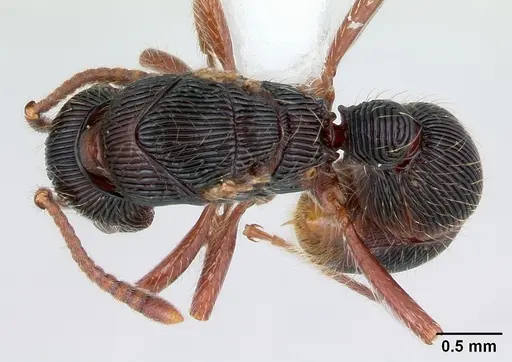
CASENT0281223
View on AntWeb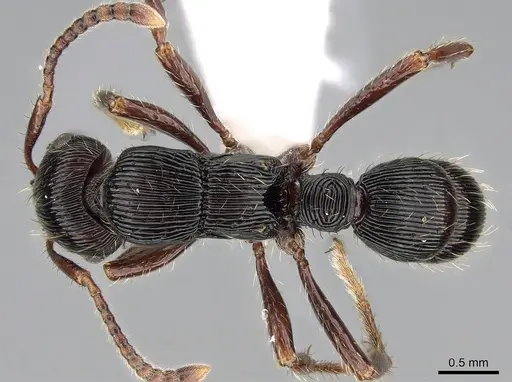
CASENT0903844
View on AntWeb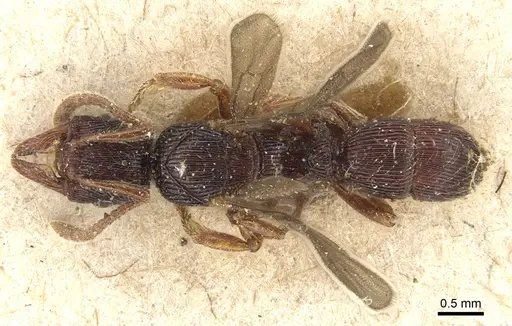
Literature
Loading distribution map...Loading products...