
Poneracantha lineolata
- Sci. Name
- Poneracantha lineolata
- Tribe
- Ectatommini
- Subfamily
- Ectatomminae
- Author
- Brown, 1993
- Distribution
- Found in 1 countries
Introduction
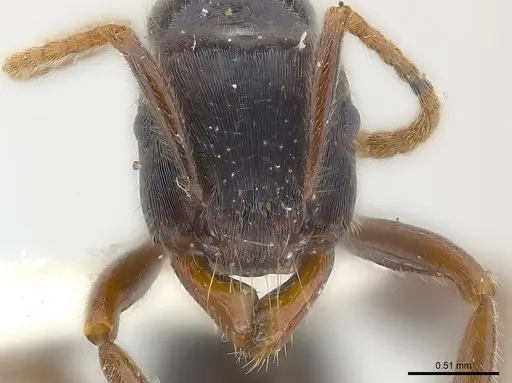
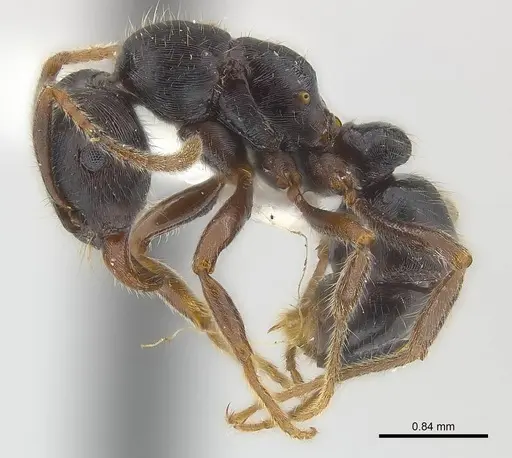
Poneracantha lineolata is a predatory ant endemic to the Dominican Republic on Hispaniola. Workers measure 5.2-5.8mm in total length , with a striate body, triangular mandibles with small teeth , and a roughly square head. The body color ranges from brownish black to yellowish brown. This species belongs to the rastrata complex and is a relatively primitive member of its group in the New World . It inhabits various forest types at elevations of 845-1,090 meters and nests opportunistically under stones, in downed wood, and under epiphytes .
Quick Summary
- Difficulty: Medium
- Origin & Habitat: Endemic to the Dominican Republic (Hispaniola), found in La Vega and Duarte provinces at elevations of 845-1,090m [3][4]. Inhabits broad-leaf valley forest with pine, degraded forest remnants, and other forest types [1].
- Colony Type: Colony structure is unconfirmed. No data exists on queen number or social structure.
- Size & Growth:
- Queen: Size data unavailable, no queen measurements published
- Worker: 5.2-5.8mm total length [1]
- Colony: Unknown, no colony size data available
- Growth: Unknown, no development timing data available
- Development: Unconfirmed, no direct data. Based on related Ectatommini species, expect 6-10 weeks at optimal temperature. (Development timeline has not been directly studied.)
- Antkeeping:
- Temperature: Based on highland habitat (845-1,090m elevation) [3][4], they likely prefer moderate temperatures. Start around 20-24°C and monitor colony activity.
- Humidity: Based on mesophilic forest habitat [1], they need moderate to high humidity. Keep nest substrate consistently moist but not waterlogged.
- Diapause: Unknown, no data on overwintering requirements.
- Nesting: In captivity, provide a naturalistic setup. They naturally nest under stones, in rotting wood, and under epiphytes [1]. A Y-tong or plaster nest with damp substrate works well.
- Behavior: Workers are moderately active foragers collected from leaf litter and forest trails. They are predatory on small invertebrates and will defend the nest. Escape prevention should be moderate due to their manageable size.
- Common Issues: lack of published care information makes reliable husbandry guidelines difficult., humidity control is critical, too dry and brood will desiccate, too wet and mold becomes a problem., predatory diet requires a constant supply of small live prey., wild-caught colonies may have parasites that are difficult to treat., limited availability in the antkeeping hobby means few experienced keepers to learn from.
Natural History and Distribution
Poneracantha lineolata is a rare endemic species known only from the Dominican Republic. Original type specimens were collected from La Cienaga in Parque Nacional La Vega at approximately 1100 meters elevation [1]. Additional specimens are found at elevations of 845-1,090m across various forest types [3][4]. The species was originally described as Poneracantha lineolata in 1993 and moved to Poneracantha in 2022 [2].
Identification and Morphology
Workers measure 5.2-5.8mm in total length [1]. The head is subquadrate with subparallel sides, eyes situated behind mid-length, and mandibles triangular with denticles [2]. The body has fine longitudinal striation, and the propodeum lacks distinct teeth. Color ranges from brownish black to yellowish brown.
Nest Preferences and Housing
In the wild, they nest under stones, in downed rotting wood, and under epiphytes [1]. For captive care, provide a Y-tong or plaster nest with damp peat or soil, kept consistently moist but not waterlogged. Include a foraging area with access to small live prey.
Feeding and Diet
Based on tribe characteristics, they are likely predatory on small invertebrates. In captivity, offer small live prey such as fruit flies or springtails 2-3 times per week. Sugar sources may be accepted occasionally, but protein should be primary.
Temperature and Seasonal Care
Based on highland habitat [3][4], aim for nest temperatures of 20-24°C. Avoid temperatures above 28°C. A slight cool period in winter may be beneficial, but hibernation is not confirmed.
Frequently Asked Questions
How long does it take for Poneracantha lineolata to go from egg to worker?
The development timeline has not been directly studied. Based on related Ectatommini ants, expect approximately 6-10 weeks from egg to first worker at optimal temperature.
What do Poneracantha lineolata ants eat?
They are predatory ants that hunt small invertebrates. Feed small live prey such as fruit flies, springtails, and tiny crickets 2-3 times weekly.
Are Poneracantha lineolata ants good for beginners?
This species is not recommended for beginners due to limited published care information and predatory diet requirements.
Do Poneracantha lineolata ants need hibernation?
True hibernation is unconfirmed. Based on the mild climate of the Dominican Republic, a slight cool period may be beneficial, but no specific data exists.
What size colony do Poneracantha lineolata colonies reach?
Colony size data is not available in the scientific literature.
What nest type is best for Poneracantha lineolata?
A naturalistic setup with a Y-tong or plaster nest containing damp peat or soil works well, mimicking their natural nesting under stones and in wood.
Do Poneracantha lineolata ants sting?
As a member of the Ectatomminae subfamily, they possess a stinger. This is general taxonomic knowledge.
Can I keep multiple queens together?
Colony structure is unconfirmed, so it is not recommended to house multiple unrelated queens together.
What temperature should I keep Poneracantha lineolata at?
Keep nest temperatures around 20-24°C based on their highland habitat [3][4]. Avoid temperatures above 28°C.
Where is Poneracantha lineolata found in the wild?
This species is endemic to the Dominican Republic on Hispaniola, found at elevations of 845-1,090m in various forest types [3][4].
Report an Issue
The current care sheet is based fully on literature. See inconsistencies, or something that's incorrect? Please , it will be resolved after review from an admin. Contributing to the blogs tab also helps providing information, to make us be able to further improve the caresheets. Thank you for your support!
References

This caresheet is licensed under CC BY-SA 4.0 .
Community Blogs
CASENT0179965
View on AntWeb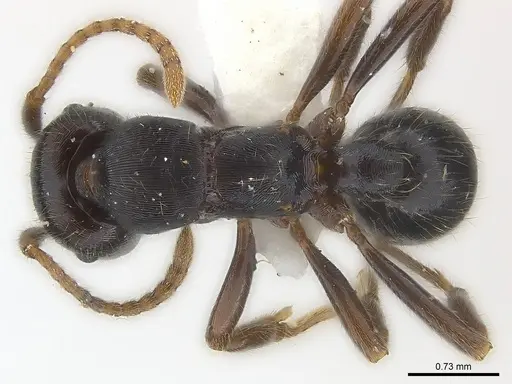
Literature
Loading distribution map...Loading products...