
Ponera swezeyi
- Sci. Name
- Ponera swezeyi
- Tribe
- Ponerini
- Subfamily
- Ponerinae
- Author
- Wheeler, 1933
- Distribution
- Found in 8 countries
Introduction
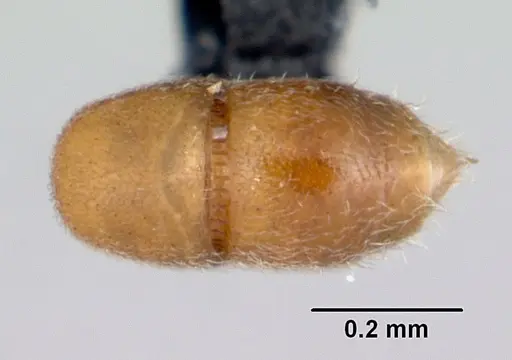
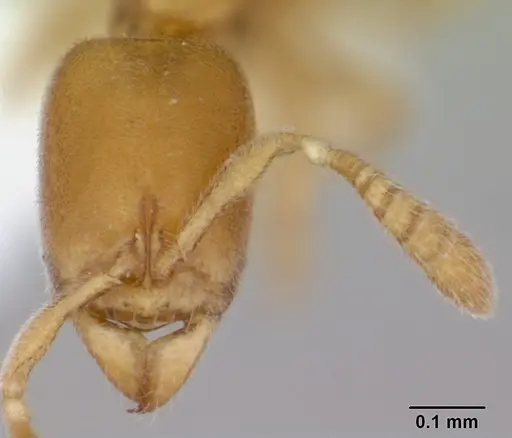
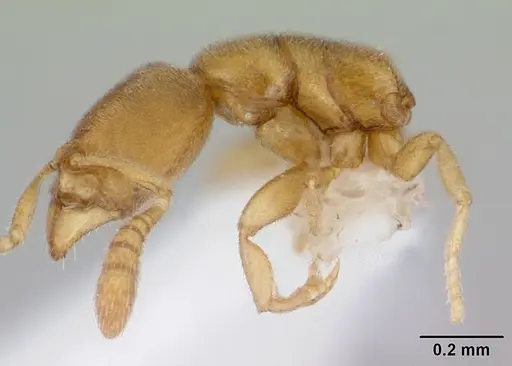
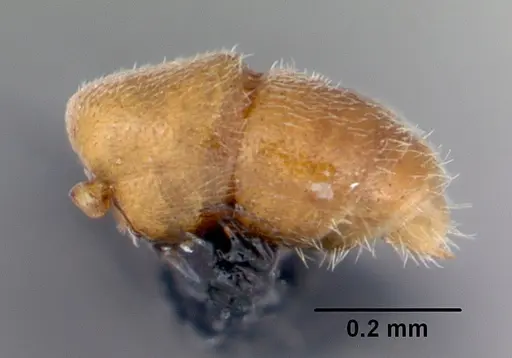
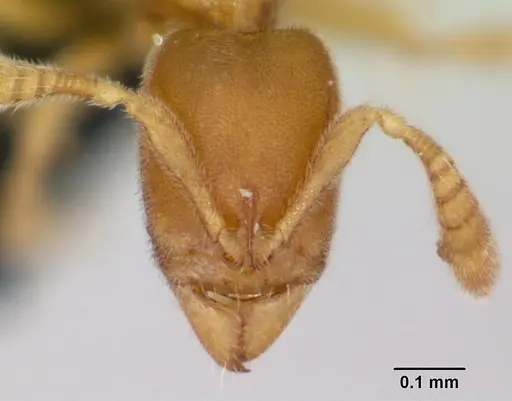
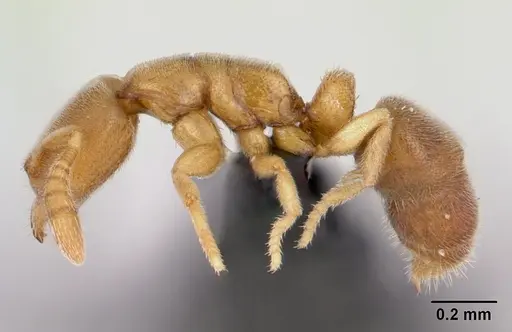
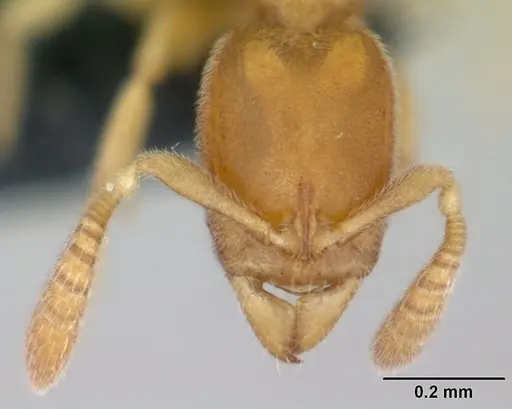
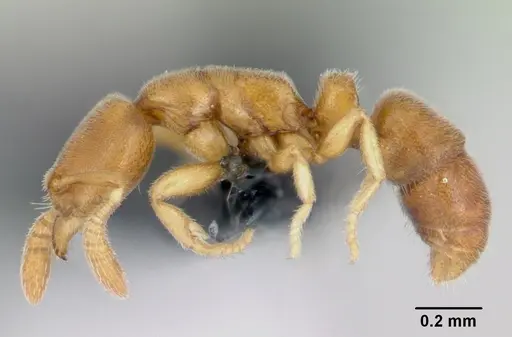
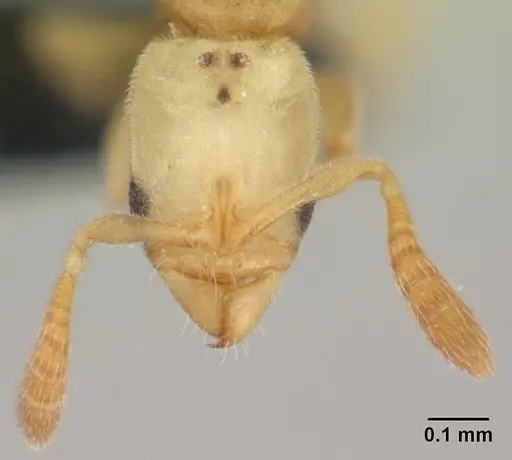
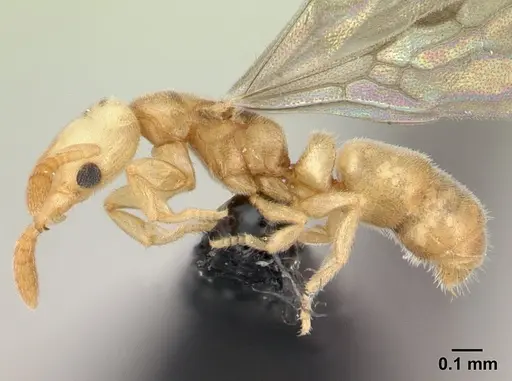
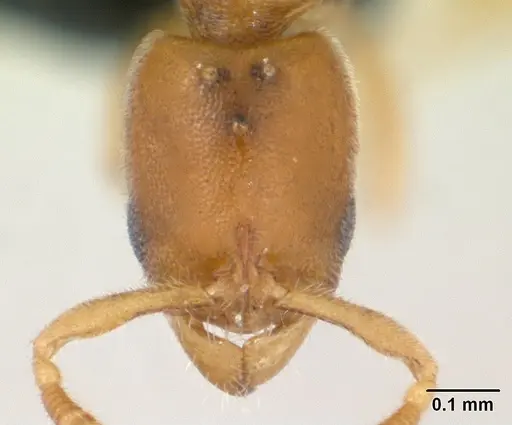
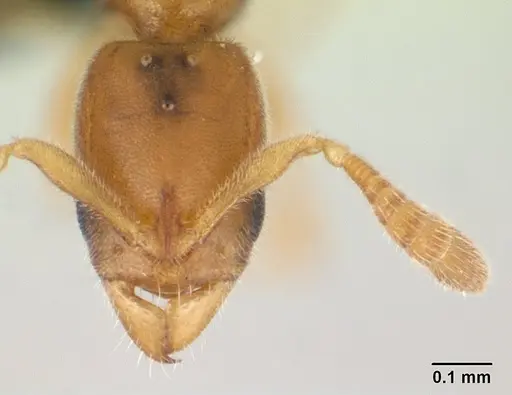
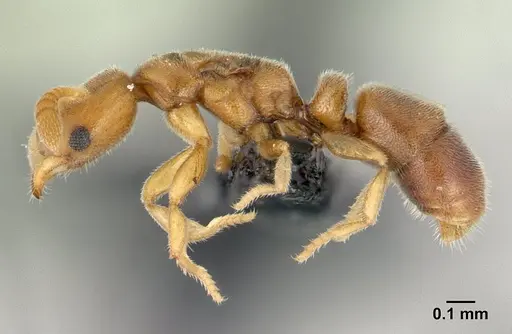
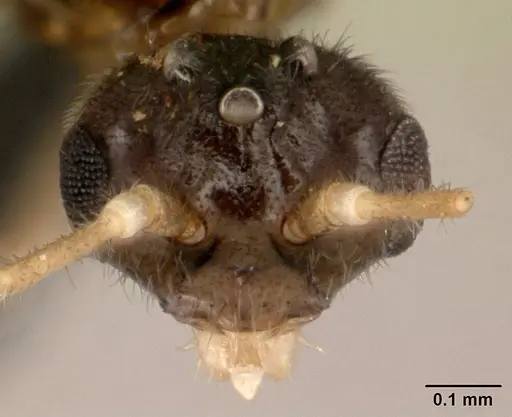
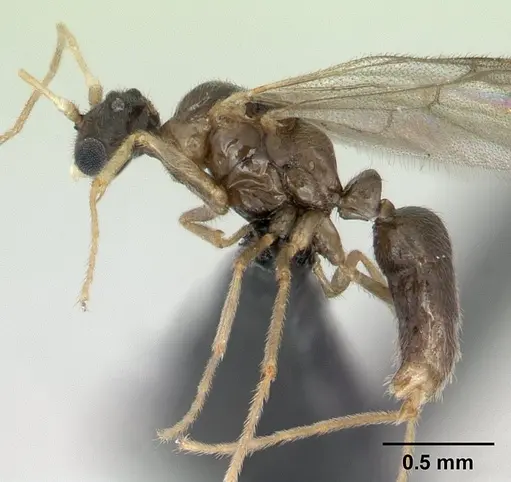
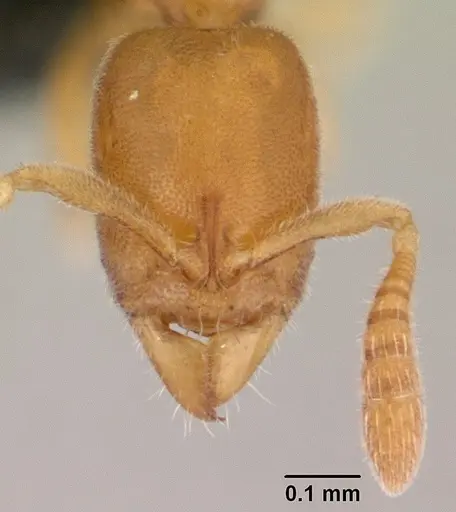
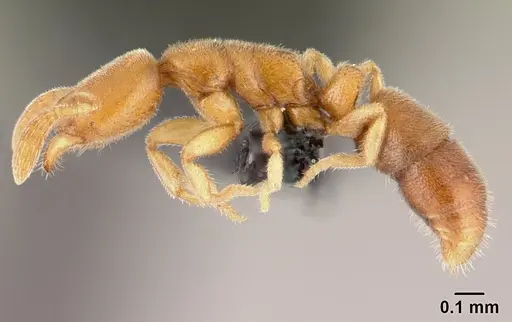
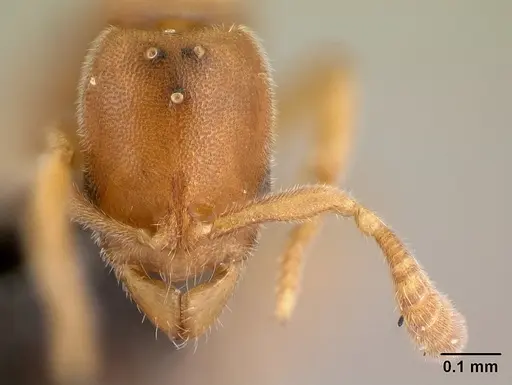
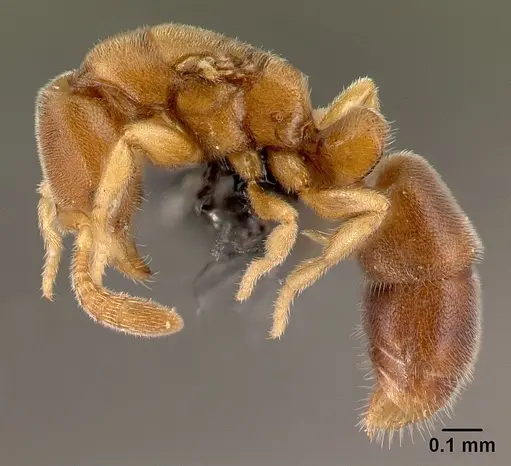
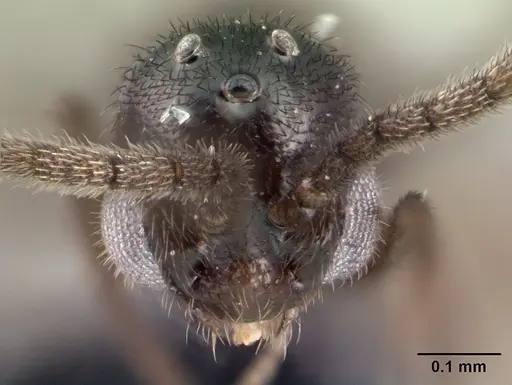
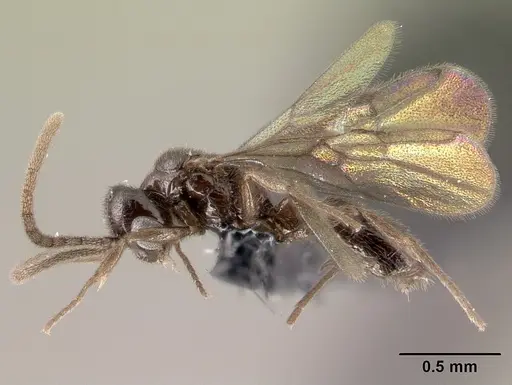
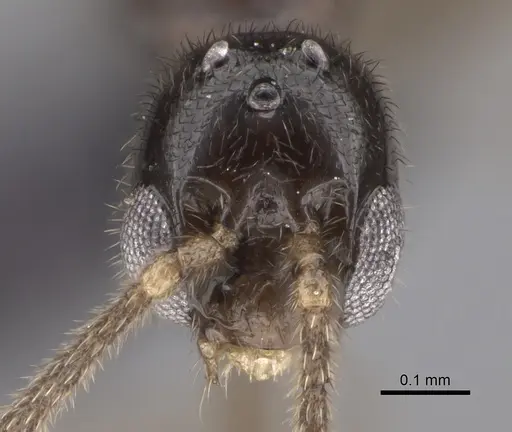
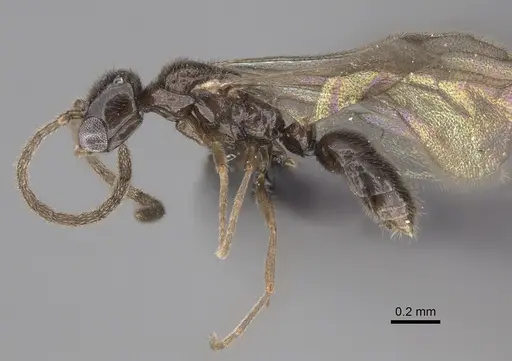
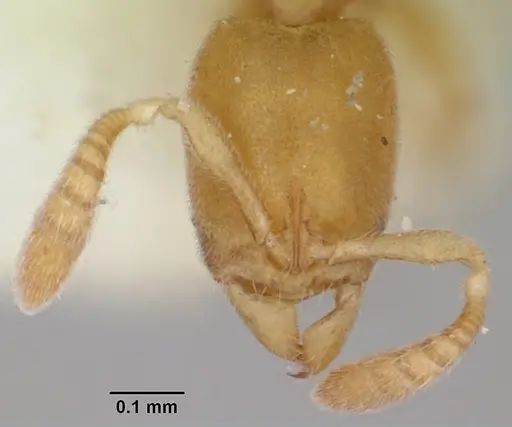
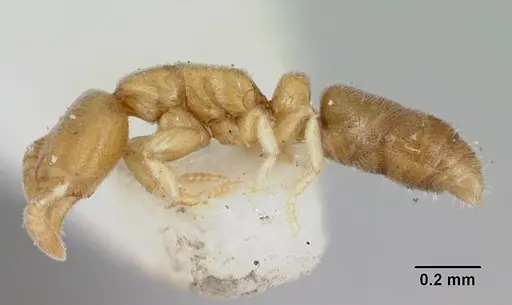
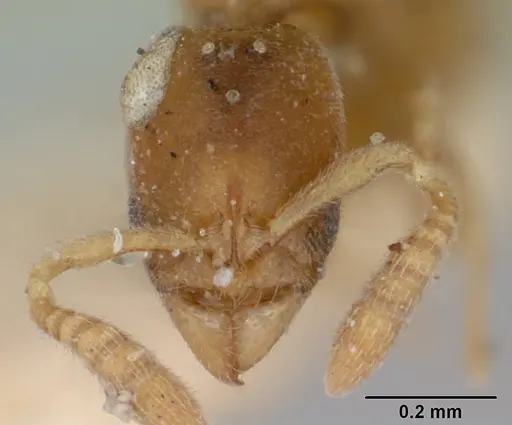
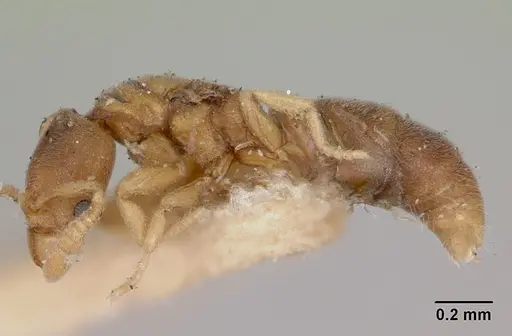
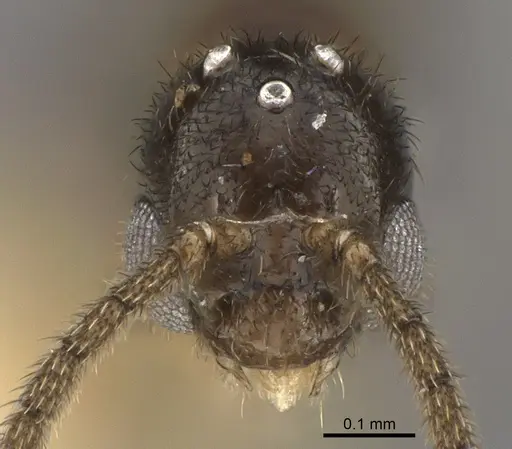
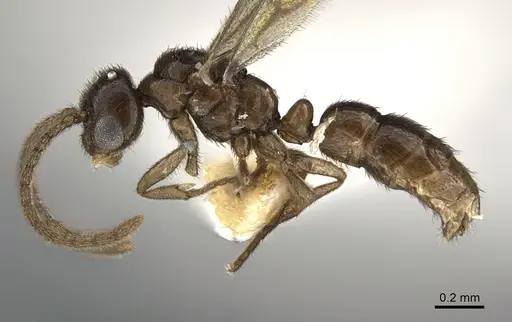
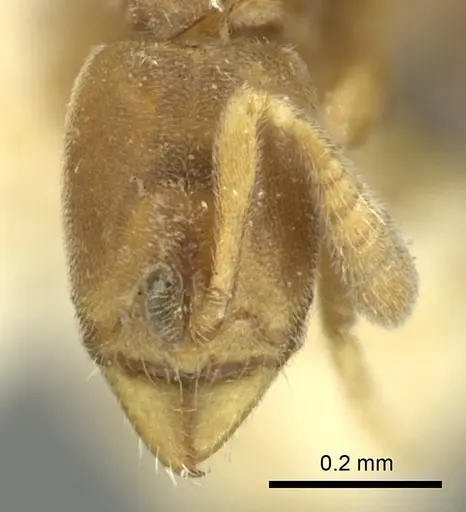
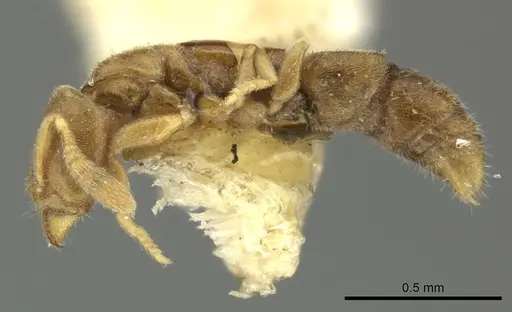
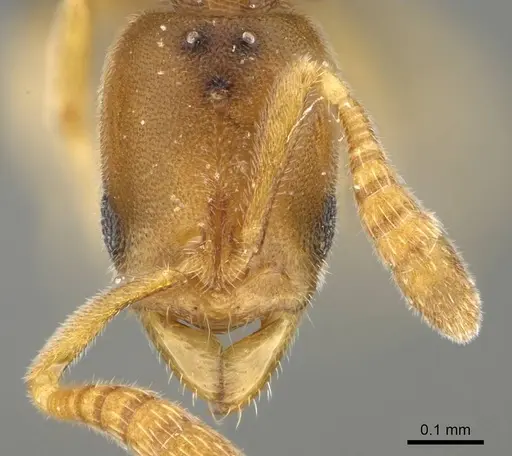
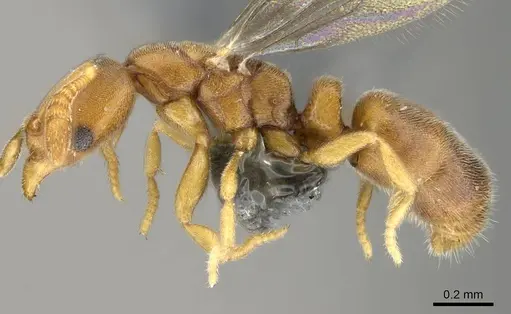
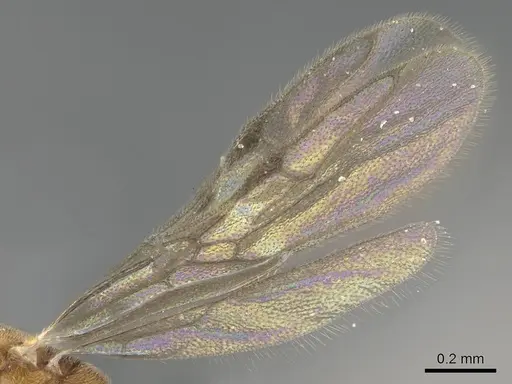
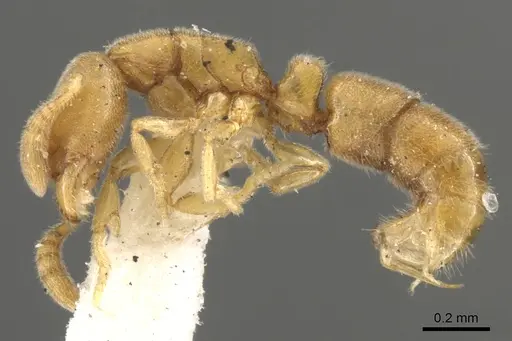
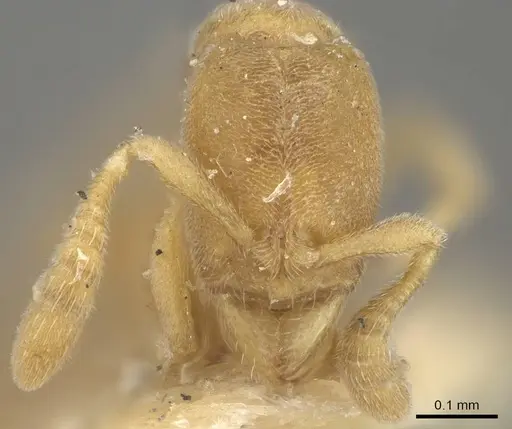
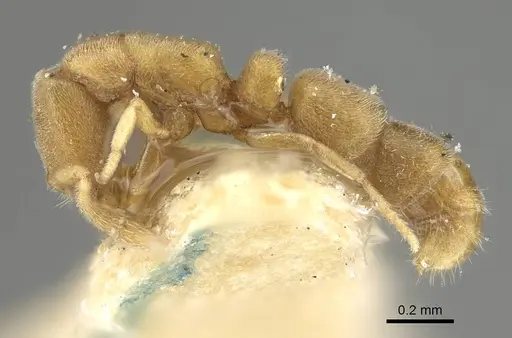
Ponera swezeyi is one of the smallest ants in the world, with workers measuring approximately 1.7 mm in total length . These tiny ants are yellow to light brown and have a five-segmented antennal club. They belong to the Ponerinae subfamily and are part of the tenuis species group. Originally described from Hawaii in 1933,this species is now found across Pacific islands, East Africa, and the Malagasy region, likely due to human-mediated introduction through soil transport with agricultural products . What makes Ponera swezeyi notable is its cryptobiotic lifestyle, it lives hidden in soil, leaf litter, and under stones rather than building obvious nests. Its tiny size and subterranean habits make it difficult to find and study in the wild .
Quick Summary
- Difficulty: Expert
- Origin & Habitat: Tropical and subtropical islands across the Pacific, Indian Ocean, and East Africa. Found in soil under pineapple plants in Hawaii, clay road cuttings in Samoa, and leaf litter in forests [2][3][4].
- Colony Type: Unconfirmed, no specific data on queen number or social structure
- Size & Growth:
- Antkeeping:
- Temperature: Keep warm, roughly 24-28°C, based on tropical habitat[3]
- Humidity: Keep substrate consistently moist but not waterlogged, as they live in soil and leaf litter [2][3]
- Diapause: No, tropical species, no diapause needed
- Nesting: Soil-dwelling species. Prefer tight, dark chambers in captivity. Use test tube setups with moist substrate or small naturalistic setups [2][3]
- Behavior: Cryptic and reclusive, rarely seen on the surface. Not aggressive and harmless to keepers, sting is too small to penetrate human skin. Escape risk is high due to tiny size, standard barriers may be ineffective [2][3].
- Common Issues: escape prevention is critical due to tiny size, they can squeeze through small gaps, slow growth and difficult establishment, colonies often fail from stress or neglect, require very small prey items like fruit flies or springtails, high humidity needs can lead to mold if ventilation is inadequate, this species is exotic and may be invasive, do not release into wild
Housing and Nest Setup
Ponera swezeyi requires housing scaled to its tiny size. Use a small test tube with a water reservoir sealed with cotton, or a container with moist substrate like coco peat. Provide dark, covered areas as they prefer confined spaces. Escape prevention is critical: use fine mesh (at least 0.5mm) on any openings, as these ants can walk through tiny gaps [2][3].
Feeding and Diet
They are predatory on small invertebrates. Feed tiny live prey such as fruit flies, springtails, or newly hatched pinhead crickets. Sugar sources like diluted honey may be accepted occasionally, but protein-rich prey should be primary. Remove uneaten prey after 24 hours to prevent mold.
Temperature and Humidity
Keep temperatures around 24-28°C with a slight gradient. Humidity should be high but not waterlogged, maintain moist substrate like a damp forest floor [2][3].
Colony Establishment and Growth
Queens are tiny and likely claustral, but founding behavior is unconfirmed. Expect slow growth, first workers may take 6-10 weeks. Do not disturb the queen unnecessarily [2].
Behavior and Temperament
Workers are cryptic and reclusive, rarely seen outside the nest. They are not aggressive and pose no threat. Escape risk is high due to minute size, use fine mesh barriers [2][3].
Legal and Ethical Considerations
This species is exotic and has spread through human activity. Do not release colonies into the wild, as they could establish invasive populations. Source from reputable breeders [4].
Frequently Asked Questions
How small is Ponera swezeyi?
Workers are about 1.7 mm in total length, making them one of the smallest ants [1].
Can I keep Ponera swezeyi in a test tube?
Yes, use a small test tube with moist substrate and fine mesh to prevent escapes [3].
What do Ponera swezeyi eat?
They eat tiny live prey like fruit flies and springtails. Sugar sources may be accepted occasionally.
How long until the first workers appear?
Estimated 6-10 weeks from egg to worker, based on related species.
Do Ponera swezeyi sting?
They have a sting but it is too small to harm humans [2].
Are Ponera swezeyi good for beginners?
No, this species is expert-level due to tiny size, specific care needs, and invasive potential [2][4].
How big do colonies get?
Colony size is unknown, but likely small due to tiny individual size.
Do Ponera swezeyi need hibernation?
No, as a tropical species, they remain active year-round.
Why are my ants dying?
Common causes include drying out, escapes, stress, mold, or lack of tiny prey [3].
Report an Issue
The current care sheet is based fully on literature. See inconsistencies, or something that's incorrect? Please , it will be resolved after review from an admin. Contributing to the blogs tab also helps providing information, to make us be able to further improve the caresheets. Thank you for your support!
References

This caresheet is licensed under CC BY-SA 4.0 .
Community Blogs
CASENT0000075
View on AntWeb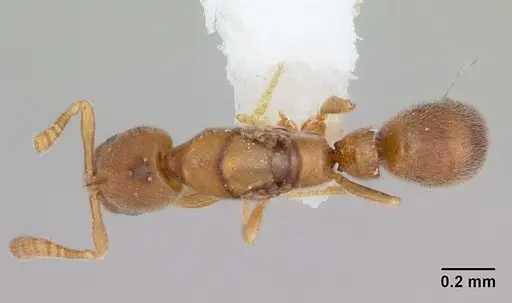
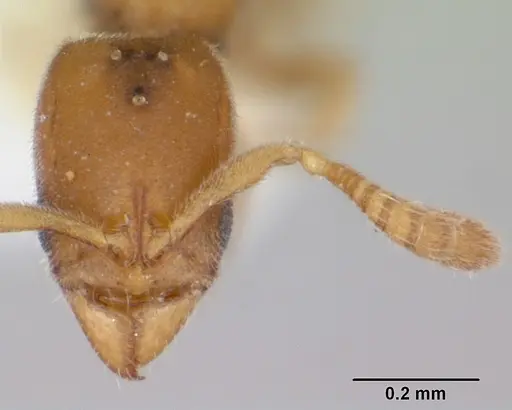
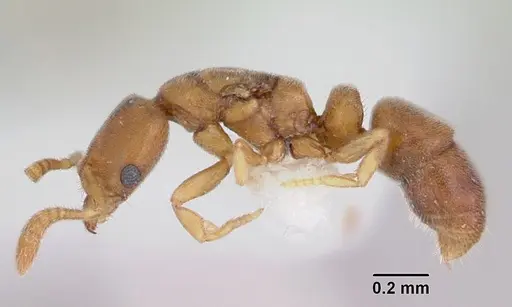
CASENT0000076
View on AntWeb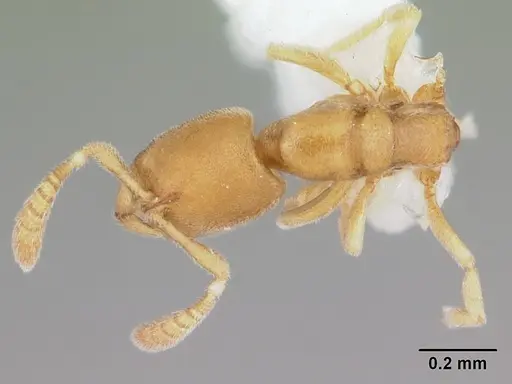

CASENT0047257
View on AntWeb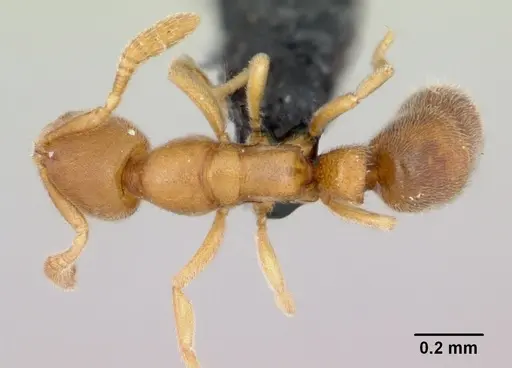
CASENT0069650
View on AntWeb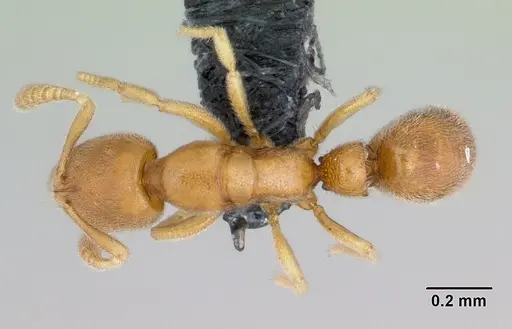
CASENT0132499
View on AntWeb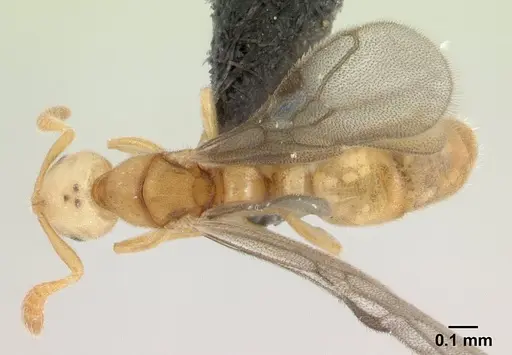
CASENT0133694
View on AntWeb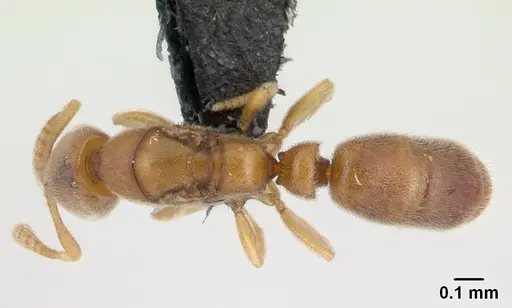
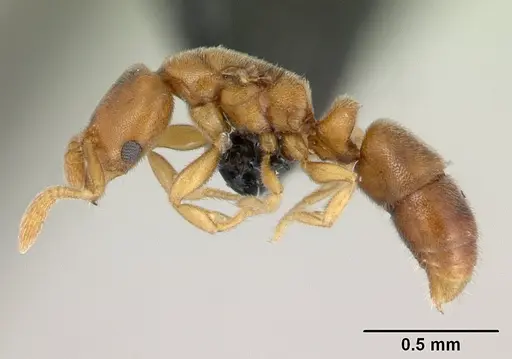
CASENT0135035
View on AntWeb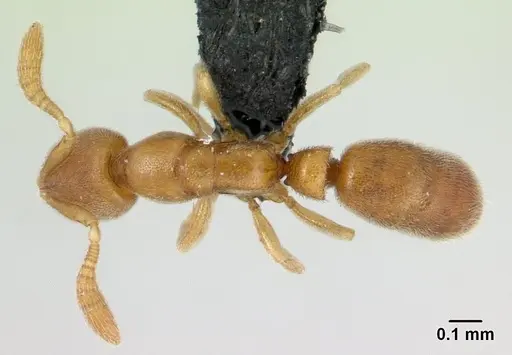
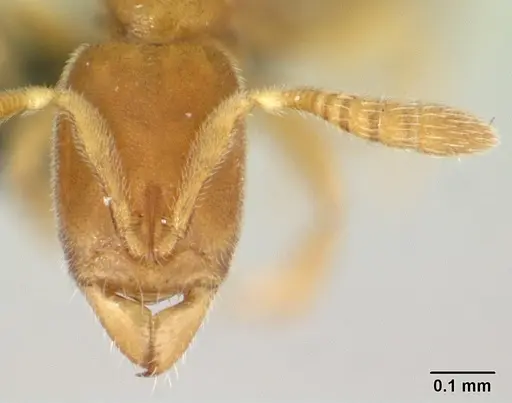
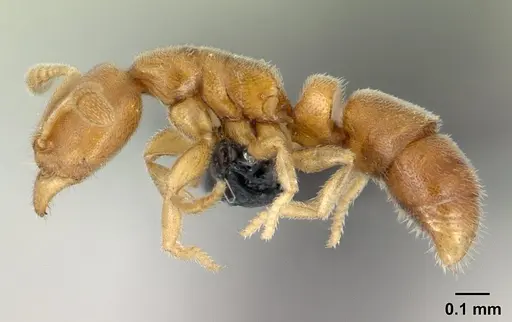
CASENT0135267
View on AntWeb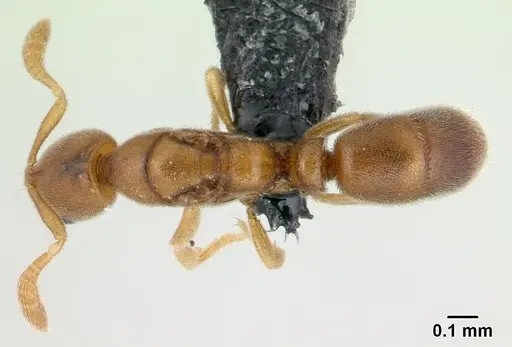
CASENT0136714
View on AntWeb
CASENT0147113
View on AntWeb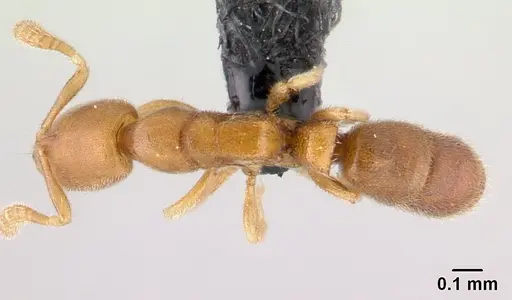
CASENT0159441
View on AntWeb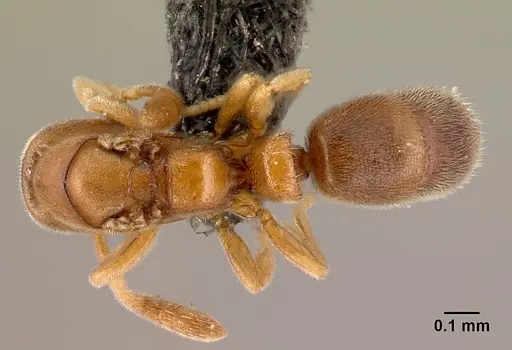
CASENT0159442
View on AntWeb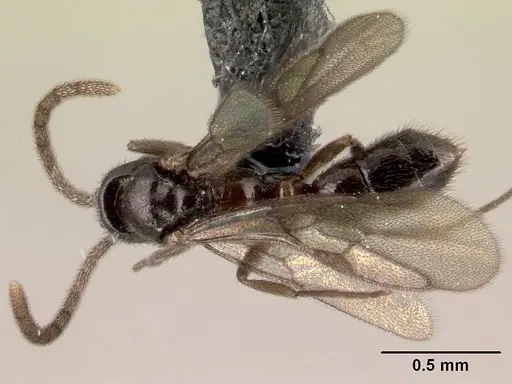
CASENT0160813
View on AntWeb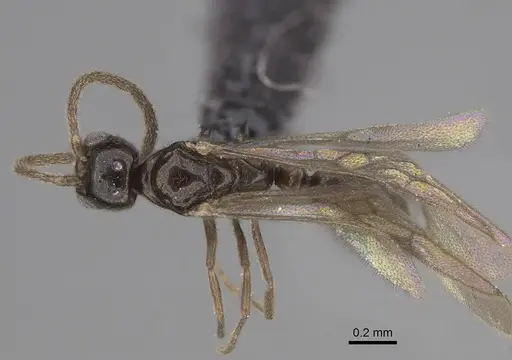
CASENT0173001
View on AntWeb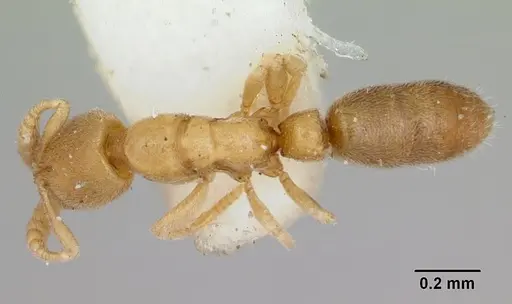
CASENT0173002
View on AntWeb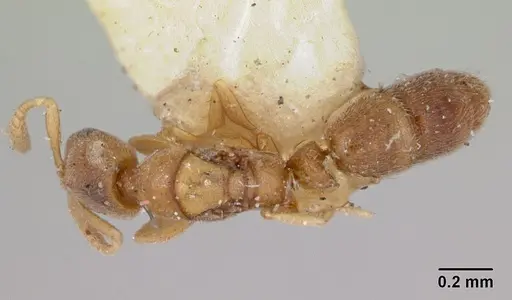
CASENT0189293
View on AntWeb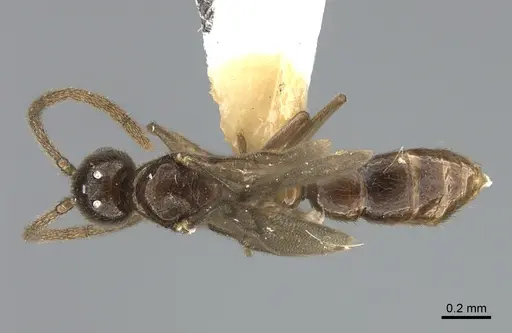
CASENT0194716
View on AntWeb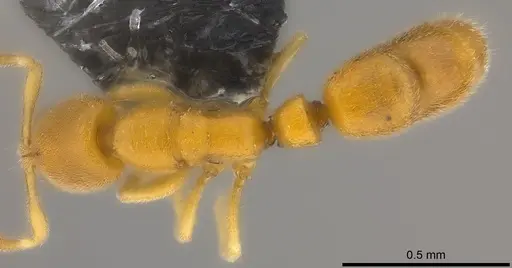
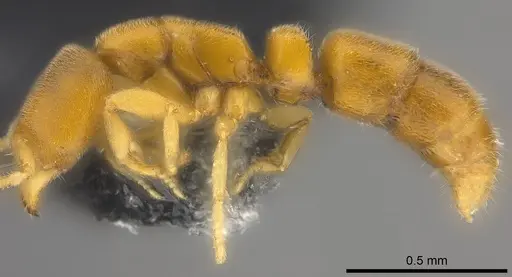
CASENT0249094
View on AntWeb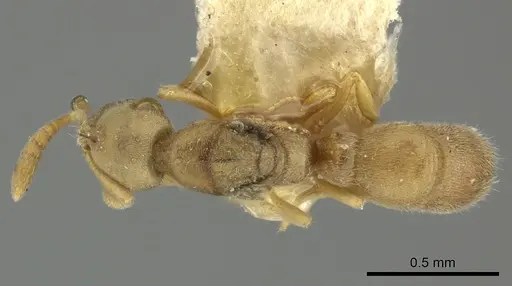
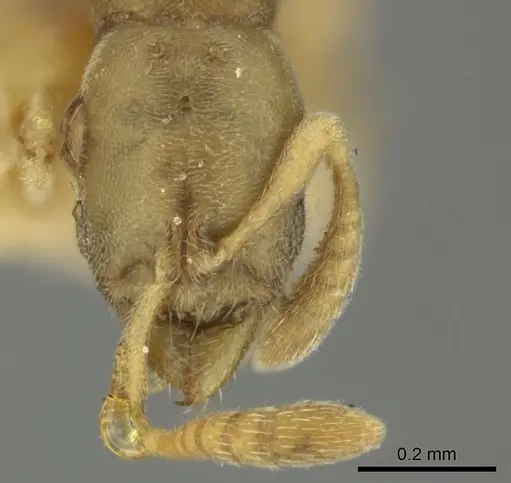
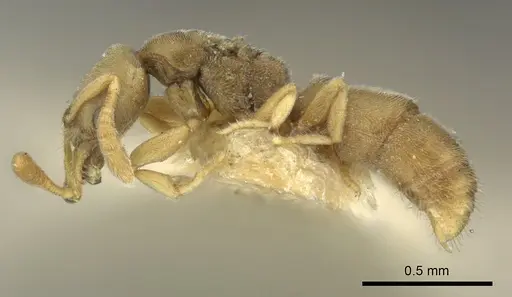
CASENT0249111
View on AntWeb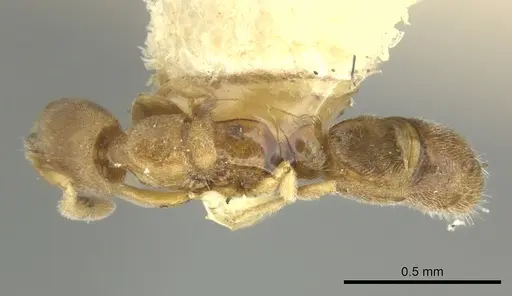
CASENT0375394
View on AntWeb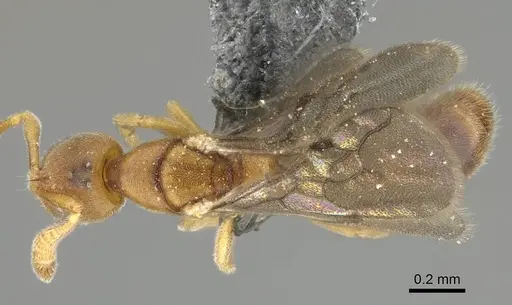
CASENT0376762
View on AntWeb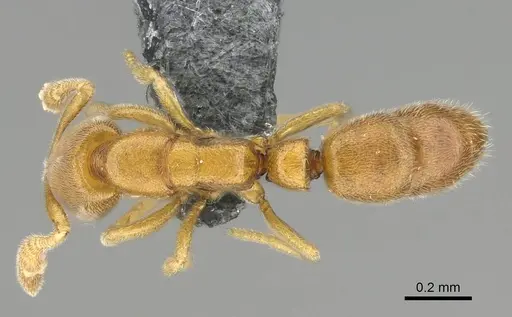
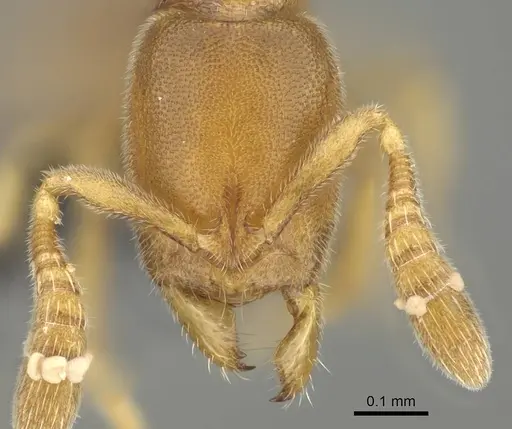
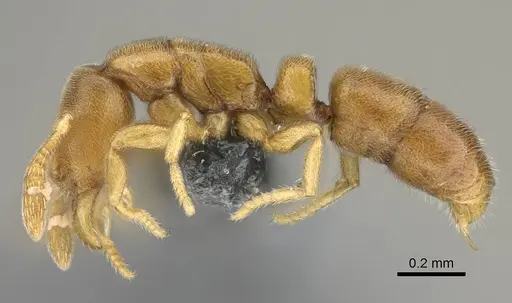
CASENT0900367
View on AntWeb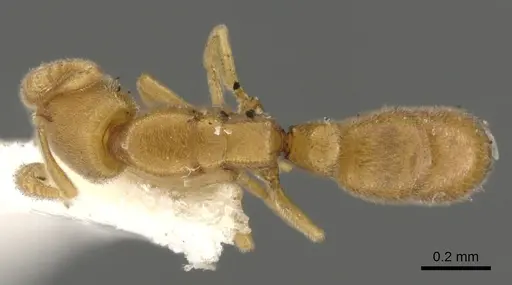
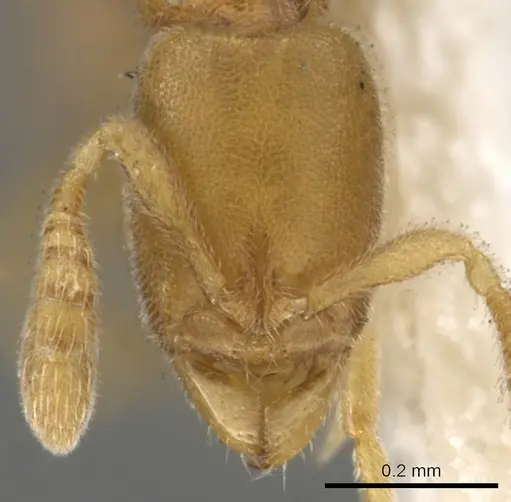
MCZ-ENT00593416
View on AntWeb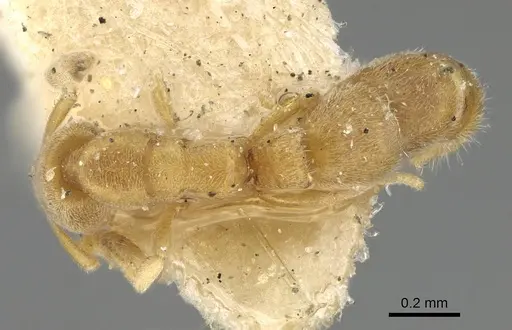
Literature
Loading distribution map...Loading products...