
Ponera pianmana
- Sci. Name
- Ponera pianmana
- Tribe
- Ponerini
- Subfamily
- Ponerinae
- Author
- Xu, 2001
- Distribution
- Found in 1 countries
Introduction
Ponera pianmana is a tiny predatory ant native to southern China. Workers measure 2.2mm in length . They have a brown body with brownish-yellow antennae and legs, and a roughly rectangular head . This species inhabits monsoon evergreen broadleaf forests in Yunnan and walnut forests at 1500m elevation in Sichuan . Described in 2001,it is closely related to Ponera japonica and forages on the ground surface .
Quick Summary
- Difficulty: Medium
- Origin & Habitat: Native to China, found in monsoon evergreen broadleaf forests in Yunnan [1] and walnut forests in Sichuan at 1500m elevation [2].
- Colony Type: Based on Ponera genus patterns, likely monogyne (single queen colonies).
- Size & Growth:
- Antkeeping:
- Temperature: Temperature needs are unclear, start around 22-25°C and observe, based on temperate distribution [2].
- Humidity: Keep substrate consistently moist but not waterlogged, as they inhabit damp forests [1].
- Diapause: Unknown, no specific data, but likely requires winter dormancy based on temperate distribution.
- Nesting: Use test tubes with moist substrate for founding, or small plaster nests for established colonies, mimicking natural soil habitats [1][2].
- Behavior: Workers are secretive and forage on the ground surface [2]. They can sting but are not aggressive toward humans. Their tiny size requires excellent escape prevention.
- Common Issues: escapes due to tiny size without fine mesh barriers., slow growth may frustrate keepers., high humidity needs can lead to mold if ventilation poor., predatory diet requires live prey.
Housing and Nest Setup
Because of their tiny size, Hypoponera pianmana needs careful housing. Test tubes work well for founding colonies, use a small water reservoir and keep the cotton firmly packed to prevent escapes [1]. For established colonies, a small naturalistic setup with damp soil or plaster nest works well, mimicking their forest floor habitat [1]. Avoid large open spaces, these ants do best in compact, humid environments. Use fine mesh on ventilation holes since they can squeeze through small gaps [1].
Feeding and Diet
Hypoponera pianmana is predatory and hunts small invertebrates on the ground surface [2]. In captivity, offer live prey such as springtails, fruit flies, and tiny crickets. They may accept crushed insects, but live protein should form the main diet. Feed small amounts 2-3 times per week, removing uneaten prey after 24 hours to prevent mold.
Temperature and Seasonal Care
Keep your colony at cool temperatures, around low 20s°C, based on their temperate habitat [2]. Room temperature is often suitable. During winter, provide a diapause period if needed, but specific data is unavailable. Do not heat aggressively, excessive heat can kill the colony. A gentle heat gradient allows workers to choose their preferred temperature.
Humidity Requirements
High humidity is essential, these ants come from damp forest floor environments [1]. Keep the nest substrate consistently moist but not flooded. The substrate should feel damp to the touch. Avoid both drying out and waterlogging, aim for a forest floor that never fully dries. Some ventilation is necessary to prevent mold.
Behavior and Handling
Hypoponera pianmana workers are small and secretive. They forage on the ground surface in the wild [2] and will hunt small prey in captivity. They are not aggressive toward keepers but can sting if handled roughly, Ponera ants have functional stingers from the Ponerinae subfamily. Their tiny size means they can slip through gaps, always use fine mesh barriers and secure lids. Observe rather than disturb, these ants thrive with minimal interference.
Frequently Asked Questions
How long does it take for Ponera pianmana to produce first workers?
Estimated 8-12 weeks from egg to worker at optimal temperature (around 22-25°C). This is based on typical development times for related Ponera species, specific data for P. pianmana is not available [1].
Can I keep Ponera pianmana in a test tube?
Yes, test tubes work well for this species. Use a small water reservoir and ensure the cotton is firmly packed. Their tiny size means you need excellent escape prevention, consider adding a fluon barrier or fine mesh over any openings [1].
What do Ponera pianmana eat?
They are predatory ants that hunt small invertebrates on the ground surface [2]. Offer live prey like springtails, fruit flies, and tiny crickets. They may accept crushed insects, but live protein should form the main diet.
Do Ponera pianmana need hibernation?
Unknown, no specific data, but likely requires winter dormancy based on their temperate distribution in China [2].
How big do Ponera pianmana colonies get?
Colony size data is unavailable. They are small colonies that grow slowly.
Are Ponera pianmana good for beginners?
They are intermediate-level ants. Their small size, slow growth, and specific humidity requirements make them more challenging than common species. They require more attention to humidity and escape prevention.
Why are my Ponera pianmana dying?
Common causes include: drying out (they need high humidity), overheating (keep below 25°C), insufficient prey (they need live food), escapes due to poor barriers, and stress from too much disturbance. Check humidity levels first and ensure you're offering appropriate live prey.
When should I move Ponera pianmana to a formicarium?
Wait until the colony has enough workers and the test tube is cramped. For this small species, that may take a year or more. Moving too early stresses the colony. A small naturalistic setup or plaster nest works well when you're ready.
Can I keep multiple Ponera pianmana queens together?
Not recommended. Like most Ponera species, they are likely single-queen colonies. Combining unrelated queens has not been documented and would likely result in fighting.
Report an Issue
The current care sheet is based fully on literature. See inconsistencies, or something that's incorrect? Please , it will be resolved after review from an admin. Contributing to the blogs tab also helps providing information, to make us be able to further improve the caresheets. Thank you for your support!
References

This caresheet is licensed under CC BY-SA 4.0 .
Community Blogs
ANTWEB1060524
View on AntWeb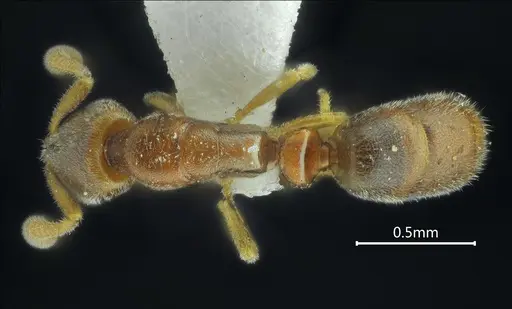
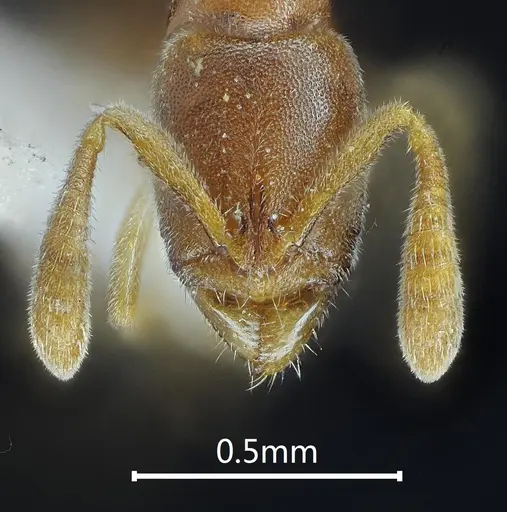
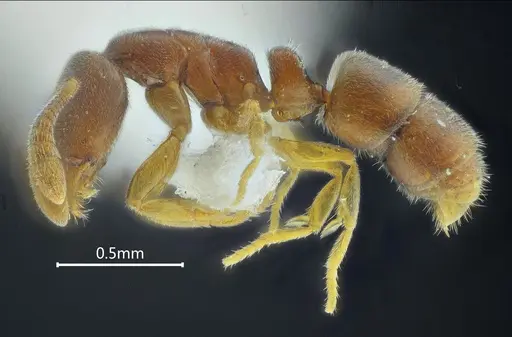
Literature
Loading distribution map...Loading products...