
Ponera petila
- Sci. Name
- Ponera petila
- Tribe
- Ponerini
- Subfamily
- Ponerinae
- Author
- Wilson, 1957
- Distribution
- Found in 3 countries
Introduction
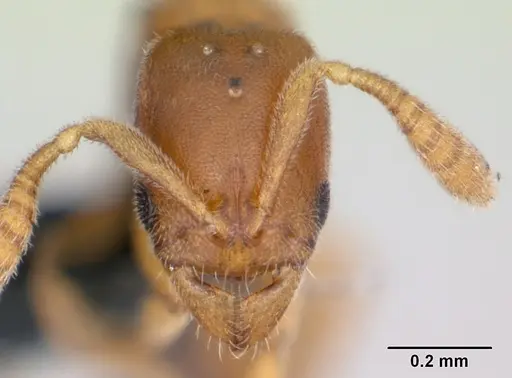
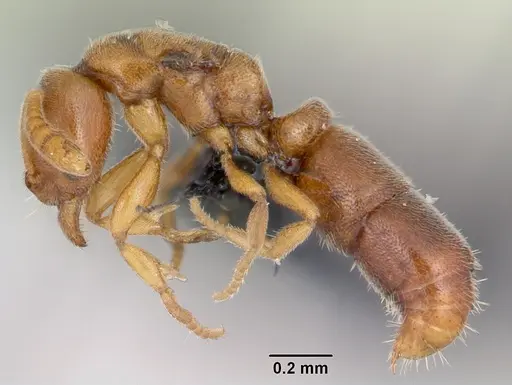
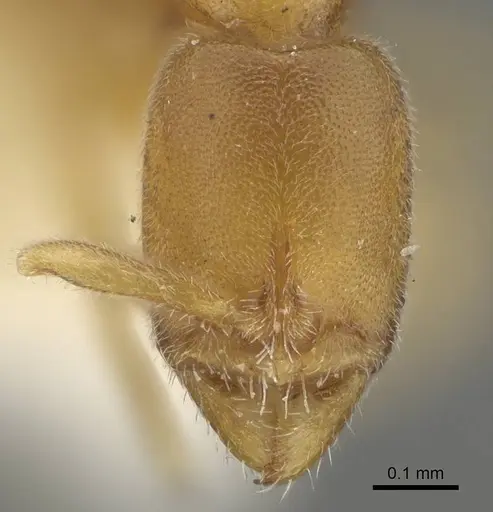
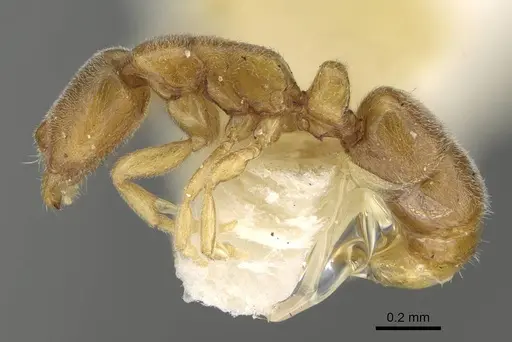
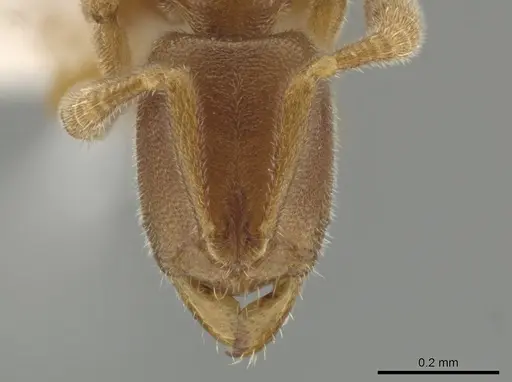
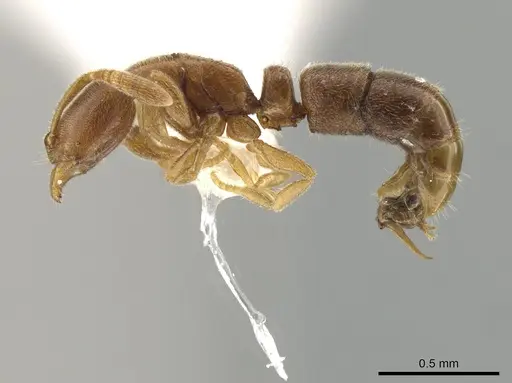
Ponera petila is an extremely tiny ant species, among the smallest in the Ponera genus. Workers are yellow to light brown, completely concolorous, with a short scape and a 4-segmented antennal club. They lack true eyes, having at most a few eye facets visible. The petiolar node is moderately large, broader than long, with surfaces meeting in a rounded transition. This species was described from Papua New Guinea and is found in introduced populations in Mauritius, Seychelles, and French Polynesia . What makes P. petila stand out is its extreme miniaturization - these are among the smallest ants in the world. The genus Ponera is known for cryptic, soil-dwelling habits, and this species is no exception, living hidden in damp microhabitats under logs and in forest floor debris .
Quick Summary
- Difficulty: Hard
- Origin & Habitat: Papua New Guinea, with introduced populations in Mauritius, Seychelles, and French Polynesia (Society Islands, Tuamotu, Australes). Found in primary lowland rainforest, living in soil beneath rotting logs in damp, shaded microhabitats [2][1][3].
- Colony Type: Colony structure is unconfirmed. Based on typical Ponera patterns, likely single-queen colonies with small colony sizes. No data on ergatoid queens or replacement reproductives for this species.
- Size & Growth:
- Queen: Size unknown, inferred from Ponera genus (~3-4 mm)
- Worker: Size unknown, inferred from Ponera genus (~2-3 mm)
- Colony: Unknown, no colony size data exists.
- Growth: Unknown
- Development: Unconfirmed, no direct measurements. Based on typical Ponera genus patterns, estimate 6-10 weeks from egg to worker at optimal temperature [2]. (Development timeline has not been studied. Related Ponera species typically take 6-10 weeks from egg to worker at warm temperatures.)
- Antkeeping:
- Temperature: Inferred: Aim for 22-26°C based on its tropical origin [2][1]. Start in this range and observe colony activity, if workers cluster together, the temperature is suitable. Avoid temperatures below 20°C or above 30°C.
- Humidity: Keep the nest substrate consistently moist but not waterlogged, as they are from damp forest floor habitats [2][1]. Provide a gradient with a damp side and a slightly drier area for the ants to self-regulate.
- Diapause: Unknown, no specific data on overwintering requirements. As a tropical species, it may not require true hibernation but may slow down during cooler periods [1].
- Nesting: Natural nesting: soil beneath rotting logs in primary rainforest [2]. In captivity, a small test tube setup or mini Y-tong nest works well. Use fine, damp substrate like sand/soil mix. Because of their tiny size, avoid any large open spaces, they need tight, scale-appropriate chambers.
- Behavior: These ants are extremely cryptic and rarely seen above ground. They are likely slow-moving and non-aggressive, typical of small Ponera species. Foraging is probably done in soil and leaf litter layers. Their tiny size means they are harmless to humans, while they have a sting from the Ponerinae subfamily, it is ineffective on human skin. Escape prevention is critical: at their tiny size, they can squeeze through gaps invisible to the naked eye. Use excellent barrier methods (fluon on test tube rims, fine mesh on any openings).
- Common Issues: escape prevention is critical, their tiny size allows them to squeeze through gaps invisible to the naked eye, no colony size or development data exists, keepers must experiment with care conditions, humidity management is challenging, too wet causes drowning, too dry causes desiccation, slow growth may frustrate beginners, colonies may take months to show visible progress, wild-caught colonies may have parasites that are difficult to detect in such small ants
Housing and Escape Prevention
Housing Ponera petila presents unique challenges due to their extreme small size. A standard test tube setup works but requires modification, the cotton plug must be packed tightly, and you should consider adding a small barrier of fluon (liquid PTFE) around the rim to prevent escapes. Alternatively, a mini Y-tong nest with very narrow chambers scaled to their tiny size is ideal. Avoid naturalistic setups with large open spaces, these ants need tight, confined spaces that mimic the soil chambers they naturally inhabit [2][1]. The nest material should be fine-grained and damp. Because they are virtually blind and non-climbing, they won't escape up smooth surfaces, but they WILL find any microscopic gap in tubing connections or lid seals. Double-check all connections and consider using parafilm over test tube openings as an extra barrier.
Feeding and Nutrition
Feeding P. petila requires going small, these ants are among the tiniest in the world and their prey items must match. Diet is unconfirmed, but based on typical Ponera patterns, they are likely predatory and hunt micro-arthropods like springtails and mites. In captivity, offer live micro-prey such as springtails or fruit flies. You may need to kill larger prey items and chop them into appropriately small pieces. Sugar sources are unlikely to be accepted, Ponera species are primarily predatory. Offer protein every 3-5 days, removing any uneaten prey after 24 hours to prevent mold. Do not overfeed, a colony this small needs only tiny amounts. [2]
Temperature and Seasonal Care
As a species from tropical Papua New Guinea and Pacific islands, P. petila requires warm, stable conditions. Aim for 22-26°C in the nest area based on its tropical origin [2][1]. A small heating cable on one side of the nest can create a gentle gradient, but ensure the other side remains slightly cooler so the ants can self-regulate. Never let temperatures drop below 20°C for extended periods or exceed 30°C. Room temperature (around 22-24°C) in most homes is likely suitable as a starting point. No specific data exists on diapause, but as a tropical species, they probably don't need true hibernation [1].
Colony Establishment
Establishing a colony of P. petila is challenging because no captive breeding data exists for this species. If you obtain a founding queen, she should be set up in a small test tube with a water reservoir. Founding behavior is unconfirmed, but based on typical Ponera patterns, queens may seal themselves in a chamber and live off stored fat until her first workers emerge. The founding chamber should be small and dark. Do not disturb the queen during this period, checking too frequently can cause her to abandon or eat her brood. First workers (nanitics) will be extremely tiny and may take 6-10 weeks to emerge based on genus patterns [2]. After workers arrive, introduce tiny prey items. Growth will be slow, this is not a species for keepers wanting rapid colony expansion.
Frequently Asked Questions
How long does it take for Ponera petila to produce first workers?
The exact timeline is unconfirmed, but based on typical Ponera genus patterns, expect 6-10 weeks from egg to first worker at optimal temperature (around 24°C) [2]. This is an estimate, no specific development data exists for this species.
Can I keep Ponera petila in a test tube?
Yes, a test tube setup is the most practical housing option. However, you must use excellent escape prevention, their tiny size means they can escape through microscopic gaps. Pack the cotton tightly and consider adding fluon around the rim. Use a small test tube since they need tight, scale-appropriate chambers [2][1].
What do Ponera petila ants eat?
Diet is unconfirmed, but they are likely predatory and hunt micro-arthropods. Feed tiny live prey like springtails or fruit flies. Chop larger prey into appropriately small pieces. Sugar sources are unlikely to be accepted. Remove uneaten prey after 24 hours to prevent mold [2].
How big do Ponera petila colonies get?
Colony size is unknown, no data exists. Based on their very small size and typical Ponera patterns, colonies likely remain small, but no maximum is documented.
Do Ponera petila ants need hibernation?
Unknown, no specific data exists. As a tropical species from Papua New Guinea and Pacific islands, they likely don't require true hibernation [1]. They may slow down during cooler periods, but probably don't need a diapause period like temperate species do.
Why are my Ponera petila ants dying?
Common causes include: escape (they are tiny and can slip through almost any gap), improper humidity (too wet causes drowning, too dry causes desiccation), temperature issues (below 20°C or above 30°C), mold from overfeeding, or stress from disturbance. Ensure excellent escape prevention, maintain damp but not wet substrate, keep at 22-26°C, and feed appropriately small amounts.
Can I keep multiple Ponera petila queens together?
Not recommended, no data exists on colony founding behavior for this species. Combining unrelated queens has not been documented and would likely result in aggression. Based on typical Ponera patterns, they are likely single-queen species [2].
What is the best nest type for Ponera petila?
A small test tube with damp cotton or a mini Y-tong nest with very narrow chambers. The key requirements are: tight, scale-appropriate chambers (they're tiny), damp substrate, and darkness. Avoid large open spaces or naturalistic setups with big chambers [2][1].
Are Ponera petila good for beginners?
No, this is an expert-level species. Their extreme tiny size makes housing and escape prevention very challenging, no captive breeding data exists, and growth is likely very slow. They require high humidity and specific conditions that are difficult to maintain. Start with larger, better-documented species before attempting P. petila.
Report an Issue
The current care sheet is based fully on literature. See inconsistencies, or something that's incorrect? Please , it will be resolved after review from an admin. Contributing to the blogs tab also helps providing information, to make us be able to further improve the caresheets. Thank you for your support!
References

This caresheet is licensed under CC BY-SA 4.0 .
Community Blogs
CASENT0059796
View on AntWeb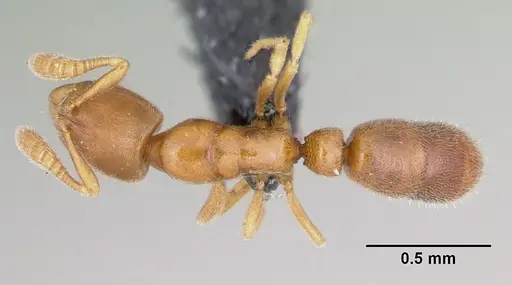
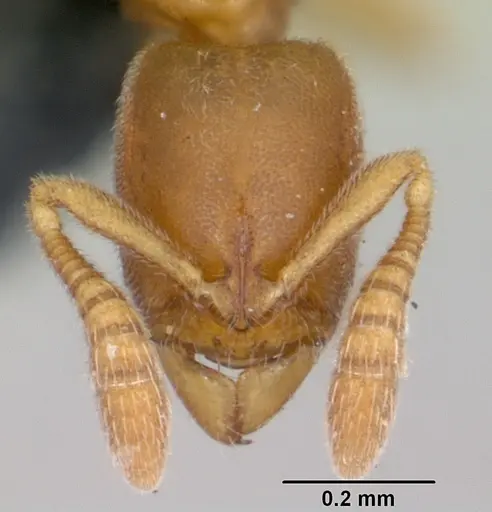
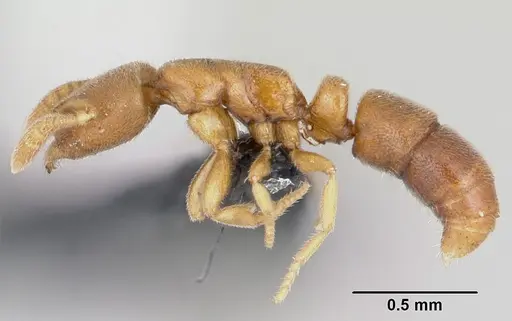
CASENT0060356
View on AntWeb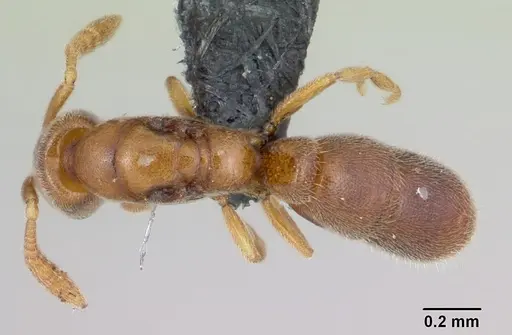
CASENT0249220
View on AntWeb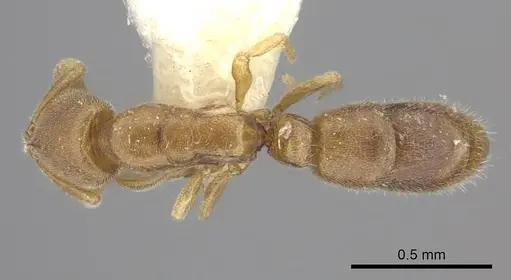
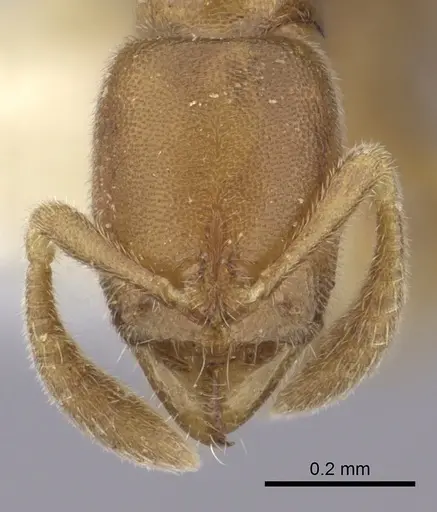
MCZ-ENT00030124
View on AntWeb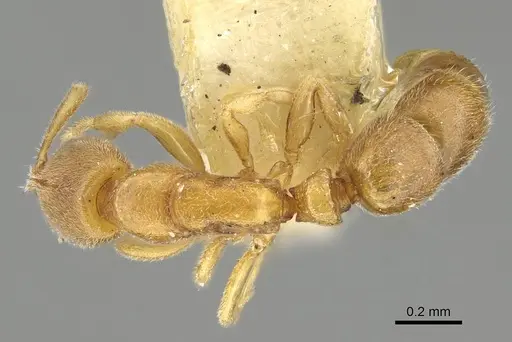
ZRC
View on AntWeb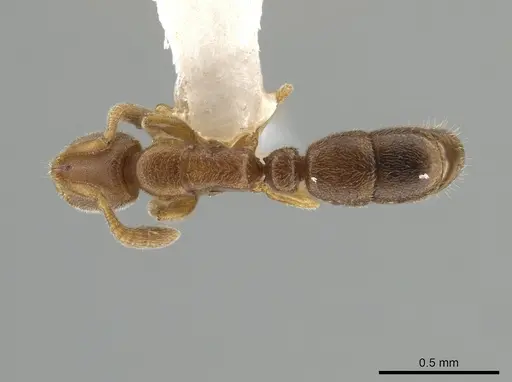
Literature
Loading distribution map...Loading products...