Ponera pennsylvanica exhibits a clear seasonal activity window. Peak activity is concentrated in September, with the overall period spanning March to November. This extended season suggests multiple flight events or varying conditions across its range.
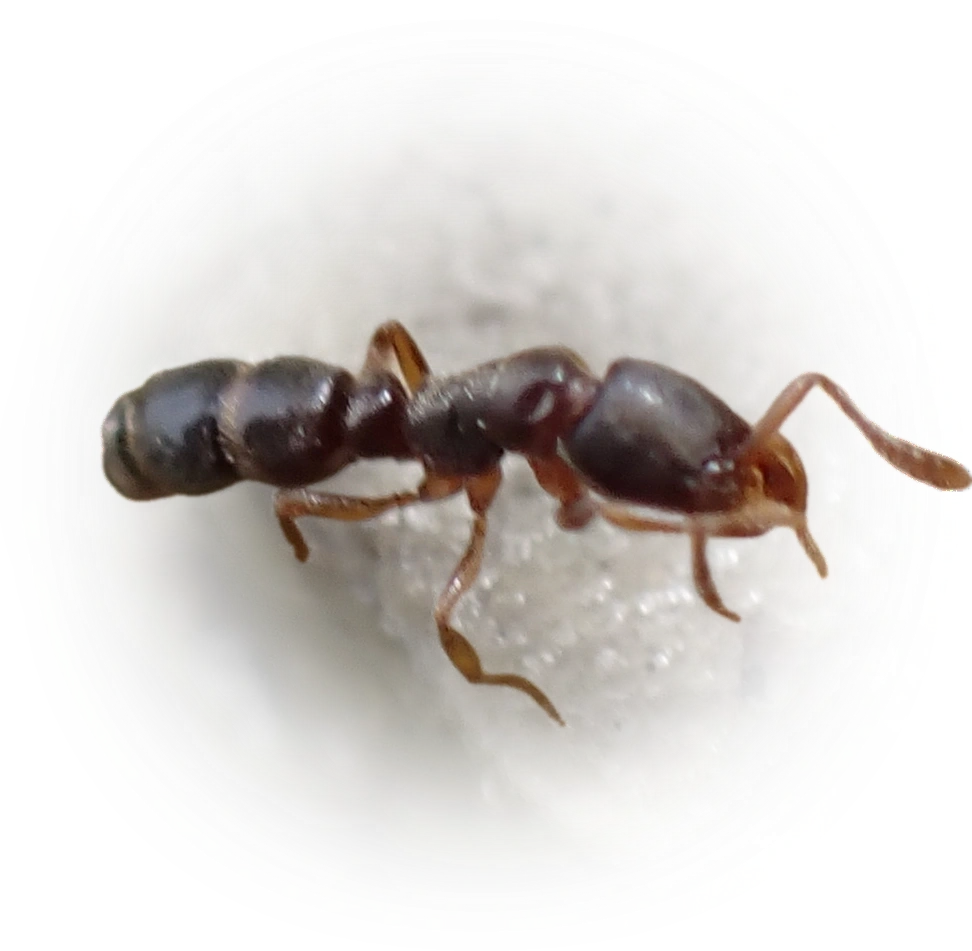
Common Porthole Ant
Ponera pennsylvanica
- Sci. Name
- Ponera pennsylvanica
- Tribe
- Ponerini
- Subfamily
- Ponerinae
- Author
- Buckley, 1866
- Common Name
- Common Porthole Ant
- Distribution
- Found in 2 countries
- Queen Activity
- From March to November
- Peak Time
- 15:00
AI Identifiable
try →
Introduction
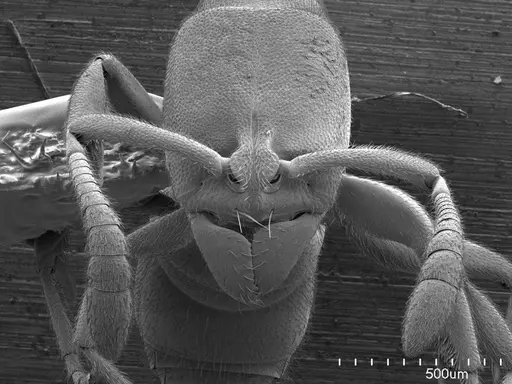
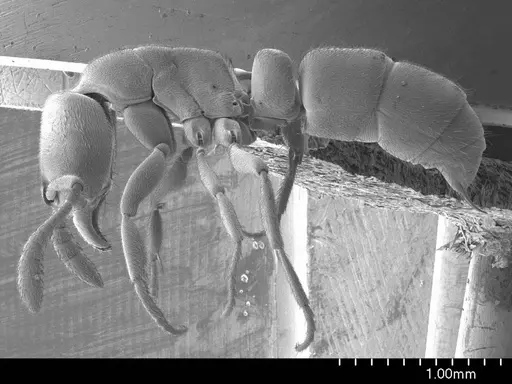
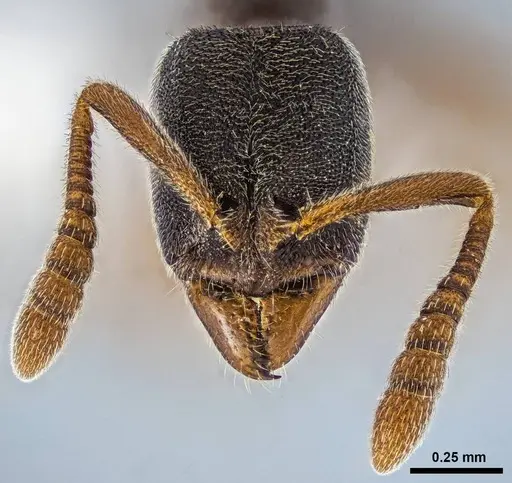
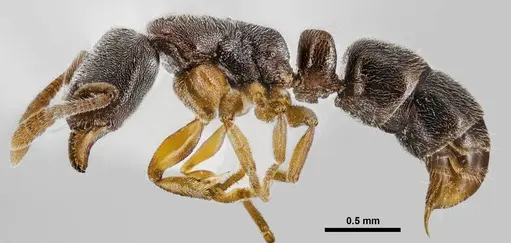
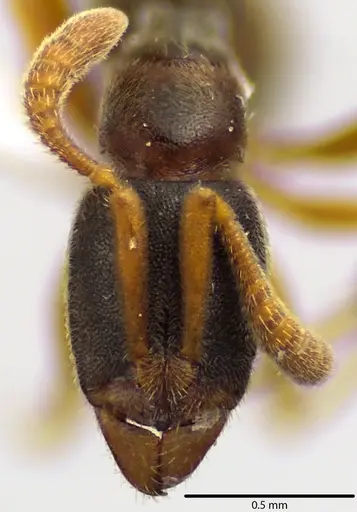
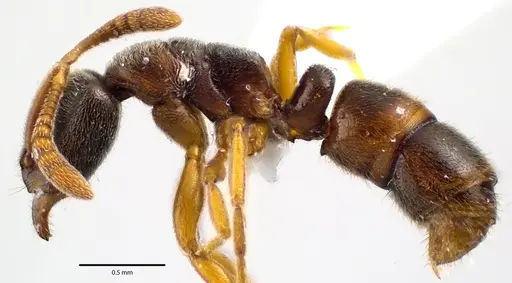
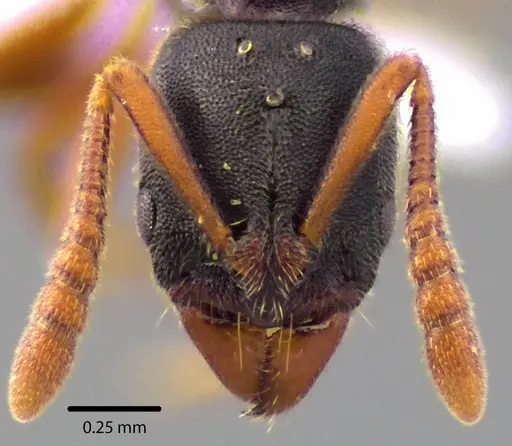
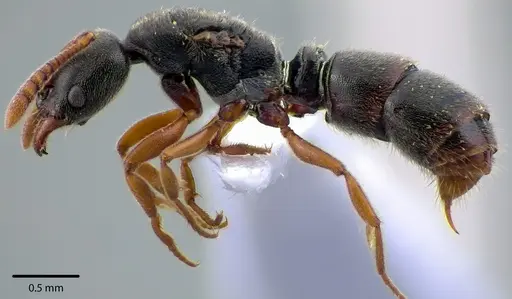
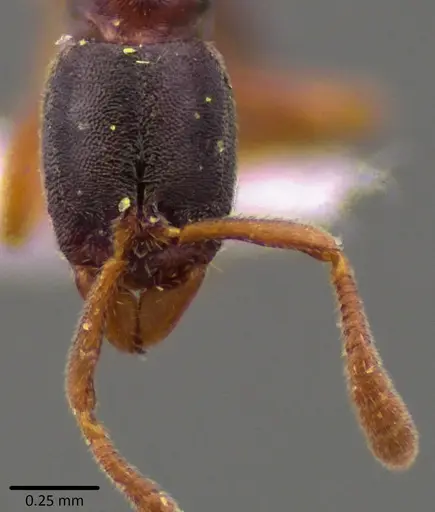
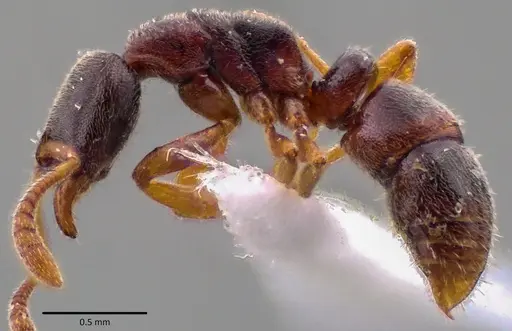
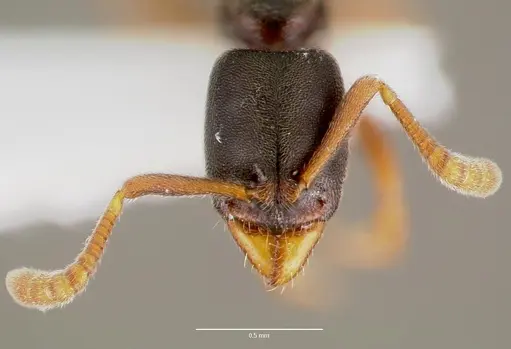
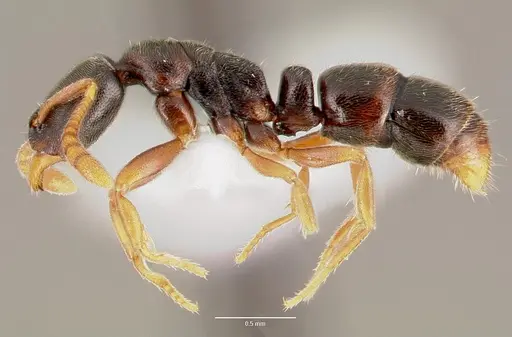
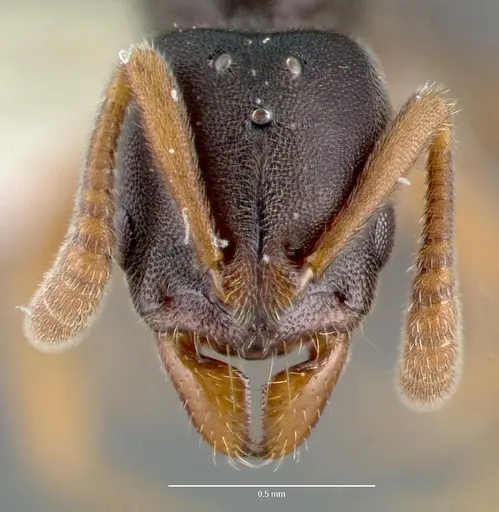
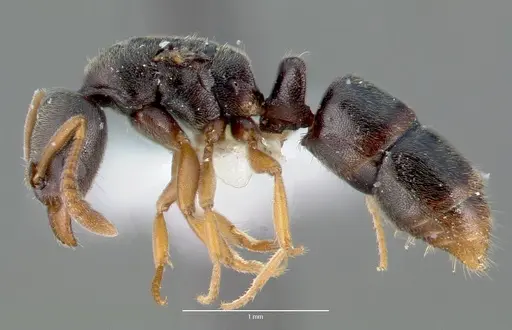
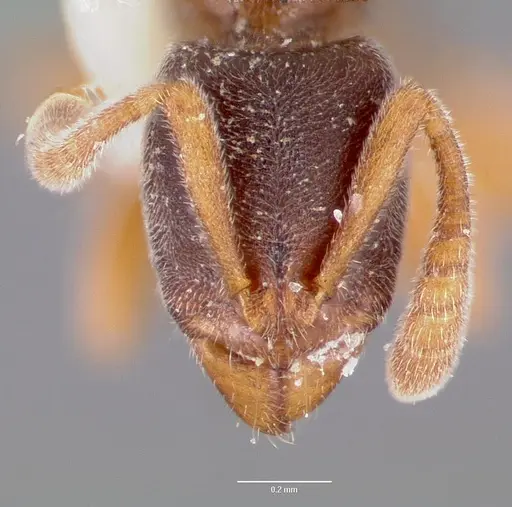
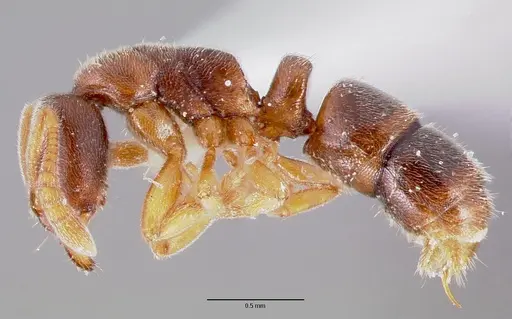
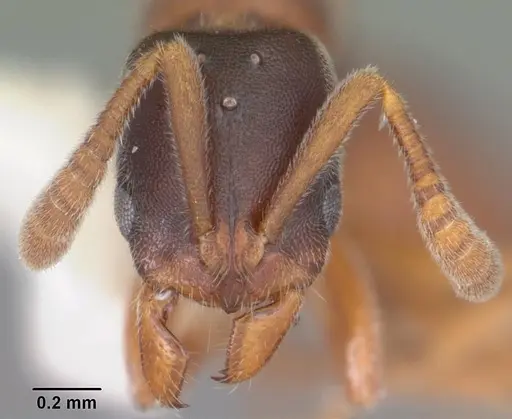
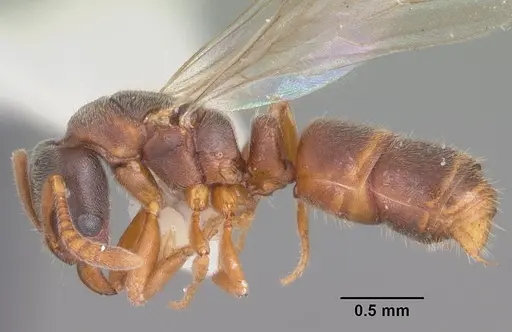
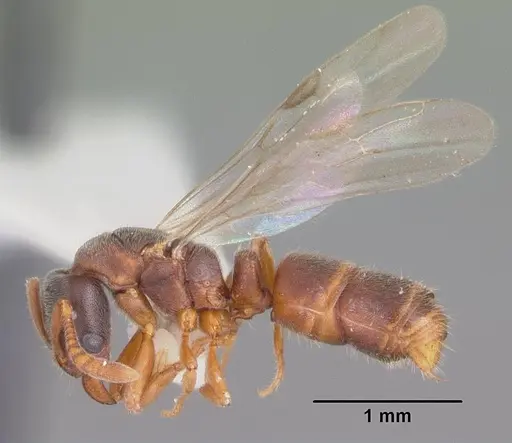
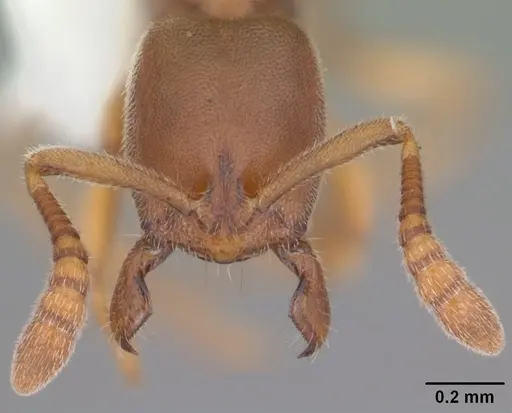
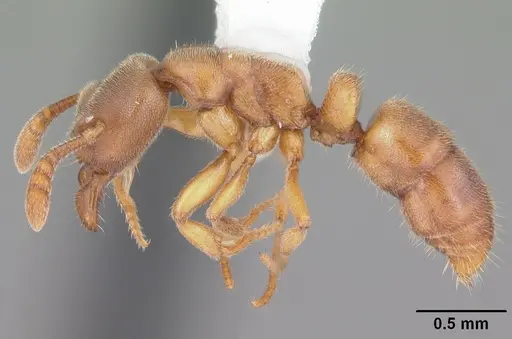
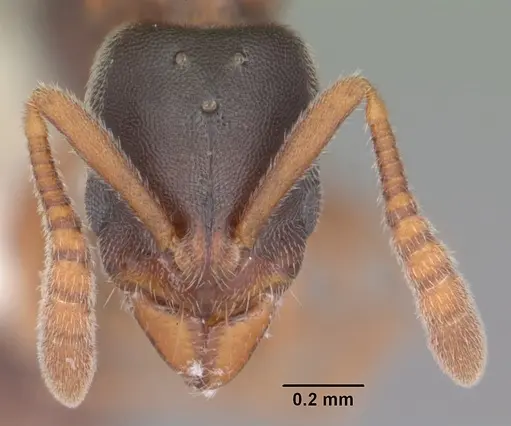
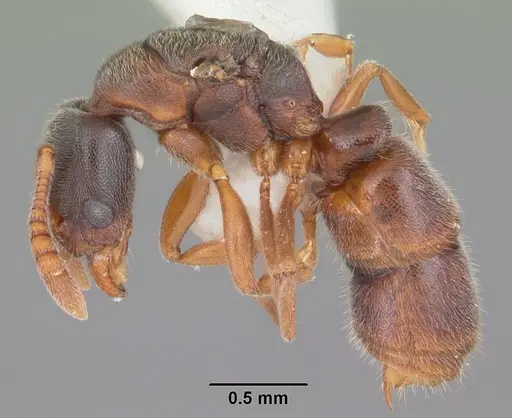
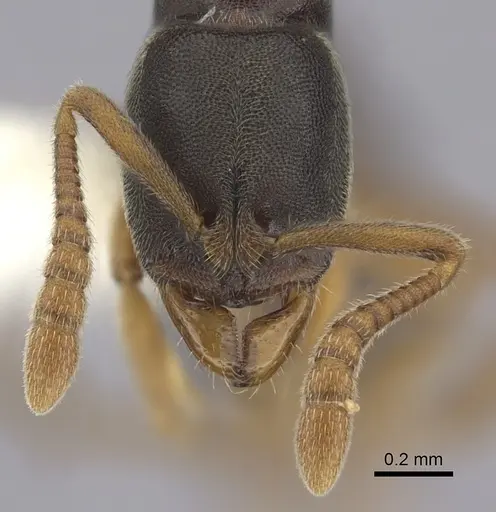
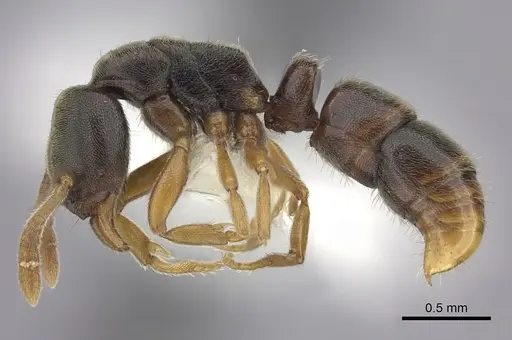
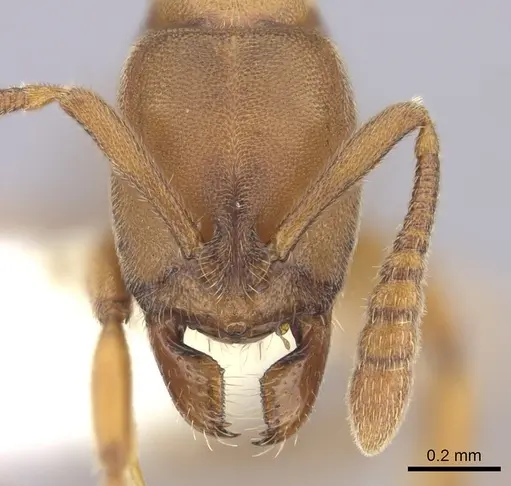
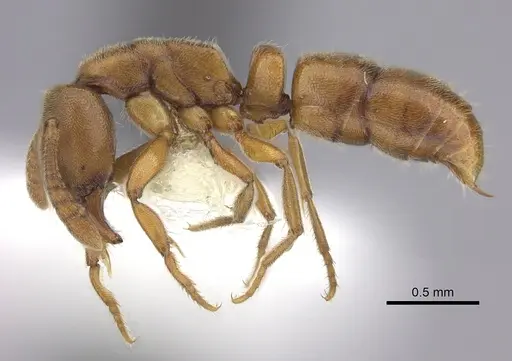
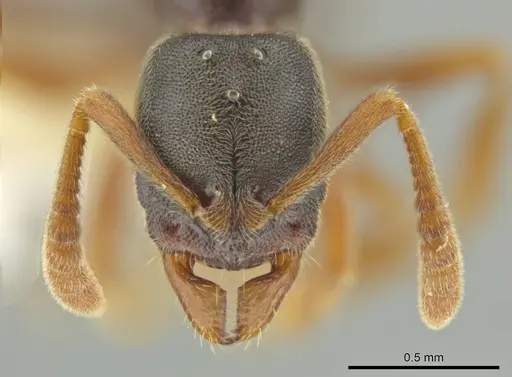
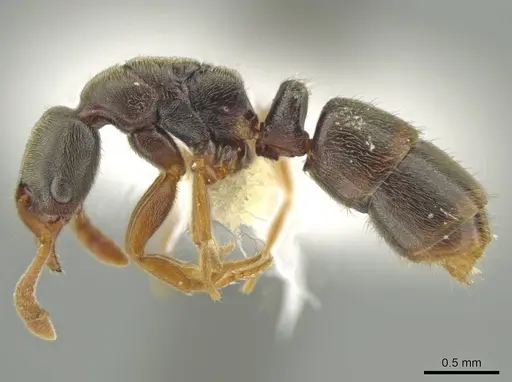
Ponera pennsylvanica is a small, dark ponerine ant native to eastern North America. Workers measure 3–3.8 mm and are very dark reddish-brown to nearly black, with paler mandibles, antennae, and leg tips . They have a distinctive subpetiolar process with a bidentate rear edge and a circular window (fenestra) . This is one of the most common ants in deciduous forests across the eastern United States and southern Canada, nesting in and under rotting logs, in soil under stones, inside acorns and hickory nuts, and in leaf litter . Unusually, colony founding is non-claustral, the queen must leave the nest to forage during the early stages, rather than sealing herself in . Colonies stay small, typically around 30 workers .
Quick Summary
- Difficulty: Medium
- Origin & Habitat: Eastern United States and Canada, from Quebec south to Florida, west to Minnesota and northeastern Texas. Found almost exclusively in deciduous forest habitats like oak-hickory woods, mixed oak forests, and shaded woodland with moist, rich organic soil [2][4].
- Colony Type: Single-queen colonies (monogyne) are typical, but polygynous (multiple queen) colonies have also been reported [5]. Colonies are small, usually containing about 30 workers, and rarely exceed 50–60 workers [4][1]. Ergatoid (wingless) queens occur alongside alate queens, these are replacement queens that stay in the nest [6].
- Size & Growth:
- Queen: ~4 mm (alate queen) [2]
- Worker: 3–3.8 mm [1]
- Colony: Typically around 30 workers, rarely exceeding 50–60 workers [4][1]
- Growth: Slow
- Development: Estimated 8–12 weeks at optimal temperature (20°C) (Development is slow. No brood overwinters, egg-laying starts in spring, larvae appear June–August, and pupae from July to October [7][1]. Alates (winged reproductives) are produced in late summer.)
- Antkeeping:
- Temperature: Keep at 18–22°C. This temperate forest species prefers cool conditions, room temperature is usually ideal. Avoid sustained temperatures above 25°C. They need a winter chill for hibernation.
- Humidity: High humidity is essential. These are forest-floor ants that need consistently moist substrate, damp but not waterlogged. In the wild they tolerate a range from very moist (under rotting logs) to moderately dry (under stones in open areas) [2][1].
- Diapause: Yes, requires winter hibernation. Colonies overwinter without brood. Keep at 5–10°C for 3–4 months (November–February). Skipping hibernation will stress and eventually kill the colony [7][1].
- Nesting: Use naturalistic setups with damp soil, rotting wood, and leaf litter. Y-tong (AAC) or plaster nests also work if kept moist. Avoid dry, desert-style formicaria. Test tubes are fine for founding but may become too dry over time [2][3][1].
- Behavior: Workers are slow-moving and secretive, spending most of their time underground or under cover. They hunt small prey on the ground surface and in leaf litter, foraging alone or using tandem running to recruit nestmates [8]. They are not aggressive and rarely sting humans, the stinger is too small to penetrate skin easily. Escape prevention is important due to their small size. Colonies are not territorial [1][3].
- Common Issues: small colony size means very slow growth, don't expect rapid expansion, non-claustral founding is risky: queens must forage and many die during founding, expect some loss, hibernation is critical, keeping them warm year-round will stress and kill the colony, dry conditions cause colony failure, maintain consistently moist substrate, tiny workers can escape through standard barriers, use fine mesh and tight lids
Queen Ant Activity Analysis 244 observations
Queen Activity by Hour 244 observations
Ponera pennsylvanica queen activity peaks around 15:00 during the afternoon. Activity is spread across a 13-hour window (09:00–21:00). Times may be influenced by human observation patterns.
Housing and Nest Setup
Use naturalistic setups that mimic the forest floor. A nest with damp soil, pieces of rotting wood, and leaf litter works well, the ants will move into the decaying wood and soil. Y-tong (AAC) or plaster nests also work if you keep the substrate moist. Test tube setups can be used during founding but may dry out over time for these moisture-loving ants. Avoid dry formicaria. Provide a water source and keep the outworld humid. Because workers are small and slow, standard barriers like Fluon work, but make sure all connections are tight, tiny workers can squeeze through small gaps [2][3][1].
Feeding and Diet
Ponera pennsylvanica are carnivorous predators [1]. Workers hunt small invertebrates in leaf litter and soil, springtails, tiny beetles, and other micro-arthropods. In captivity, offer small live prey like fruit flies, pinhead crickets, or small mealworms. They are not attracted to sugary foods, focus on protein. Feed 2–3 times a week, removing uneaten prey after 24 hours. Colonies are small, so portions should be tiny [1][2].
Temperature and Seasonal Care
Keep the colony at 18–22°C. This temperate forest species prefers cool conditions, room temperature is usually fine. Avoid temperatures above 25°C. In winter, provide a hibernation period: move the colony to 5–10°C for 3–4 months (November–February). A cool garage or basement works. Do not feed during hibernation. This winter rest is essential, colonies kept warm year-round will decline and die [7][1].
Colony Development and Growth
Expect very slow growth. Founding queens must forage for themselves during the non-claustral stage, this is risky and many do not survive. Once the first workers (nanitics) emerge, the colony grows gradually. Maximum colony size is small: usually around 30 workers, rarely exceeding 50–60 [4][1]. No brood overwinters. Eggs appear in spring, larvae from June through August, and pupae from July into October [7]. Males and new queens (both alate and ergatoid) appear in late summer for mating flights [6]. Mating flights occur mid-August to early October [4]. Ergatoid (wingless) queens can take over if the original queen dies, which helps colony persistence [6].
Behavior and Foraging
Workers are secretive and slow-moving, spending most of their time under cover. They forage individually on the ground and through leaf litter, hunting small prey. They also use tandem running to recruit nestmates to food sources [8]. They are not aggressive and rarely sting humans. Colonies are peaceful with other ant species. You may rarely see workers in the open, provide plenty of hiding spots and keep the setup dark to reduce stress. Their slow tempo makes them less suited as display ants, but their secretive nature is interesting to observe [1][3].
Frequently Asked Questions
How long does it take for Ponera pennsylvanica to produce first workers?
Expect about 8–12 weeks from egg to first worker at optimal temperature (around 20°C). However, because founding is non-claustral, the queen must forage for herself and many die before workers emerge. Successful colonies typically produce nanitics 2–3 months after the queen lays her first eggs [4].
What temperature should I keep Ponera pennsylvanica at?
Keep them at 18–22°C, cooler than most tropical ants. Room temperature is usually ideal. Avoid sustained heat above 25°C. They need winter hibernation at 5–10°C for 3–4 months [7][1].
Can I keep multiple Ponera pennsylvanica queens together?
Polygynous (multi-queen) colonies have been observed in the wild [5], but combining unrelated foundress queens in captivity is not recommended and has not been documented. Stick to single-queen colonies for the best chance of success.
How big do Ponera pennsylvanica colonies get?
Colonies stay small, typically about 30 workers, rarely exceeding 50–60 workers. This is a small-colony species that will never produce large populations [4][1].
Do Ponera pennsylvanica need hibernation?
Yes, absolutely. This temperate species needs a winter rest period. Keep them at 5–10°C for 3–4 months during winter. Don't feed during hibernation. Colonies kept warm all year will decline and die [7][1].
What do Ponera pennsylvanica eat?
They are carnivorous predators [1]. Feed small live prey like fruit flies, pinhead crickets, or small mealworms. They ignore sugary foods like honey. Remove uneaten prey after 24 hours.
Are Ponera pennsylvanica good for beginners?
They are intermediate difficulty. The non-claustral founding is challenging, and they need specific conditions (cool temperatures, high humidity, winter hibernation). However, established colonies are hardy. If you're experienced with other ponerines, you'll do well. Beginners may struggle with founding success.
When do Ponera pennsylvanica nuptial flights occur?
Mating flights occur from mid-August to early October. Males and new queens (both alate and ergatoid) develop in late summer [4][6].
Why is my Ponera pennsylvanica colony declining?
Common causes: too dry (keep substrate consistently moist), too warm (they need 18–22°C and hibernation), or improper feeding (they need live prey, not sugar). Stress from too much light or disturbance can also cause decline, these are secretive ants that prefer darkness [1].
When do Ponera pennsylvanica queens forage?
Queen activity of Ponera pennsylvanica typically occurs From March to November. Times may be influenced by human observation patterns.
What time of day are Ponera pennsylvanica queens most active?
Queen activity of Ponera pennsylvanica peaks around 15:00 during the afternoon, with most activity between 09:00 and 21:00. Times may be influenced by human observation patterns.
Report an Issue
The current care sheet is based fully on literature. See inconsistencies, or something that's incorrect? Please , it will be resolved after review from an admin. Contributing to the blogs tab also helps providing information, to make us be able to further improve the caresheets. Thank you for your support!
References

This caresheet is licensed under CC BY-SA 4.0 .
Community Blogs
ANTWEB1008579
View on AntWeb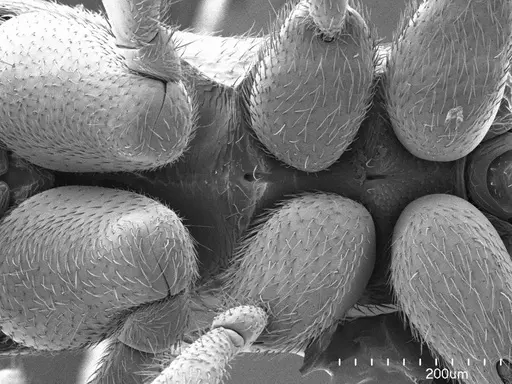
ANTWEB1038007
View on AntWeb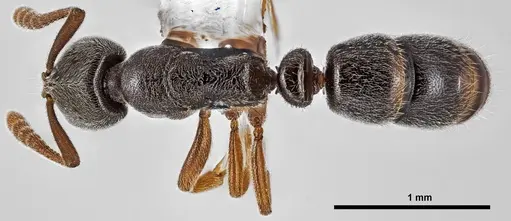
ANTWEB1041651
View on AntWeb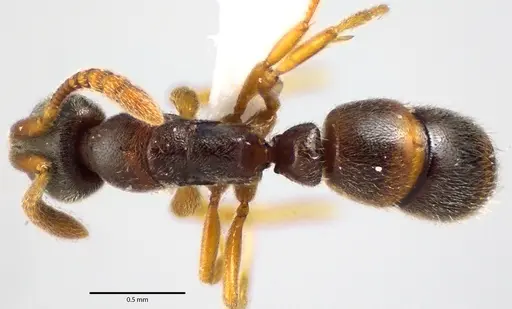
ANTWEB1041730
View on AntWeb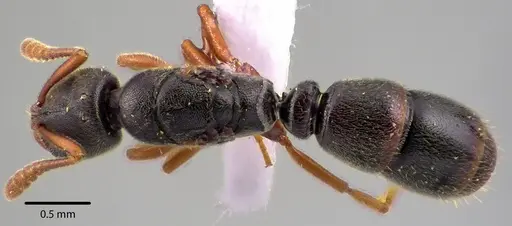
ANTWEB1041790
View on AntWeb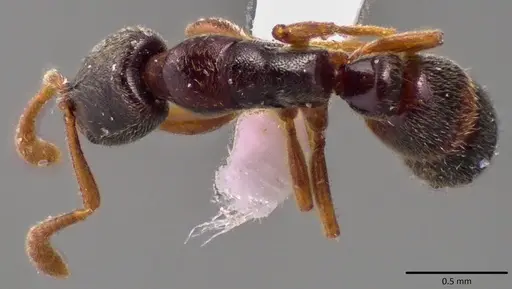
CASENT0003322
View on AntWeb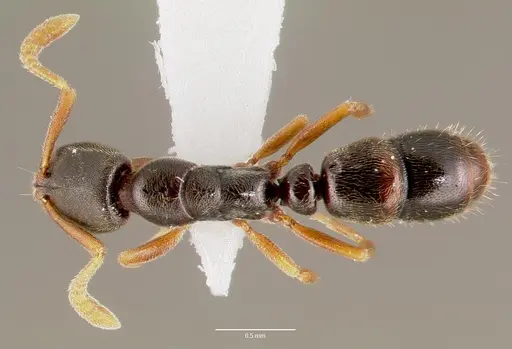
CASENT0006086
View on AntWeb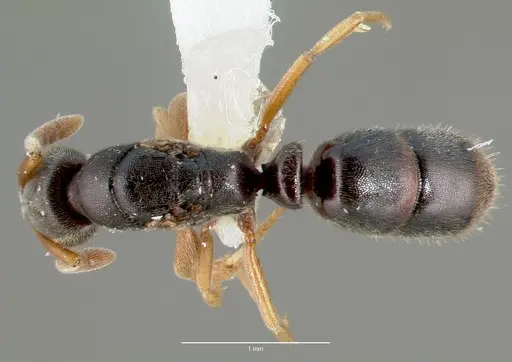
CASENT0006626
View on AntWeb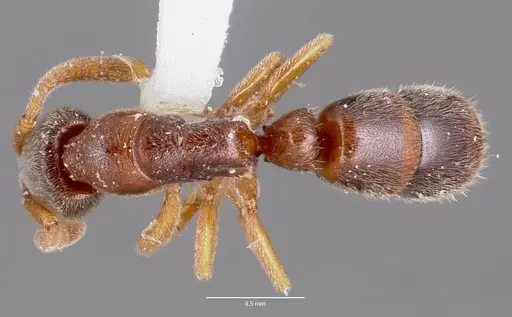
CASENT0103885
View on AntWeb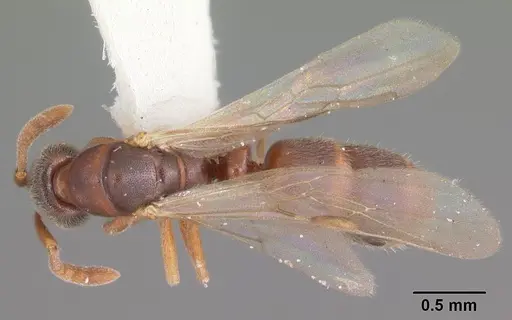
CASENT0103897
View on AntWeb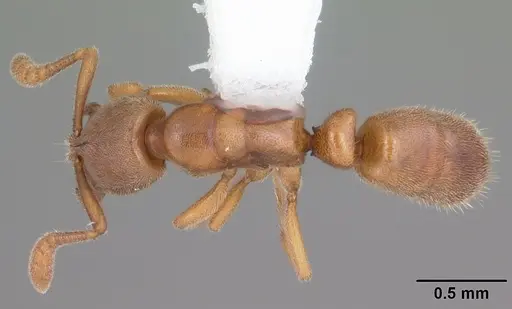
CASENT0104239
View on AntWeb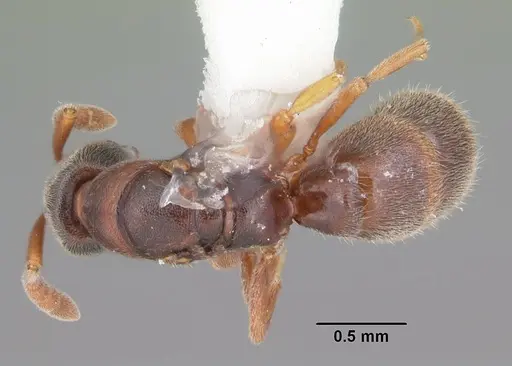
CASENT0249230
View on AntWeb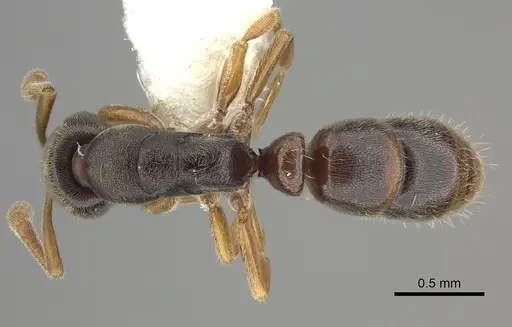
CASENT0249240
View on AntWeb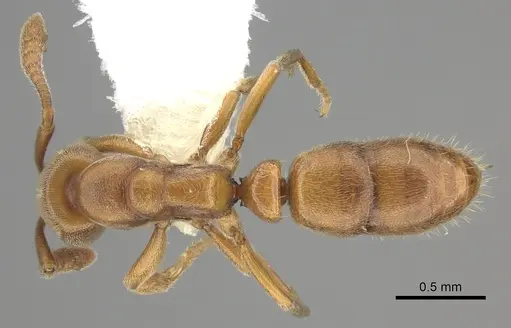
CASENT0645791
View on AntWeb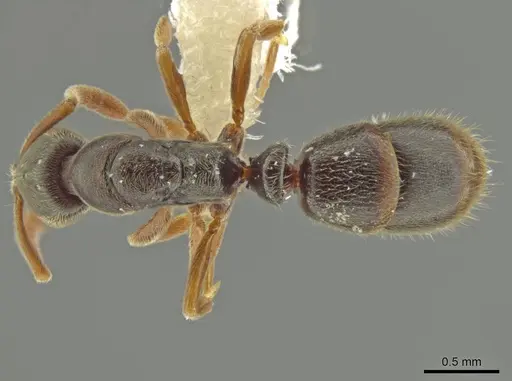
Literature
Loading distribution map...Loading products...