
Ponera japonica
- Sci. Name
- Ponera japonica
- Tribe
- Ponerini
- Subfamily
- Ponerinae
- Author
- Wheeler, 1906
- Distribution
- Found in 2 countries
Introduction
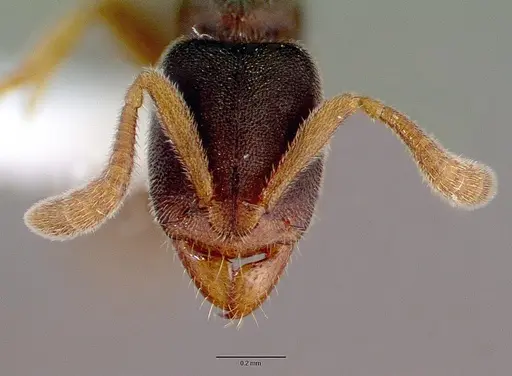
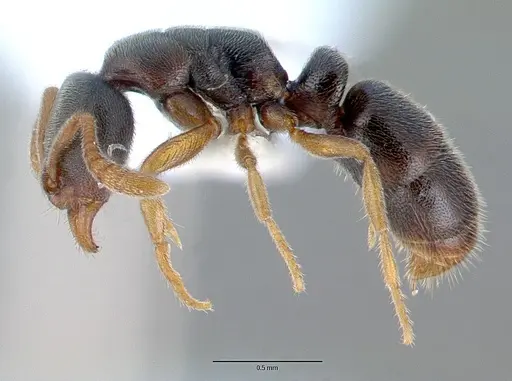
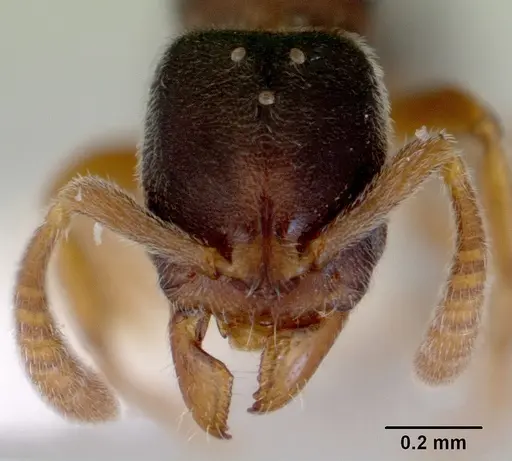
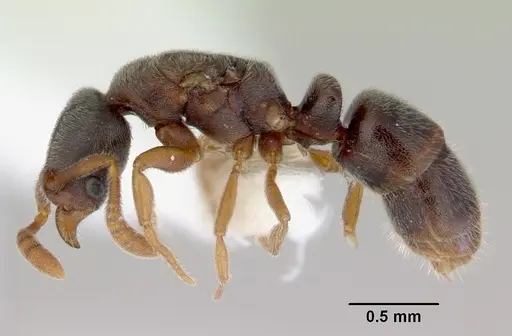
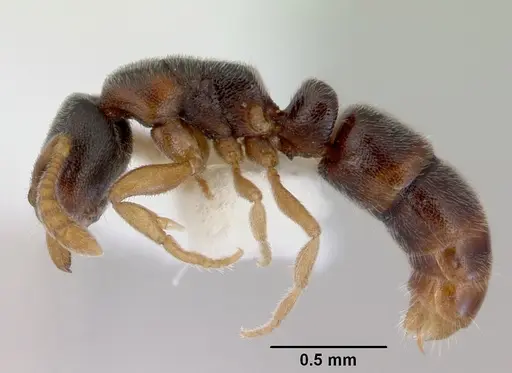
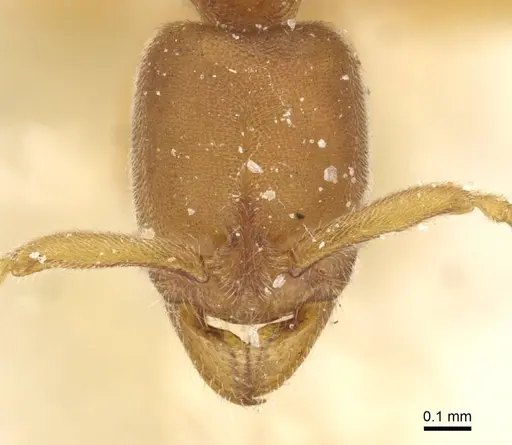
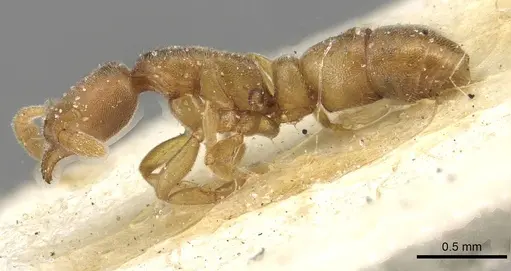
Ponera japonica is a tiny subterranean ant native to East Asia, found across Japan, Korea, China, and the Russian Far East. Workers measure about 2.5 mm and are brown to blackish brown, with short antennal scapes that do not reach the back of the head . Queens are slightly larger at 2.7 mm and darker . This species nests under stones and in soil, especially in the humus layer, and is one of the most dominant hypogaeic ants in northern Japan's deciduous forests . What makes P. japonica special is its completely subterranean lifestyle - you will rarely see workers above ground. They are indicator species for healthy forest environments, preferring damp, shaded areas with moderate moisture . Their colonies are tiny, typically containing fewer than 15 workers, making them one of the smallest ant colonies .
Quick Summary
- Difficulty: Medium
- Origin & Habitat: Native to East Asia: Japan (Hokkaido to Kyushu), South Korea, North Korea, China, and Russian Far East (Primorye, Kuril Islands) [8][1]. Found in forested habitats and open sites, from low-lying to mountainous areas [3]. Prefers environments with low light intensity and moderate moisture, such as broadleaf woods and grasslands [6][9].
- Colony Type: Likely monogyne (single queen) based on genus patterns, but unconfirmed in research [1].
- Size & Growth:
- Antkeeping:
- Temperature: Keep cool to moderate, around 18-22°C, as they are adapted to northern temperate climates [9].
- Humidity: Keep nest substrate consistently moist but not waterlogged, as they live in damp soil and humus [6][1].
- Diapause: Yes, required for temperate regions. Provide a winter rest period of 3-4 months at 5-10°C [11][8].
- Nesting: Naturalistic shallow soil or plaster nests work best, as they prefer tight chambers near the surface [6][1].
- Behavior: Docile and non-aggressive. Workers are completely subterranean with no aboveground foraging activity [5]. They are poor escape artists due to tiny size but can squeeze through small gaps.
- Common Issues: tiny colony size means slow growth and small populations, don't expect large colonies, high humidity requirements are easy to get wrong, too dry causes death, too wet causes mold, subterranean lifestyle makes them nearly invisible, this is normal, not a problem, winter diapause is required in temperate regions, skipping it weakens the colony, they are predatory and not interested in sugar, protein-only diet is essential
Housing and Nest Setup
Ponera japonica requires high humidity and tight, moist chambers. Use a shallow soil or plaster nest scaled to their tiny size [6][1]. Test tubes can work but may dry out quickly, keep them in a humid container. Because they are subterranean, you will rarely see activity above ground [5]. Ensure all connections are tight to prevent escape, as they can squeeze through small gaps.
Feeding and Diet
This species is predatory on small soil micro-arthropods. Feed live prey like springtails, mites, or fruit fly larvae 2-3 times per week [1]. They are not interested in sugar sources, protein-only diet is essential. Remove uneaten prey after 24 hours to avoid mold.
Temperature and Seasonal Care
Keep ants cool at 18-22°C, as they are adapted to northern climates [9]. In winter, provide diapause at 5-10°C for 3-4 months [11][8]. Reduce feeding during diapause. Nuptial flights occur in September in the wild [11].
Understanding Their Subterranean Lifestyle
Workers have no aboveground activity and live in the top few centimeters of soil [5][6]. You will rarely see them outside the nest, this is normal. Use a shallow setup to observe them if desired.
Growth and Development
Colonies grow slowly, with wild colonies under 15 workers [7]. Development from egg to worker takes about 8-12 weeks [1]. Larvae do not spin cocoons, so pupae are naked [1]. Patience is key, small, consistent feedings build the colony over time.
Colony Founding
Founding behavior is unconfirmed. If attempting founding, provide a humid, undisturbed chamber and wait for workers to emerge. Do not feed the queen during founding.
Frequently Asked Questions
How long does it take for Ponera japonica to produce first workers?
Estimated 8-12 weeks from egg to worker at room temperature, based on typical Ponerinae patterns [1]. Be patient due to slow growth.
Can I keep Ponera japonica in a test tube?
Yes, but maintain high humidity by keeping the test tube in a humid container. A shallow nest is often better for moisture control [6].
What do Ponera japonica eat?
They are predatory on small soil micro-arthropods. Feed live prey like springtails or mites, they do not eat sugar [1].
Are Ponera japonica good for beginners?
They are challenging due to specific humidity needs, slow growth, and subterranean lifestyle. Not recommended as a first species [7].
Do Ponera japonica need hibernation?
Yes, they require winter diapause for 3-4 months at 5-10°C in temperate regions [11][8].
Why can't I see my Ponera japonica workers?
This is normal, they are subterranean with no aboveground activity [5][6].
How big do Ponera japonica colonies get?
Very small, up to 15 workers in wild colonies [7]. In captivity, they may reach 20-30 workers at maximum.
Can I keep multiple Ponera japonica queens together?
Not recommended, as queen number is unconfirmed and combining queens may cause fighting.
When do Ponera japonica have nuptial flights?
September in the wild [11]. Watch for winged reproductives around early to mid-fall.
Report an Issue
The current care sheet is based fully on literature. See inconsistencies, or something that's incorrect? Please , it will be resolved after review from an admin. Contributing to the blogs tab also helps providing information, to make us be able to further improve the caresheets. Thank you for your support!
References

This caresheet is licensed under CC BY-SA 4.0 .
Community Blogs
CASENT0008646
View on AntWeb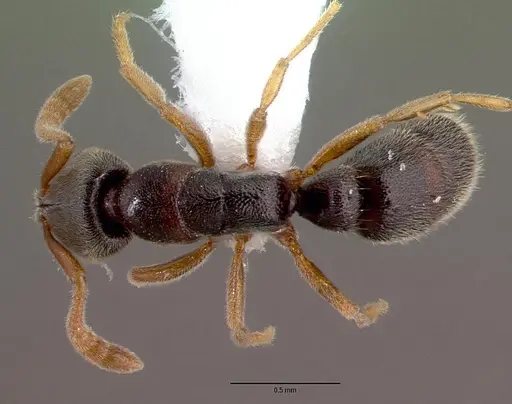
CASENT0172426
View on AntWeb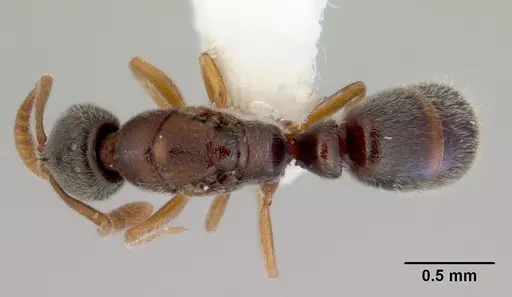
CASENT0172427
View on AntWeb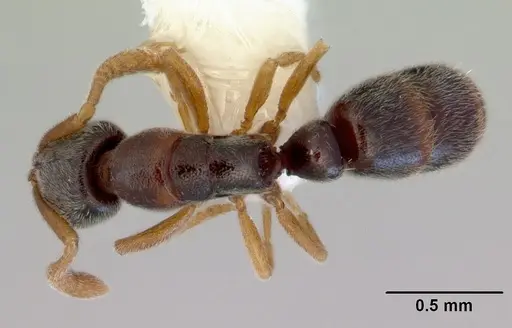
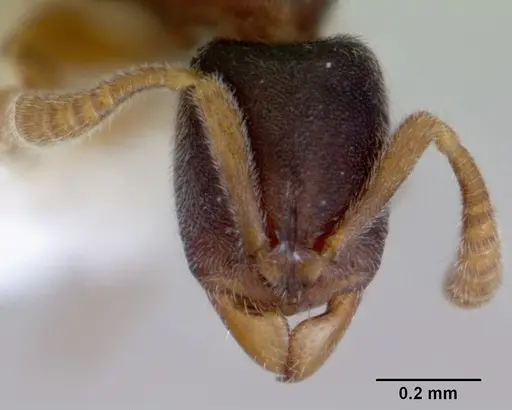
CASENT0915295
View on AntWeb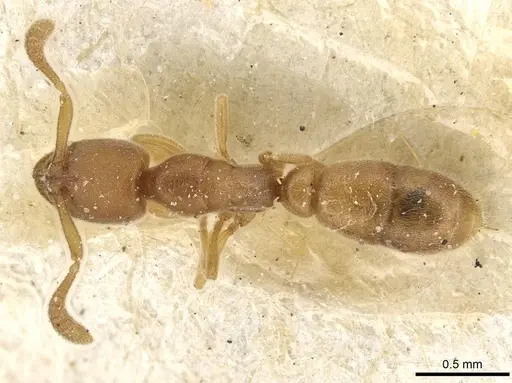
Literature
Loading distribution map...Loading products...