
Ponera indica
- Sci. Name
- Ponera indica
- Tribe
- Ponerini
- Subfamily
- Ponerinae
- Author
- Bharti & Wachkoo, 2012
- Distribution
- Found in 1 countries
Introduction
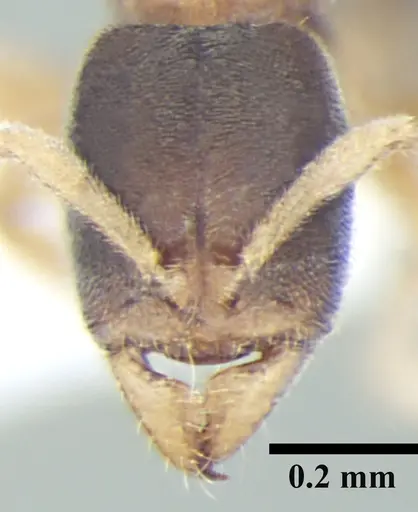
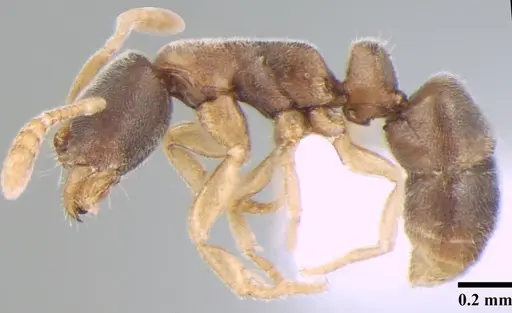
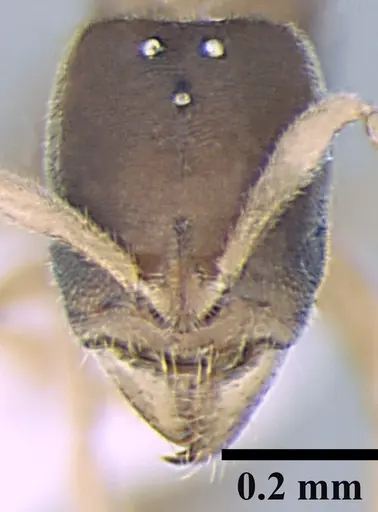
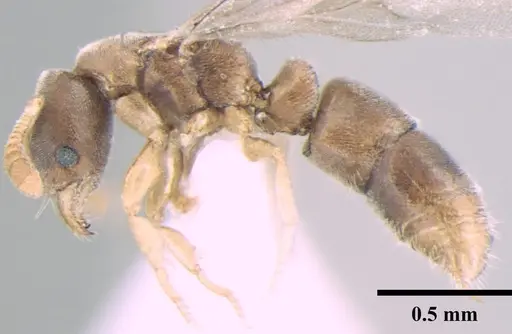
Ponera indica is a small predatory ant species endemic to the Himalayan region of India. Based on related Ponera species, workers are approximately 2-3 mm long, with a blackish head, medium reddish-brown body, and yellow mandibles, antennae, and legs . The species was first described in 2012 and is recorded from Himachal Pradesh and Sikkim . It inhabits leaf litter, soil, and under stones at elevations between 430-1040 meters . This species is one of the few documented Ponera ants in India, making it a challenging species for experienced antkeepers. Workers possess a functional sting used to subdue prey .
Quick Summary
- Difficulty: Expert
- Origin & Habitat: Endemic to the Indian Himalayas, specifically Himachal Pradesh and Sikkim, found in leaf litter, soil, and under stones at 430-1040 meters elevation [1][2][3].
- Colony Type: Colony structure is unconfirmed, but likely single-queen based on typical Ponera patterns.
- Size & Growth:
- Queen: Size data unavailable, inferred from Ponera genus to be approximately 2-3 mm
- Worker: Size data unavailable, inferred from Ponera genus to be approximately 2-3 mm
- Colony: Up to 200 workers, estimated from related species
- Growth: Slow to moderate
- Development: Unconfirmed, likely 8-12 weeks based on genus patterns (Development may be slower in cooler temperatures)
- Antkeeping:
- Temperature: Keep between 20-24°C, with a thermal gradient if possible, inferred from Himalayan habitat
- Humidity: Keep nest substrate consistently moist but not waterlogged, mimicking leaf litter conditions [1][2]
- Diapause: Likely required, reduce temperature to 10-15°C for 3-4 months during winter [3]
- Nesting: Y-tong or plaster nests with tight chambers scaled to small size, inferred from natural habitat
- Behavior: Workers are secretive and predatory, using their sting to subdue small prey. Escape risk is high due to tiny size, requiring excellent prevention measures [1].
- Common Issues: escape prevention is critical due to tiny size, slow colony growth requires patience, high humidity needs can lead to mold if ventilation is poor, predatory diet requires constant access to small live prey, hibernation failure if temperatures not reduced properly
Housing and Nest Setup
Ponera indica requires careful housing due to their small size. Use Y-tong or plaster nests with tight chambers scaled to their dimensions. Escape prevention is essential, apply Fluon to rim edges and use fine mesh for ventilation [1][4]. Naturalistic setups with moist soil and leaf litter can mimic their habitat [1][2].
Feeding and Diet
As predatory ants, they need small live prey like springtails or fruit fly larvae. Offer prey items roughly 1mm or smaller. Sugar sources may be accepted occasionally but protein is essential [4].
Temperature and Seasonal Care
Keep nest temperature around 20-24°C, avoiding above 28°C. During winter, reduce to 10-15°C for 3-4 months to simulate diapause [3]. Maintain humidity with moist substrate [1][2].
Behavior and Observation
Workers are cryptic and hunt in leaf litter. They use their sting to subdue prey but are too small to sting humans effectively. Observation requires good lighting due to their small size [1].
Frequently Asked Questions
How long does it take for Ponera indica to produce first workers?
The exact timeline is unconfirmed, but based on typical Ponera development, expect 8-12 weeks from egg to worker at optimal temperature.
Can I keep Ponera indica in a test tube?
Yes, for founding colonies, but monitor humidity closely as water reservoirs dry quickly. Upgrade to a formicarium once the colony grows [4].
Do Ponera indica ants sting?
Yes, they possess a functional sting used for subduing prey, but they are too small to penetrate human skin [1].
What do Ponera indica eat?
They are predatory and need small live prey like springtails or fruit fly larvae. Sugar sources are secondary [4].
Are Ponera indica good for beginners?
No, this species is rated Expert difficulty due to small size, specific humidity needs, and predatory diet.
Do Ponera indica need hibernation?
Likely yes, as a Himalayan species, reduce temperature to 10-15°C for 3-4 months during winter [3].
How big do Ponera indica colonies get?
Colony size is unconfirmed, but estimated to reach up to 200 workers based on related species.
When should I move my Ponera indica colony to a formicarium?
Move from test tube to formicarium once the colony has several workers or when humidity maintenance becomes difficult [4].
Why are my Ponera indica dying?
Common causes include temperature too high, humidity too low or too high, insufficient prey, or escape through gaps.
Can I keep multiple Ponera indica queens together?
This has not been documented, single-queen colonies are likely based on typical Ponera behavior.
Report an Issue
The current care sheet is based fully on literature. See inconsistencies, or something that's incorrect? Please , it will be resolved after review from an admin. Contributing to the blogs tab also helps providing information, to make us be able to further improve the caresheets. Thank you for your support!
References

This caresheet is licensed under CC BY-SA 4.0 .
Community Blogs
ANTWEB1008010
View on AntWeb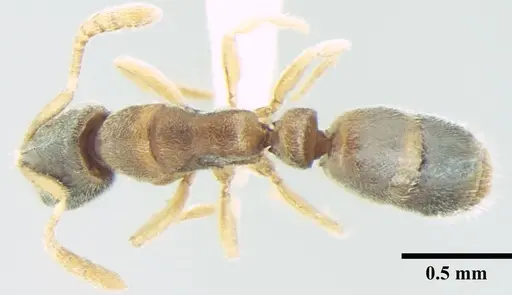
ANTWEB1008011
View on AntWeb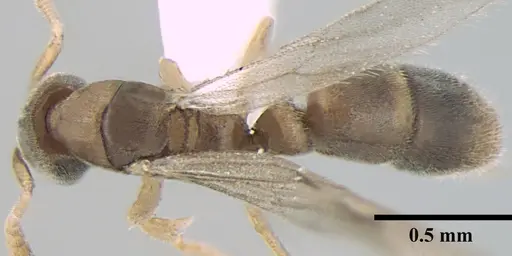
Literature
Loading distribution map...Loading products...