Ponera coarctata shows a August to October activity window. Peak activity occurs in August, with queen sightings distributed across 3 months.
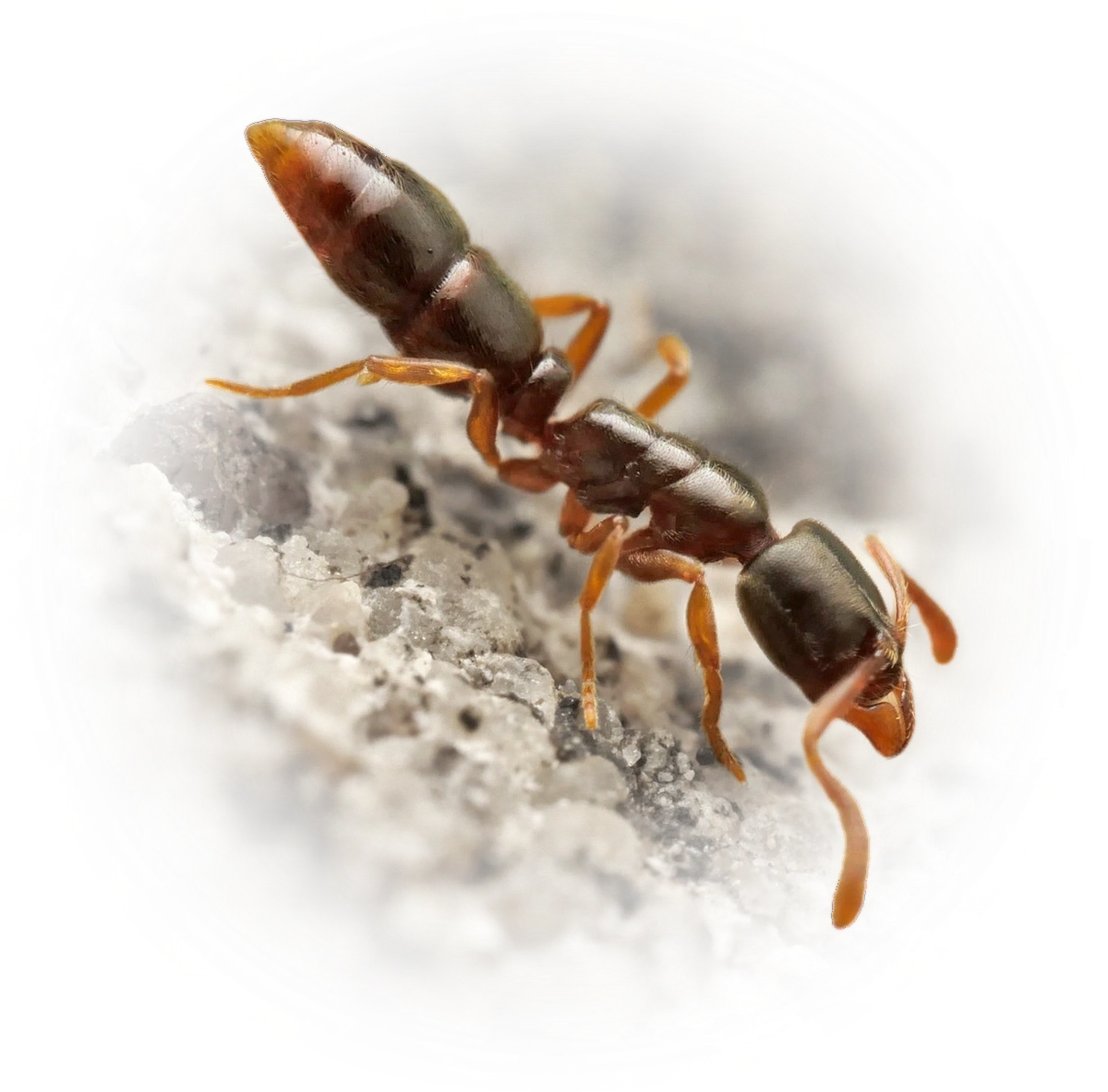
Indolent Ant
Ponera coarctata
- Sci. Name
- Ponera coarctata
- Tribe
- Ponerini
- Subfamily
- Ponerinae
- Author
- Latreille, 1802
- Common Name
- Indolent Ant
- Distribution
- Found in 15 countries
- Queen Activity
- From August to October
- Peak Time
- 14:00
AI Identifiable
try →
Introduction
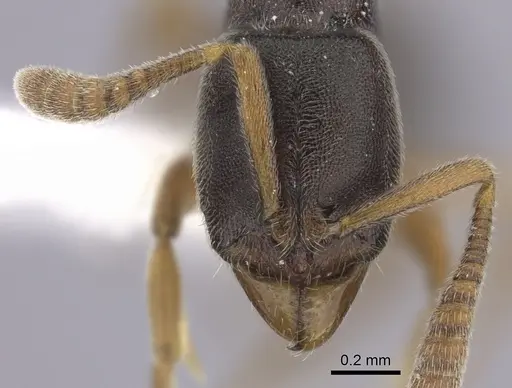
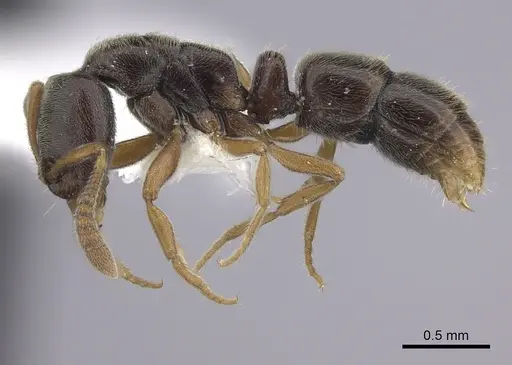
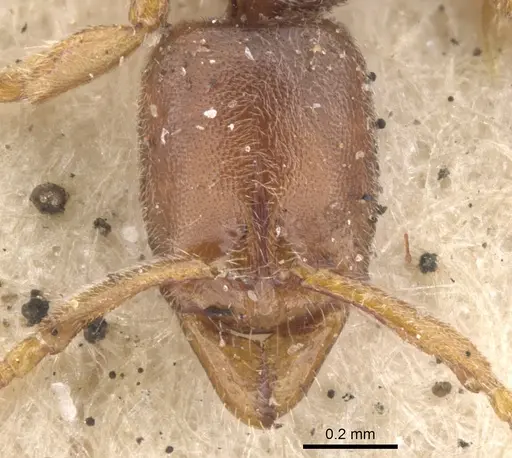
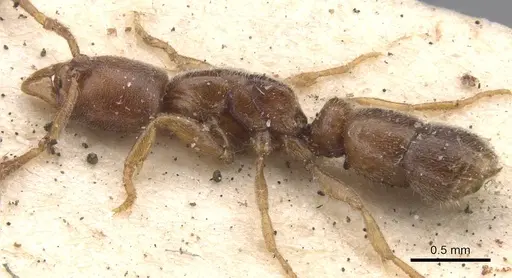
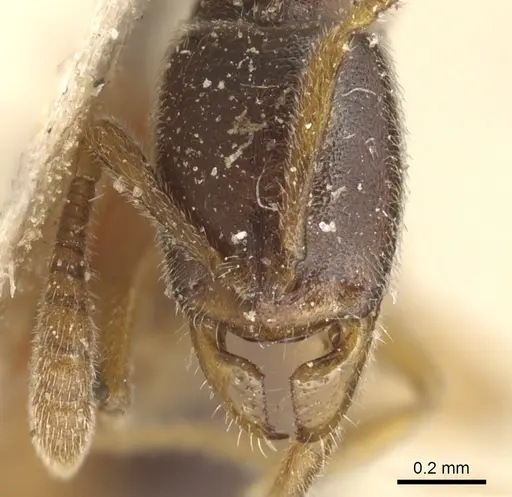
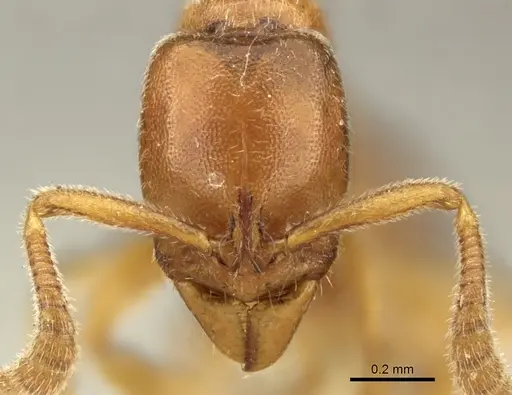
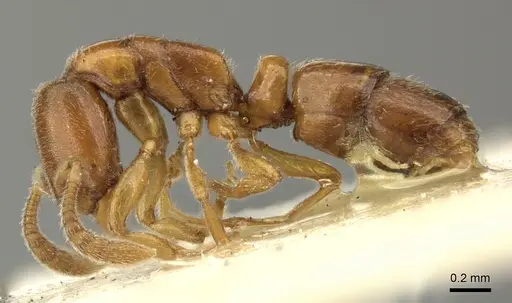
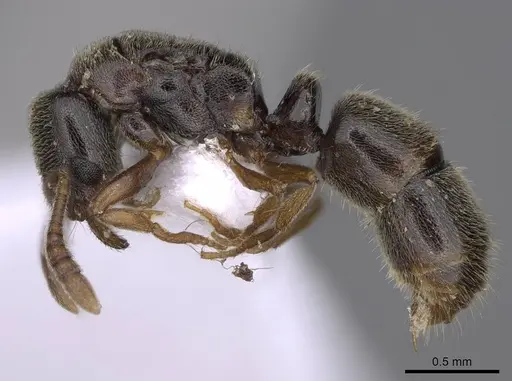
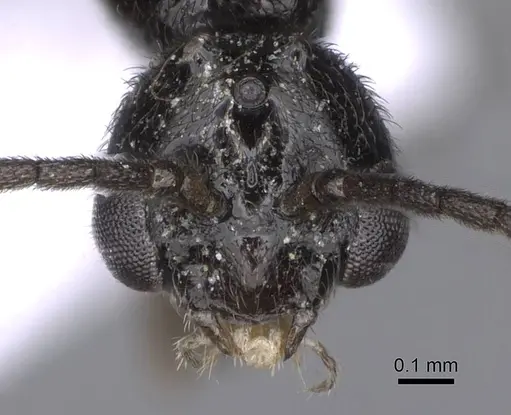
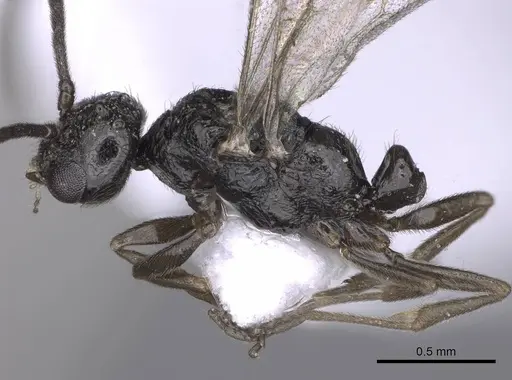
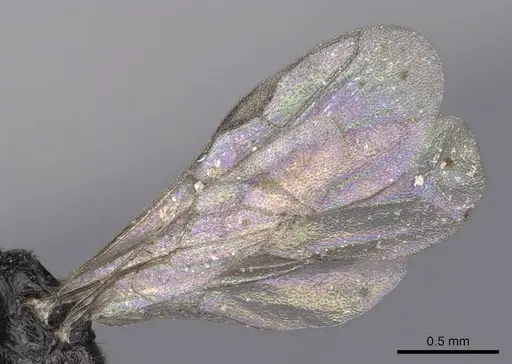
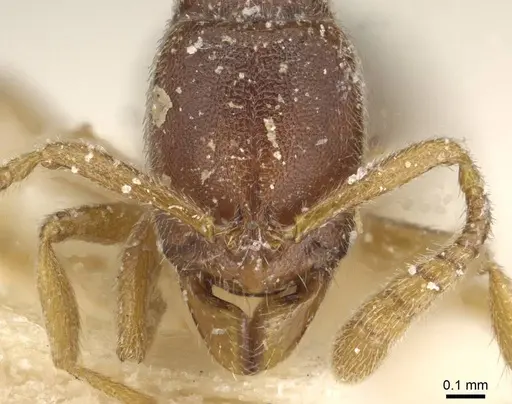
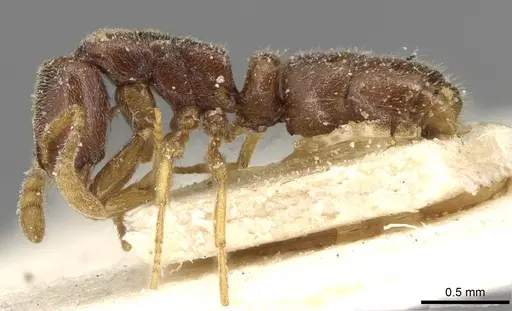
Ponera coarctata is a small, primitive ant in the subfamily Ponerinae. Workers are about 3.0-3.5 mm long and have a slender, rod-like body with a constriction between the first and second abdominal segments . Queens are larger at 4.0-4.5 mm . The species ranges across Europe, from Portugal to Turkey and the Caucasus, north to southern England and Poland, and into North Africa . It inhabits warm, dry to moderately moist habitats like grasslands and light forests, often nesting under stones . One interesting trait is significant queen size variation, with some queens having nearly 250% more eye facets than others . Colonies remain small, making this a unique choice for antkeepers.
Quick Summary
- Difficulty: Medium
- Origin & Habitat: Western Palaearctic, found in Central and Southern Europe, north to southern England and Poland, and into North Africa. Prefers warm, dry to moderately moist habitats like grasslands and light forests [2][3].
- Colony Type: Typically monogynous with one queen, but occasional polygyny with 2-3 queens occurs. Colonies are small, with only a few dozen workers [3][4].
- Size & Growth:
- Antkeeping:
- Temperature: Keep at room temperature (18-24°C), with a warmer area around 22-24°C preferred. This is a thermophilic species [5].
- Humidity: Moderate humidity. Keep nest substrate slightly moist but not waterlogged. These ants prefer well-drained conditions [5][6].
- Diapause: Yes, a winter rest period is recommended. Nuptial flights occur July-September, suggesting a seasonal cycle [5][6]. Keep at 10-15°C for 2-3 months during winter.
- Nesting: Use a naturalistic setup with soil or a gypsum nest. Provide a moist nest chamber and a dry outworld for foraging. These ants nest under stones in the wild and prefer narrow passages [5][7].
- Behavior: Ponera coarctata is calm, slow-moving, and predatory. Workers forage singly through soil and leaf litter, hunting small arthropods. They have a functional sting but are not aggressive toward humans. They are hypogeal (ground-dwelling) and rarely surface, making them fascinating to observe. Escape prevention is important due to their small size [5][8].
- Common Issues: small colony size makes ants delicate, avoid frequent nest inspections, slow movement and cryptic lifestyle can appear inactive, this is normal, hypogeal nature means they may not be visible for long periods, overheating or drying out can stress colonies, monitor temperature and humidity, small size requires good escape prevention, use fine mesh and tight lids
Queen Ant Activity Analysis 99 observations
Queen Activity by Hour 99 observations
Ponera coarctata queen activity peaks around 14:00 during the afternoon. Activity is spread across a 13-hour window (08:00–20:00). A secondary activity peak occurs around 12:00. Times may be influenced by human observation patterns.
Housing and Nest Setup
Use a naturalistic terrarium-style formicarium with a deep soil layer (at least 5-7 cm) for tunneling. A gypsum nest with a soil chamber also works well. Keep the nest area consistently moist but not wet, with proper drainage. Provide a dry outworld for foraging. Since these ants are poor climbers, ensure smooth connections between nest and outworld. Maintain temperature at 18-24°C, ideally around 22°C [5][7].
Feeding and Diet
This species is primarily predatory. Offer small live prey like fruit flies, pinhead crickets, and small mealworms every 2-3 days. Remove uneaten prey after 24 hours. They do not tend aphids or seek honeydew, so focus on protein-based diet [5][3].
Temperature and Seasonal Care
Maintain warm conditions during active season (spring to autumn) at 18-24°C. During winter (November-February), reduce temperature to 10-15°C for a rest period. Do not feed during hibernation but keep the nest slightly moist. Return to normal temperatures gradually in spring [5][6].
Behavior and Observation
Workers move slowly and forage primarily in the evening. They organize brood in central chambers and may tend larvae and cocoons. Queens show significant size variation, which may affect founding success [4]. Their sting is functional but rarely used against humans due to their docile nature [5].
Colony Dynamics and Reproduction
Colonies remain small, maxing out at 30-50 workers. Nuptial flights occur July-September, when winged reproductives leave the nest. In captivity, winged sexuals may appear in late summer, indicating a healthy colony [6][4].
Frequently Asked Questions
How long does it take for Ponera coarctata to produce first workers?
No direct data exists. Based on typical Ponerinae development, expect 2-4 months at warm temperatures (around 22°C). Development is slower than many ants, so patience is required.
Can I keep multiple Ponera coarctata queens together?
Occasional polygyny occurs in the wild, but it is not the norm. Start with a single queen for best success. Combining unrelated queens is not recommended as it has not been documented in captivity.
Why are my Ponera coarctata always hiding?
This is normal behavior, they are hypogeal (ground-dwelling) and spend most time underground. They are not strong foragers on the surface and may only become active in the evening.
What do Ponera coarctata eat?
They are primarily predatory, feeding on small arthropods. Offer small live prey like fruit flies and crickets. They do not typically accept sugar water or honey.
How big do Ponera coarctata colonies get?
Colonies typically reach 10-50 workers. This is normal for the species and one of the smallest colony sizes among ants.
Do Ponera coarctata need hibernation?
Yes, a winter rest period is recommended. Reduce temperatures to 10-15°C for 2-3 months during winter, keeping the nest slightly moist but not feeding.
Is Ponera coarctata good for beginners?
This species is rated medium difficulty. It can be kept by dedicated beginners who understand its specific needs: small colony size, hypogeal lifestyle, and slower development.
When will my Ponera coarctata produce alates?
Healthy colonies may produce winged reproductives after 1-2 years, typically in late summer (July-September).
Why did my colony stop growing?
Ponera coarctata naturally has slow growth and small colony sizes. If workers are present and the queen is alive, the colony is likely healthy. Ensure proper temperature, humidity, and regular feeding.
When do Ponera coarctata queens forage?
Queen activity of Ponera coarctata typically occurs From August to October. Times may be influenced by human observation patterns.
What time of day are Ponera coarctata queens most active?
Queen activity of Ponera coarctata peaks around 14:00 during the afternoon, with most activity between 08:00 and 20:00. Times may be influenced by human observation patterns.
Report an Issue
The current care sheet is based fully on literature. See inconsistencies, or something that's incorrect? Please , it will be resolved after review from an admin. Contributing to the blogs tab also helps providing information, to make us be able to further improve the caresheets. Thank you for your support!
References

This caresheet is licensed under CC BY-SA 4.0 .
Community Blogs
CASENT0172740
View on AntWeb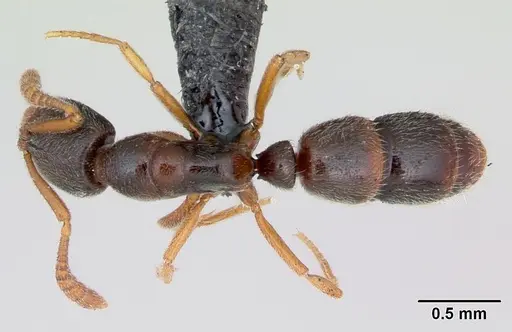
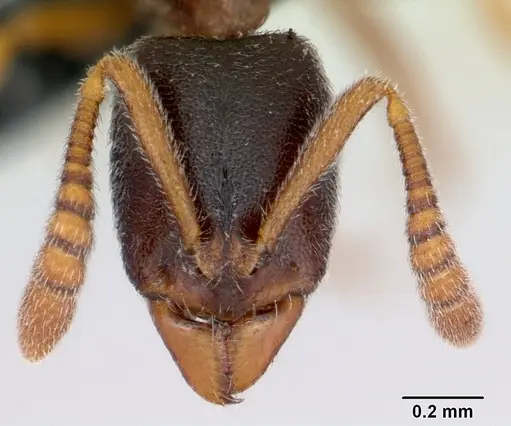
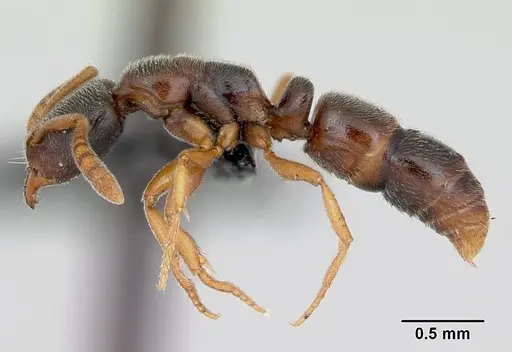
CASENT0249225
View on AntWeb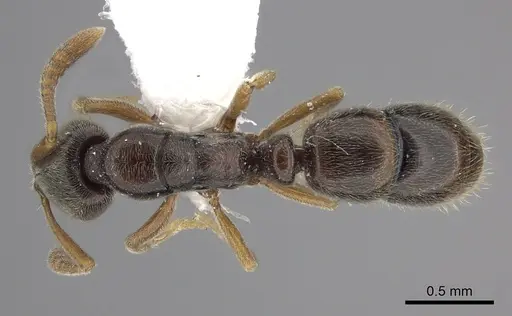
CASENT0902536
View on AntWeb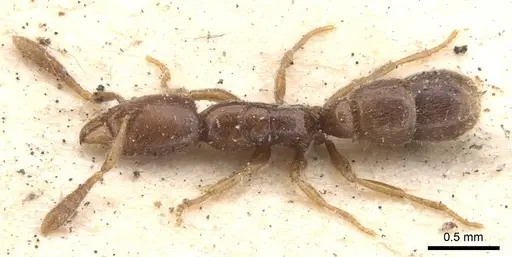
CASENT0903905
View on AntWeb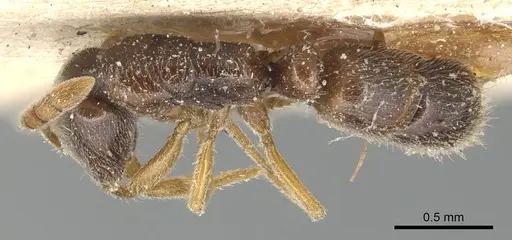
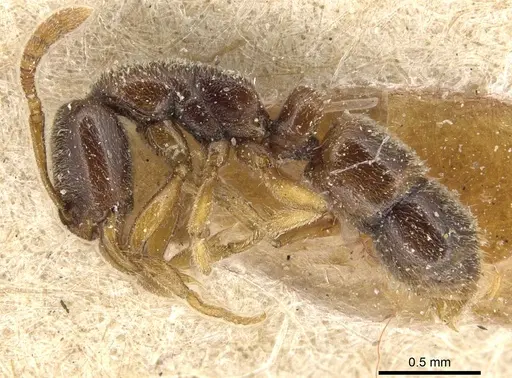
CASENT0906691
View on AntWeb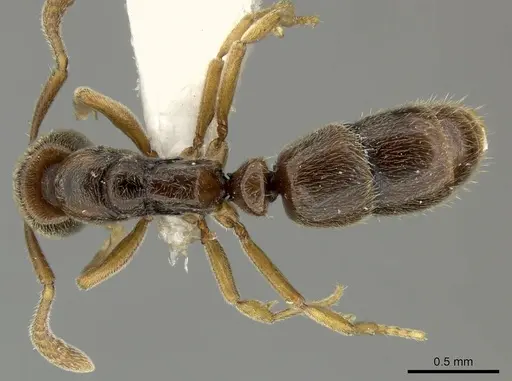
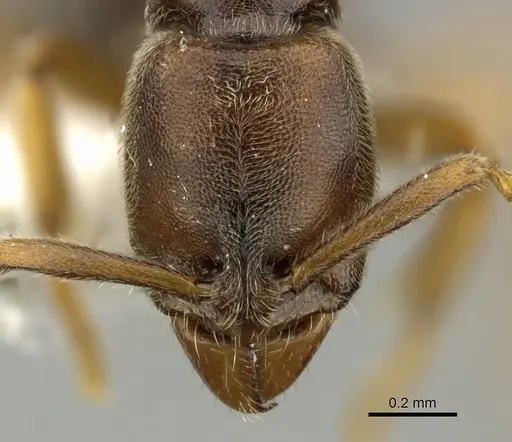
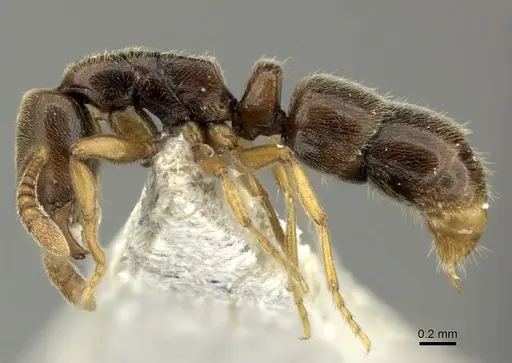
CASENT0906718
View on AntWeb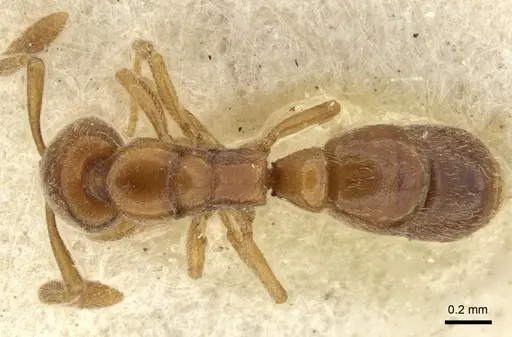
CASENT0906724
View on AntWeb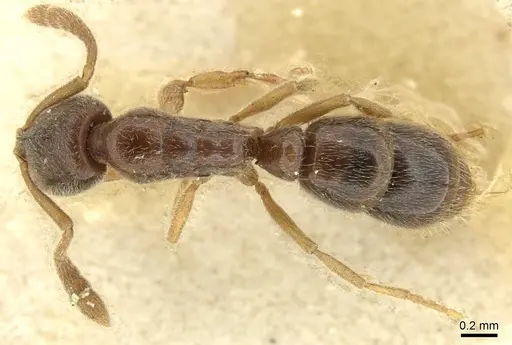
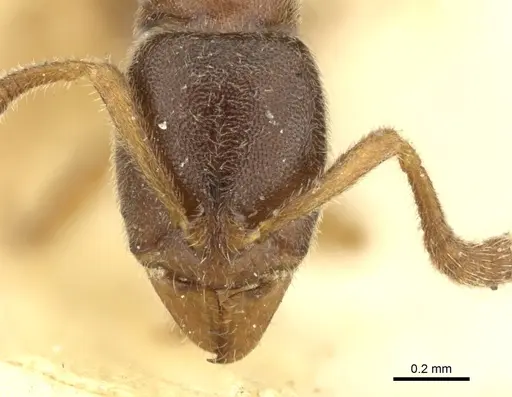
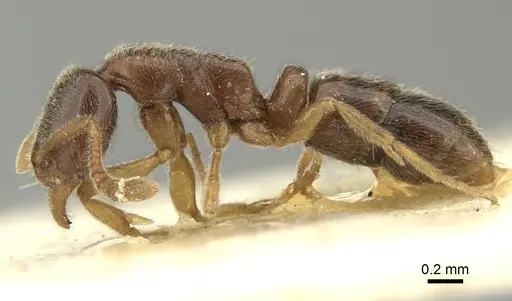
CASENT0914222
View on AntWeb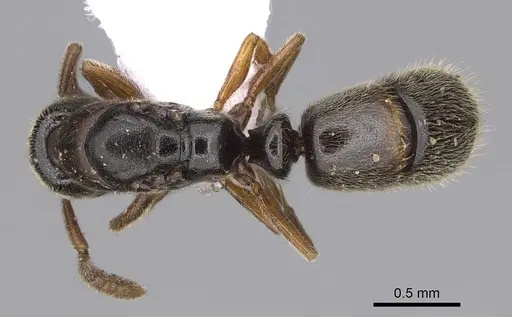
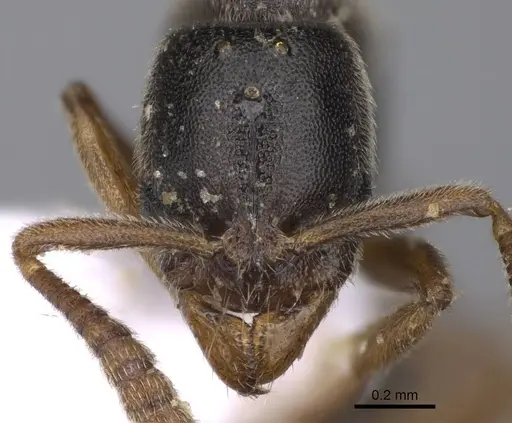
CASENT0914224
View on AntWeb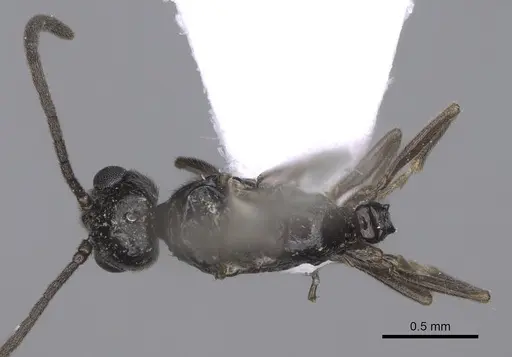
CASENT0915294
View on AntWeb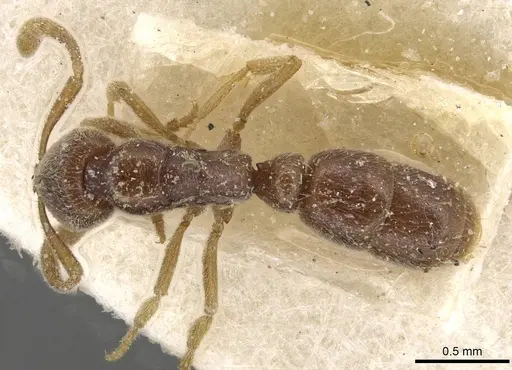
Literature
Loading distribution map...Loading products...