
Ponera clavicornis
- Sci. Name
- Ponera clavicornis
- Tribe
- Ponerini
- Subfamily
- Ponerinae
- Author
- Emery, 1900
- Distribution
- Found in 6 countries
Introduction
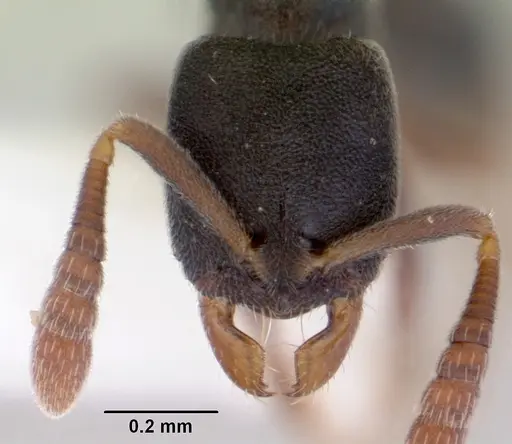
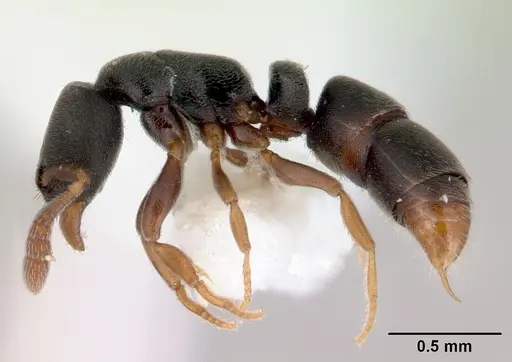
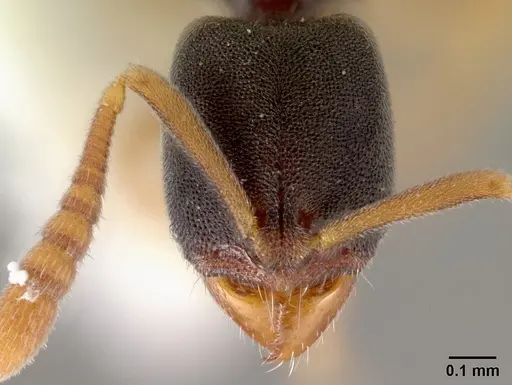
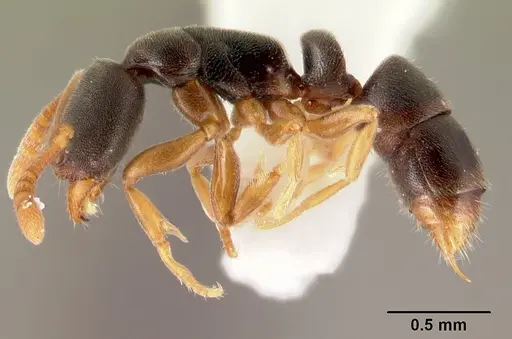
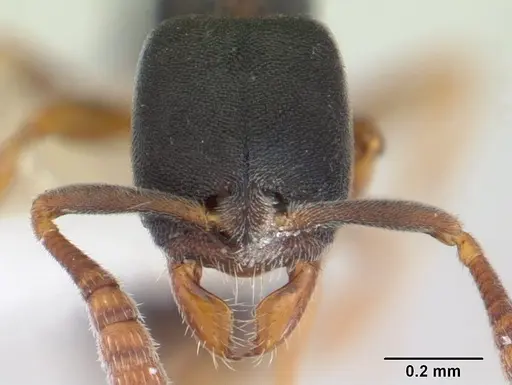
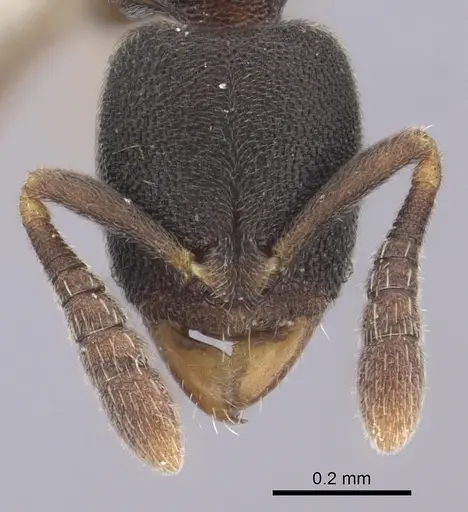
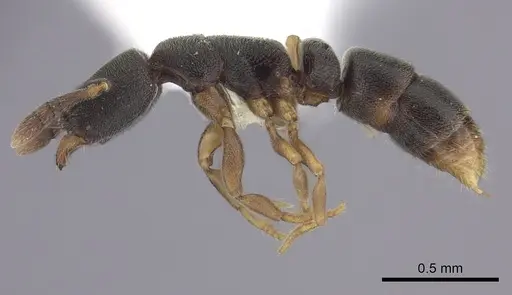
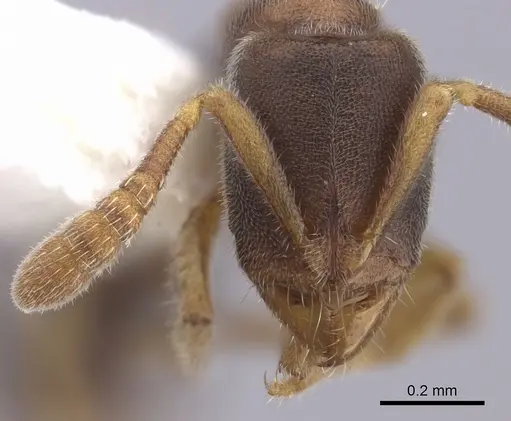
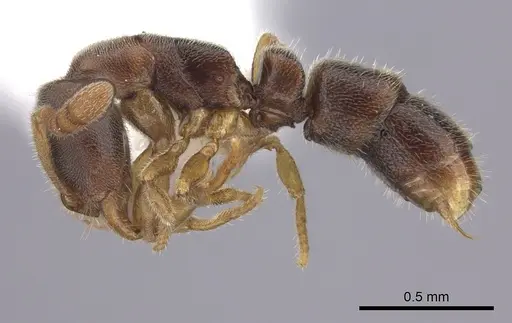
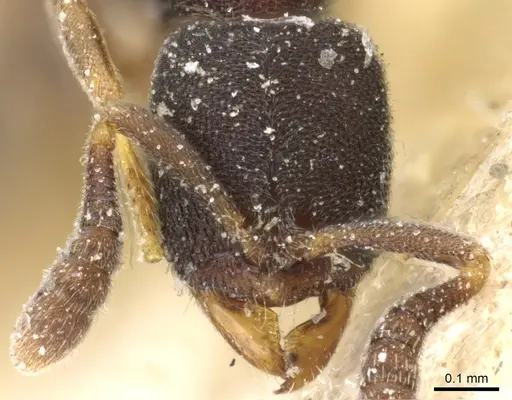
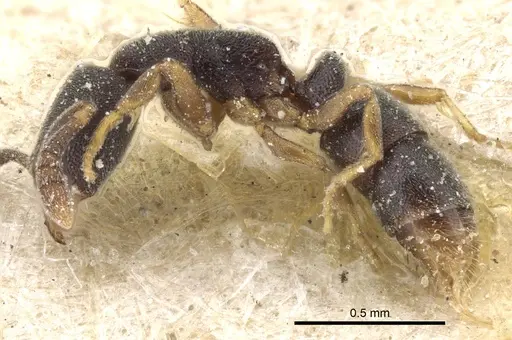
Ponera clavicornis is a tiny predatory ant native to the Australasian region, found across Australia, New Guinea, Micronesia, Solomon Islands, and Vanuatu . Workers are among the smallest ants in the Ponera genus, with a distinctive heavy sculptured appearance featuring dense puncturation on the head and mesosoma . They have very sparse body hairs, small eyes with only 2-6 facets, and a 5-jointed antennal club . Queens are slightly larger than workers . The species is exceptionally adaptable, found from sea level to 1500m elevation in habitats ranging from lowland rainforest to mid-mountain forest, typically nesting under bark on rotting logs or in leaf litter .
Quick Summary
- Difficulty: Medium
- Origin & Habitat: Native to Australasian region: Australia (Queensland), New Guinea, Solomon Islands, Vanuatu, and Micronesia [1][2][3]. Inhabits tropical rainforest environments from sea level to 1500m elevation, including primary lowland rainforest, second-growth forest, foothills forest, and mid-mountain forest [1]. Nests found under bark of large rotting logs [1].
- Colony Type: Colony structure is not well documented. Based on typical Ponera genus patterns, likely single-queen (monogyne) colonies [1]. No documented ergatoid (wingless replacement queen) system for this species.
- Size & Growth:
- Queen: Size data unavailable, full body length not provided in research. Inferred from Ponera genus to be approximately 3-5 mm.
- Worker: Size data unavailable, full body length not provided in research. Inferred from Ponera genus to be approximately 2-4 mm.
- Colony: Unknown, no specific data on colony size [1].
- Growth: Moderate, inferred from genus patterns.
- Development: Estimated 6-10 weeks at optimal temperature based on related Ponera species. (Development time is estimated, no specific study exists for this species. Tropical rainforest habitat suggests faster development than temperate species.)
- Antkeeping:
- Temperature: Keep at 24-28°C, reflecting their tropical rainforest origin. A gentle gradient allowing workers to self-regulate is ideal.
- Humidity: Keep nest substrate consistently moist but not waterlogged.
- Diapause: Unknown, no documented diapause research exists for this species [1].
- Nesting: Prefers tight, humid nest chambers. In captivity, a small test tube setup works well for founding colonies. For established colonies, a small formicarium with moist substrate maintains needed humidity. They naturally nest under bark and in rotting wood [1].
- Behavior: Ponera clavicornis is a cryptic, ground-dwelling species that forages in leaf litter and under bark. They are predatory, hunting small arthropods and other invertebrates. Workers are small and very agile. Due to their tiny size, escape prevention is critical, they can squeeze through extremely small gaps. They have a functional stinger and can inject venom, but due to their small size, stings are unlikely to be painful to humans. Colonies tend to be slow-moving and secretive, spending most of their time in the nest or in hidden foraging paths. The species shows ecological flexibility, adapting to various forest types from sea level to high elevation [1].
- Common Issues: escape prevention is critical due to their extremely small size, use fine mesh barriers and tight-fitting lids., high humidity requirements can lead to mold if ventilation is poor, balance humidity with adequate airflow., slow colony growth may cause keepers to overfeed or disturb the colony unnecessarily., wild-caught colonies may have parasites or diseases that can cause colony failure in captivity., tiny workers are easily overlooked and may be accidentally crushed during nest maintenance.
Housing and Nest Setup
For Ponera clavicornis, you'll need to replicate the humid, cryptic conditions of their natural habitat under rotting bark. A small test tube setup works perfectly for founding colonies, fill a test tube one-third with water, plug with cotton, and place the queen in darkness. For larger colonies, a small formicarium with moist substrate maintains the humidity they need. Because they're tiny, ensure all connections and barriers are secure, these ants can escape through gaps you might not even see. A naturalistic setup with damp soil, small pieces of rotting wood, and leaf litter mimics their natural environment and helps them feel secure [1]. Keep the nest area dark or dimly lit, as they prefer hidden spaces.
Feeding and Diet
Ponera clavicornis is predatory, like other Ponera species. In captivity, offer small live prey such as springtails, fruit flies, tiny crickets, or other small insects. They are small hunters, so prey should be appropriately sized, nothing larger than their own body size. Feed small prey items every few days, removing any uneaten portions to prevent mold. While not confirmed for this specific species, Ponera ants typically accept sugar sources like honey water or sugar water, especially once a colony has workers. Offer a small dish of sugar water regularly once workers are present. Remove any uneaten prey within 24 hours to maintain nest hygiene [4].
Temperature and Seasonal Care
As a tropical species from rainforests in Australia, New Guinea, and the Pacific islands, Ponera clavicornis needs warm, stable temperatures. Keep the nest area at 24-28°C, this range reflects their natural habitat from sea level to 1500m in tropical environments [1]. A heating cable on one side of the nest creates a gentle gradient, allowing ants to move to their preferred temperature. Room temperature in heated homes (around 24-26°C) is often suitable. Since they're from a tropical region, they may not need true hibernation, but activity may slow during cooler periods. Avoid temperatures below 20°C for extended periods. High humidity is essential, their natural habitat in leaf litter and under bark is consistently damp [1].
Behavior and Observation
This is a cryptic, secretive ant species that spends much of its time hidden in the nest or foraging in hidden spaces. Workers are tiny and move slowly but deliberately. They're not aggressive and pose no threat to keepers. The species is ecologically adaptable, Wilson documented them in everything from primary lowland rainforest to mid-mountain forest, showing they can handle various conditions [1]. However, they're not particularly active or showy ants, which makes them better suited for keepers who enjoy observing subtle behaviors rather than constant activity. Due to their small size and cryptic nature, they're best kept in nests that allow for observation, test tubes or formicariums work well. Always use excellent escape prevention since they can slip through impossibly small gaps.
Frequently Asked Questions
How long does it take for Ponera clavicornis to produce first workers?
Based on typical Ponera genus development, expect first workers in approximately 6-10 weeks after the queen lays eggs, assuming optimal temperature around 24-28°C. No specific development study exists for this species.
Can I keep multiple Ponera clavicornis queens together?
Not recommended, combining unrelated queens of this species has not been documented. Ponera species typically form single-queen colonies, and introducing multiple foundresses often leads to fighting. It's best to house each queen separately [1].
What do I feed Ponera clavicornis?
Feed small live prey such as springtails, fruit flies, or tiny crickets. Ponera ants are predatory and hunt small invertebrates. Once workers are present, you can also offer sugar water or honey water as a carbohydrate source. Remove uneaten prey within 24 hours [4].
Are Ponera clavicornis good for beginners?
This species is rated as medium difficulty. They're small and require high humidity and escape prevention, which can be challenging. They're also slow-growing and not particularly active, which may be less exciting than some beginner species. However, their adaptability to various conditions makes them manageable for committed beginners [1].
When should I move Ponera clavicornis to a formicarium?
Wait until the colony has at least 20-30 workers before moving to a formicarium. Test tubes work well for founding colonies and smaller groups. A small formicarium with chambers scaled to their tiny size is suitable once the colony outgrows the test tube.
Do Ponera clavicornis need hibernation?
Unknown, as a tropical species from rainforests in Australia, New Guinea, and Pacific islands, they likely do not require true hibernation. However, activity may slow during cooler periods. No documented diapause research exists for this species [1].
Why are my Ponera clavicornis escaping?
Their extremely small size means they can escape through tiny gaps. Use fine mesh barriers, ensure all connections are tight, and apply Fluon or other barrier gels to prevent escapes. Check for gaps you might not see, these ants can squeeze through openings smaller than a millimeter [1].
Report an Issue
The current care sheet is based fully on literature. See inconsistencies, or something that's incorrect? Please , it will be resolved after review from an admin. Contributing to the blogs tab also helps providing information, to make us be able to further improve the caresheets. Thank you for your support!
References

This caresheet is licensed under CC BY-SA 4.0 .
Community Blogs
CASENT0172425
View on AntWeb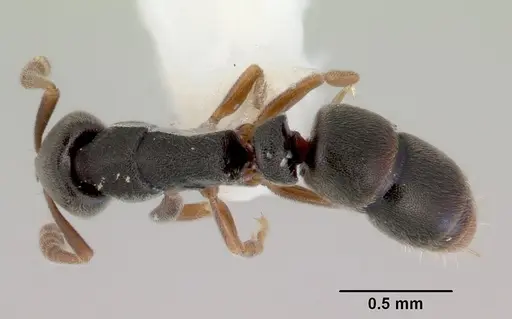
CASENT0178436
View on AntWeb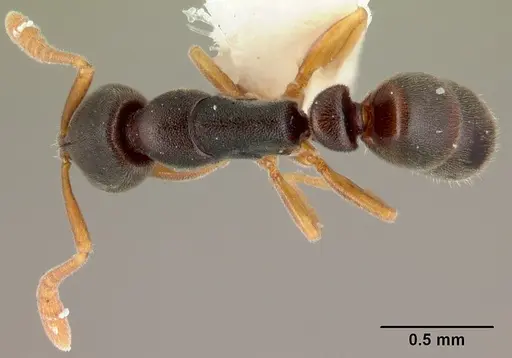
CASENT0178449
View on AntWeb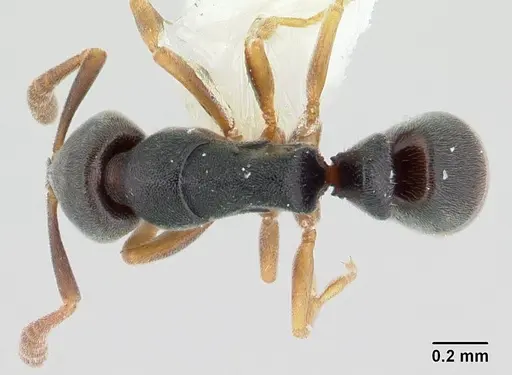
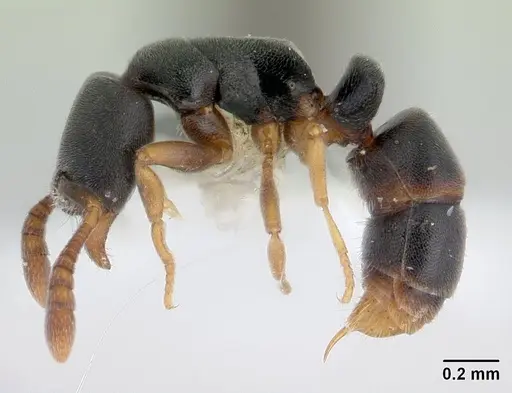
CASENT0249222
View on AntWeb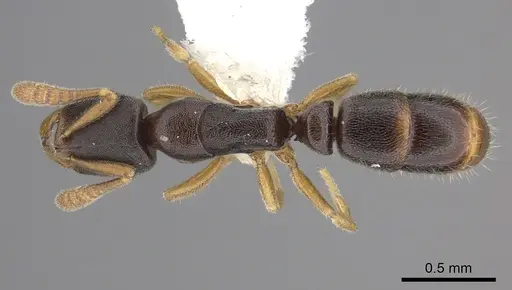
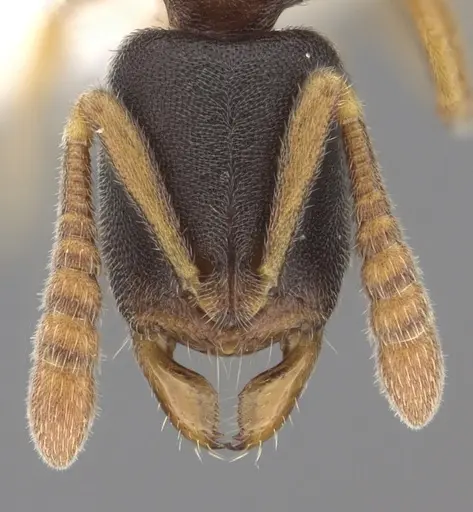
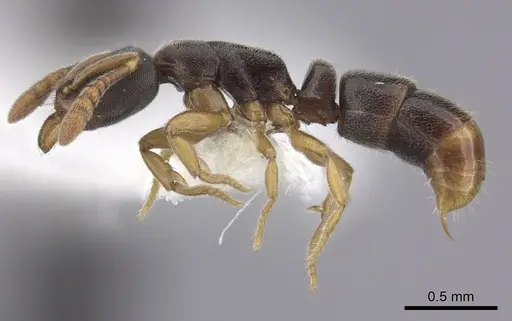
CASENT0249223
View on AntWeb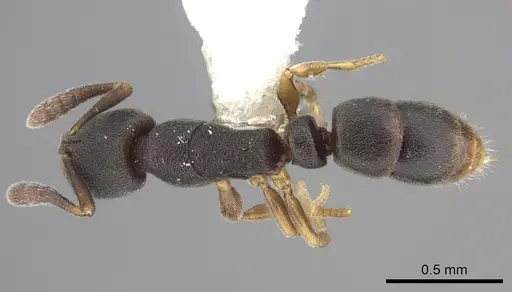
CASENT0249224
View on AntWeb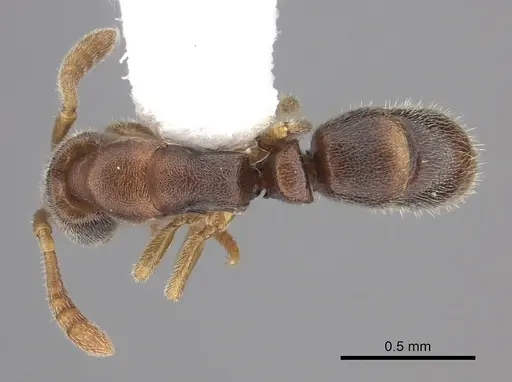
CASENT0903913
View on AntWeb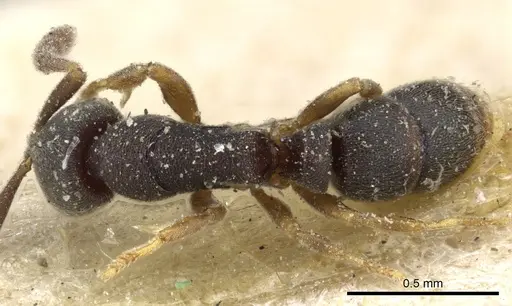
Literature
Loading distribution map...Loading products...