
Polyrhachis wellmani
- Sci. Name
- Polyrhachis wellmani
- Subgenus
- Myrma
- Tribe
- Camponotini
- Subfamily
- Formicinae
- Author
- Forel, 1909
- Distribution
- Found in 1 countries
Introduction
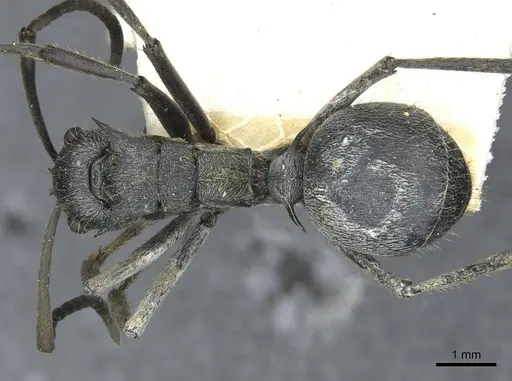
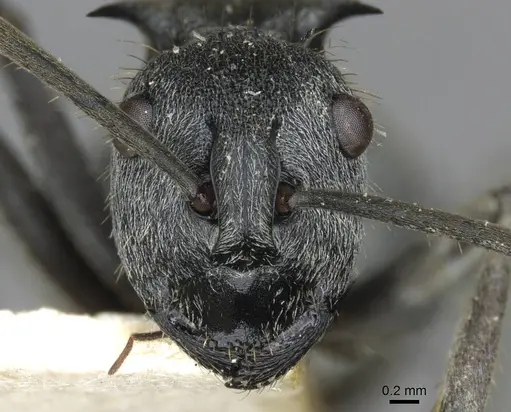
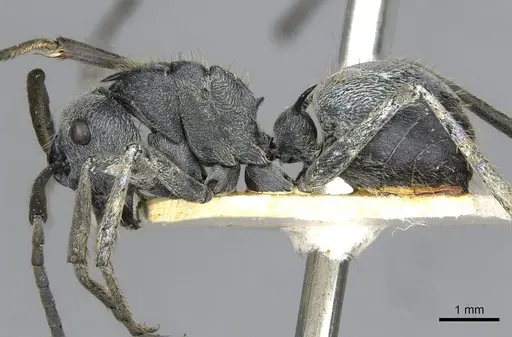
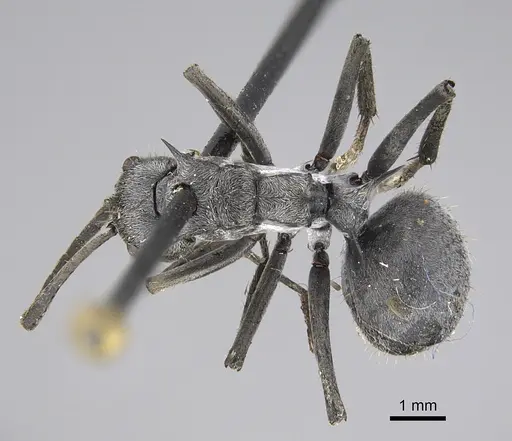
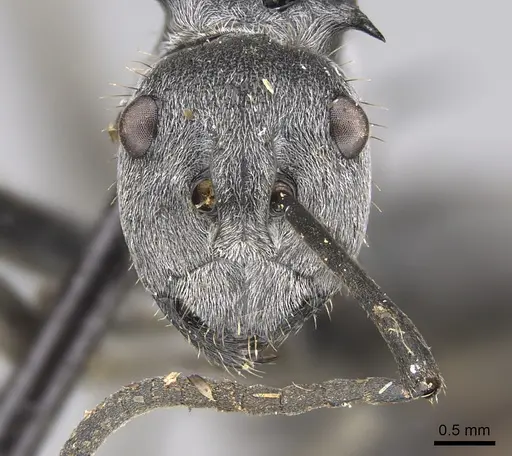
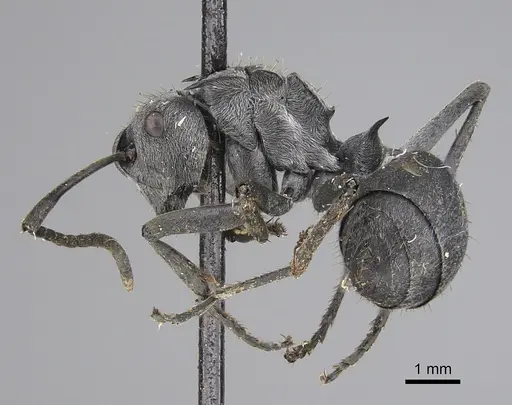
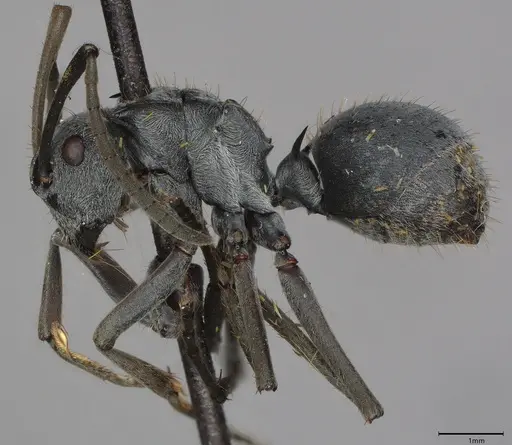
Polyrhachis wellmani is a medium-sized African ant found in Angola, Democratic Republic of Congo, and Zambia . Workers measure 8.3-8.7 mm in total length . They have long spines on the pronotum, short upcurved teeth on the propodeum, and a single pair of spines on the petiole, which distinguishes them from similar species like Polyrhachis schistacea . The biology of P. wellmani is not well studied, but it closely resembles Polyrhachis schistacea, suggesting similar life history traits . This means keepers can infer care from related Polyrhachis species in the militaris group.
Quick Summary
- Difficulty: Medium
- Origin & Habitat: Afrotropical region, including Angola, Democratic Republic of Congo, and Zambia [1][2]. Likely inhabits tropical savanna or forest edges, typical of Polyrhachis species [3].
- Colony Type: Colony structure is unconfirmed. Based on related species, likely single-queen colonies, but specific data is lacking.
- Size & Growth:
- Queen: Size data unavailable
- Worker: 8.3-8.7 mm [3]
- Colony: Up to several hundred workers, estimated from related Polyrhachis species [3]
- Growth: Moderate, inferred from genus patterns
- Development: 8-12 weeks estimated under warm conditions [3] (Development time is inferred from related Formicinae species)
- Antkeeping:
- Temperature: Keep at 24-28°C with a gentle gradient. Inferred from tropical species requirements [3].
- Humidity: Keep nest substrate consistently moist but not waterlogged. Provide a water source. Inferred from Afrotropical habitat [3].
- Diapause: No, as a tropical species, they do not require hibernation [3].
- Nesting: Use Y-tong or plaster nests with appropriately sized chambers. Avoid acrylic nests. Inferred from genus preferences [3].
- Behavior: Workers are moderately active and not highly aggressive. They can spray formic acid as a defense but lack a sting. Escape risk is medium due to their size [3].
- Common Issues: temperatures below 24°C can slow colony development, low humidity may cause dehydration, insufficient protein can lead to poor growth, wild-caught colonies may carry parasites, escape prevention is important despite medium size
Nest Preferences and Housing
Polyrhachis wellmani does well in standard formicarium setups. Use Y-tong or plaster nests with chambers roughly 10-15 mm in height and connecting tunnels. Match chamber size to worker size to avoid stress. A test tube setup works for founding colonies, but move to a formicarium once the colony reaches 20-30 workers. Naturalistic setups with soil can mimic their habitat [3].
Feeding and Diet
Like other Polyrhachis species, P. wellmani is omnivorous. Offer sugar sources like honey water constantly and protein such as dead insects 2-3 times per week. Remove uneaten prey after 24-48 hours to prevent mold. Fresh water should always be available [3].
Temperature and Seasonal Care
As a tropical African species, P. wellmani requires warm conditions. Keep the nest area at 24-28°C with a gentle gradient using a heating cable on one side. Room temperature alone is often insufficient. They do not require hibernation [3].
Behavior and Colony Dynamics
Workers are active foragers with a moderate temperament. They defend their nest if threatened and can spray formic acid as a defense, but they lack a sting. Colony growth is moderate, and foraging patterns establish once settled [3].
Frequently Asked Questions
How long does it take for Polyrhachis wellmani to produce first workers?
First workers typically appear in 8-12 weeks under optimal warm conditions, inferred from related Polyrhachis species [3].
What do Polyrhachis wellmani ants eat?
They are omnivorous. Offer sugar water or honey constantly, plus protein sources like dead insects 2-3 times weekly [3].
What temperature do Polyrhachis wellmani ants need?
Keep them at 24-28°C with a temperature gradient so workers can self-regulate [3].
Are Polyrhachis wellmani good for beginners?
They are rated as medium difficulty due to limited specific biology data and warmth requirements [3].
How big do Polyrhachis wellmani colonies get?
Colonies likely reach up to several hundred workers, based on related Polyrhachis species [3].
Can I keep multiple Polyrhachis wellmani queens together?
Colony structure is unconfirmed. Based on related patterns, they likely form single-queen colonies, but combining queens is not recommended [3].
Do Polyrhachis wellmani need hibernation?
No, as a tropical species, they do not require hibernation and should be kept warm year-round [3].
When should I move Polyrhachis wellmani to a formicarium?
Keep founding colonies in a test tube setup. Move to a formicarium once the colony reaches 20-30 workers or when crowded [3].
Why is my Polyrhachis wellmani colony declining?
Common causes include temperatures below 24°C, low humidity, insufficient protein, or parasites from wild-caught colonies. Check warmth and food [3].
Report an Issue
The current care sheet is based fully on literature. See inconsistencies, or something that's incorrect? Please , it will be resolved after review from an admin. Contributing to the blogs tab also helps providing information, to make us be able to further improve the caresheets. Thank you for your support!
References

This caresheet is licensed under CC BY-SA 4.0 .
Community Blogs
Literature
Loading distribution map...Loading products...