
Polyrhachis volkarti
- Sci. Name
- Polyrhachis volkarti
- Subgenus
- Myrma
- Tribe
- Camponotini
- Subfamily
- Formicinae
- Author
- Forel, 1916
- Distribution
- Found in 2 countries
Introduction
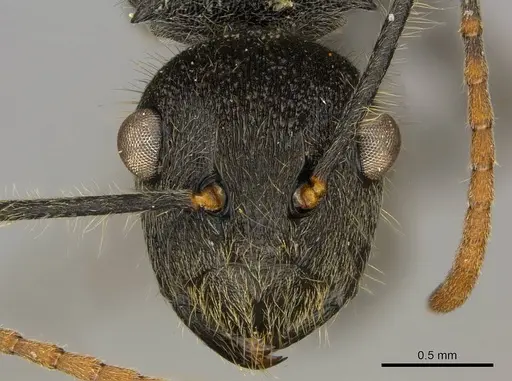
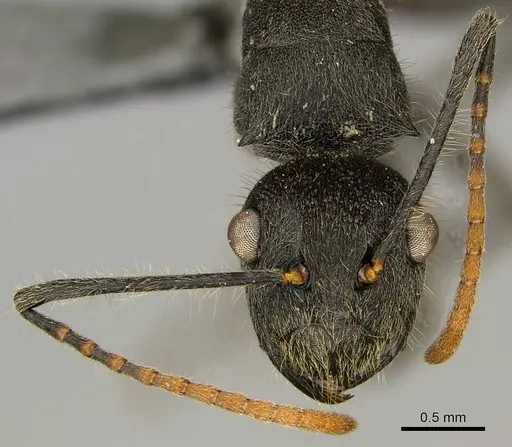
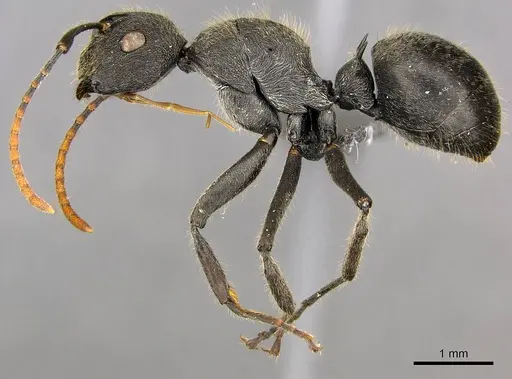
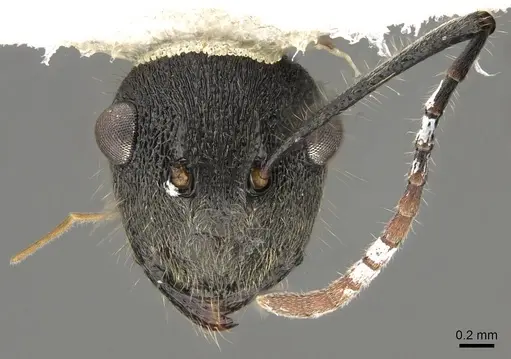
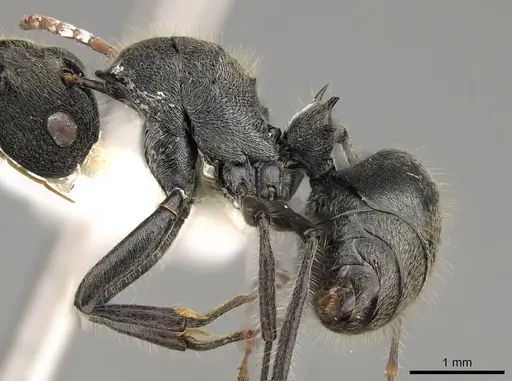
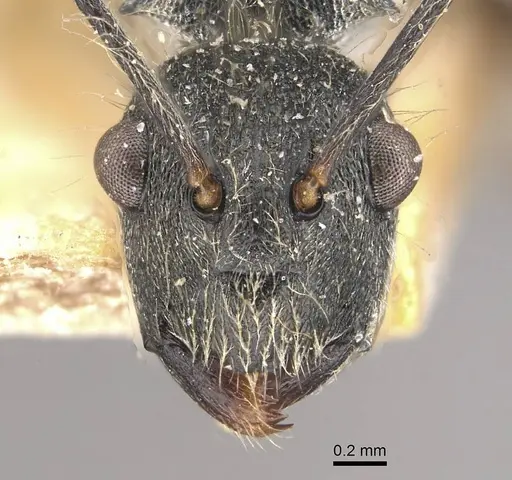
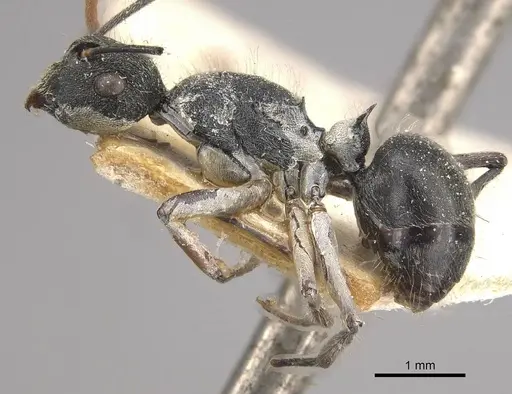
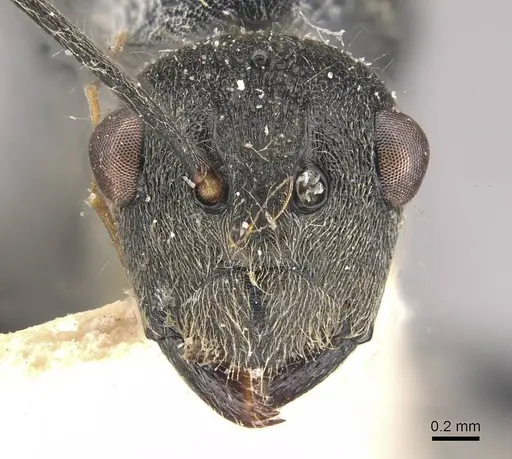
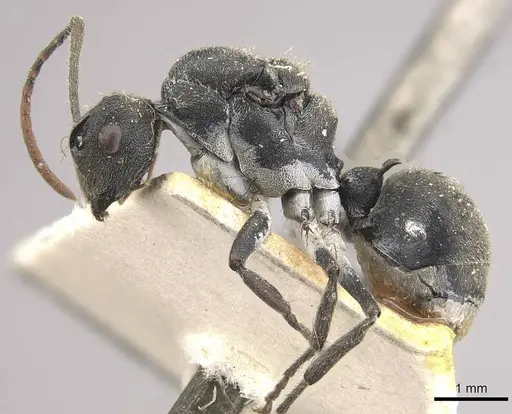
Polyrhachis volkarti is a medium-sized ant from the revoili species group, found in the Democratic Republic of Congo and Republic of Congo . Workers have a total length of approximately 6 mm, with a narrow build, long head, and short triangular spines on the pronotum . The species is recognized by its truncated clypeal lobe, lack of a metanotal groove, and a pair of propodeal ridges that do not meet in the middle . Queens are similar in appearance but with reduced spines and ridges . The body is covered in abundant long erect hairs, giving a fuzzy appearance . Almost nothing is known about the biology of this species in the wild, with limited data from museum specimens . This means keepers must rely on careful observation and genus-level knowledge for care protocols.
Quick Summary
- Difficulty: Expert
- Origin & Habitat: Democratic Republic of Congo and Republic of Congo, in tropical central African forest regions [1][2]
- Colony Type: Colony structure is unconfirmed. No specific data on queen number or social structure exists.
- Size & Growth:
- Queen: Size data unavailable, no total length measurements exist for queens [1]
- Worker: Approximately 6 mm total length [2]
- Colony: Unknown, no colony size data exists for this species
- Growth: Unknown, no development data available
- Development: Unknown, no direct measurements exist. Based on typical Polyrhachis patterns, estimate 6-10 weeks at optimal temperature, but this is inferred [1] (No developmental data exists for this species. Related Polyrhachis species typically take 6-10 weeks from egg to first worker at tropical temperatures.)
- Antkeeping:
- Temperature: Keep warm, roughly 24-28°C. This is inferred from the tropical habitat in central Africa [1][2]. Use a heating cable to maintain stable warmth if room temperature is below 24°C.
- Humidity: Keep the nest substrate consistently moist but not waterlogged, based on tropical forest conditions [1][2]. Provide a water tube and mist the outworld occasionally.
- Diapause: No, this tropical species does not require hibernation. Maintain stable conditions year-round [1][2]
- Nesting: Inferred from Polyrhachis genus preferences: typically nest in rotting wood or under bark. In captivity, use Y-tong (AAC) or plaster nests with good moisture retention [1][2]
- Behavior: Behavior is unstudied. Based on Polyrhachis genus patterns, workers are moderate in aggression and active foragers, likely feeding on honeydew and small insects. Escape risk is moderate due to medium size, standard barriers work well [1][2]
- Common Issues: temperature below 22°C for extended periods can cause colony decline, poor ventilation with high humidity may lead to mold growth, slow growth requires patience due to lack of development data, wild-caught colonies may have parasites with no documented treatment
Housing and Nest Setup
Polyrhachis volkarti needs a setup that mimics their tropical habitat. In the wild, Polyrhachis species typically nest in rotting wood or under bark [1][2]. For captivity, use a Y-tong (AAC) nest or plaster formicarium that holds moisture well. Connect the nest to a spacious outworld for foraging. Use a test tube setup for founding queens, transitioning to a proper nest once the colony grows. Escape prevention is straightforward with standard barriers due to their medium size [1][2].
Temperature and Heating
As a tropical species, Polyrhachis volkarti needs warm conditions. Aim for 24-28°C, using a heating cable on top of the nest to create a gradient if room temperature is cool [1][2]. Monitor colony behavior: if workers cluster near heat, increase temperature slightly, if they avoid it, reduce heat. Temperatures below 22°C for long periods may harm the colony.
Humidity and Moisture
High humidity is essential for this central African species. Keep the nest substrate damp but not waterlogged [1][2]. Provide a water tube for drinking and mist the outworld occasionally. Balance humidity with good ventilation to prevent mold, which can kill colonies.
Feeding and Diet
The natural diet is unstudied, but Polyrhachis species are generally omnivorous. Offer sugar water or honey as a constant energy source, and protein from small insects like fruit flies or mealworms [1][2]. Feed protein 2-3 times per week, removing uneaten prey after 24 hours.
Colony Development and Growth
No developmental data exists for this species. Based on Polyrhachis genus patterns, expect 6-10 weeks from egg to first worker at optimal temperatures [1][2]. Growth rate is likely moderate. Monitor brood development visually for eggs, larvae, and pupae. If development stalls, check temperature and humidity first.
Seasonal Care and Overwintering
As a tropical species, Polyrhachis volkarti does not require hibernation. Maintain stable warm conditions year-round [1][2]. If room temperature drops in winter, use heating to keep 24-28°C. Do not cool them for diapause, as this could be fatal.
Frequently Asked Questions
How long does it take for Polyrhachis volkarti to produce first workers?
The egg-to-worker timeline is unknown. Based on related Polyrhachis species, estimate 6-10 weeks at optimal warm temperatures (26-28°C), but this is inferred [1][2].
What do Polyrhachis volkarti ants eat?
Their specific diet is unstudied, but Polyrhachis species are generally omnivorous. Offer sugar water or honey and protein from small insects like fruit flies or mealworms [1][2].
Are Polyrhachis volkarti good for beginners?
No, this species is not recommended for beginners due to lack of biological data, making care experimental and challenging [1][2].
What temperature do Polyrhachis volkarti need?
Keep them warm at 24-28°C, based on their tropical habitat [1][2]. Use heating if room temperature is below 24°C.
Can I keep multiple Polyrhachis volkarti queens together?
This is unknown, colony structure has not been documented. Do not attempt combining queens without evidence they can coexist [1][2].
How big do Polyrhachis volkarti colonies get?
Maximum colony size is unknown, no data exists for this species [1][2].
What type of nest should I use for Polyrhachis volkarti?
Use a Y-tong (AAC) nest or plaster formicarium, as these hold moisture well for this humidity-loving species [1][2]. Ensure chambers are sized for their medium workers.
Do Polyrhachis volkarti need hibernation?
No, this tropical species does not require hibernation. Maintain warm, stable conditions year-round [1][2].
Why are my Polyrhachis volkarti dying?
Common issues include temperature too low (below 22°C), humidity problems causing mold, poor nutrition, or stress. Review your setup and consider that wild-caught colonies may have parasites [1][2].
Report an Issue
The current care sheet is based fully on literature. See inconsistencies, or something that's incorrect? Please , it will be resolved after review from an admin. Contributing to the blogs tab also helps providing information, to make us be able to further improve the caresheets. Thank you for your support!
References

This caresheet is licensed under CC BY-SA 4.0 .
Community Blogs
CASENT0250031
View on AntWeb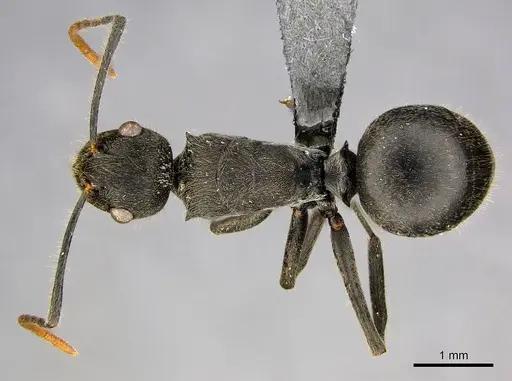
CASENT0281458
View on AntWeb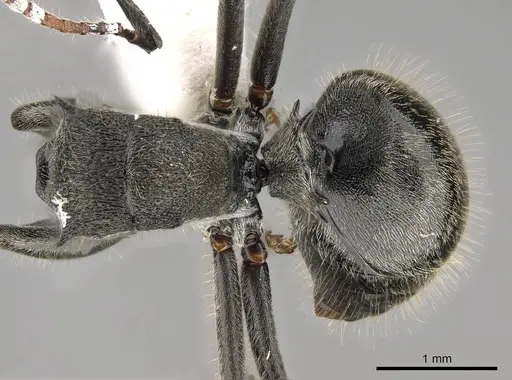
CASENT0910954
View on AntWeb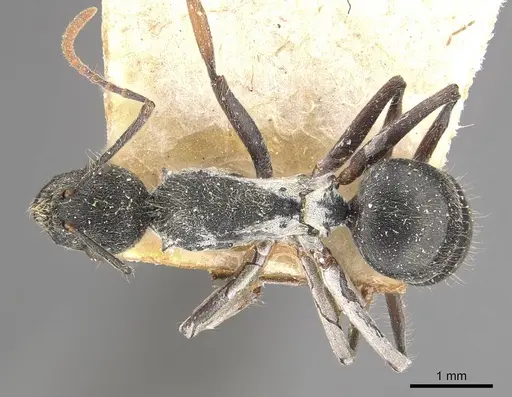
CASENT0910957
View on AntWeb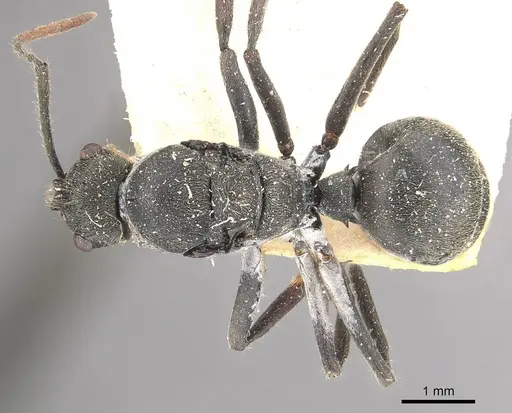
Literature
Loading distribution map...Loading products...