
Polyrhachis villipes
- Sci. Name
- Polyrhachis villipes
- Subgenus
- Myrma
- Tribe
- Camponotini
- Subfamily
- Formicinae
- Author
- Smith, 1857
- Distribution
- Found in 3 countries
Introduction
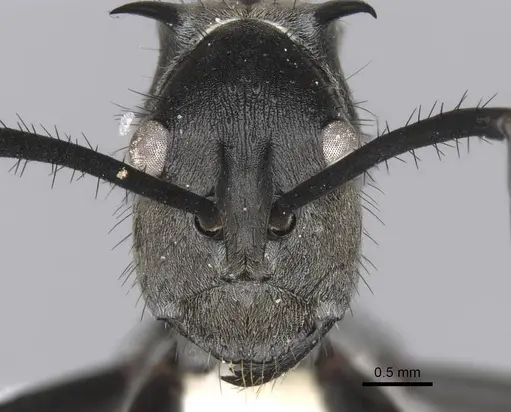
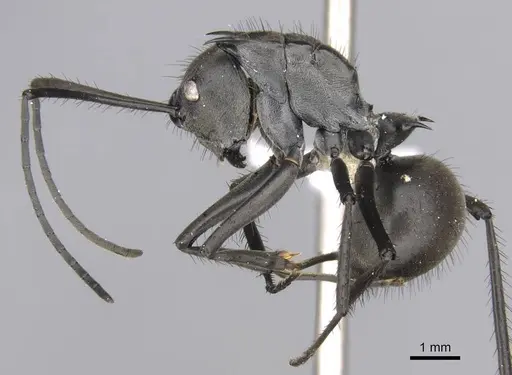
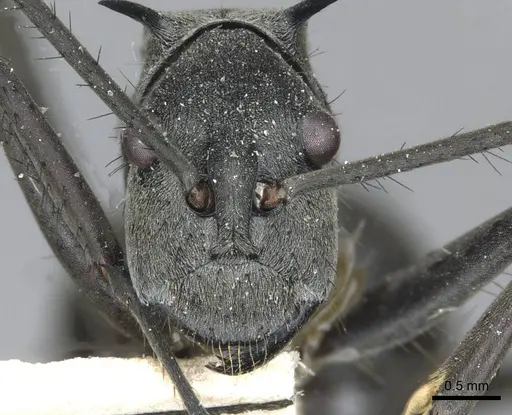
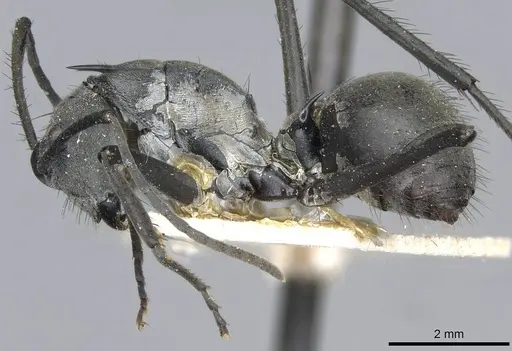
Polyrhachis villipes is a spiny ant native to the Indomalaya region, found in Borneo, Sumatra, Thailand, Malaysia, Philippines, Singapore, and India . Queens are estimated around 9-11mm based on historical descriptions , while worker size data is unavailable from research. The species belongs to the subgenus Myrma, nesting in pre-existing cavities in wood and vegetation rather than constructing woven nests . This arboreal ant forages actively in forest canopies and understory .
Quick Summary
- Difficulty: Medium
- Origin & Habitat: Native to the Indomalaya region, inhabiting tropical rainforests and nesting in rotting wood at elevations from lowland to hill forests [1][2].
- Colony Type: Unconfirmed, no species-specific data on queen number, but based on Polyrhachis patterns, likely monogyne (single queen colonies).
- Size & Growth:
- Antkeeping:
- Behavior: Workers are calm and non-aggressive, with moderate escape risk due to their arboreal nature [6]. Defense is via formic acid spray, as typical for Formicinae.
- Common Issues: cold temperatures below 20°C can slow development [6], arboreal nature requires secure enclosures to prevent escapes, moisture management critical to avoid mold or desiccation, slow founding phase, queens may take time to establish, wild-caught colonies may harbor parasites, quarantine new colonies
Housing and Nest Setup
You should use cork-based or wooden nests that mimic their natural arboreal habitat. A cork nest or Y-tong formicarium with wood inserts works well [2][1]. These ants prefer elevated nest chambers, so avoid fully acrylic nests unless they contain wood or cork. The outworld should include climbing structures like twigs, and ensure tight-fitting lids to prevent escapes [6].
Feeding and Diet
You can offer sugar sources like honey water constantly, and protein such as small insects 2-3 times per week [6]. Remove uneaten prey after 24 hours to prevent mold.
Temperature and Humidity Requirements
Keep temperatures at 24-28°C using a heating cable on one side for a gradient [6]. Maintain humidity by keeping the nest substrate moist but not waterlogged, with good ventilation [6].
Colony Development and Growth
Colonies grow moderately, with first workers emerging around 6-8 weeks under optimal conditions [6]. After nanitics appear, the queen stops foraging, and workers take over colony maintenance.
Behavior and Temperament
Workers are calm and non-aggressive, foraging actively without territorial behavior [6]. Their spines provide passive defense, and they use formic acid spray if threatened, as typical for Formicinae.
Frequently Asked Questions
How long does it take for Polyrhachis villipes to produce first workers?
Expect first workers around 6-8 weeks after queen lays eggs, with temperatures at 24-28°C [6].
What is the best nest type for Polyrhachis villipes?
Cork nests or Y-tong nests with wood inserts work best, mimicking their natural arboreal habitat [2][1].
What do Polyrhachis villipes eat?
They are omnivorous, offer sugar water constantly and protein like small insects 2-3 times per week [6].
Do Polyrhachis villipes need hibernation?
No, as a tropical species, they do not require diapause, keep temperatures stable year-round [6].
How big do Polyrhachis villipes colonies get?
Mature colonies can reach up to several hundred workers [6].
Are Polyrhachis villipes good for beginners?
Yes, they are considered a good beginner species due to calm temperament and straightforward care [6].
Can I keep multiple Polyrhachis villipes queens together?
No, the species is likely monogyne, multiple queens will fight. Only keep one queen per colony.
Why is my Polyrhachis villipes colony not growing?
Check temperature first, they need 24-28°C. Also ensure humidity and protein are adequate [6].
Do Polyrhachis villipes escape easily?
They have moderate escape risk due to climbing ability, use secure enclosures with tight lids [6].
Report an Issue
The current care sheet is based fully on literature. See inconsistencies, or something that's incorrect? Please , it will be resolved after review from an admin. Contributing to the blogs tab also helps providing information, to make us be able to further improve the caresheets. Thank you for your support!
References

This caresheet is licensed under CC BY-SA 4.0 .
Community Blogs
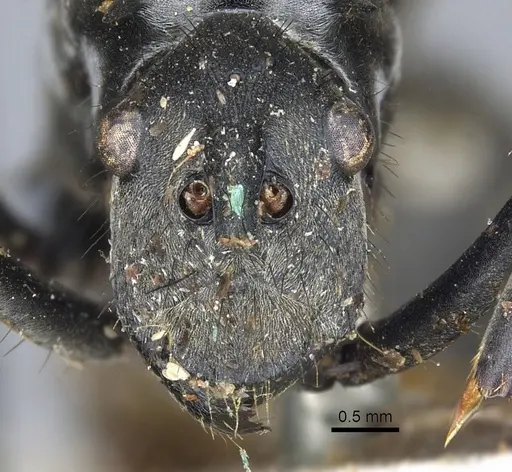
CASENT0901852
View on AntWeb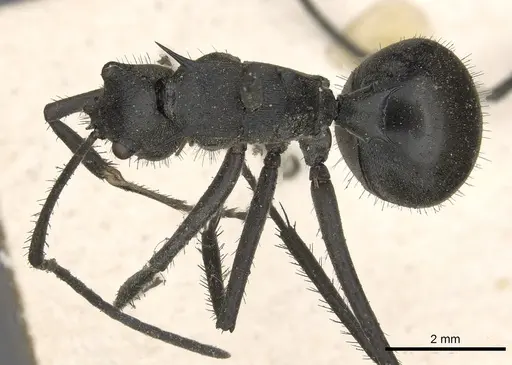
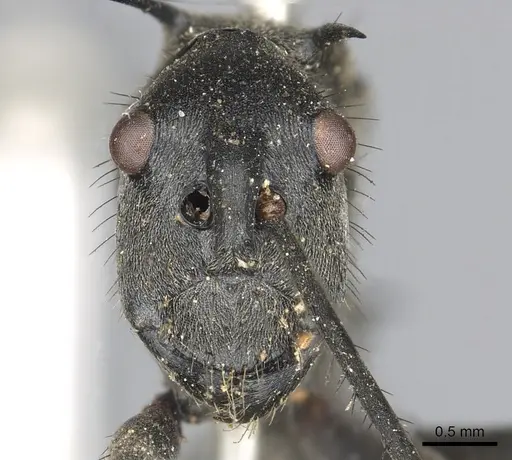
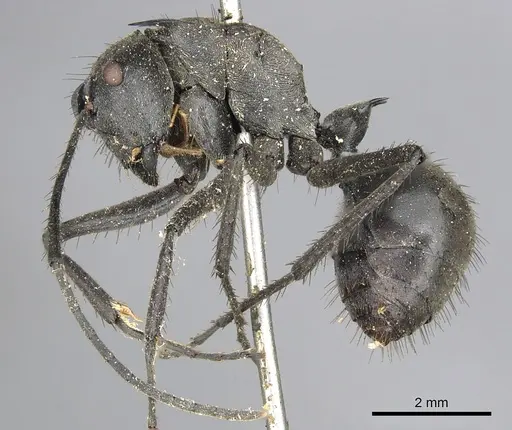
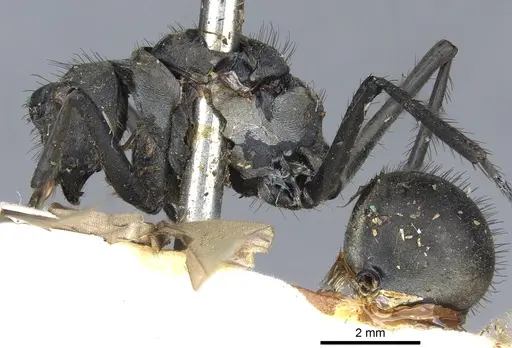
CASENT0903449
View on AntWeb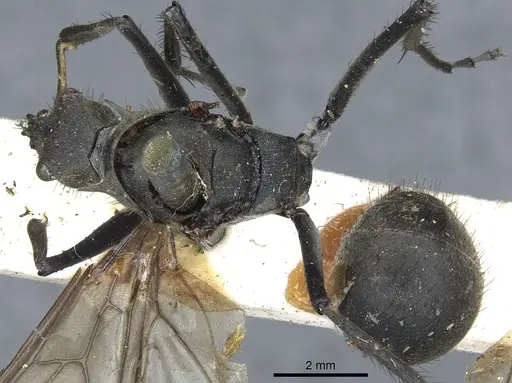
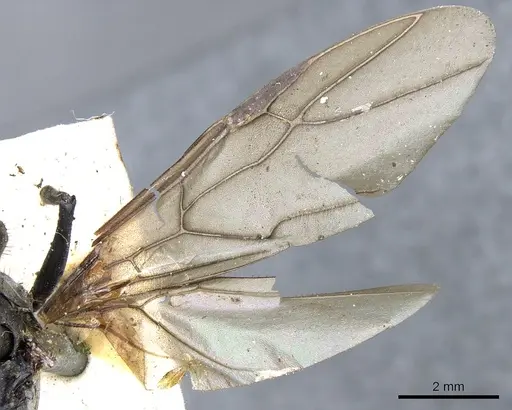
CASENT0906819
View on AntWeb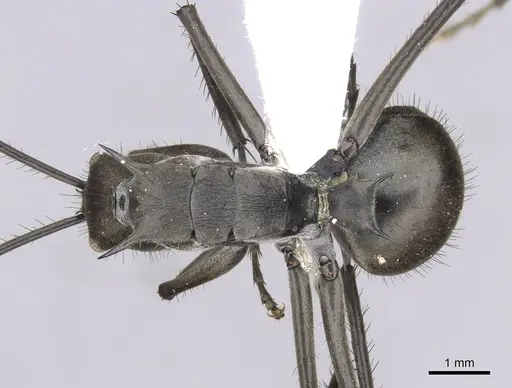
CASENT0910929
View on AntWeb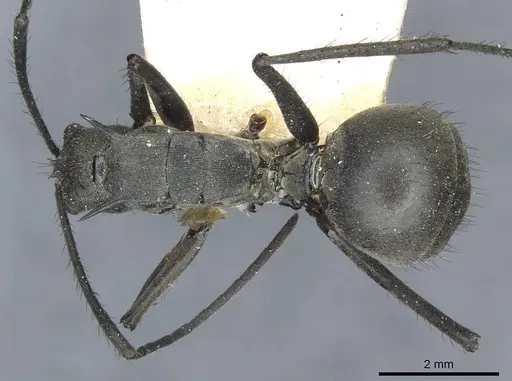
Literature
Loading distribution map...Loading products...