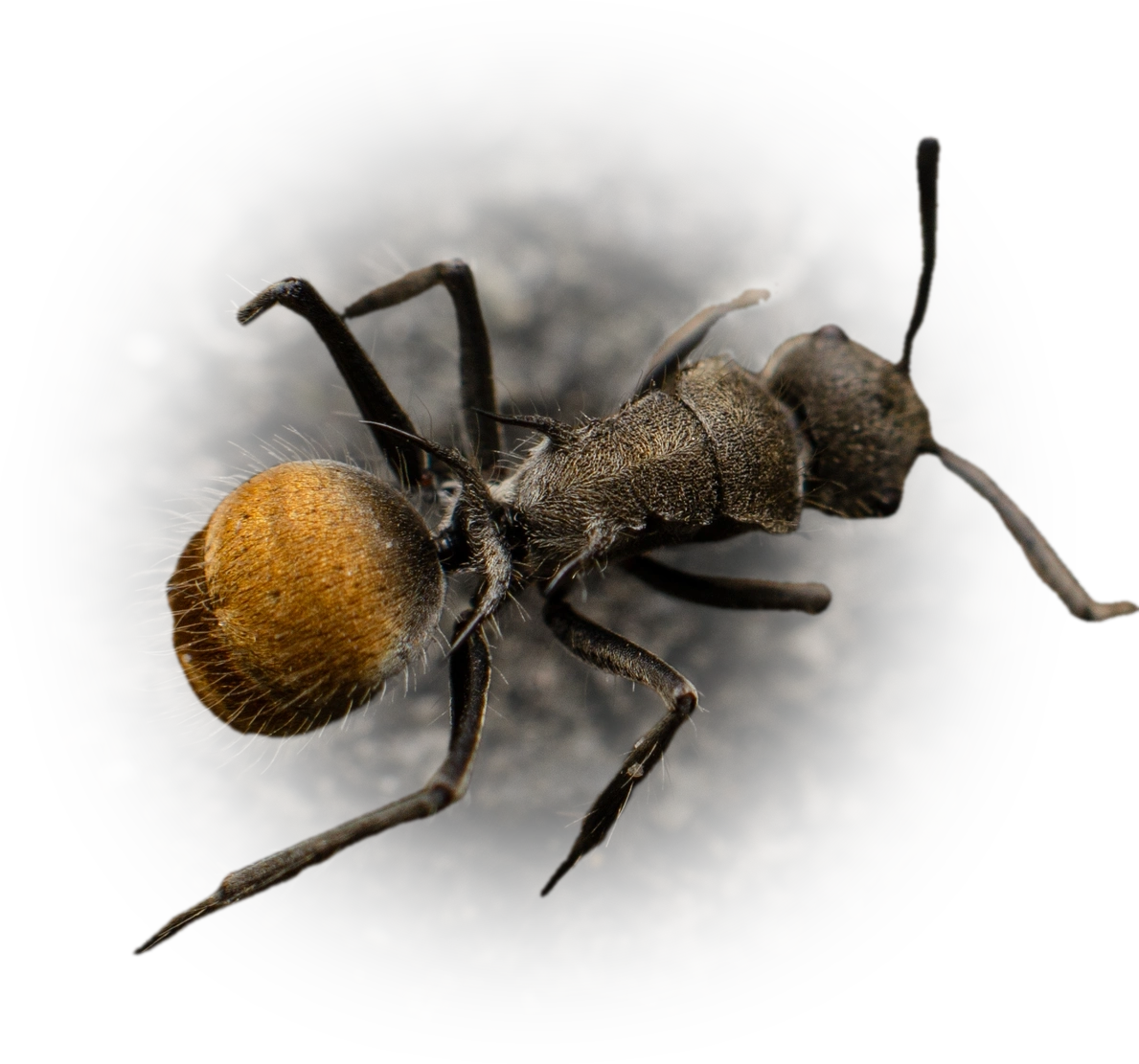
Polyrhachis vermiculosa
- Sci. Name
- Polyrhachis vermiculosa
- Subgenus
- Chariomyrma
- Tribe
- Camponotini
- Subfamily
- Formicinae
- Author
- Mayr, 1876
- Distribution
- Found in 1 countries
Introduction
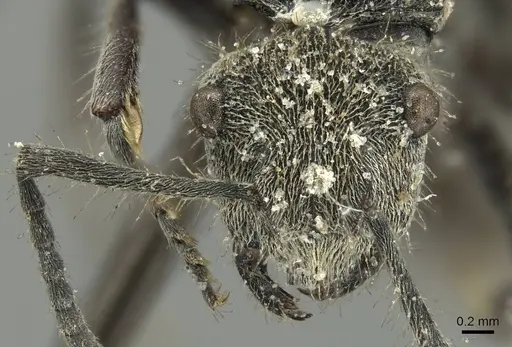
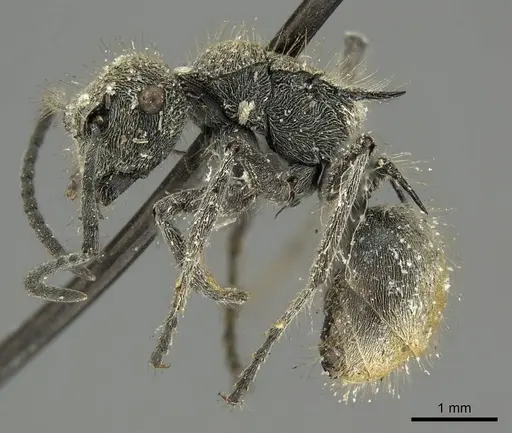
Polyrhachis vermiculosa is an Australian ant species in the subfamily Formicinae, genus Polyrhachis, subgenus Chariomyrma. Workers are medium-sized, with body length estimated around 5-8 mm based on genus patterns . This species is endemic to Australia, found in the Australasian region . They are subterranean nesters, living in simple underground chambers without additional materials . A notable feature is their defense mechanism: like other Formicinae, they lack a functional sting and instead spray formic acid from an acidopore.
Quick Summary
- Difficulty: Medium
- Origin & Habitat: Australia, endemic to the Australasian region. Subterranean nester in simple underground chambers [2][1].
- Colony Type: Unconfirmed, no specific data on queen number from research.
- Size & Growth:
- Queen: ~8-10 mm, inferred from Polyrhachis genus
- Worker: ~5-8 mm, inferred from Polyrhachis genus
- Colony: Up to several hundred workers, estimated from genus patterns
- Growth: Moderate
- Development: 6-10 weeks, estimated from related Formicinae species (Development time may vary with temperature.)
- Antkeeping:
- Temperature: Keep around 22-26°C, estimated based on Australian temperate species.
- Humidity: Subterranean nester requiring moderate humidity. Keep nest substrate consistently moist but not waterlogged [2].
- Diapause: Yes, likely requires a winter rest period of 2-3 months at 10-15°C, based on Australian temperate species patterns.
- Nesting: Subterranean nests work well. Use Y-tong, plaster, or deep soil setups [2].
- Behavior: Workers are docile and non-aggressive. They spray formic acid for defense. Escape risk is moderate, use standard barriers.
- Common Issues: subterranean species need consistent moisture to prevent colony failure, slow growth may lead to impatience and overfeeding, winter diapause timing varies, watch for natural activity slowing, wild-caught colonies may harbor parasites, shallow setups are unsuitable for this species
Nest Preferences and Housing
Polyrhachis vermiculosa is a subterranean nester, meaning they naturally dig chambers underground [2]. For captive care, Y-tong (AAC) nests or plaster nests work well because they provide the dark, humid environment these ants prefer. Naturalistic setups with deep soil (at least 5-10 cm) also work excellently and allow colonies to expand naturally. Avoid shallow setups, these ants need depth. Provide a moisture source to maintain humidity.
Feeding and Diet
Like most Polyrhachis species, P. vermiculosa is omnivorous. They accept sugar sources such as honey water or ripe fruit. For protein, offer small insects like fruit flies or mealworms. Feed protein 2-3 times per week and keep a constant sugar source available. Remove uneaten prey after 24-48 hours to prevent mold.
Temperature and Seasonal Care
As an Australian species, P. vermiculosa prefers moderate temperatures around 22-26°C. They can tolerate brief periods outside this range but avoid extremes. A heating cable on one side can create a gradient for self-regulation. During winter, gradually reduce temperature to 10-15°C for 2-3 months for diapause. Do not feed during diapause but keep water available.
Behavior and Temperament
Polyrhachis ants are generally docile. Workers are active foragers but not aggressive. They lack a functional sting and instead spray formic acid for defense. Escape risk is moderate, use barriers like fluon on the outworld rim. Provide an outworld for foraging and cleanup.
Colony Development
Founding behavior is unconfirmed. If queens are claustral, they seal themselves in and rely on fat reserves until workers emerge. First workers (nanitics) will tend brood and expand the nest. Colony growth is moderate, expect 6-10 weeks from egg to first worker at optimal temperatures. Growth accelerates as the colony reaches 20-30 workers.
Frequently Asked Questions
How long does it take for Polyrhachis vermiculosa to produce first workers?
Expect 6-10 weeks from egg to first worker at optimal temperatures (22-26°C). This is estimated from related Formicinae species.
What do Polyrhachis vermiculosa ants eat?
They are omnivorous. Offer sugar water or honey constantly, and protein like small insects 2-3 times per week. Remove uneaten prey after 24-48 hours.
What temperature do they need?
Keep them around 22-26°C. They can tolerate 18-28°C but avoid extremes. A temperature gradient helps them self-regulate.
Do they need hibernation?
Likely yes, as an Australian temperate species, they probably need a 2-3 month winter rest at 10-15°C. Watch for natural slowing of activity.
What nest type is best?
Subterranean nesters need depth. Y-tong, plaster, or deep soil setups work well. Avoid shallow test tube setups.
Are Polyrhachis vermiculosa good for beginners?
They are rated medium difficulty. They require more humidity and likely need winter diapause, which adds complexity.
How big do colonies get?
Up to several hundred workers, estimated from genus patterns. Growth is moderate, taking several years to reach maturity.
Can I keep multiple queens together?
Not recommended, no data on multiple queens for this species. Combining queens may result in fighting.
When should I move them to a formicarium?
Move to a larger nest once the colony reaches 30-50 workers or the test tube becomes crowded. Ensure similar humidity.
Report an Issue
The current care sheet is based fully on literature. See inconsistencies, or something that's incorrect? Please , it will be resolved after review from an admin. Contributing to the blogs tab also helps providing information, to make us be able to further improve the caresheets. Thank you for your support!
References

This caresheet is licensed under CC BY-SA 4.0 .
Community Blogs
CASENT0906749
View on AntWeb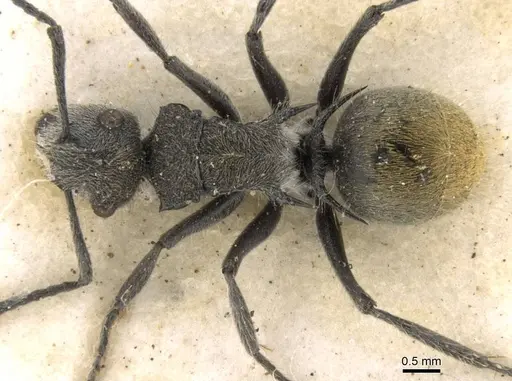
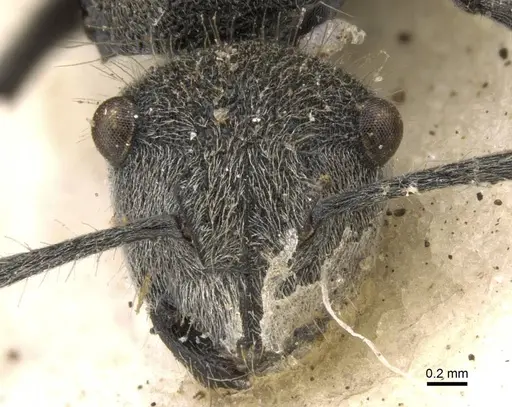
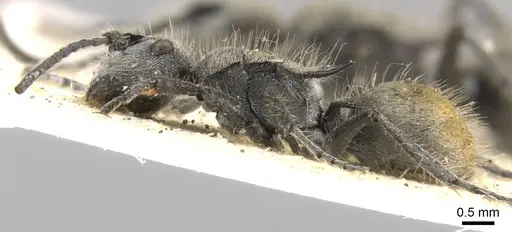
CASENT0915623
View on AntWeb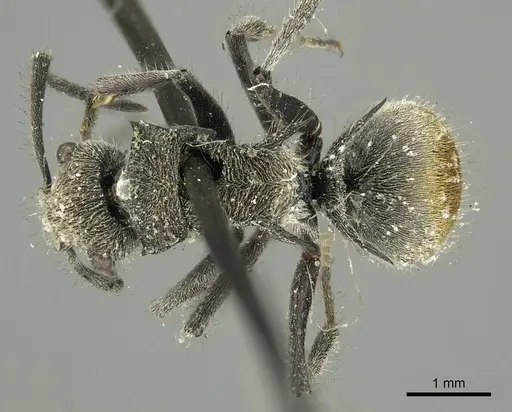
Literature
Loading distribution map...Loading products...