
Polyrhachis undulata
- Sci. Name
- Polyrhachis undulata
- Subgenus
- Cyrtomyrma
- Tribe
- Camponotini
- Subfamily
- Formicinae
- Author
- Kohout, 2006
- Distribution
- Found in 0 countries
Introduction
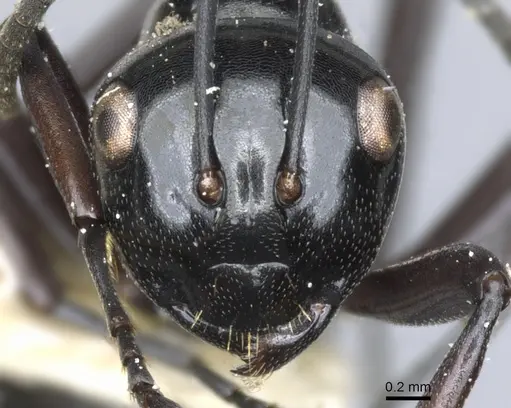
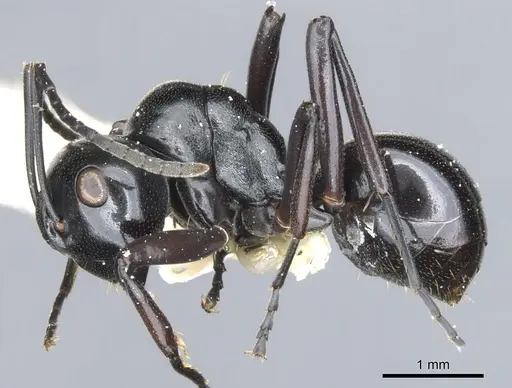
Polyrhachis undulata is an ant species endemic to the Solomon Islands, specifically recorded from Guadalcanal and Makira . Workers measure approximately 6.0-6.35 mm in total length with black coloration and dark reddish-brown appendages . The species has a distinctive petiole with four acute spines and lacks propodeal spines, differing from similar species . Only worker castes have been described; no queens or males are known . The biology of P. undulata is completely unstudied. As a member of the subgenus Cyrtomyrma, it may share traits with other Polyrhachis species, but specific behaviors are unknown .
Quick Summary
- Difficulty: Unknown, biology unstudied
- Origin & Habitat: Endemic to the Solomon Islands in the Pacific, specifically recorded from Guadalcanal and Makira Island [1]. Found in tropical forest habitats.
- Colony Type: Unknown, only workers have been collected, no queens or reproductive castes described.
- Size & Growth:
- Antkeeping:
- Temperature: Based on Solomon Islands location, likely requires warm conditions around 24-28°C [1].
- Humidity: Tropical environment suggests high humidity, keep substrate consistently moist but not waterlogged.
- Diapause: Unlikely, tropical species.
- Nesting: Based on subgenus Cyrtomyrma patterns, likely prefers arboreal nesting sites [2].
- Behavior: Behavior is unstudied. Based on related Polyrhachis species, they are likely moderately active foragers with a generally non-aggressive temperament. As a Formicinae, they lack a sting and may spray formic acid for defense, but this is not confirmed for P. undulata. Workers are medium-sized (6 mm), so standard escape prevention is needed.
- Common Issues: this species has no documented biology, keepers must be prepared for experimental care [2], queen caste is unknown so founding a colony from wild-caught queens is not possible [2], no captive breeding data exists, colonies may only be obtainable through limited wild collection, tropical requirements mean stable warmth is essential year-round [1], very limited availability as a species, may be nearly impossible to acquire
Species Identification and Distribution
Polyrhachis undulata was described by Kohout in 2006 from specimens in the Solomon Islands. It is endemic to this region, with records from Guadalcanal and Makira [1]. The species belongs to subgenus Cyrtomyrma and can be identified by its four petiolar spines, lack of propodeal spines, and angular pronotal humeri [2]. Only worker castes are known from scientific collections [1][2].
Why This Species is Rare in Captivity
Polyrhachis undulata is poorly documented in antkeeping. No biological studies exist, and only workers have been described [2]. This makes the species essentially unavailable for captivity, as queens are unknown and wild collection is impractical [1].
What We Can Infer About Care
While specific care is unstudied, inferences can be made from the species' location and subgenus. The Solomon Islands have a tropical climate [1], and Cyrtomyrma species often nest arboreally [2]. Founding behavior is unconfirmed, and any captive care would be experimental.
Related Species for Consideration
For Polyrhachis enthusiasts, more commonly kept species like Polyrhachis dives or Polyrhachis muelleri have established care protocols. This is general advice for the genus, not specific to P. undulata.
Frequently Asked Questions
Can I keep Polyrhachis undulata in captivity?
Realistically, no. The species is endemic to the Solomon Islands, has no documented biology, and queens are unknown [2][1].
What does Polyrhachis undulata eat?
Unknown, the biology has never been studied [2].
How big do Polyrhachis undulata colonies get?
Unknown, no colony size data exists [2].
What is the ideal temperature for Polyrhachis undulata?
Based on its Solomon Islands origin, warm conditions around 24-28°C are likely appropriate [1].
Does Polyrhachis undulata need hibernation?
Unlikely, as a tropical species, diapause is probably not required.
Where can I get Polyrhachis undulata?
You almost certainly cannot obtain this species. It is endemic to the Solomon Islands and has never been in the antkeeping trade [1][2].
Is Polyrhachis undulata a good species for beginners?
This question is moot, the species is not available and its biology is unstudied. Consider established Polyrhachis species instead.
What is the colony structure of Polyrhachis undulata?
Unknown, only workers have been collected, so queen number is unconfirmed [2].
How long does it take for Polyrhachis undulata to develop from egg to worker?
Unknown, no developmental data exists [2].
Report an Issue
The current care sheet is based fully on literature. See inconsistencies, or something that's incorrect? Please , it will be resolved after review from an admin. Contributing to the blogs tab also helps providing information, to make us be able to further improve the caresheets. Thank you for your support!
References

This caresheet is licensed under CC BY-SA 4.0 .
Community Blogs
CASENT0903401
View on AntWeb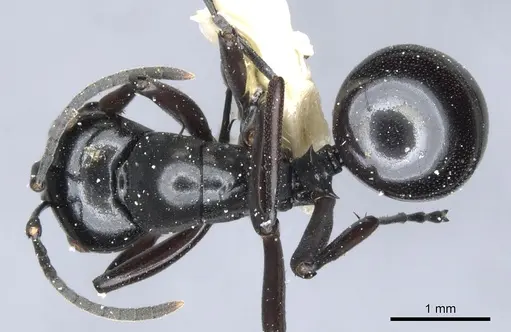
Literature
Loading distribution map...Loading products...