
Polyrhachis ulysses
- Sci. Name
- Polyrhachis ulysses
- Subgenus
- Myrmatopa
- Tribe
- Camponotini
- Subfamily
- Formicinae
- Author
- Forel, 1910
- Distribution
- Found in 2 countries
Introduction
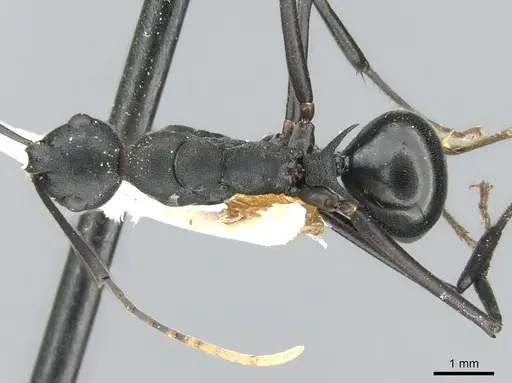
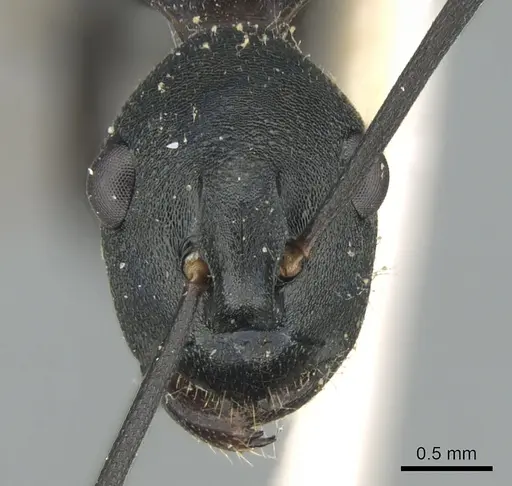
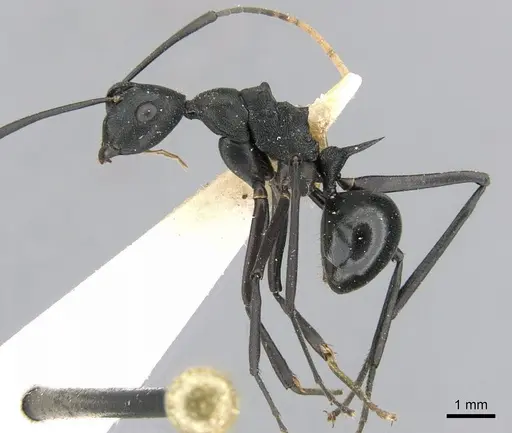
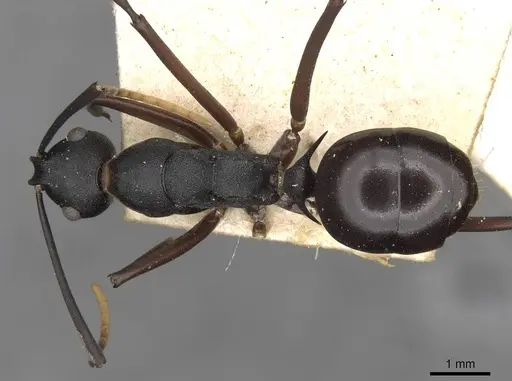
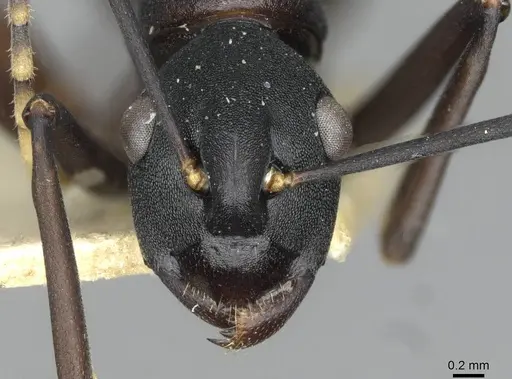
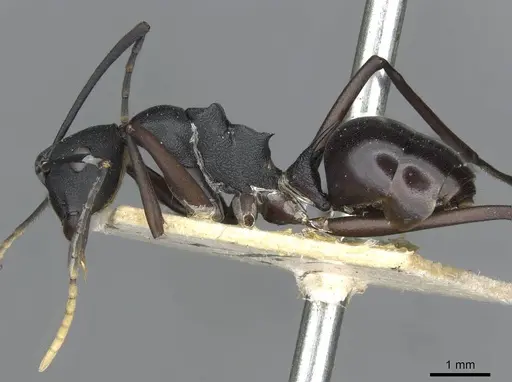
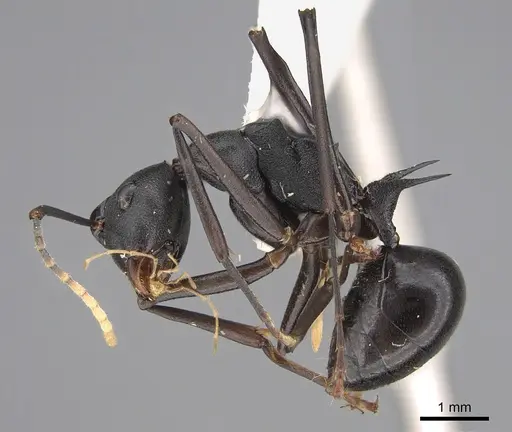
Polyrhachis ulysses is an arboreal ant species native to the Solomon Islands, specifically recorded from Makira and Guadalcanal islands . Workers have the spiny morphology characteristic of the Polyrhachis genus . The species was first described by Forel in 1910 . As a member of the subgenus Myrmatopa, these ants are arboreal nesters that use larval silk to construct nests among vegetation . They do not produce cocoons during pupation . Size data is unavailable from direct research, but inferred from Polyrhachis genus patterns. A key behavior is their silk-weaving, which they use to create protective nests .
Quick Summary
- Difficulty: Medium
- Origin & Habitat: Solomon Islands (Makira, Guadalcanal) in the tropical Pacific region [1][2]. This species lives entirely in arboreal habitats, weaving nests among vegetation using silk [4].
- Colony Type: Unconfirmed, no specific data on queen number or social structure for P. ulysses.
- Size & Growth:
- Queen: Size data unavailable, inferred from Polyrhachis genus patterns
- Worker: Size data unavailable, inferred from Polyrhachis genus patterns
- Colony: Estimated up to several hundred workers based on related arboreal Polyrhachis species
- Growth: Moderate
- Development: Estimated 6-8 weeks at tropical temperatures (Development timeline is estimated based on related Polyrhachis species, direct observations for P. ulysses are not available)
- Antkeeping:
- Temperature: Keep warm, roughly 24-28°C, based on tropical habitat [1]
- Humidity: Keep nest substrate consistently moist but not waterlogged, based on tropical island habitat [1]
- Diapause: No, tropical species does not require hibernation
- Nesting: Arboreal setup with climbing structures and silk materials [3][4]
- Behavior: Generally peaceful and not aggressive toward keepers. Escape risk is high due to arboreal nature, use Fluon barriers on enclosure rims [5].
- Common Issues: tropical humidity needs mean dry housing causes stress and colony decline [1], escape prevention is critical, they are agile climbers that will find any gap, lack of cocoons means pupae are vulnerable to disturbance, minimize nest inspections during pupation, cold temperatures below 22°C slow activity and can stress colonies, without climbing structures in the outworld, workers become stressed and may not forage properly
Housing and Nest Setup
Polyrhachis ulysses requires an arboreal-focused setup that mimics their natural tree-dwelling lifestyle [3][4]. Unlike soil-nesting ants, these ants need vertical space and climbing structures to thrive. Provide branches, cork bark rounds, or artificial plants in the outworld for workers to traverse [3]. The nest itself can be a formicarium with horizontal chambers, but the critical factor is giving them plenty of above-ground territory in the outworld for foraging and web-building [4]. A hybrid setup works well: a compact nest area connected to a spacious outworld with multiple climbing surfaces.
Feeding and Diet
As omnivorous arboreal ants, Polyrhachis ulysses accepts a varied diet. Offer sugar sources regularly, honey water, sugar water, or commercial ant nectar are all readily accepted [5]. Protein is essential for colony growth: small insects like fruit flies, pinhead crickets, and mealworms work well [5]. Feed protein prey 2-3 times per week depending on colony size, and keep sugar water available at all times. Remove uneaten prey after 24-48 hours to prevent mold.
Temperature and Humidity Management
This tropical species demands warm, humid conditions year-round. Maintain temperatures roughly 24-28°C, this range supports normal activity and brood development based on tropical habitat [1]. Temperatures below 22°C cause reduced activity and can stress colonies over time. Humidity should be maintained by keeping the nest substrate consistently moist but not waterlogged, based on the species' natural island habitat [1]. Good ventilation helps balance these needs.
Silk Weaving Behavior
A key aspect of keeping Polyrhachis ulysses is observing their silk-weaving behavior. Members of the subgenus Myrmatopa use larval silk to construct protective nest structures among vegetation [4]. Workers manipulate larvae during nest construction, using them as 'silk spools' to create webbed chambers. In captivity, provide materials like cotton wool, small fabric pieces, or live plant leaves for them to weave into [3]. This behavior is most active when colonies are established and comfortable.
Colony Founding and Growth
New colonies start with a queen that may seal herself in a small chamber, but founding behavior for P. ulysses is unconfirmed. Growth is moderate, expect slow initial development, with acceleration as the colony reaches maturity. Unlike cocoon-making species, P. ulysses produces naked pupae that may appear white and vulnerable. Avoid disturbing the nest during pupation. A healthy mature colony may reach several hundred workers over 2-3 years under optimal conditions.
Handling and Temperament
Polyrhachis ulysses is generally calm and not prone to biting or stinging. Workers are curious foragers that will investigate disturbances but rarely show aggression toward keepers [5]. They are excellent escape artists due to their arboreal nature, always use Fluon or other barriers on enclosure rims. When threatened, they may retreat into their silk nests rather than engage. They do not have a functional stinger, making them safe for gentle handling.
Frequently Asked Questions
Can I keep Polyrhachis ulysses in a test tube?
Test tubes work for founding colonies but are not ideal long-term housing. These arboreal ants need vertical climbing space and materials to weave silk nests. Move to a formicarium with an outworld within 6-12 months as the colony grows [3].
What do Polyrhachis ulysses eat?
They are omnivores that accept sugar sources (honey water, sugar water, ant nectar) and protein (small insects like fruit flies, pinhead crickets, mealworms) [5]. Feed protein 2-3 times weekly and keep sugar water available at all times.
Do Polyrhachis ulysses need hibernation?
No, they are tropical ants from the Solomon Islands and do not require hibernation. Keep them warm year-round. Cold temperatures stress these ants and can halt brood development.
How long does it take for the first workers to emerge?
Expect first workers approximately 6-8 weeks after the queen lays eggs, when kept at optimal tropical temperatures. Development may be slower at cooler temperatures. The exact timeline for P. ulysses is not directly documented, so this is estimated from related species.
Are Polyrhachis ulysses good for beginners?
They are rated as medium difficulty. They require more specific humidity and temperature conditions than temperate species, and need arboreal housing with climbing structures. Experienced antkeepers who can maintain tropical conditions will have the most success.
Why do my Polyrhachis ulysses need silk?
This species naturally weaves silk nests among vegetation using larval silk [4]. Provide materials like small fabric pieces, cotton wool, or live plant leaves in the outworld for them to weave. This is essential enrichment that allows natural behavior and reduces stress.
Can I keep multiple queens together?
Polyrhachis ulysses colony type is unconfirmed. Combining unrelated queens is not recommended as they likely will fight. Only attempt pleometrosis if you have experience and are prepared to separate them if aggression occurs.
Why are my ants escaping?
Polyrhachis ulysses are excellent climbers due to their arboreal nature. Use excellent escape prevention: apply Fluon or similar barriers to all rim edges, ensure connection tubes have tight fits, and check for gaps daily [5].
When should I move to a formicarium?
Move from a founding setup to a larger formicarium when the colony reaches 20-30 workers or after 6-12 months. The key is providing enough space for the colony plus an outworld with climbing structures for their arboreal lifestyle.
What temperature is best for Polyrhachis ulysses?
Keep them at roughly 24-28°C. This tropical species thrives in warm conditions. Room temperature may suffice in warm homes, otherwise use a low heating cable on part of the nest. Avoid temperatures below 22°C [1].
Why is my colony not growing?
Common causes include: temperatures below 24°C (slows development), humidity too low (causes stress), insufficient protein (limits brood production), or disturbance during pupation. Review all care parameters and ensure the queen is still laying eggs.
Report an Issue
The current care sheet is based fully on literature. See inconsistencies, or something that's incorrect? Please , it will be resolved after review from an admin. Contributing to the blogs tab also helps providing information, to make us be able to further improve the caresheets. Thank you for your support!
References

This caresheet is licensed under CC BY-SA 4.0 .
Community Blogs
Literature
Loading distribution map...Loading products...