
Polyrhachis tyrannica
- Sci. Name
- Polyrhachis tyrannica
- Subgenus
- Myrma
- Tribe
- Camponotini
- Subfamily
- Formicinae
- Author
- Smith, 1858
- Distribution
- Found in 2 countries
Introduction
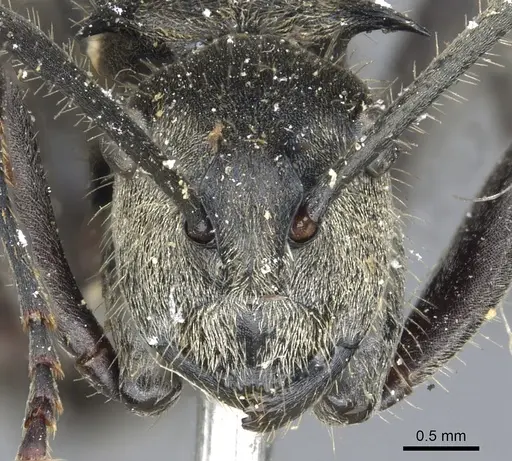
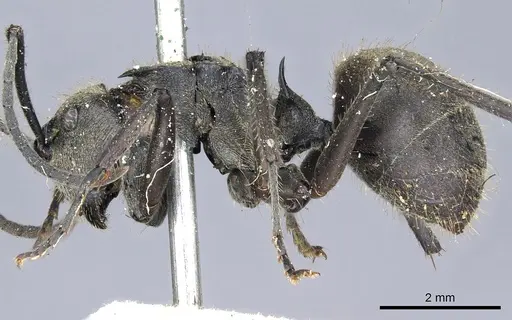
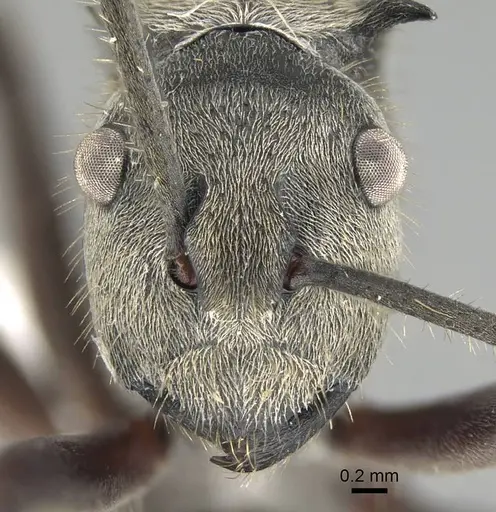
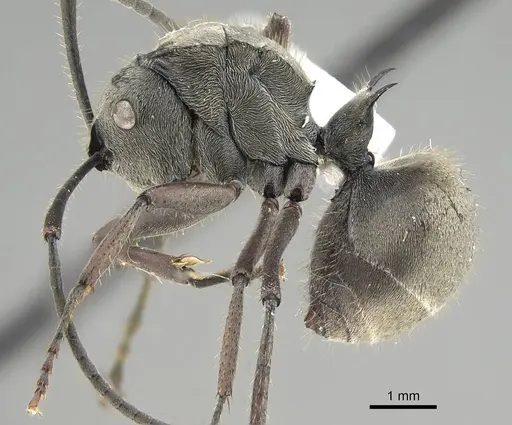
Polyrhachis tyrannica is a medium-sized ant species belonging to the subgenus Myrma, known for its dark coloration and distinctive spines on the thorax. Workers measure about 6-7 mm . This species is found across a wide geographic range including China, Nepal, India (Arunachal Pradesh, Meghalaya, Sikkim), Indonesia, Malaysia, and Borneo . Unusually for a Polyrhachis, it prefers arboreal foraging - in Bornean forests, it was collected from tree trunks during the day, not from the ground . The species was recently recorded for the first time in Nepal (2020) and continues to be discovered in new urban areas, suggesting it adapts well to human-modified landscapes . Though its nesting habits aren't well documented, its tree‑trunk foraging suggests it may nest in rotting wood or under bark. This arboreal tendency makes it an interesting species for keepers who want to observe natural climbing and foraging behavior.
Quick Summary
- Difficulty: Medium
- Origin & Habitat: Native to the Indomalaya region (China, Nepal, India, Indonesia, Malaysia, Borneo) in tropical and subtropical forests. Collected from tree trunks, suggesting an arboreal lifestyle [5][3][4][2].
- Colony Type: Likely monogyne (single queen) based on typical Polyrhachis patterns, but colony structure has not been directly studied.
- Size & Growth:
- Queen: 10-12 mm (inferred from Polyrhachis genus patterns)
- Worker: 6-7 mm [1]
- Colony: Likely several hundred workers (estimated from generic Polyrhachis colony sizes)
- Growth: Moderate (estimated)
- Development: 6-10 weeks (estimated based on typical Formicinae development at tropical temperatures) (Development depends on stable warmth, no species‑specific studies exist.)
- Antkeeping:
- Temperature: 24-28°C. Place a heating cable on one side to create a gradient, this tropical species cannot tolerate prolonged cool conditions.
- Humidity: Keep the nest substrate consistently moist but never waterlogged. Good ventilation prevents mold. A water test tube provides a constant source.
- Diapause: No, as a tropical species, maintain warm temperatures year‑round with no hibernation.
- Nesting: Prefers rotting wood, bark, or tree hollows. In captivity, use Y‑tong (AAC), plaster, or soil nests with wood pieces. Provide vertical structures for climbing.
- Behavior: Generally calm and non‑aggressive. They do not sting, as typical of Formicinae, they bite and spray formic acid. Workers are active, good climbers, and forage both on ground and vertical surfaces. Escape prevention must seal all gaps, especially at the top of the enclosure. They accept a varied diet of sugars and proteins.
- Common Issues: warm temperatures must be maintained year‑round, cold slows or stops development., arboreal nature requires vertical space and climbing structures, without them the colony may not thrive., escape prevention is critical because they climb well, use fluon or barrier gel on the outworld rim., founding behavior is unconfirmed, so avoid disturbing the queen, check only once a week until nanitics appear., growth may be slow initially, especially if the queen is not claustral (unknown).
Housing and Nest Setup
Polyrhachis tyrannica does best in a setup that mimics its natural arboreal habitat. A Y‑tong (AAC), plaster, or soil nest paired with an outworld that includes cork bark, twigs, or other vertical climbing structures works well. In the wild it forages on tree trunks, so giving it opportunities to climb encourages normal activity [5]. Water should come from a test tube connected to the nest. Because the ants are excellent climbers, apply fluon or a barrier gel to the upper edges of the outworld to prevent escapes.
Feeding and Diet
Like most Polyrhachis, this species is omnivorous. Offer a constant source of sugar water or honey. For protein, give small insects such as fruit flies, small crickets, or mealworms 2-3 times per week. Adjust the amount based on colony size and remove uneaten prey after 24-48 hours to prevent mold. A varied diet helps colony growth.
Temperature and Heating
As a tropical species, Polyrhachis tyrannica needs consistent warmth. Keep the nest area between 24-28°C. Room temperature may be enough in warm climates, but otherwise use a heating cable on top of the nest to create a temperature gradient. Avoid temperatures below 22°C for long periods, as this can stunt development and weaken the colony.
Humidity and Water
Maintain a moderately moist nest substrate, it should feel damp to the touch but not release water when squeezed. Good ventilation is essential to prevent mold while keeping humidity high. Always provide a test tube filled with water and plugged with cotton as a clean water source.
Colony Establishment and Growth
Founding behavior has not been studied in this species. Based on typical Formicinae patterns, the queen may be claustral, but this is unconfirmed. Provide her with a test tube setup, place it in a dark, quiet spot, and leave her completely undisturbed until the first nanitics appear. After that, begin offering small food items. Colony growth is moderate, expect 6-10 weeks from egg to worker at optimal temperatures. Be patient, disturbances during founding are a common cause of failure.
Frequently Asked Questions
How long does it take for Polyrhachis tyrannica to produce first workers?
Expect 6-10 weeks from egg to first worker at 24-28°C. This is an estimate based on typical Formicinae development, no species‑specific studies exist.
What do Polyrhachis tyrannica ants eat?
They are omnivorous. Offer sugar water or honey for energy and small insects (fruit flies, small crickets, mealworms) for protein. They will also accept nectar or honeydew.
What temperature do Polyrhachis tyrannica ants need?
Keep them at 24-28°C. These tropical ants suffer in cool conditions. A heating cable on one side of the nest helps create a suitable gradient.
Can I keep Polyrhachis tyrannica in a test tube?
Test tubes are fine for founding, but once the colony grows they will do better in a formicarium with climbing structures. A naturalistic setup with wood or cork bark mimics their arboreal habitat.
Do Polyrhachis tyrannica ants need hibernation?
No. As a tropical species from Southeast Asia and southern China, they do not require hibernation. Maintain warm temperatures year‑round.
How big do Polyrhachis tyrannica colonies get?
Based on typical Polyrhachis colony sizes, expect several hundred workers at maturity. No specific data exists for this species.
Are Polyrhachis tyrannica ants good for beginners?
They are rated as medium difficulty. They are forgiving compared to some tropical species but require steady warmth. Their calm temperament makes them manageable for keepers with some experience.
When should I move my Polyrhachis tyrannica colony to a formicarium?
Move them when the test tube becomes crowded, usually after the first 10-20 workers have emerged. Ensure the new setup includes climbing structures and a suitable nesting material like Y‑tong or cork.
Why is my Polyrhachis tyrannica colony not growing?
Check temperature (should be 24-28°C), humidity (moist but not wet), and food supply. Slow growth can be normal, these ants have moderate growth rates. Avoid disturbing the queen during founding.
Report an Issue
The current care sheet is based fully on literature. See inconsistencies, or something that's incorrect? Please , it will be resolved after review from an admin. Contributing to the blogs tab also helps providing information, to make us be able to further improve the caresheets. Thank you for your support!
References

This caresheet is licensed under CC BY-SA 4.0 .
Community Blogs
CASENT0903442
View on AntWeb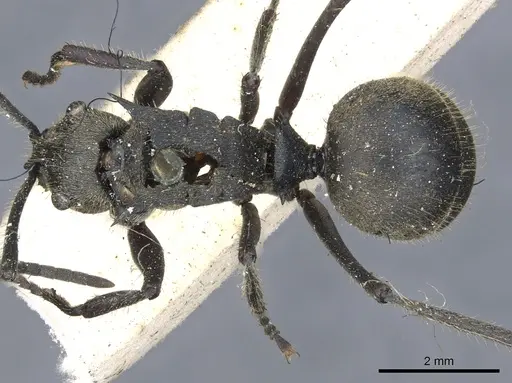
CASENT0919916
View on AntWeb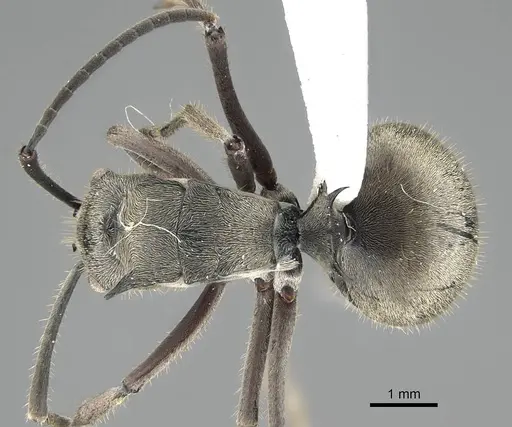
Literature
Loading distribution map...Loading products...