
Polyrhachis turneri
- Sci. Name
- Polyrhachis turneri
- Subgenus
- Hedomyrma
- Tribe
- Camponotini
- Subfamily
- Formicinae
- Author
- Forel, 1895
- Distribution
- Found in 1 countries
Introduction
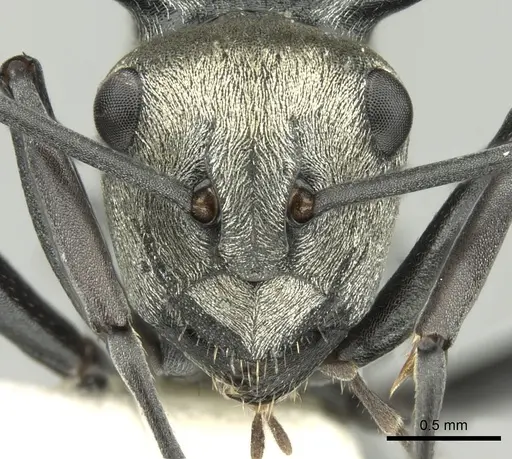
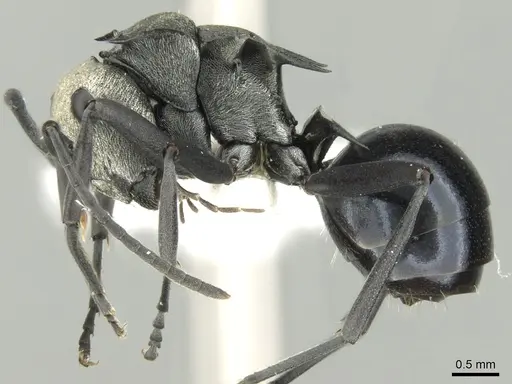
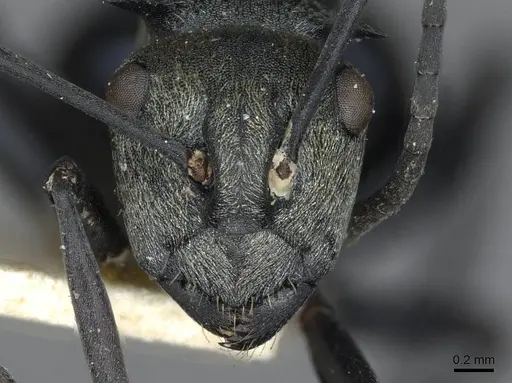
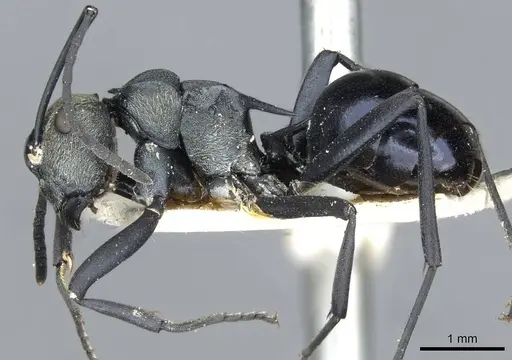
Polyrhachis turneri is an ant native to Queensland, Australia, particularly around Townsville. It is a lithocolous species that nests on rock faces using spider silk . Workers lack a metapleural gland, relying on spines and formic acid spray for defense . This species is notable for its unique nesting behavior: workers steal spider silk to construct nests, while larvae keep silk for their own cocoons .
Quick Summary
- Difficulty: Medium
- Origin & Habitat: Queensland, Australia, lithophilic species nesting on rock faces in subtropical areas [1][4]
- Colony Type: Monodomous (single nest per colony), queen number unconfirmed [1]
- Size & Growth:
- Queen: size data unavailable
- Worker: size data unavailable
- Colony: Colony size data unavailable
- Growth: Unknown
- Development: Unknown (No specific development data available for this species)
- Antkeeping:
- Temperature: Keep warm, around 24-28°C, based on subtropical habitat, but specific needs unknown
- Humidity: Provide a humidity gradient, keep nest substrate moist but not waterlogged, based on lithocolous habitat
- Diapause: Unknown
- Nesting: Vertical or sloped surfaces required for silk nest construction [2][1]
- Behavior: Generally peaceful and not aggressive toward keepers. Workers lack a metapleural gland and rely on spines and formic acid spray for defense [3]. Escape risk is moderate due to climbing ability, ensure enclosures have tight-fitting lids.
- Common Issues: nesting setup critical, require vertical surfaces for silk nests [2], silk sources challenging, may need to provide silk for nest construction [2], slow establishment, founding colonies take time to adapt, escape prevention needed, excellent climbers, humidity balance tricky, adjust based on natural habitat
Housing and Nest Setup
Polyrhachis turneri requires a vertical or sloped surface to build silk nests, as they are lithocolous in the wild [1][2]. Use a naturalistic terrarium with rough stone or bark to simulate rock faces. Standard horizontal nests will not work, ensure the setup allows for vertical construction [2].
Silk-Nesting Behavior
Workers steal spider silk to construct nests, while larvae retain silk for cocoons [2]. In captivity, provide silk sources like small silk pieces or cotton to encourage nest-building [2].
Feeding and Diet
Offer sugar water or honey constantly, and protein sources like fruit flies or mealworms weekly. Place food in upper regions of the enclosure, as they are arboreal foragers.
Temperature and Seasonal Care
Keep at warm temperatures around 24-28°C, but specific needs are unknown. Monitor activity, if sluggish, adjust temperature.
Handling and Temperament
Generally calm, but they lack a metapleural gland and rely on spines for defense [3]. Escape prevention is important due to climbing ability.
Frequently Asked Questions
Can I keep Polyrhachis turneri in a test tube?
Not recommended. They need vertical surfaces for silk nests, use a terrarium with rock-like surfaces instead [2].
How long does it take for Polyrhachis turneri to produce first workers?
Unknown, no specific data available for this species.
What makes Polyrhachis turneri different from other ants?
They use stolen spider silk for nest construction, not silk from their own larvae [2].
Are Polyrhachis turneri good for beginners?
No, their specialized nesting requirements make them better suited for intermediate to advanced keepers.
How big do Polyrhachis turneri colonies get?
Colony size data unavailable.
Do I need to provide spider silk for my ants?
Yes, offering silk sources can stimulate natural nest-building behavior [2].
What temperature should I keep Polyrhachis turneri at?
Keep warm around 24-28°C, but specific needs are unknown.
Can I keep multiple queens together?
Not recommended, no evidence of pleometrosis, and queens may fight.
Do Polyrhachis turneri need hibernation?
Unknown, as a subtropical species, they may not require true hibernation.
Report an Issue
The current care sheet is based fully on literature. See inconsistencies, or something that's incorrect? Please , it will be resolved after review from an admin. Contributing to the blogs tab also helps providing information, to make us be able to further improve the caresheets. Thank you for your support!
References

This caresheet is licensed under CC BY-SA 4.0 .
Community Blogs
CASENT0906603
View on AntWeb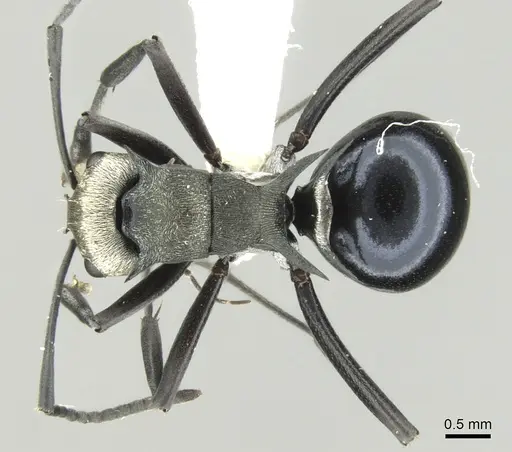
CASENT0910852
View on AntWeb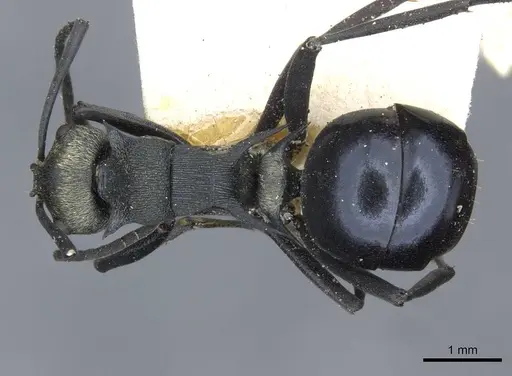
Literature
Loading distribution map...Loading products...