
Polyrhachis tubifex
- Sci. Name
- Polyrhachis tubifex
- Subgenus
- Myrmhopla
- Tribe
- Camponotini
- Subfamily
- Formicinae
- Author
- Karavaiev, 1926
- Distribution
- Found in 2 countries
Introduction
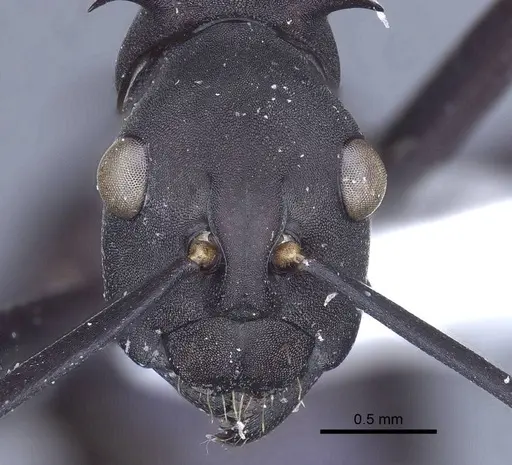
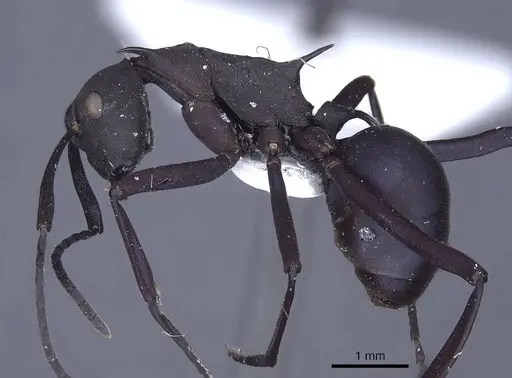
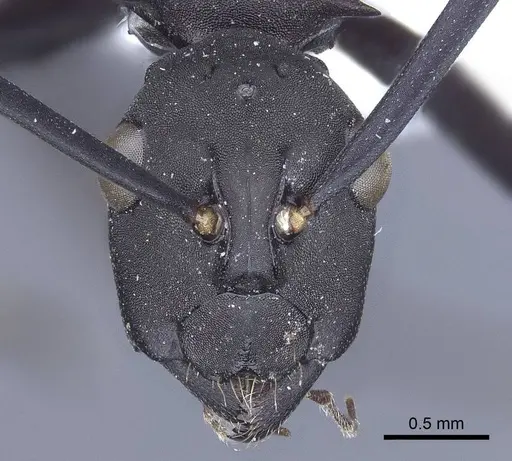
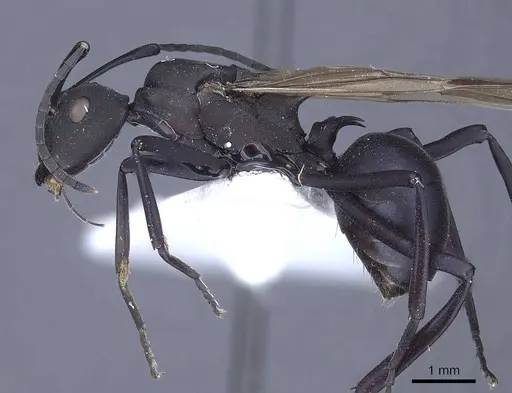
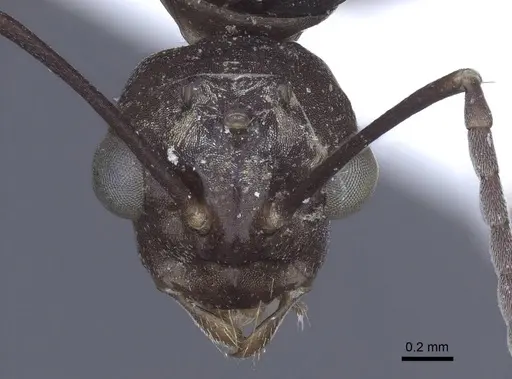
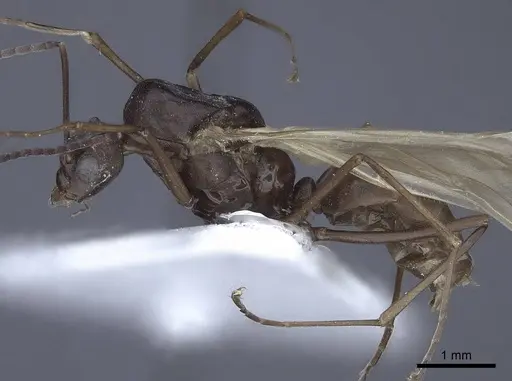
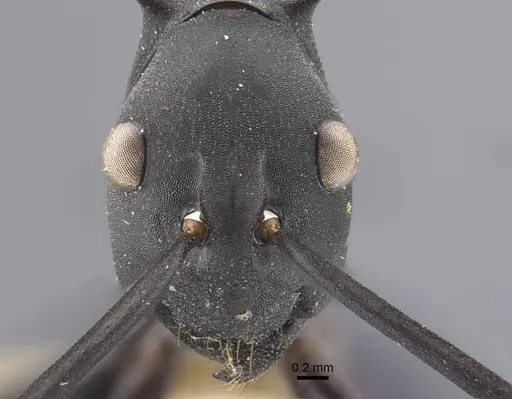
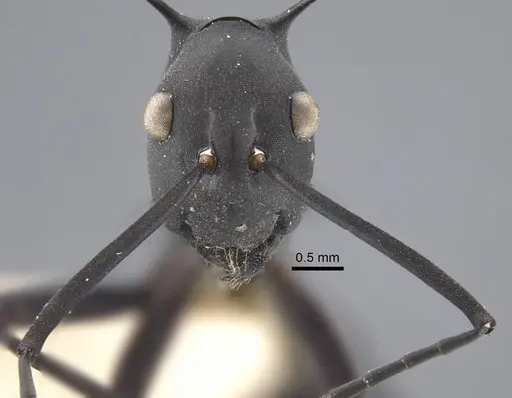
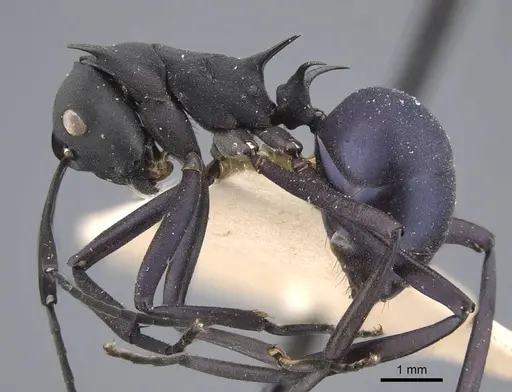
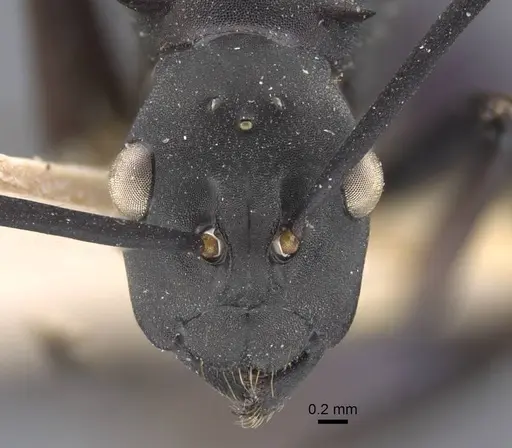
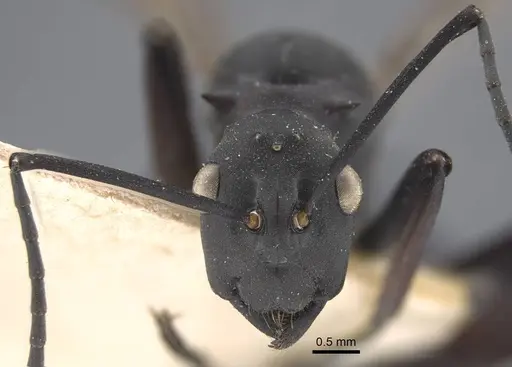
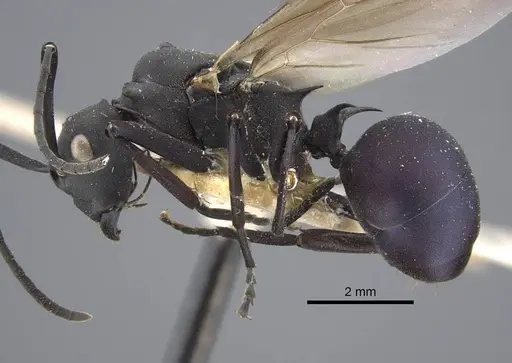
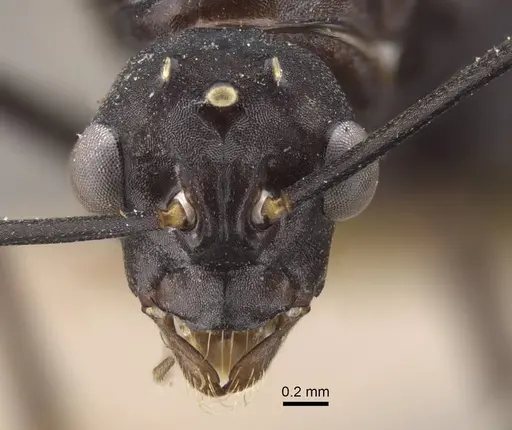
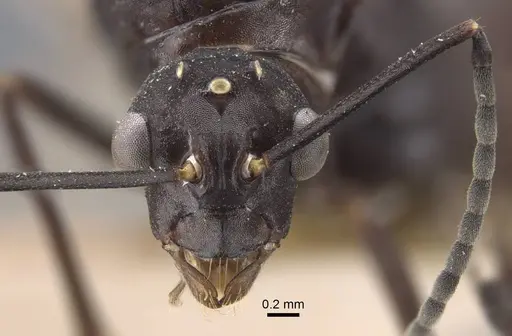
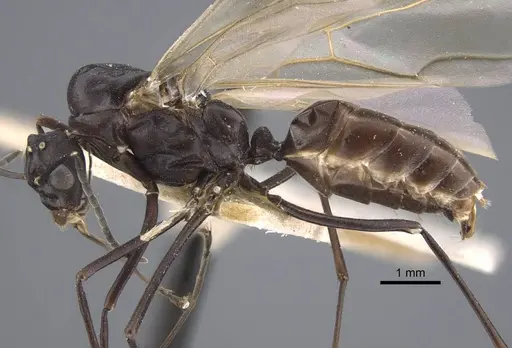
Polyrhachis tubifex is a spiny ant from the subgenus Myrmhopla (hector-group). Workers are small arboreal ants that build unusual 'felt' nests on tree trunks. The nest walls are fluffy and soft, around 2-3 mm thick, made mostly of plant fibers and debris . This species does not use larval silk as the main building material . It is found across the Indomalaya region, including Borneo, Indonesia (Java), Malaysia, and the Philippines . The type series included 33 queens along with workers, pupae, and larvae, which suggests this species forms multi-queen colonies .
Quick Summary
- Difficulty: Medium
- Origin & Habitat: Indomalaya region, found in Borneo, Indonesia (Java), Malaysia, and the Philippines. An arboreal species that builds nests on tree trunks in tropical forests [1][3][2].
- Colony Type: Multi-queen colonies (polygyne), the type series included 33 queens, confirming that multiple queens can coexist in one colony [4].
- Size & Growth:
- Queen: Estimated 7-9 mm based on related Myrmhopla species (inferred). No direct measurements published.
- Worker: Estimated 5-7 mm based on Polyrhachis genus patterns (inferred). No direct measurements published.
- Colony: Unknown maximum, type series had 169 workers with 33 queens [4]. Mature colonies probably larger.
- Growth: Moderate (estimated from tropical arboreal ant patterns)
- Development: Estimated 6-8 weeks at 25-28°C (based on related tropical Polyrhachis species) (Development time has not been directly studied for this species, it is an estimate.)
- Antkeeping:
- Temperature: 24-28°C year-round. As a tropical species, stable warmth is essential. Cold drafts or sudden drops can weaken the colony. If needed, use a small heating cable on one side of the nest to create a gentle gradient.
- Humidity: Moderate to high. Keep the nest area moderately moist but not waterlogged. Provide a humidity gradient, one slightly drier area and one slightly wetter. Because they are arboreal, misting the outworld occasionally helps maintain ambient moisture.
- Diapause: No, this tropical species does not require hibernation. Keep conditions stable all year.
- Nesting: Arboreal, they build felt-like nests on vertical surfaces. In captivity, use Y‑tong, plaster, cork, bark, or 3D‑printed nests with rough, textured surfaces. Smooth glass or acrylic will not work because workers need to attach fibrous nest material. Provide climbing branches or twigs in the outworld.
- Behavior: Polyrhachis tubifex is arboreal and generally peaceful. Workers forage actively in the outworld. Danger: they lack a functional sting. When threatened, they bite and spray formic acid from the tip of the gaster (abdomen). This is the standard defense for Formicinae ants. They rarely direct this toward keepers but may defend the nest if disturbed. Escape risk is moderate, they are good climbers but not tiny. Use a barrier like Fluon on the outworld rim.
- Common Issues: temperature requirements, cold drafts or sudden drops can stress or kill the colony, nest attachment, workers need rough vertical surfaces to build their felt nests, smooth surfaces will fail, arboreal setup, they must have climbing surfaces and vertical space, not just a flat outworld, polygyne dynamics, established multi-queen colonies are stable, but unrelated queens should not be artificially combined, wild-caught colonies may carry tropical parasites that are not adapted to captive conditions
Nest Construction Behavior
Polyrhachis tubifex builds unusual 'felt' nests rather than the flat silk sheets typical of many other Polyrhachis. The walls are fluffy and soft, about 2-3 mm thick, made of plant fibers of many sizes mixed with occasional debris [1]. The material looks very different from the regularly sized fibers laid down by silk‑weaving species. Karavaiev (1926) originally described these nests as 'felt' structures on plant stems in the Bogor Botanic Gardens, incorporating fine fibers, plant matter, and even bird feathers [1]. In captivity, provide rough surfaces like cork, bark, or textured Y‑tong so workers can attach their nest material. Smooth surfaces will not support their building behavior.
Housing and Setup
Because they are arboreal, Polyrhachis tubifex needs a vertical setup. Use a formicarium with a textured surface (Y‑tong, plaster, cork, or 3D‑printed) so workers can attach their fibrous nests. Avoid smooth glass or polished acrylic. In the outworld, provide climbing branches, cork bark, or twigs to mimic a tree trunk. A water source (test tube) should always be available, but focus humidity on the outworld rather than flooding the nest, they are not ground‑dwelling. Use a barrier of Fluon or similar on the outworld rim, they are moderate climbers and can escape otherwise. Start the colony in a test tube and only connect a larger nest when the colony has 20-30 workers (adjust based on observed space needs). [1]
Feeding and Diet
Like most Polyrhachis, these ants are omnivorous. Always provide a sugar source (sugar water, honey, or diluted syrup). For protein, offer small insects such as fruit flies, pinhead crickets, or mealworms, feed 2-3 times per week. They may also accept honeydew from aphids. Remove uneaten prey after 24-48 hours to prevent mold. Workers will recruit nestmates to larger food sources, so foraging is lively. [2]
Colony Structure and Multi-Queen Dynamics
Polyrhachis tubifex is one of the few confirmed polygyne Polyrhachis species. The type series contained 33 queens, showing that multiple reproductive queens can coexist in one colony [4]. This is unusual among ants, most are either monogyne (single queen) or truly polygyne (many queens). In captivity, a colony may arrive with several egg‑laying queens. Established multi‑queen colonies are stable and queens generally are not aggressive toward each other. If you start with a single queen, do not try to combine her with an unrelated queen, polygyny in this species forms naturally, not through artificial fusion.
Temperature and Seasonal Care
As a tropical species from Southeast Asia, Polyrhachis tubifex needs warmth all year. Maintain 24-28°C. No diapause is required, never expose them to cold. A small heating cable on part of the nest can help reach the optimal range, but leave an unheated area so workers can thermoregulate. If your room stays above 24°C, extra heat may not be necessary, watch activity levels. Avoid placing the setup near drafty windows or air conditioning vents. [1][2]
Frequently Asked Questions
How long does it take for Polyrhachis tubifex to produce first workers?
Based on related tropical Polyrhachis species, expect 6-8 weeks from egg to first worker at optimal temperatures (25-28°C). This is an estimate, development time has not been directly studied for P. tubifex.
Can I keep multiple Polyrhachis tubifex queens together?
Yes, this species is naturally polygynous. The type series included 33 queens, confirming multiple queens can coexist [4]. However, only keep together queens that already form a peaceful multi‑queen colony. Do not artificially combine unrelated foundresses.
What type of nest should I use for Polyrhachis tubifex?
Use a formicarium with rough, textured surfaces like cork, bark, or textured Y‑tong. This arboreal species needs surfaces it can attach its felt‑like nest material to. Smooth glass or acrylic nests will not work for their natural building behavior [1].
What do Polyrhachis tubifex eat?
They are omnivorous. Keep sugar water, honey, or syrup available at all times. For protein, feed small insects like fruit flies, pinhead crickets, or mealworms 2-3 times per week.
Do Polyrhachis tubifex need hibernation?
No, this is a tropical species from Southeast Asia and does not require hibernation or winter cooling. Keep temperatures stable at 24-28°C all year.
How big do Polyrhachis tubifex colonies get?
The maximum colony size is not known. The type series had 169 workers with 33 queens [4]. Established colonies are likely larger, based on related species, expect several hundred workers.
Are Polyrhachis tubifex good for beginners?
This species is rated as medium difficulty. The main challenges are providing stable tropical temperatures year‑round and offering textured surfaces for their unique nest‑building behavior. Experienced antkeepers will have success, but it requires more specialized setup than a simple ground‑nesting species.
Why does my Polyrhachis tubifex not build a silk nest?
This is normal, P. tubifex does not use larval silk as the primary building material. Instead, it constructs felt‑like nests from plant fibers [1]. Provide plant fibers, small debris, or rough vertical surfaces for natural nesting behavior.
When should I move Polyrhachis tubifex to a formicarium?
Start the colony in a test tube setup. Once the colony has a few dozen workers and you see them exploring beyond the tube, you can connect a formicarium with textured surfaces for nest building. They often do well with a connected setup where they can choose between the test tube and the new nest.
Report an Issue
The current care sheet is based fully on literature. See inconsistencies, or something that's incorrect? Please , it will be resolved after review from an admin. Contributing to the blogs tab also helps providing information, to make us be able to further improve the caresheets. Thank you for your support!
References

This caresheet is licensed under CC BY-SA 4.0 .
Community Blogs
CASENT0912161
View on AntWeb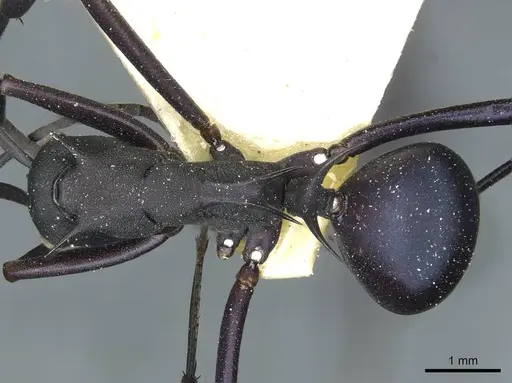
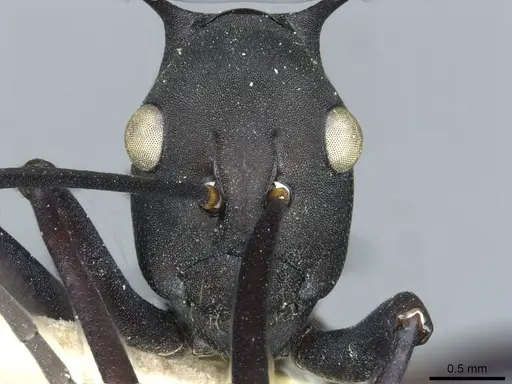
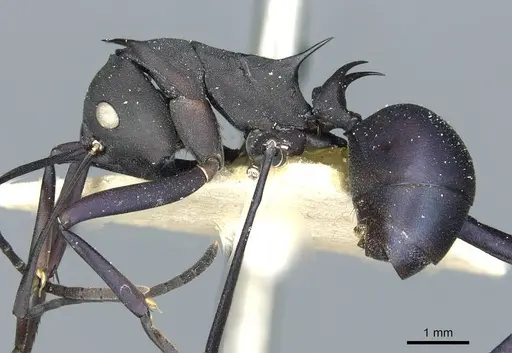
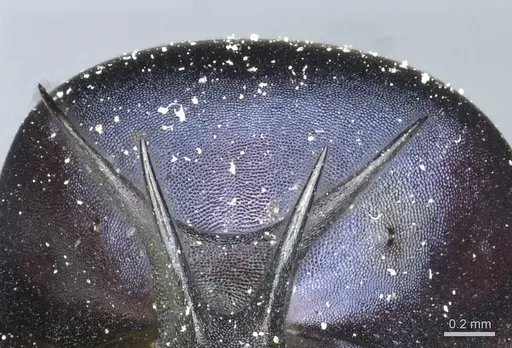
CASENT0916788
View on AntWeb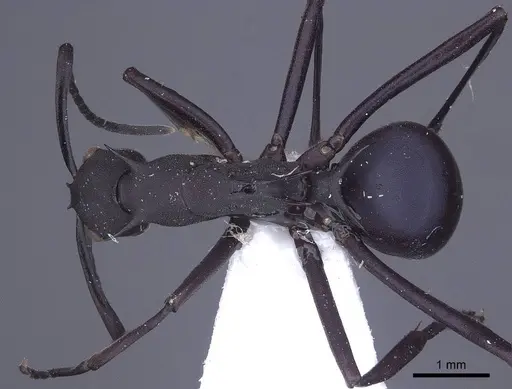
CASENT0916789
View on AntWeb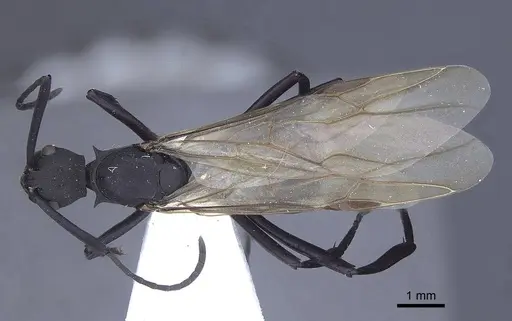
CASENT0916790
View on AntWeb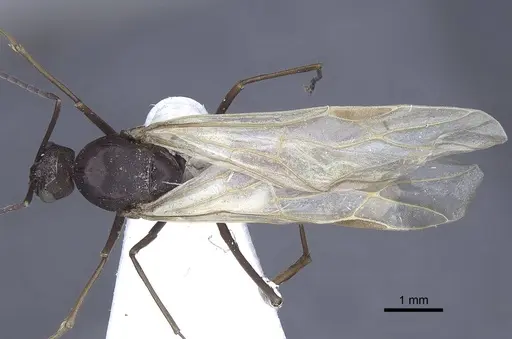
CASENT0917277
View on AntWeb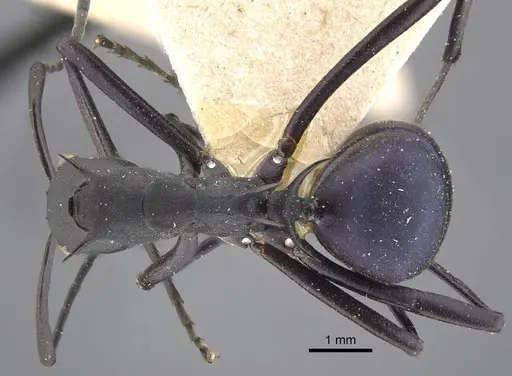
CASENT0917278
View on AntWeb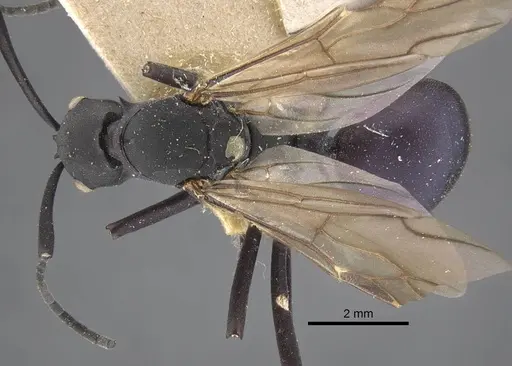
CASENT0917279
View on AntWeb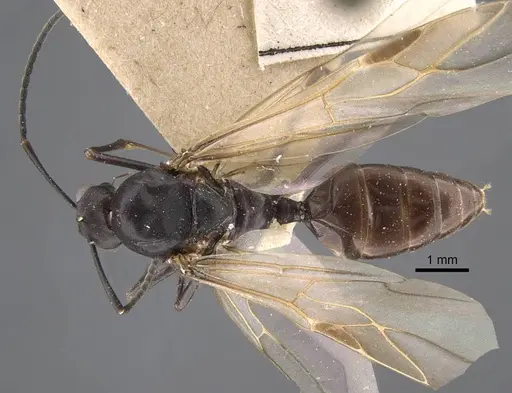
Literature
Loading distribution map...Loading products...