
Polyrhachis tubifera
- Sci. Name
- Polyrhachis tubifera
- Subgenus
- Hagiomyrma
- Tribe
- Camponotini
- Subfamily
- Formicinae
- Author
- Forel, 1902
- Distribution
- Found in 1 countries
Introduction
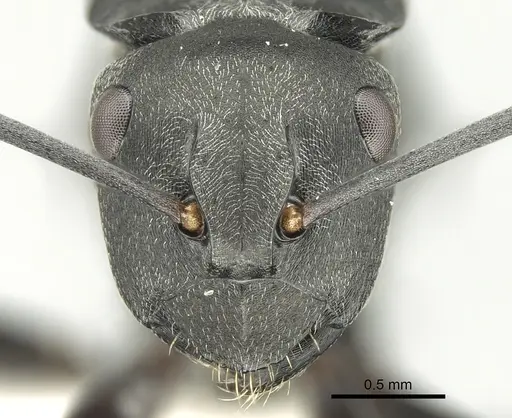
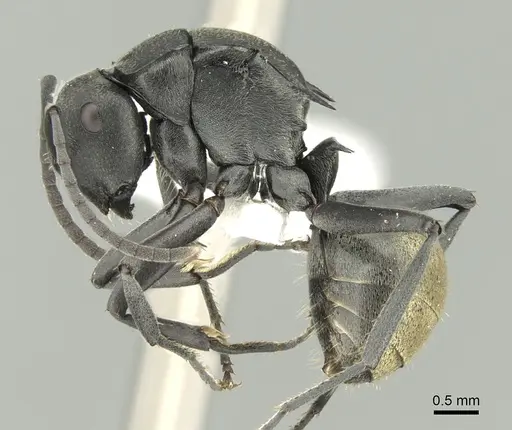
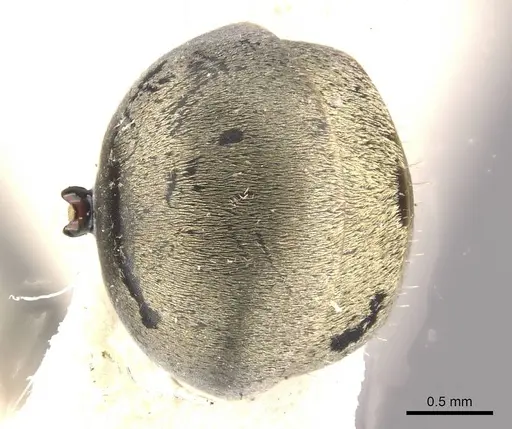
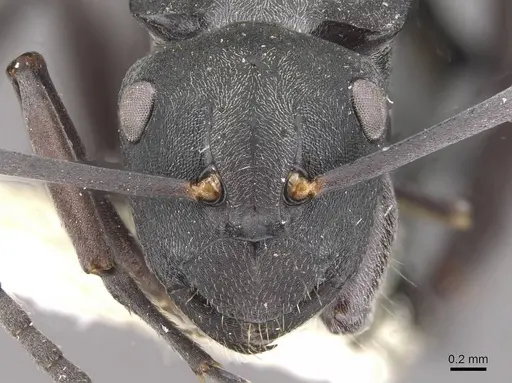
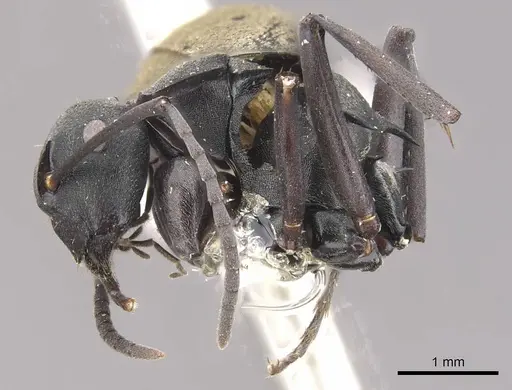
Polyrhachis tubifera is a medium-sized Australian ant. Workers measure 5.49-7.25 mm and queens 7.31-7.36 mm in total length . They are mostly black with reddish-brown mandibles and legs, and have a broad mesosoma with spines . This species is found in eastern Australia, from Cape York Peninsula to Brisbane, in open eucalypt forests and woodlands . Unlike many Polyrhachis species, P. tubifera is a ground-nester. It builds shallow subterranean nests covered with leaf litter at the base of trees .
Quick Summary
- Difficulty: Medium
- Origin & Habitat: Eastern Australia, from Cape York Peninsula to Brisbane, in open eucalypt forests and woodlands [1][2].
- Colony Type: Colony structure is unconfirmed, as no specific data is available [1].
- Size & Growth:
- Antkeeping:
- Temperature: Keep warm, roughly 22-26°C, based on typical conditions for subtropical ants.
- Humidity: Keep substrate consistently moist but not waterlogged.
- Diapause: No diapause required, as the species is from subtropical Australia.
- Nesting: Subterranean nests with leaf litter cover are preferred [1][2].
- Behavior: Workers are moderately active and forage on the ground. They are not highly aggressive but will defend the nest if threatened.
- Common Issues: colonies may be slow to establish, patience is needed during founding., overheating can be fatal, avoid temperatures above 30°C., dry substrate can lead to colony mortality.
Housing and Nest Setup
Polyrhachis tubifera is a ground-nesting species that prefers subterranean nests covered with leaf litter [1][2]. In captivity, use Y-tong (AAC) nests, plaster nests, or naturalistic setups with soil substrate. Provide a nest chamber at least 10-15 mm deep to allow burrowing. The outworld should include leaf litter or debris to mimic their natural habitat [1].
Feeding and Diet
These ants are omnivorous, accepting sugar sources like honey water and protein foods such as small insects. Offer sugar water constantly and protein 2-3 times per week, removing uneaten prey after 24 hours to prevent mold.
Temperature and Seasonal Care
Keep temperatures around 22-26°C, with a gentle gradient using a heating cable if needed. Avoid temperatures above 30°C. No diapause is required, but a slight cooling period in winter may benefit the colony.
Behavior and Colony Dynamics
Workers are moderately active foragers on the ground. They defend the nest when disturbed but are not overly aggressive. Queens are capable of founding colonies, but the exact method is unconfirmed [1].
Handling and Escape Prevention
At 5.5-7.25 mm, workers are large enough to handle easily. Use standard barriers like fluon to prevent escapes, as they can squeeze through small gaps. Handle gently to avoid stressing the colony.
Frequently Asked Questions
How long does it take for Polyrhachis tubifera to raise first workers?
Based on related species, expect 8-12 weeks from egg to worker, but this is an estimate since no specific data exists for P. tubifera.
What do Polyrhachis tubifera ants eat?
They are omnivorous, accepting sugar sources and protein foods like small insects.
Do Polyrhachis tubifera ants need hibernation?
No, they do not require hibernation, as they are from subtropical Australia.
What size nest do Polyrhachis tubifera need?
They prefer subterranean nests with leaf litter cover, using Y-tong or plaster nests [1][2].
Are Polyrhachis tubifera good for beginners?
They are rated as medium difficulty, requiring warm conditions and proper humidity.
How big do Polyrhachis tubifera colonies get?
Colony size data is not documented for this species [1].
Can I keep multiple Polyrhachis tubifera queens together?
Colony structure is unconfirmed, so it is not recommended to combine queens [1].
What temperature is ideal for Polyrhachis tubifera?
Keep them at 22-26°C, with a gradient to allow regulation.
Where is Polyrhachis tubifera found in the wild?
They are endemic to eastern Australia, from Cape York Peninsula to Brisbane, in open forests and woodlands [1][2].
How do I set up a naturalistic terrarium for Polyrhachis tubifera?
Use soil substrate with leaf litter and cover objects to mimic their natural nests [1].
Report an Issue
The current care sheet is based fully on literature. See inconsistencies, or something that's incorrect? Please , it will be resolved after review from an admin. Contributing to the blogs tab also helps providing information, to make us be able to further improve the caresheets. Thank you for your support!
References

This caresheet is licensed under CC BY-SA 4.0 .
Community Blogs
CASENT0906595
View on AntWeb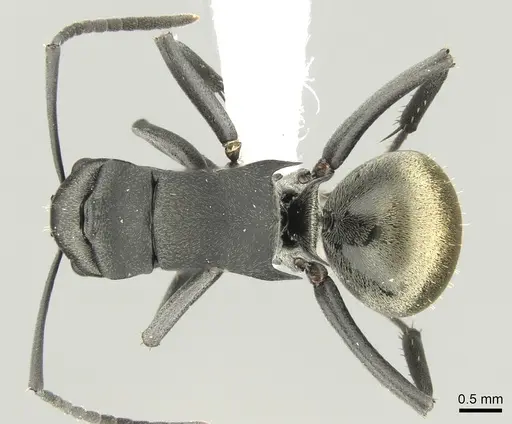
CASENT0910814
View on AntWeb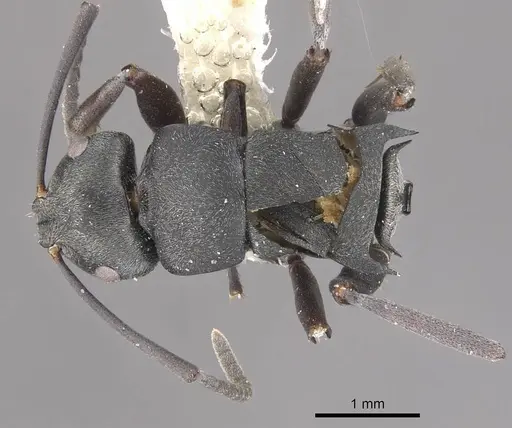
Literature
Loading distribution map...Loading products...