
Polyrhachis tibialis
- Sci. Name
- Polyrhachis tibialis
- Subgenus
- Myrmhopla
- Tribe
- Camponotini
- Subfamily
- Formicinae
- Author
- Smith, 1858
- Distribution
- Found in 4 countries
Introduction
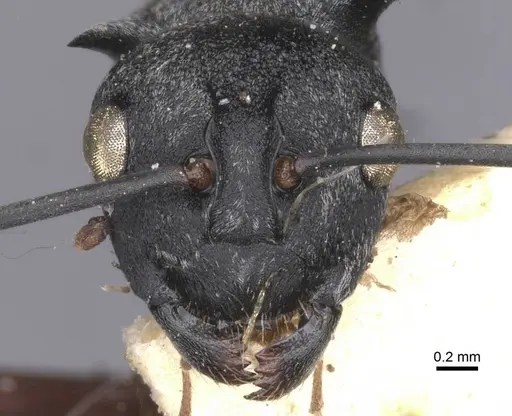
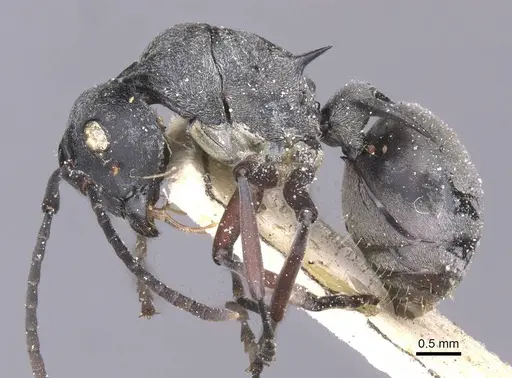
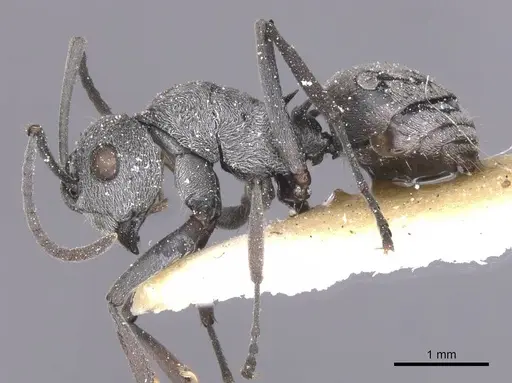
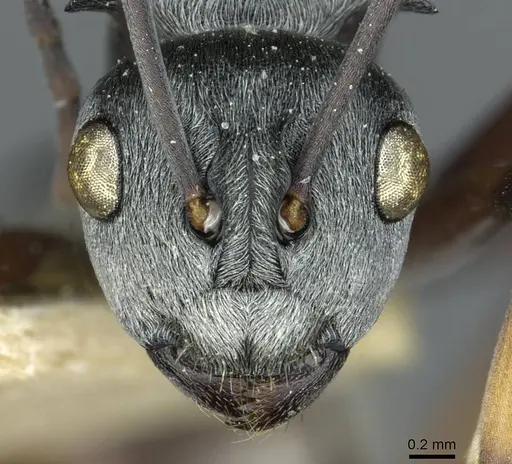
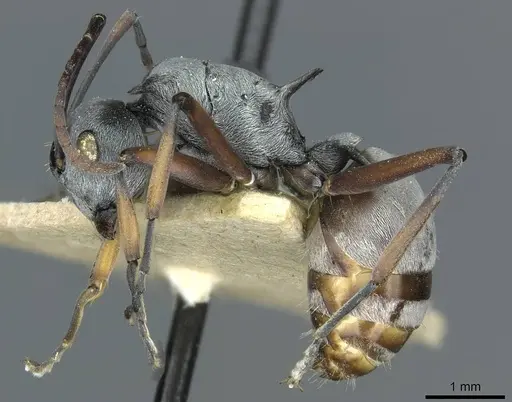
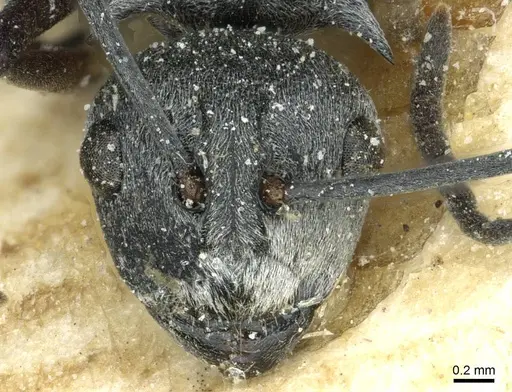
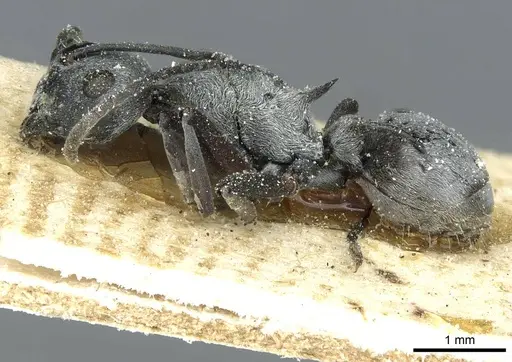
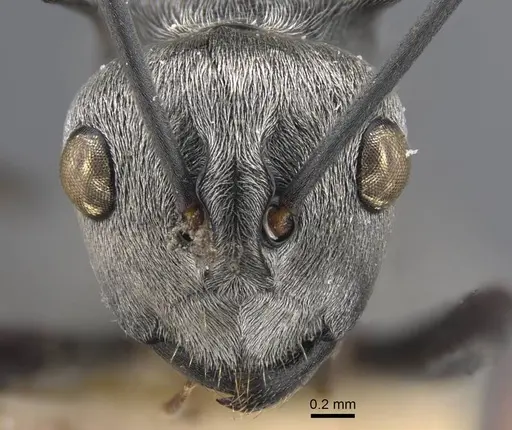
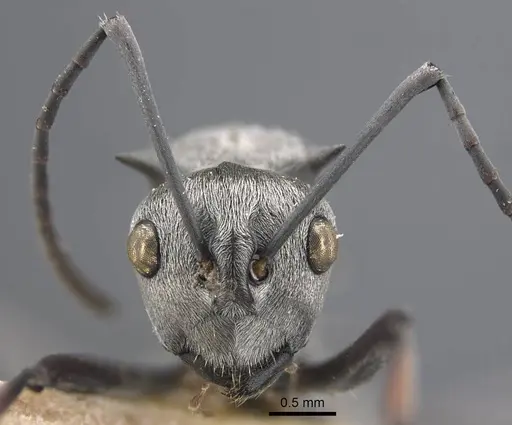
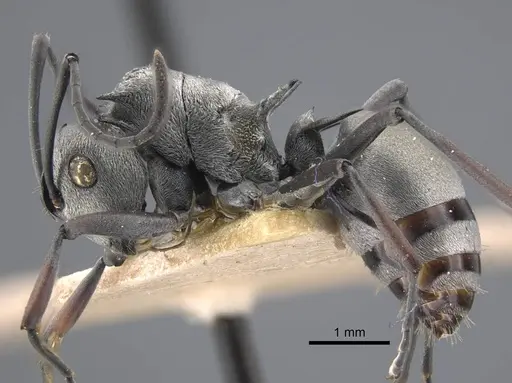
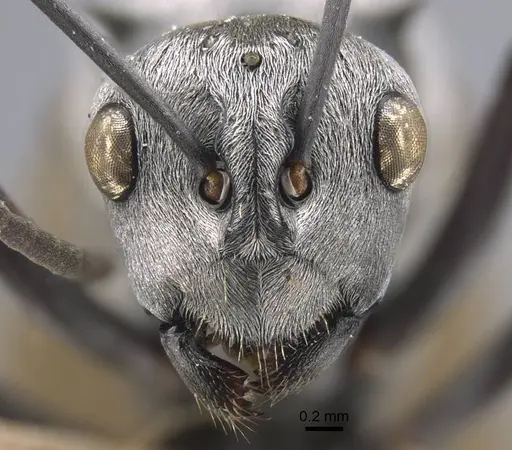
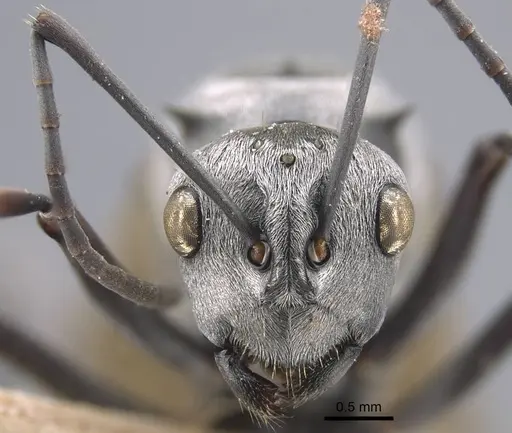
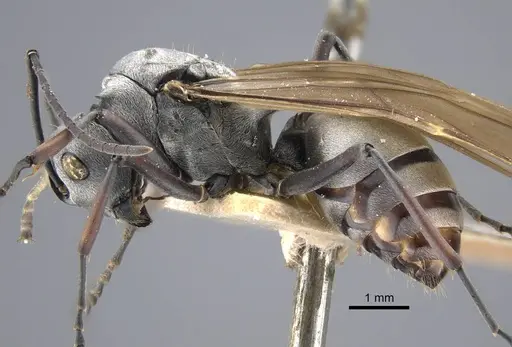
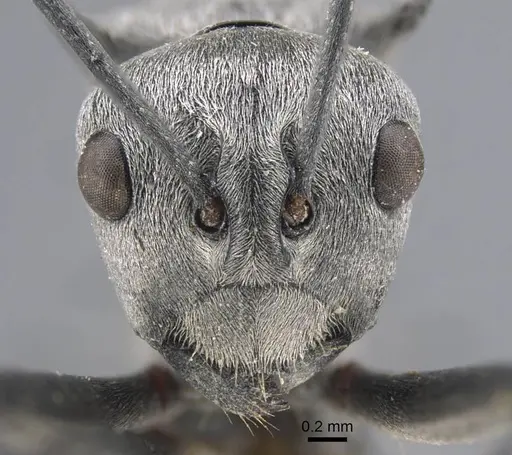
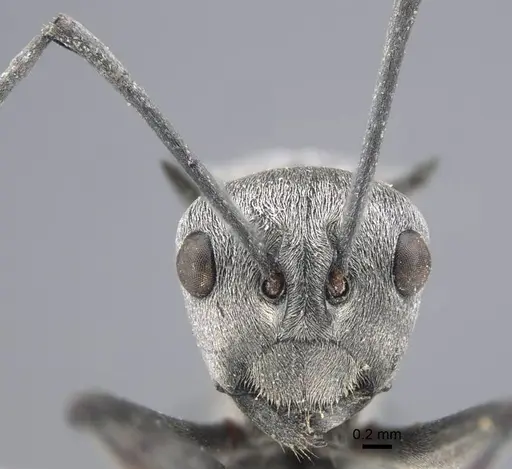
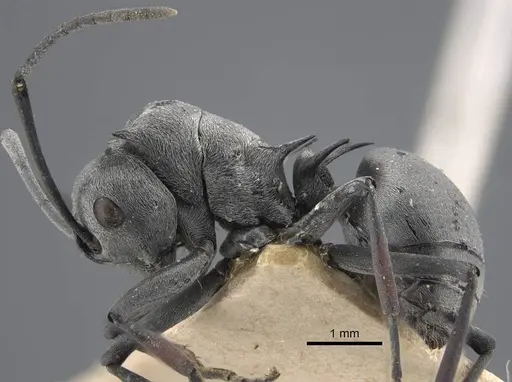
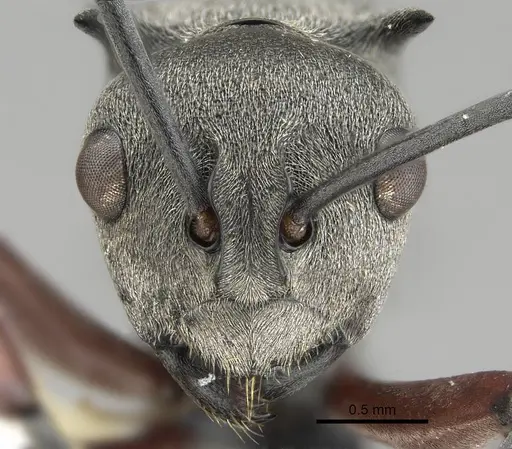
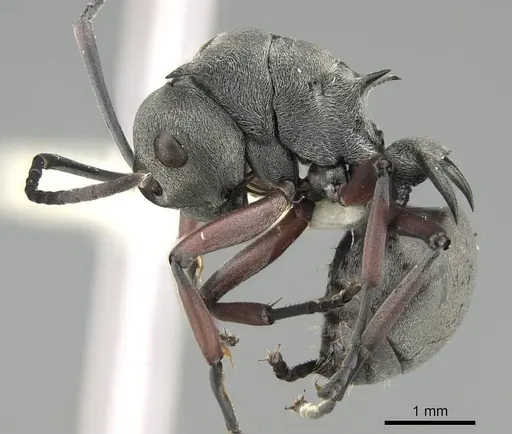
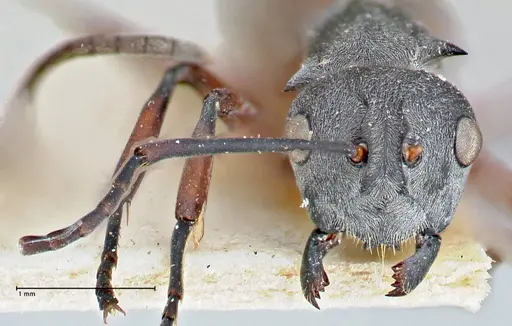
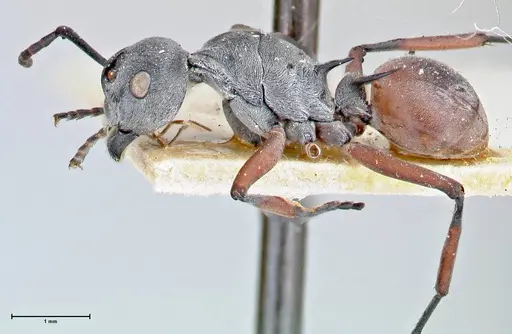
Polyrhachis tibialis is a spiny ant in the subgenus Myrmhopla. Workers are black with reddish legs and covered in silvery pile . Total body length is about 7 mm . This species is found across South and Southeast Asia, from India to Indonesia, in forests from sea level to 1400m elevation . They are arboreal, building nests in trees using silk and carton material, though some populations nest on the ground .
Quick Summary
- Difficulty: Medium
- Origin & Habitat: Native to South and Southeast Asia, including India, Sri Lanka, Myanmar, Thailand, Laos, Malaysia, Indonesia, and southern China. Found in forest ecosystems from sea level to 1400m [1][3][4].
- Colony Type: Colony structure unconfirmed for this species.
- Size & Growth:
- Antkeeping:
- Temperature: Keep at 24-28°C, they are a tropical species.
- Humidity: Keep the nest substrate consistently moist but not waterlogged, as an arboreal species, they benefit from some moisture [5].
- Diapause: No, being a tropical species, they do not require hibernation.
- Nesting: Arboreal nesting preference, use nests with vertical space and climbing structures. They use silk and carton for nest construction [5][7].
- Behavior: Generally calm and non-aggressive. As Formicinae, they defend by spraying formic acid. Arboreal by nature, so they explore vertical space. Escape risk is moderate due to medium size.
- Common Issues: arboreal nature means they need vertical space, horizontal-only nests may cause stress., tropical warmth requirements mean cold rooms can slow or stop activity., silk-nesting behavior may be disrupted in fully artificial nests, provide some substrate., wild-caught colonies may carry parasites that affect captive survival., medium size means standard escape prevention works well, no special tiny-gap concerns.
Housing and Nest Setup
Polyrhachis tibialis is an arboreal species that naturally nests in trees and uses silk to construct carton structures [5][7]. In captivity, you should use Y-tong (AAC) nests or naturalistic setups with vertical climbing space. Provide some soil or moist substrate so workers can create carton galleries. Include small branches or cork bark for climbing. A water test tube should always be available. These ants are medium-sized, so standard escape barriers work well, but ensure the outworld has vertical elements.
Feeding and Diet
Polyrhachis tibialis is omnivorous. You should offer a constant sugar source like sugar water or honey. For protein, provide small insects like fruit flies or mealworms 2-3 times per week. They may tend aphids or scale insects for honeydew [8].
Temperature and Seasonal Care
Keep the nest area at 24-28°C. They can tolerate brief drops to room temperature but prolonged cool conditions will slow brood development. No hibernation is required, maintain warm conditions year-round.
Behavior and Temperament
Workers are active and explore vertical space. As Formicinae, they defend by biting and spraying formic acid, the bite is mild and not dangerous to humans. They are not aggressive toward keepers but will defend their nest if disturbed. Escape prevention should be moderate due to their medium size.
Colony Development
Queens are likely claustral founders, but this is unconfirmed. Development from egg to worker is estimated at 6-8 weeks at optimal temperatures, based on related Polyrhachis species. Colony growth is moderate, expect several months before first workers appear.
Frequently Asked Questions
Can I keep Polyrhachis tibialis in a test tube?
Test tubes work for founding colonies short-term, but you should move them to a proper nest with vertical space within a few months. Provide some substrate for carton-building [5].
What do Polyrhachis tibialis ants eat?
They are omnivorous. Offer sugar water or honey constantly, and protein like fruit flies 2-3 times per week [8].
How long does it take for first workers to emerge?
Estimated 6-8 weeks from egg to first worker at 25-28°C, based on related Polyrhachis species.
Do Polyrhachis tibialis need hibernation?
No, being a tropical species, they do not require hibernation. Keep them warm year-round.
Are Polyrhachis tibialis good for beginners?
They are intermediate in difficulty due to their arboreal needs and temperature requirements.
How big do Polyrhachis tibialis colonies get?
Colony size is not specifically documented for this species.
When should I move my colony to a formicarium?
Move when the colony has 20-30 workers or the test tube is cramped. Choose a nest with vertical space and substrate for carton-building [5].
Why is my Polyrhachis tibialis colony declining?
Common causes include temperatures below 20°C, too dry conditions, insufficient food, or parasites from wild-caught colonies. Check temperature first.
Can I keep multiple queens together?
Not recommended, colony structure is unconfirmed, and combining queens may result in fighting.
Report an Issue
The current care sheet is based fully on literature. See inconsistencies, or something that's incorrect? Please , it will be resolved after review from an admin. Contributing to the blogs tab also helps providing information, to make us be able to further improve the caresheets. Thank you for your support!
References

This caresheet is licensed under CC BY-SA 4.0 .
Community Blogs
CASENT0217805
View on AntWeb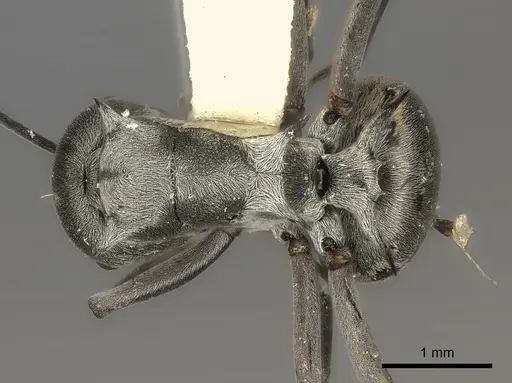
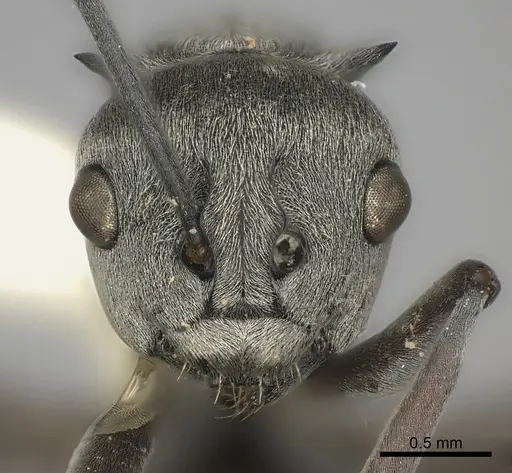
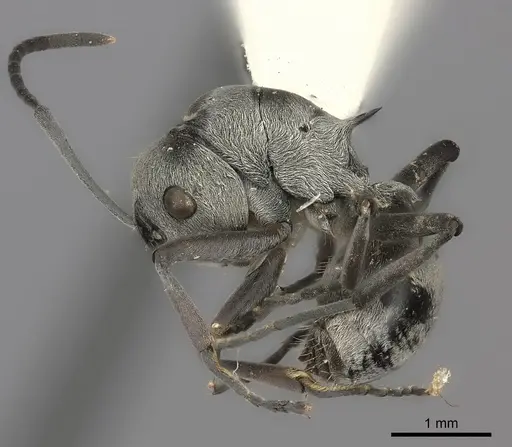
CASENT0281409
View on AntWeb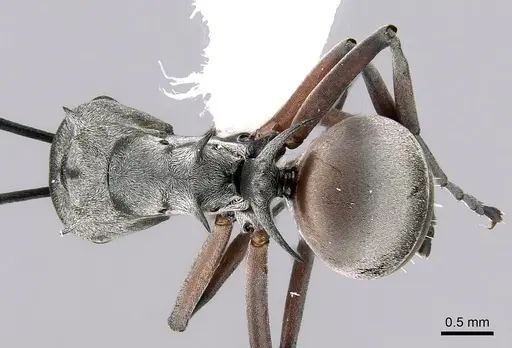
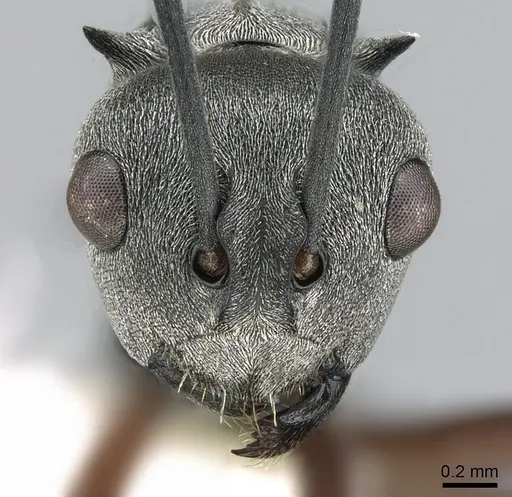
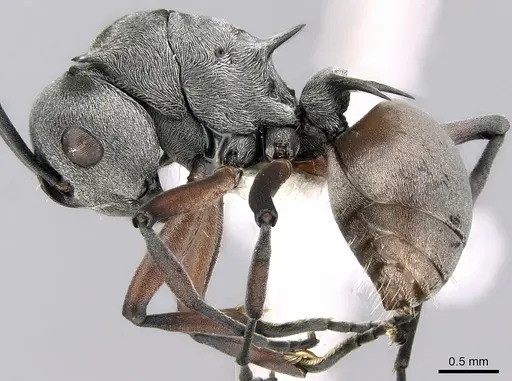
CASENT0905636
View on AntWeb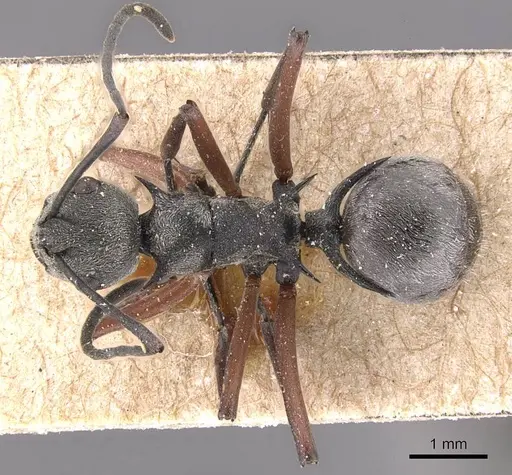
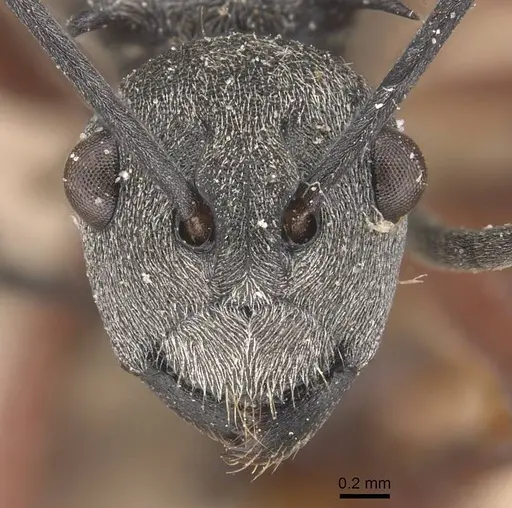
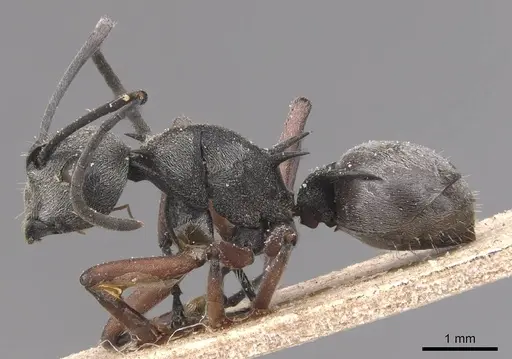
CASENT0905637
View on AntWeb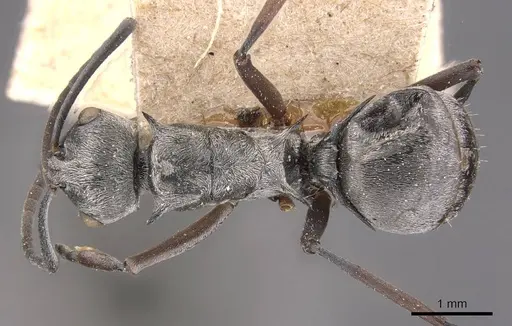
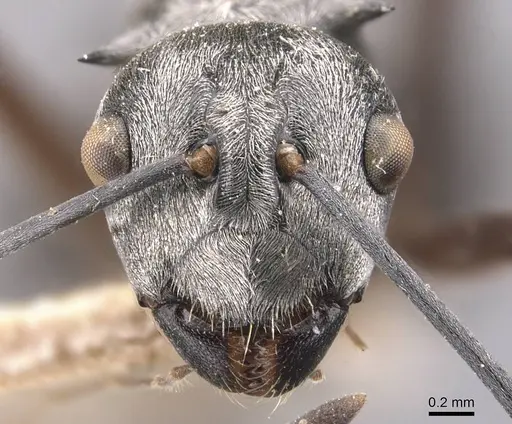
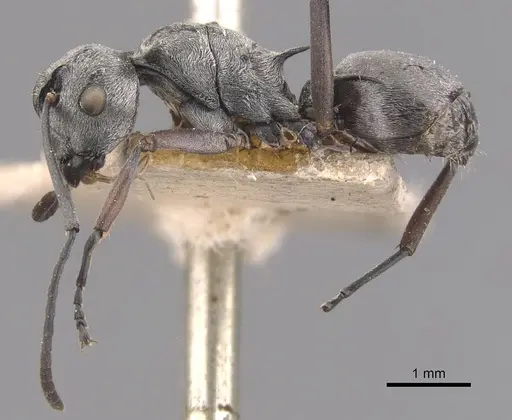
CASENT0912155
View on AntWeb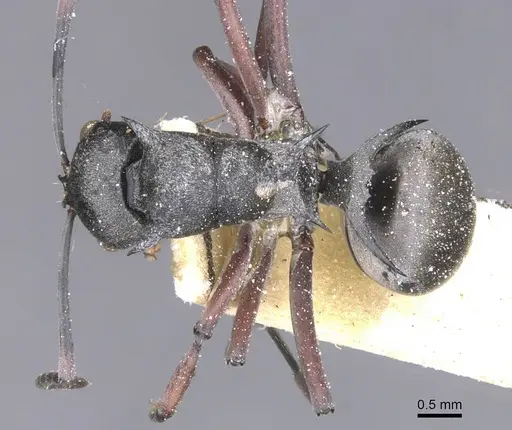
CASENT0912156
View on AntWeb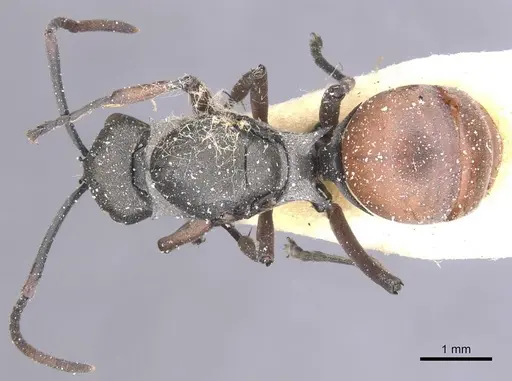
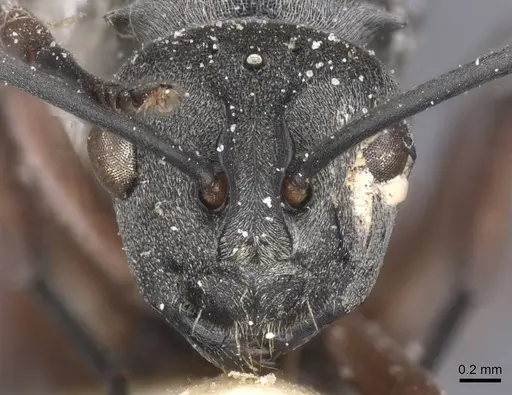
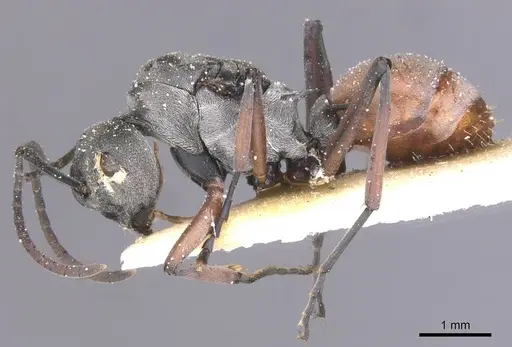
CASENT0912157
View on AntWeb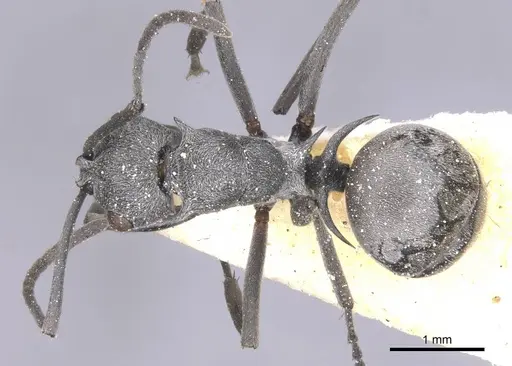
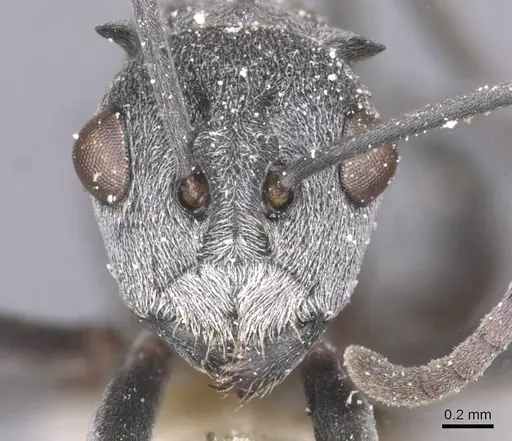
CASENT0912158
View on AntWeb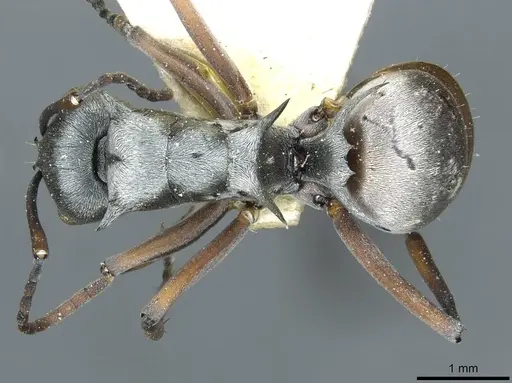
CASENT0912159
View on AntWeb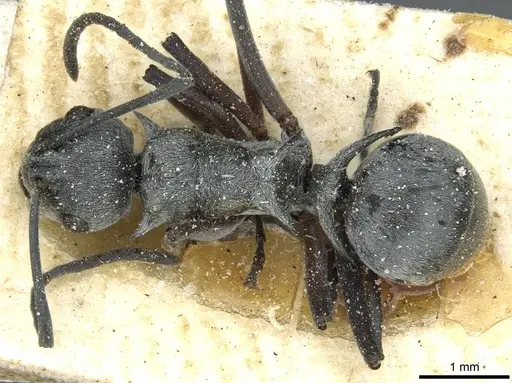
CASENT0912160
View on AntWeb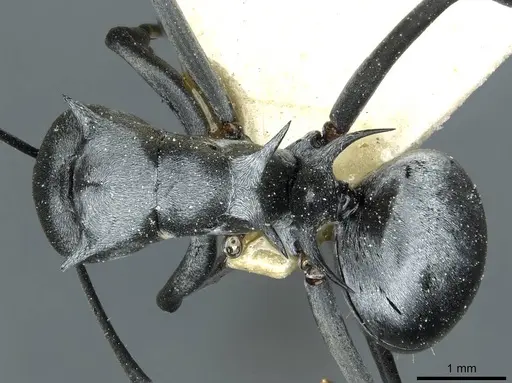
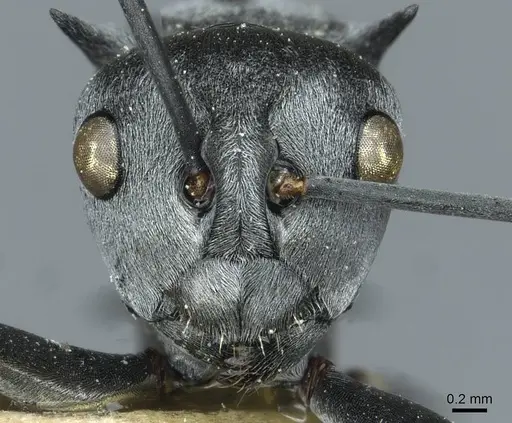
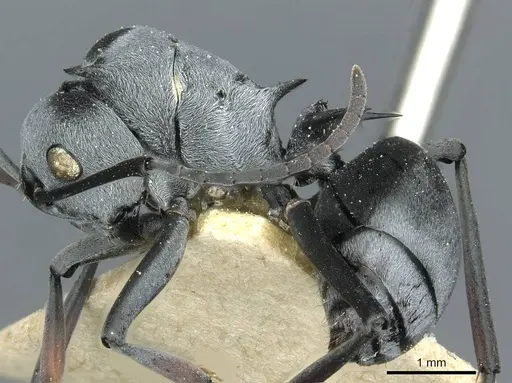
CASENT0913714
View on AntWeb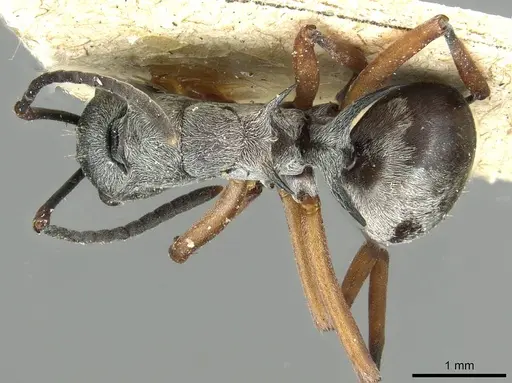
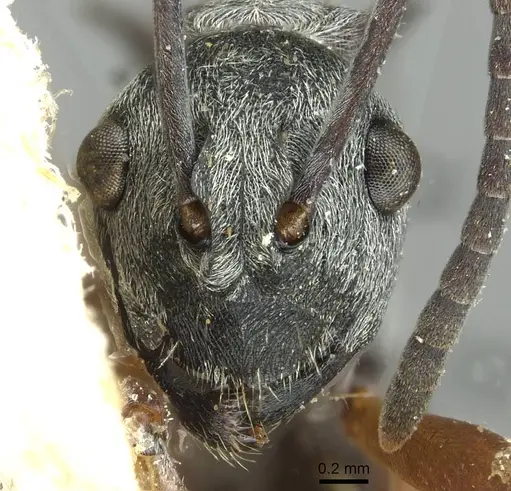
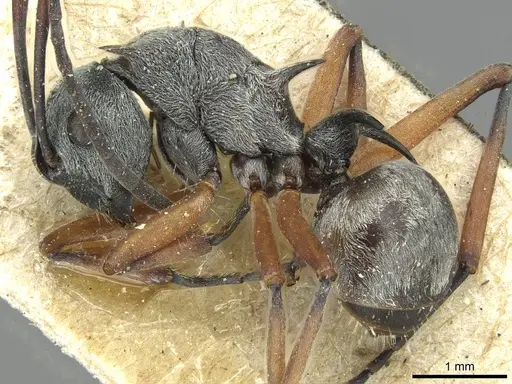
CASENT0916777
View on AntWeb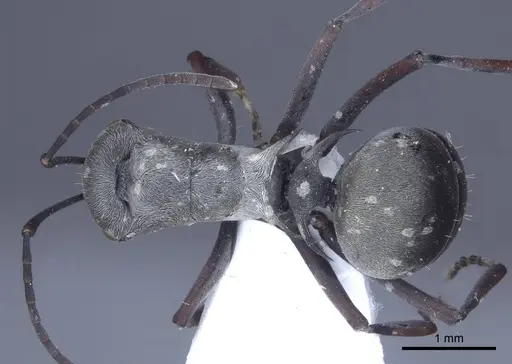
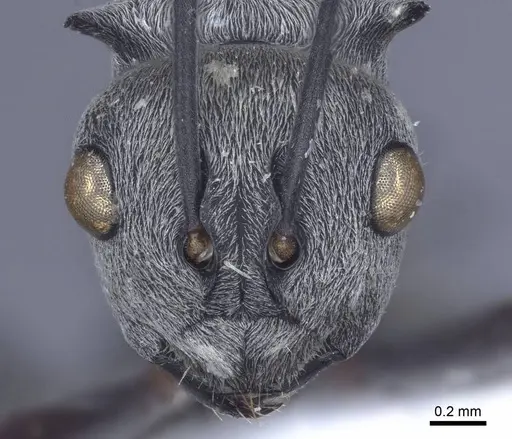
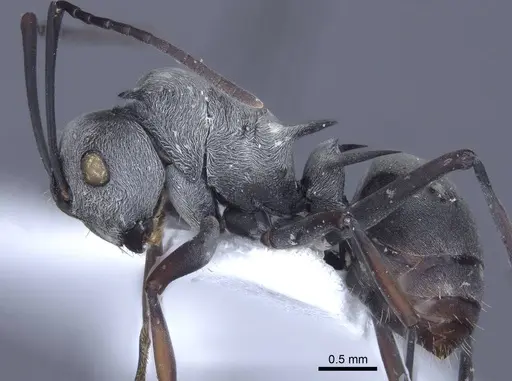
CASENT0917274
View on AntWeb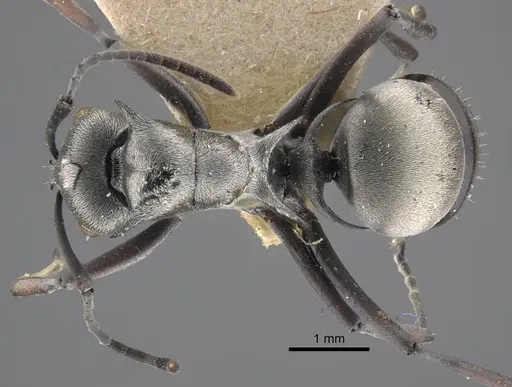
CASENT0917275
View on AntWeb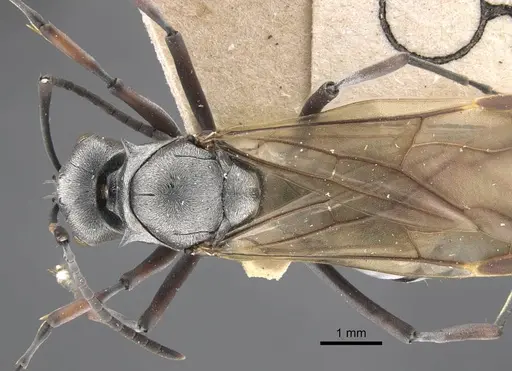
CASENT0917276
View on AntWeb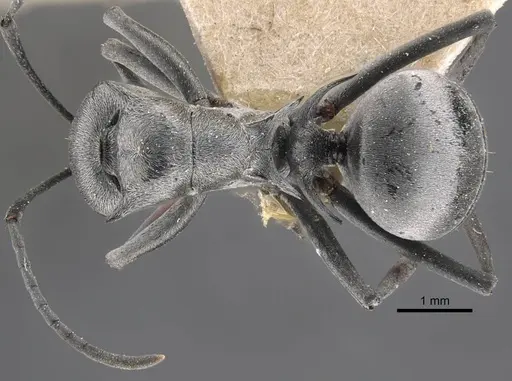
CASENT0919887
View on AntWeb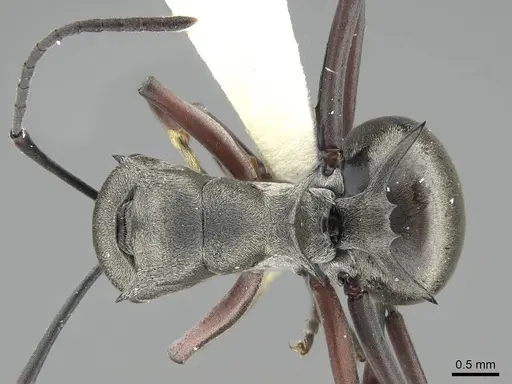
FOCOL2652
View on AntWeb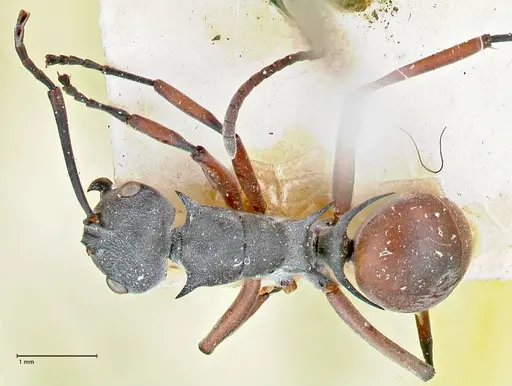
Literature
Loading distribution map...Loading products...