
Polyrhachis thrinax
- Sci. Name
- Polyrhachis thrinax
- Subgenus
- Myrmothrinax
- Tribe
- Camponotini
- Subfamily
- Formicinae
- Author
- Roger, 1863
- Distribution
- Found in 5 countries
Introduction
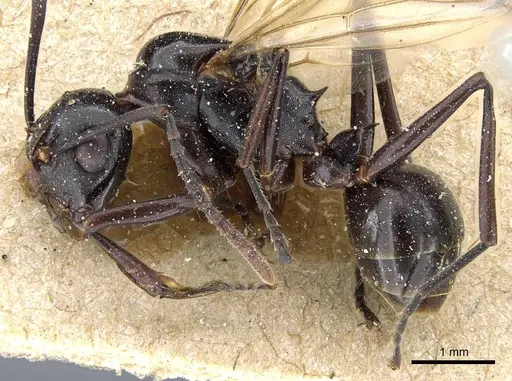
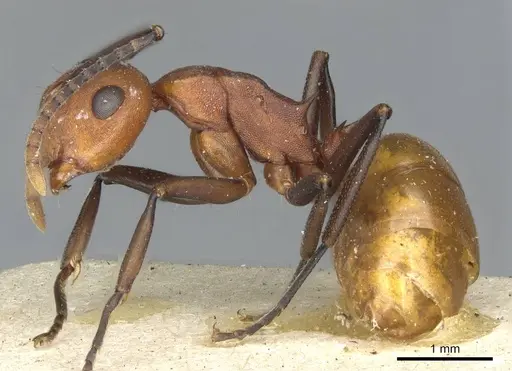
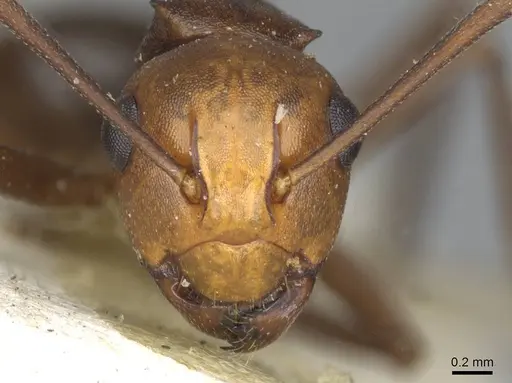
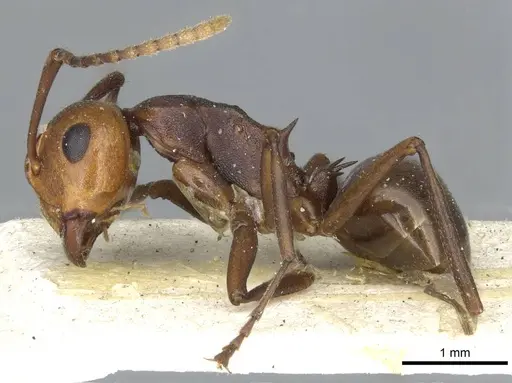
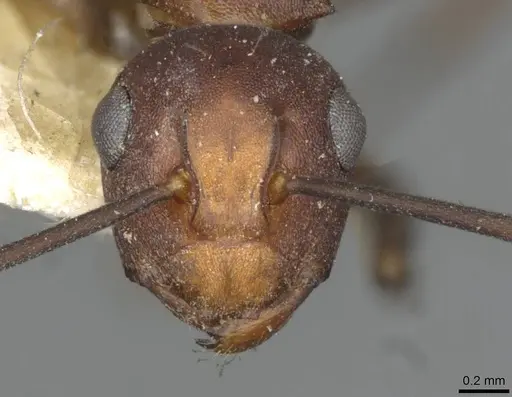
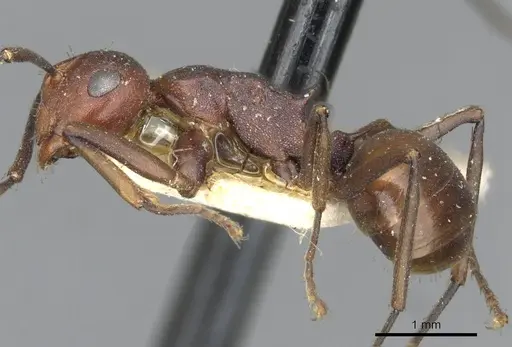
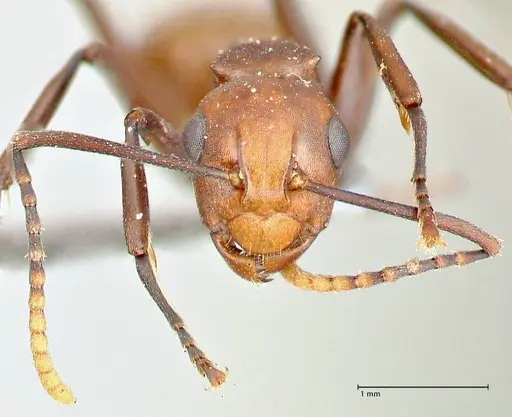
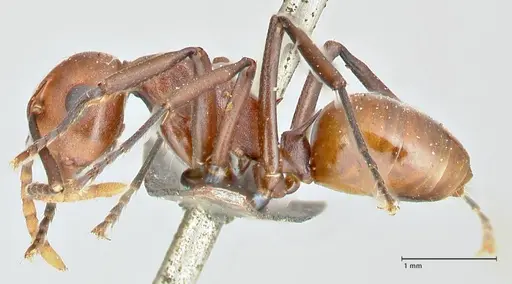
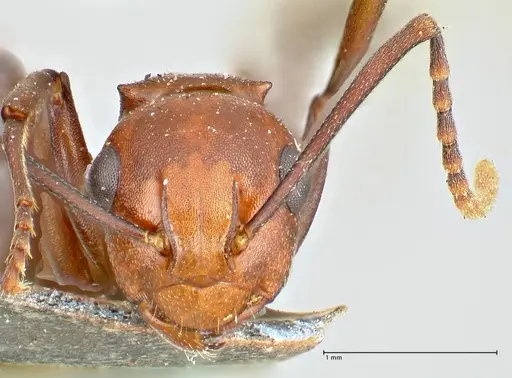
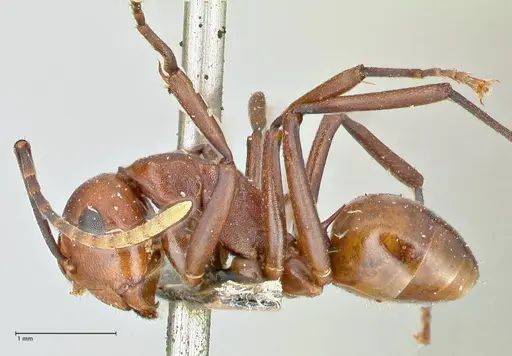
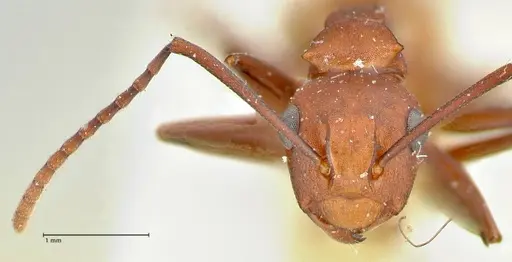
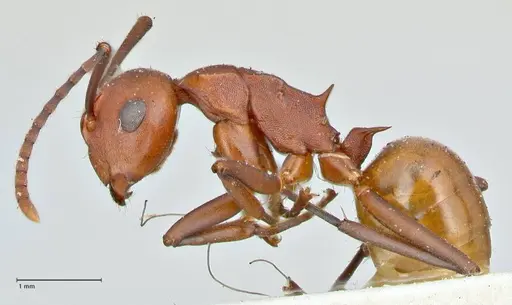
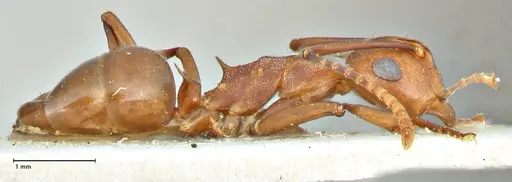
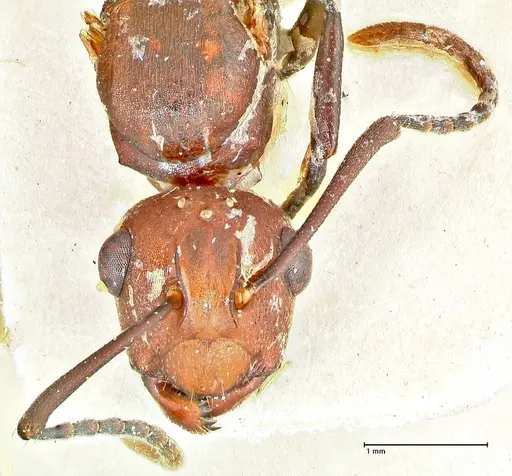
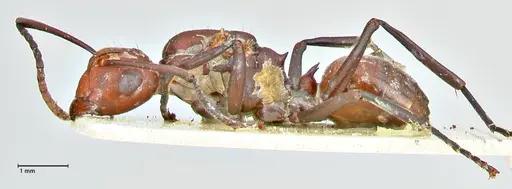
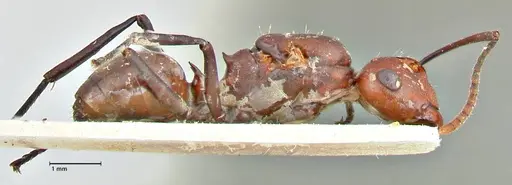
Polyrhachis thrinax is a small to medium-sized ant belonging to the subgenus Myrmothrinax, part of the diverse spiny ant genus Polyrhachis. These ants are found across South and Southeast Asia, including Sri Lanka, India, Bangladesh, the Philippines, Thailand, and southern China . Workers are typically dark in color with distinctive spines protruding from the thorax . This species is known for its arboreal nesting behavior. Unlike most ants that nest in soil, P. thrinax builds nests high in trees by weaving together leaves using silk produced by their larvae . Colonies are typically small, often consisting of just a few dozen workers living in nests formed by binding one or two leaves together with silken threads .
Quick Summary
- Difficulty: Medium
- Origin & Habitat: Native to South and Southeast Asia, including Sri Lanka, India, Bangladesh, Philippines, Thailand, and Yunnan province in southern China. Found in tropical and subtropical forests where it nests arboreally in trees and shrubs [1][2][3].
- Colony Type: Colony structure is unconfirmed from available literature. Based on typical Polyrhachis patterns, likely single-queen colonies, but no specific data exists.
- Size & Growth:
- Queen: Size data unavailable, no total length measurements in literature
- Worker: Size data unavailable, no total length measurements in literature
- Colony: Up to 100 workers based on descriptions of 'very small communities' [4]
- Growth: Estimated moderate growth rate based on typical Formicinae patterns
- Development: Development time is unknown, estimated 6-8 weeks based on related species (Specific development data for this species is not available in the literature)
- Antkeeping:
- Temperature: Keep warm, roughly 24-28°C, based on tropical habitat. A gentle gradient allows workers to self-regulate [1][2]
- Humidity: Keep nest substrate consistently moist but not waterlogged, based on forest habitat [4]
- Diapause: No diapause required, as species is tropical [1][2]
- Nesting: Arboreal nesting, provide vertical setups with branches and leaves. Use Y-tong, plaster, or 3D-printed nests. Avoid soil-based nests [6][5]
- Behavior: Workers spray formic acid for defense, as typical for Formicinae. They are generally calm and non-aggressive. Escape risk is moderate due to small size, ensure tight-fitting lids and check connections. Silk-weaving behavior may be observed if materials are provided [4][5]
- Common Issues: small colony size means colonies are sensitive to disturbance and stress, arboreal nature requires vertical space, horizontal-only setups may cause stress, high humidity needs can lead to mold if ventilation is poor, escape prevention is important, check all connections for gaps, wild-caught colonies may have parasites that can devastate captive colonies
Housing and Nest Setup
Polyrhachis thrinax is an arboreal species that requires vertical space. In the wild, they nest in trees by weaving leaves together with silk from their larvae [4][5]. In captivity, provide climbing structures like branches or fake leaves. Use Y-tong, plaster, or 3D-printed nests, avoid acrylic nests. The outworld should be tall for vertical exploration. You may observe silk-weaving if you provide materials like cotton or small fabric pieces [6][5].
Feeding and Diet
Feed sugar water, honey, or diluted maple syrup continuously for carbohydrates. Offer protein sources like fruit flies, small crickets, or mealworms 2-3 times per week. Remove uneaten prey after 24-48 hours to prevent mold. Fresh water should always be available [7].
Temperature and Humidity
Keep the nest area warm, roughly 24-28°C, with a slight gradient for self-regulation. Humidity is critical: keep the nest substrate consistently moist but not waterlogged. Use a water reservoir and mist regularly, but ensure good ventilation to prevent mold [1][2][4].
Colony Dynamics and Growth
Colonies remain small, with up to 100 workers in mature colonies [4]. This means colonies are sensitive to disturbance, avoid frequent nest checks. Growth is steady rather than explosive, so set expectations accordingly.
Unique Behaviors
The silk-weaving behavior is a key trait: workers use larvae to bind leaves into nests [5]. You may observe this in captivity if materials are provided. Spines on the thorax are for defense against predators.
Frequently Asked Questions
Can I keep Polyrhachis thrinax in a test tube setup?
Test tubes can work for founding colonies, but these ants prefer vertical space. Transfer to a vertical nest once the colony has 10-15 workers to avoid stress [7].
How long does it take for the first workers to emerge?
Development time is unknown, estimated 6-8 weeks at warm temperatures based on related species [7].
Are Polyrhachis thrinax good for beginners?
They are intermediate in difficulty due to arboreal nature and humidity needs. Better suited for keepers with experience in tropical species [7].
How big do Polyrhachis thrinax colonies get?
Colonies stay small, up to 100 workers, based on wild descriptions [4].
Do they need hibernation or diapause?
No, as a tropical species, they do not require diapause. Keep them warm year-round [1][2].
What should I feed my Polyrhachis thrinax colony?
Offer sugar water or honey continuously, plus protein like fruit flies or mealworms 2-3 times per week [7].
Why is my colony declining?
Common causes include low humidity, cool temperatures, disturbance, or parasites. Check humidity and temperature first, and avoid overfeeding to prevent mold [7].
Can I keep multiple queens together?
Not recommended, as colony structure is unconfirmed. Combining queens may lead to fighting [7].
When should I move them to a formicarium?
Move when the colony has 15-20 workers and consistent activity. Ensure vertical space and humidity maintenance [7].
Report an Issue
The current care sheet is based fully on literature. See inconsistencies, or something that's incorrect? Please , it will be resolved after review from an admin. Contributing to the blogs tab also helps providing information, to make us be able to further improve the caresheets. Thank you for your support!
References

This caresheet is licensed under CC BY-SA 4.0 .
Community Blogs
CASENT0281417
View on AntWeb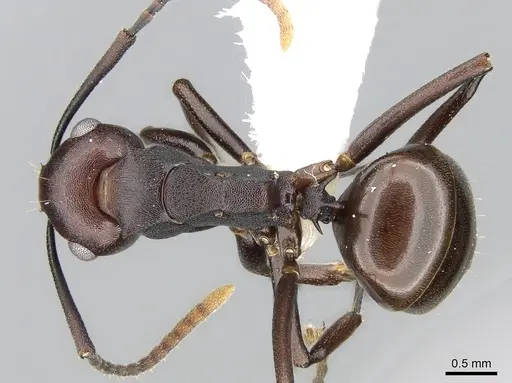
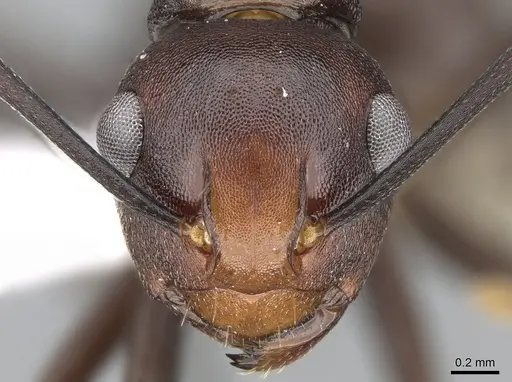
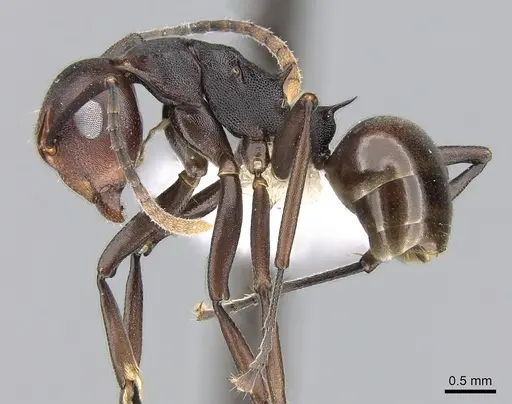
CASENT0903324
View on AntWeb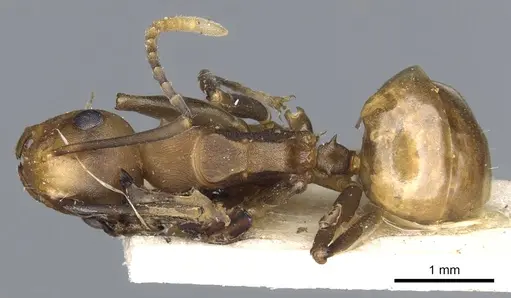
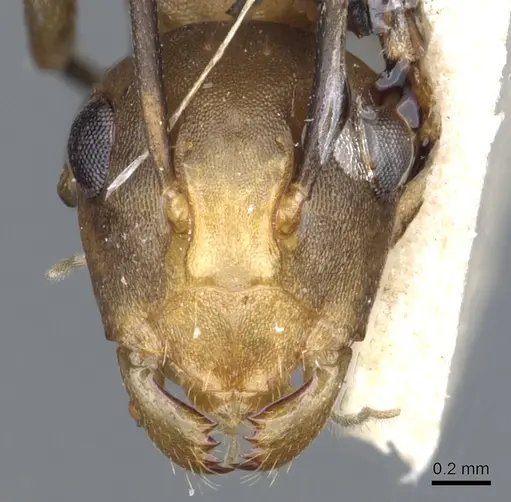
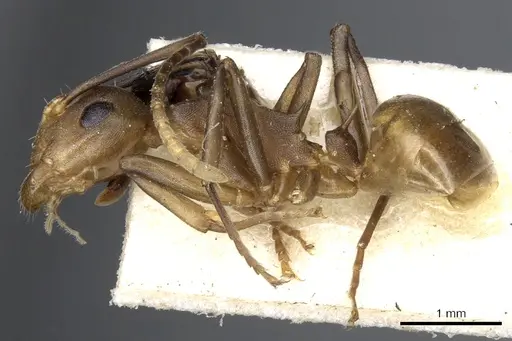
CASENT0905562
View on AntWeb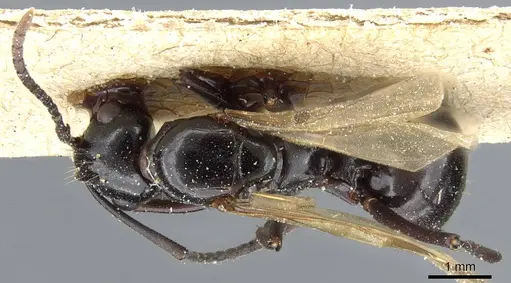
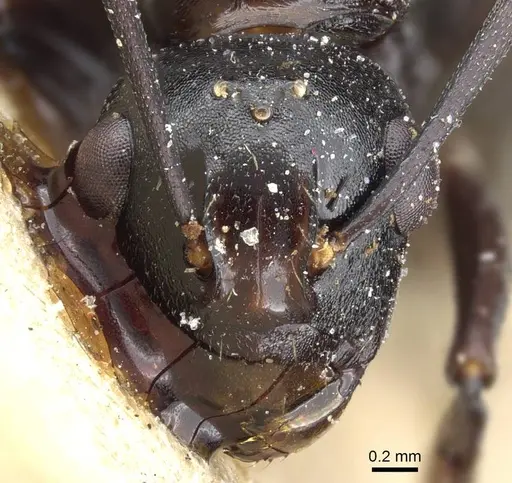
CASENT0910797
View on AntWeb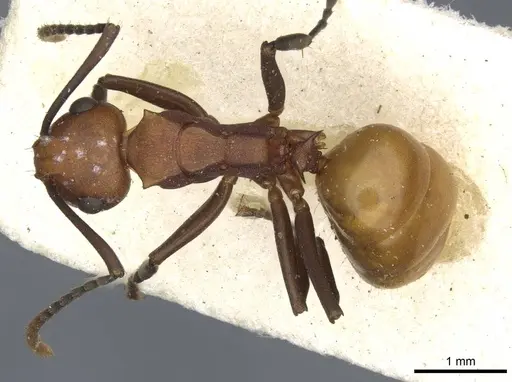
CASENT0910798
View on AntWeb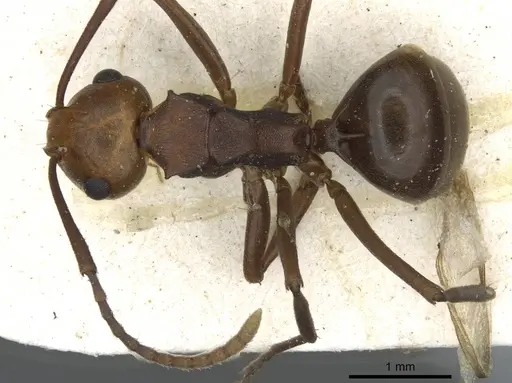
CASENT0910799
View on AntWeb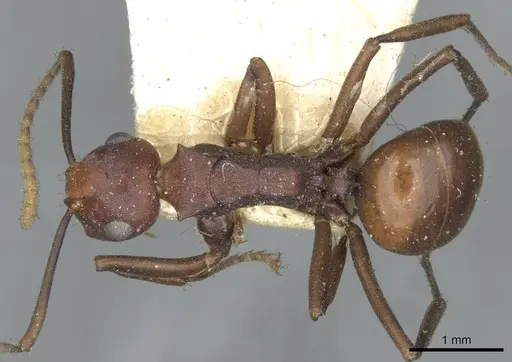
FOCOL2525
View on AntWeb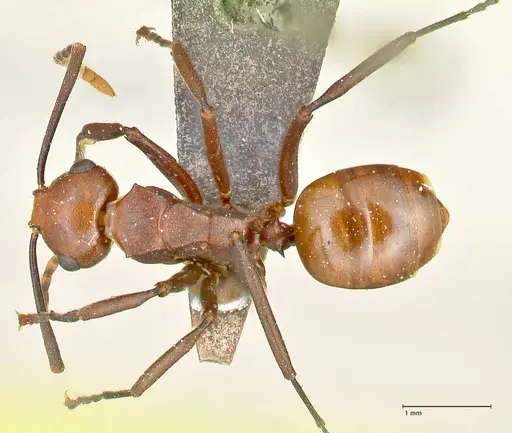
FOCOL2526
View on AntWeb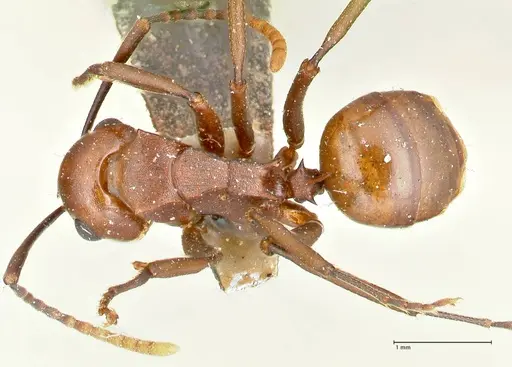
FOCOL2527
View on AntWeb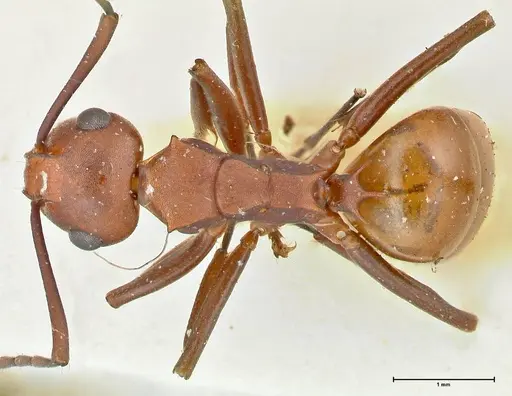
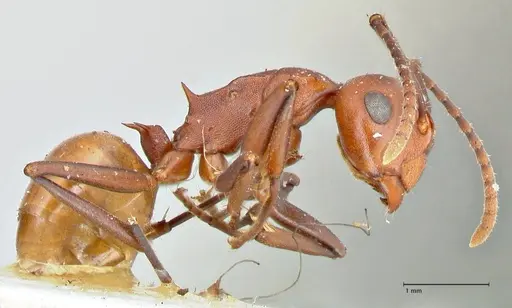
FOCOL2528
View on AntWeb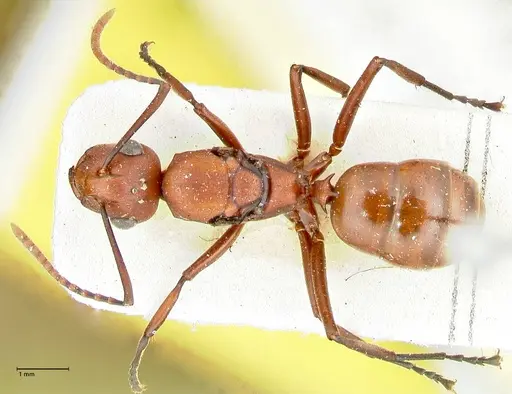
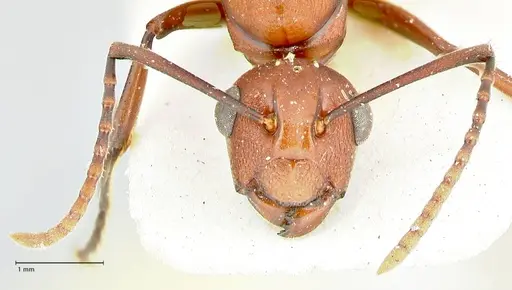
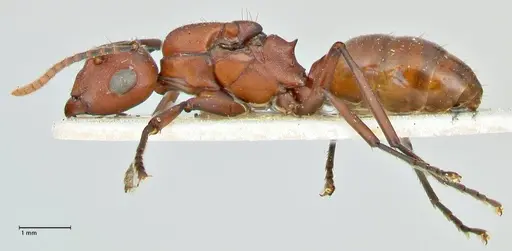
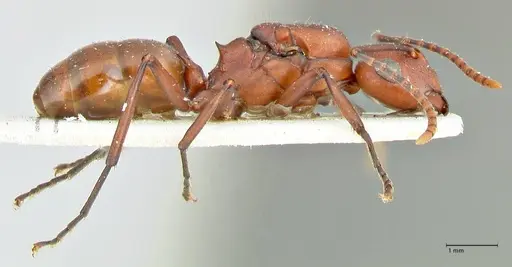
FOCOL2529
View on AntWeb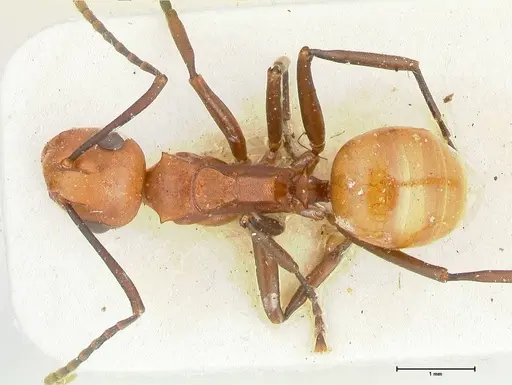
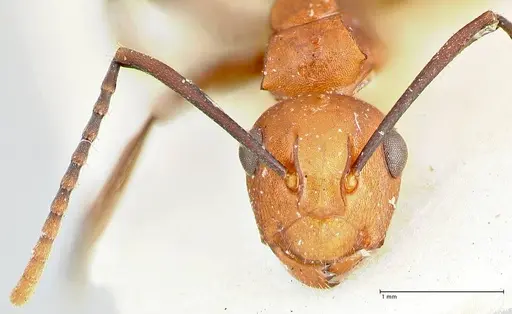
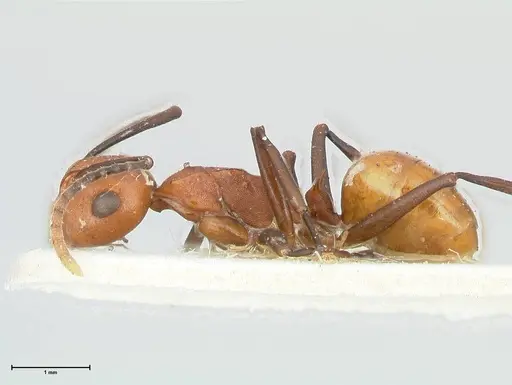
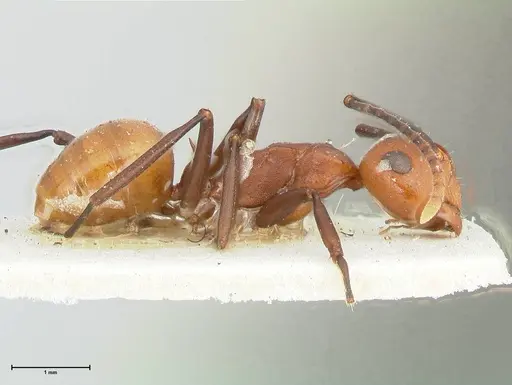
FOCOL2530
View on AntWeb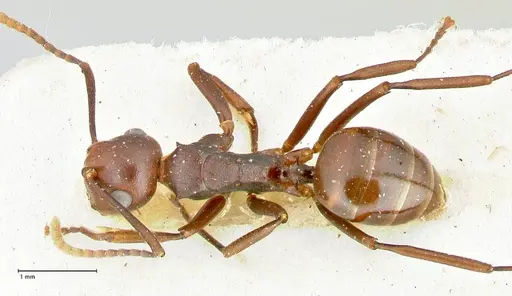
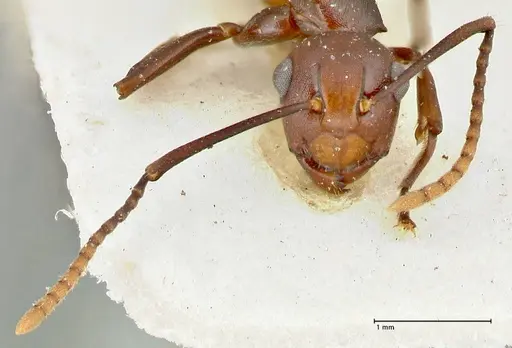
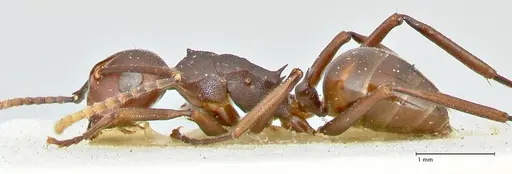
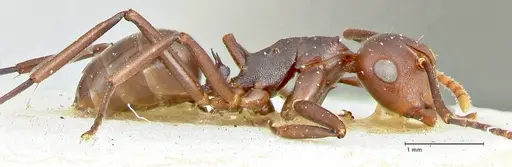
FOCOL2531
View on AntWeb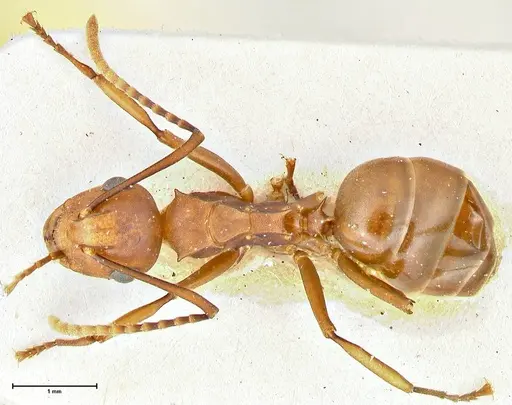
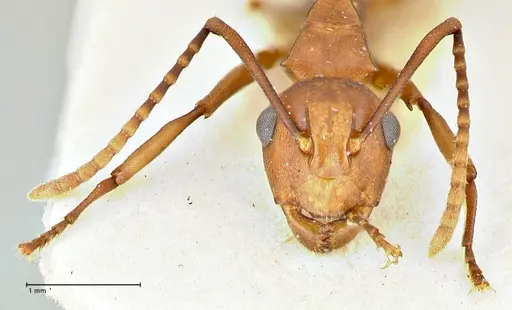
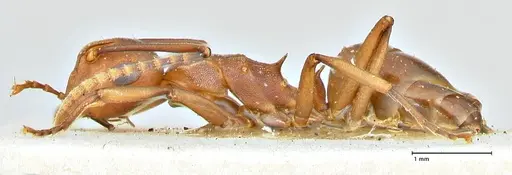
FOCOL2532
View on AntWeb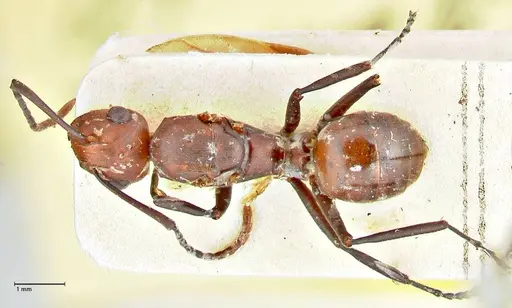
Literature
Loading distribution map...Loading products...