
Polyrhachis spinigera
- Sci. Name
- Polyrhachis spinigera
- Subgenus
- Myrmhopla
- Tribe
- Camponotini
- Subfamily
- Formicinae
- Author
- Mayr, 1879
- Distribution
- Found in 1 countries
Introduction
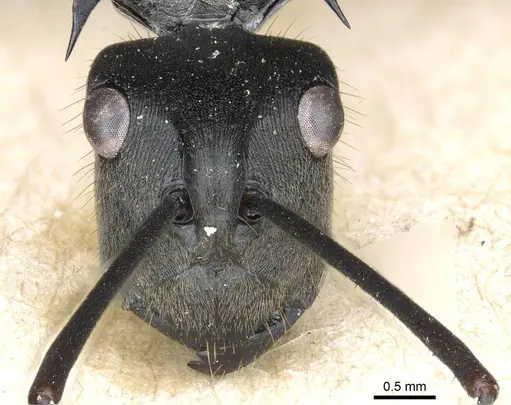
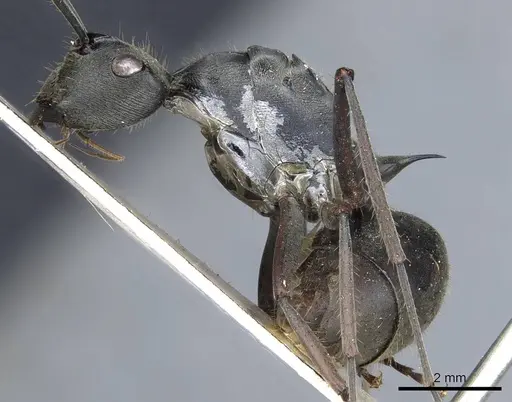
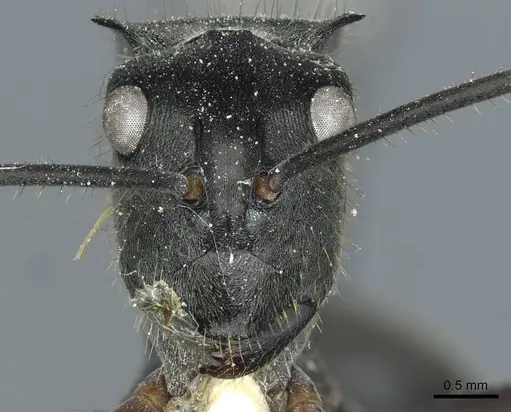
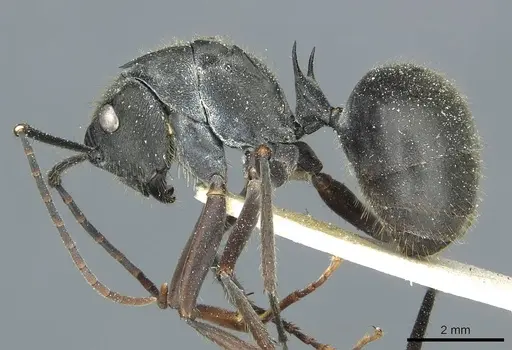
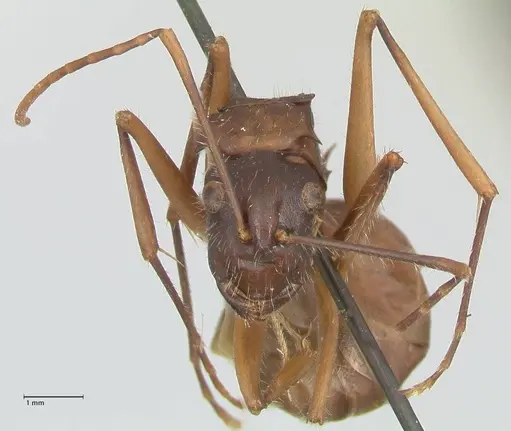
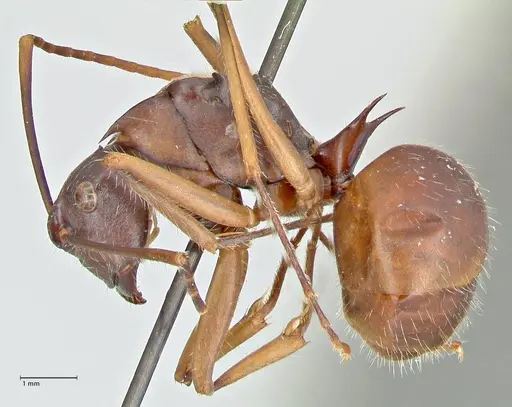
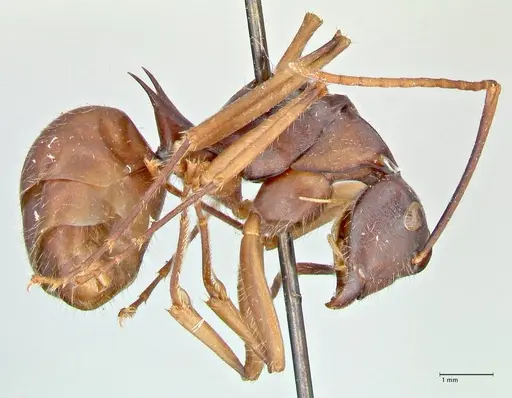
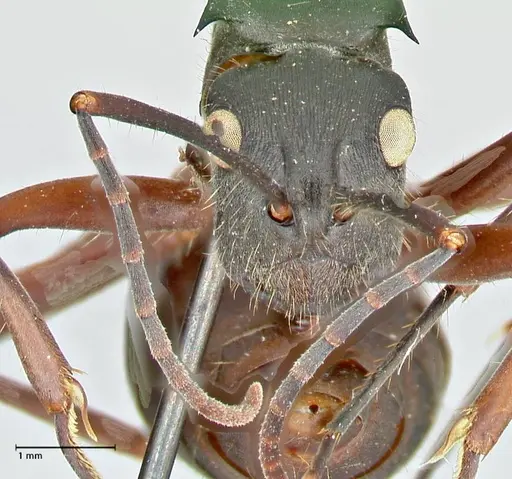
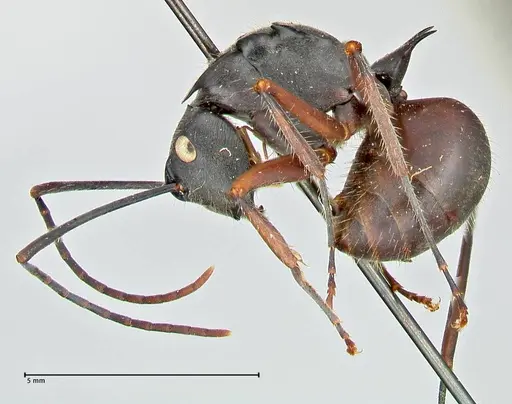
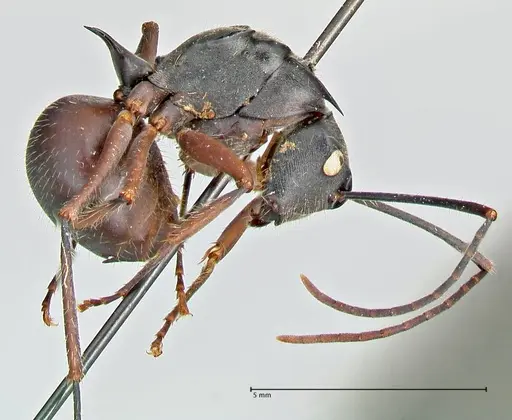
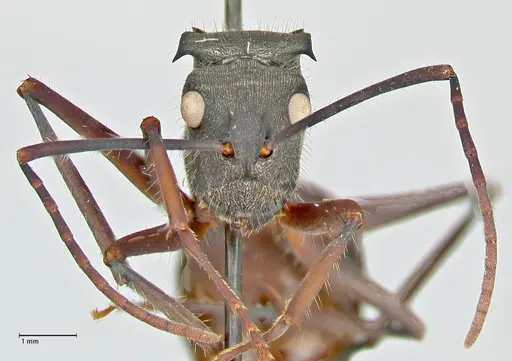
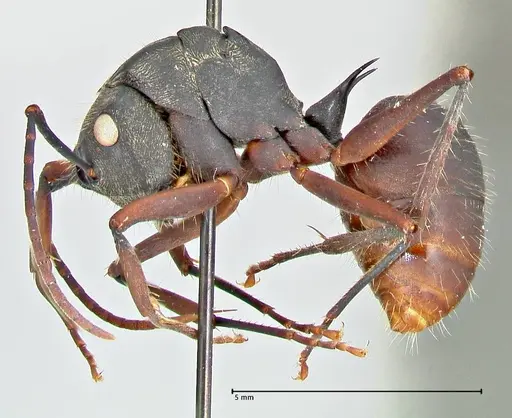
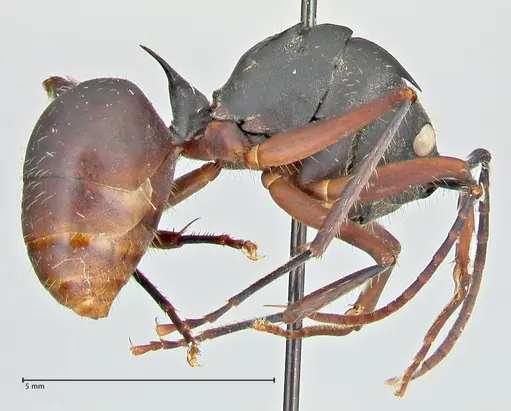
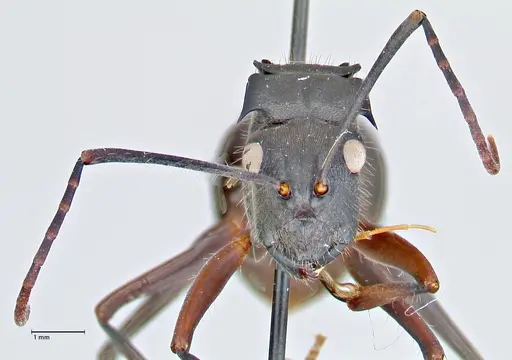
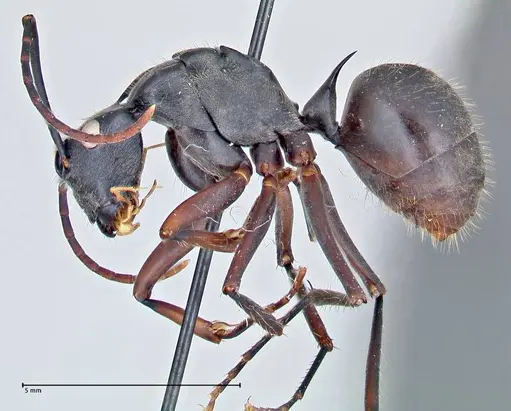
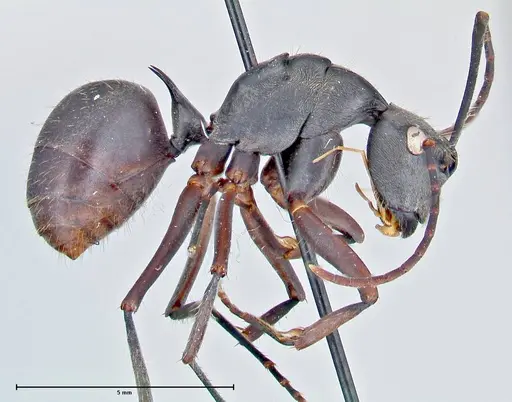
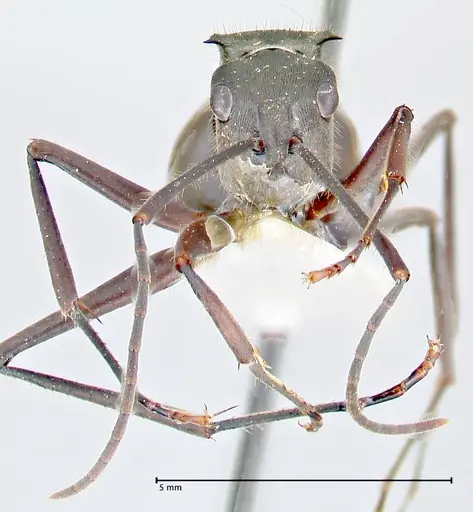
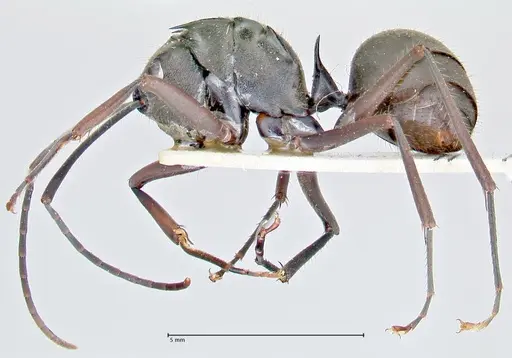
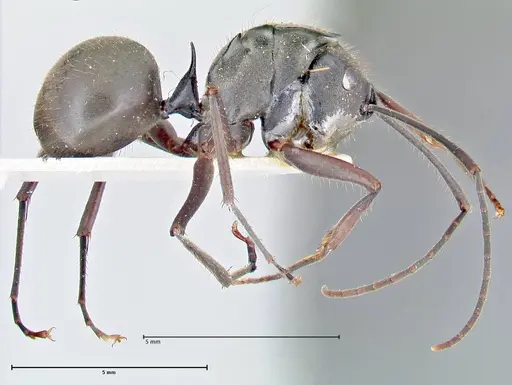
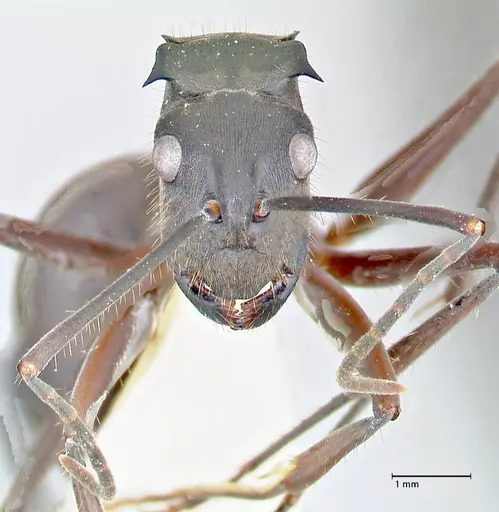
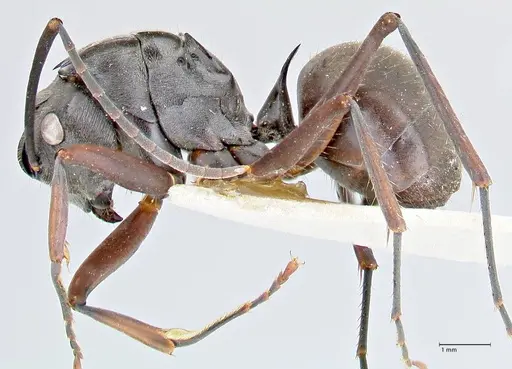
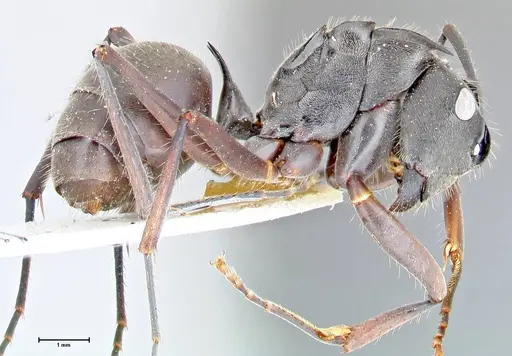
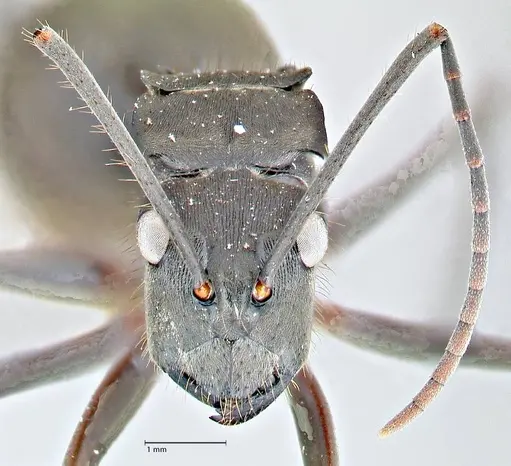
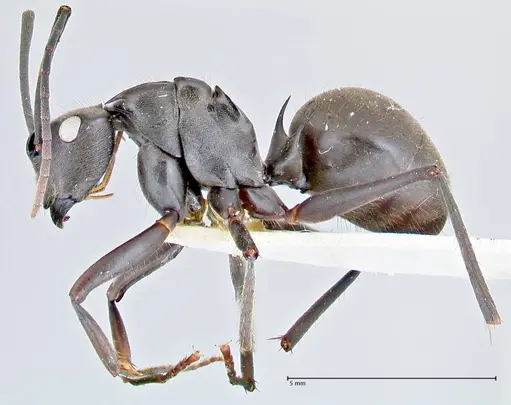
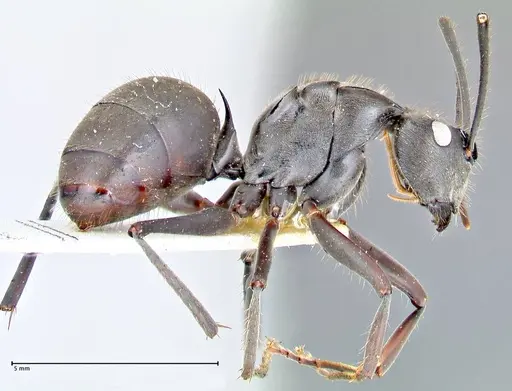
Polyrhachis spinigera is a medium-sized ant species native to India and Sri Lanka. Based on typical Polyrhachis genus patterns, workers are estimated to be 5-10 mm in length. They have a dark brown to black coloration with distinctive hooked propodeal spines . This species is recorded from Assam and West Bengal in India, as well as Sri Lanka (Ceylon) . Unlike many ground-nesting ants, P. spinigera constructs nests by weaving together twigs of spiny shrubs using a web-like material, making them arboreal nesters .
Quick Summary
- Difficulty: Medium
- Origin & Habitat: Native to the Indomalaya region, specifically India (Assam, West Bengal, Calcutta) and Sri Lanka (Ceylon). They inhabit tropical and subtropical regions, nesting in shrubs by binding twigs with webbing [4][2][3].
- Colony Type: Colony structure is unconfirmed in scientific literature. Based on typical Polyrhachis patterns, they are likely monogyne (single queen), but this requires confirmation for P. spinigera.
- Size & Growth:
- Queen: size unknown, inferred from Polyrhachis genus (~8-12 mm)
- Worker: size unknown, inferred from Polyrhachis genus (~5-10 mm)
- Colony: Unknown, no data available from research context
- Growth: Unknown, no specific data available
- Development: Unknown, no data available (Development time is unconfirmed for this species.)
- Antkeeping:
- Temperature: Keep warm, roughly 24-28°C, based on tropical habitat.
- Humidity: Keep nest substrate consistently moist but not waterlogged, based on arboreal nesting habitat [4].
- Diapause: No, tropical species, no diapause required.
- Nesting: Arboreal nesting by binding twigs with webbing [4]. In captivity, use Y-tong nests or naturalistic setups with twigs.
- Behavior: Workers are active foragers, generally calm for Polyrhachis species. Escape risk is moderate due to medium size, provide climbing structures.
- Common Issues: monitor temperature and humidity closely to avoid stress from cool or dry conditions., replicating their natural twig-weaving nesting behavior may be challenging in simple setups., ensure good ventilation to prevent mold in high humidity., wild-caught colonies may introduce parasites or diseases.
Nest Preferences and Housing
Polyrhachis spinigeraa naturally nests in shrubs by using web-like material to bind together twigs and small branches [4]. This arboreal nesting behavior is distinctive and reflects their tropical forest habitat. In captivity, you can accommodate this behavior with naturalistic setups using live or artificial plants and twigs. Y-tong (AAC) nests are also suitable, as they provide dark, enclosed spaces. Ensure there are climbing structures in the outworld since these ants are arboreal.
Temperature and Heating Requirements
Maintain warm conditions suitable for tropical species. A heating cable can help create a gradient, but specific temperature requirements are unconfirmed. Monitor temperatures with a digital thermometer and avoid extremes.
Feeding and Diet
Provide sugar water, honey, or diluted syrup for energy, and small insects like fruit flies or mealworms for protein. Offer protein 2-3 times weekly and keep a constant sugar source available.
Humidity and Water
Keep the nest area moist but not waterlogged. Use a water reservoir or mist the outworld occasionally to maintain humidity, ensuring good ventilation to prevent mold.
Behavior and Colony Dynamics
Workers are agile foragers that explore their surroundings. They are not particularly aggressive, and their spines serve as defense [1]. Colonies establish slowly, with workers communicating through chemical trails.
Frequently Asked Questions
How long does it take for Polyrhachis spinigera to produce first workers?
Development time is unconfirmed for this species. Based on tropical Polyrhachis patterns, it may take several weeks, but no specific data is available.
What is the best nest type for Polyrhachis spinigera?
Y-tong nests or naturalistic setups with twigs and climbing structures work best, as they mimic their arboreal nesting behavior [4].
What temperature do Polyrhachis spinigera need?
Keep them warm, roughly 24-28°C, based on their tropical habitat. Specific requirements are unconfirmed.
How big do Polyrhachis spinigera colonies get?
Colony size is unknown from research context. No data on maximum worker count is available.
Can I keep multiple Polyrhachis spinigera queens together?
Colony type is unconfirmed. It is safest to start with a single queen colony until more data is available.
What do Polyrhachis spinigera eat?
They accept sugar water, honey, or syrup plus small insects like fruit flies or mealworms. Offer protein regularly.
Do Polyrhachis spinigera need hibernation?
No, as a tropical species, they do not require diapause and should be kept warm year-round.
Are Polyrhachis spinigera good for beginners?
They are rated Medium difficulty due to unconfirmed care requirements. Beginners should be comfortable with tropical conditions.
Why is my Polyrhachis spinigera colony declining?
Common causes include improper temperature, humidity, or ventilation. Check conditions and ensure varied diet.
Report an Issue
The current care sheet is based fully on literature. See inconsistencies, or something that's incorrect? Please , it will be resolved after review from an admin. Contributing to the blogs tab also helps providing information, to make us be able to further improve the caresheets. Thank you for your support!
References

This caresheet is licensed under CC BY-SA 4.0 .
Community Blogs
CASENT0905618
View on AntWeb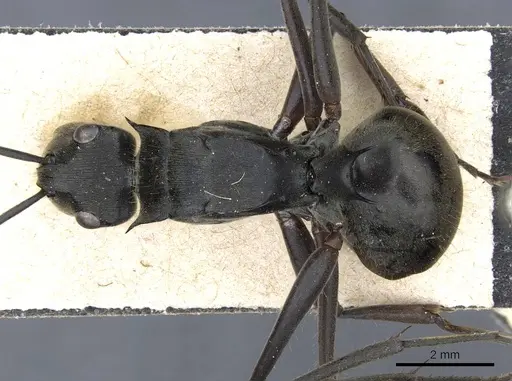
CASENT0910917
View on AntWeb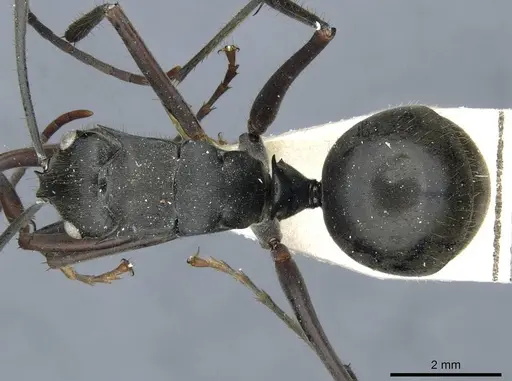
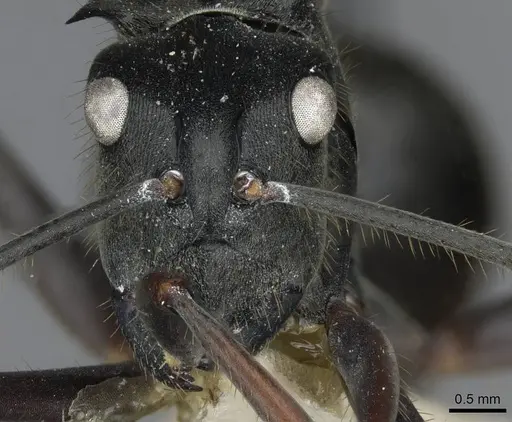
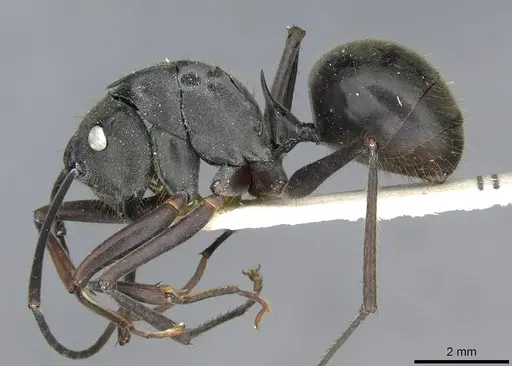
CASENT0912118
View on AntWeb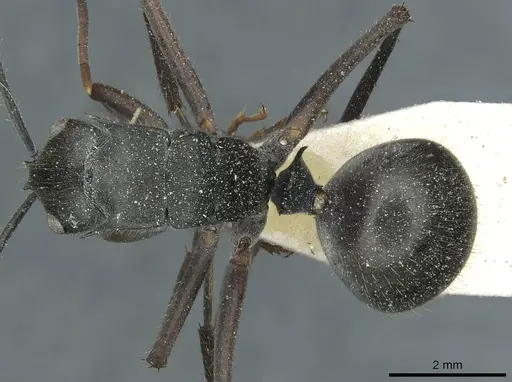
FOCOL2603
View on AntWeb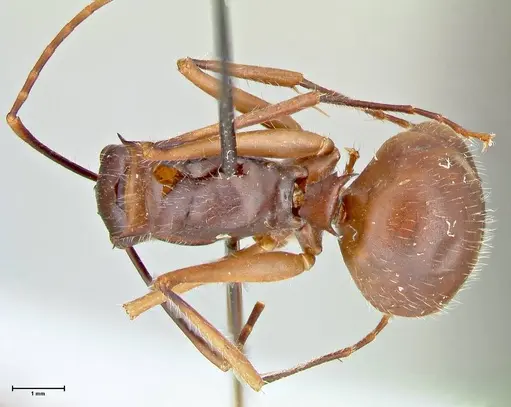
FOCOL2604
View on AntWeb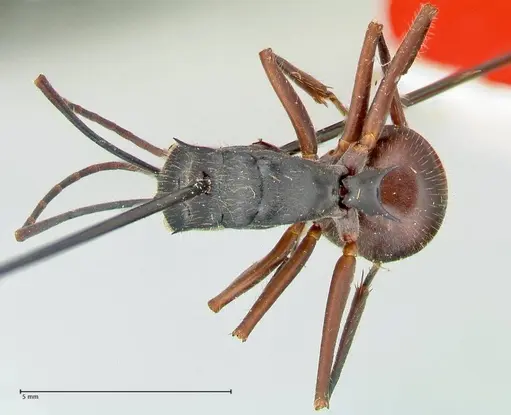
FOCOL2605
View on AntWeb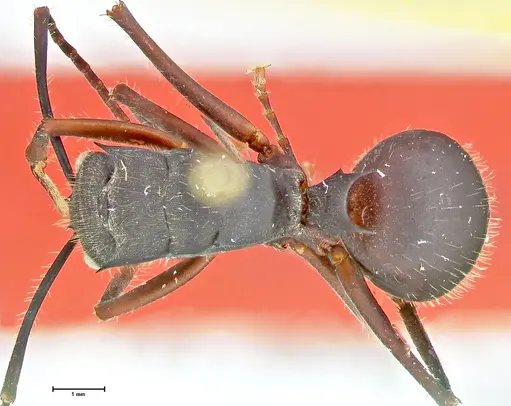
FOCOL2606
View on AntWeb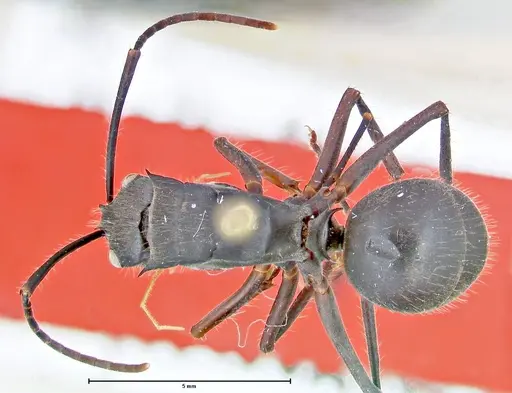
FOCOL2637
View on AntWeb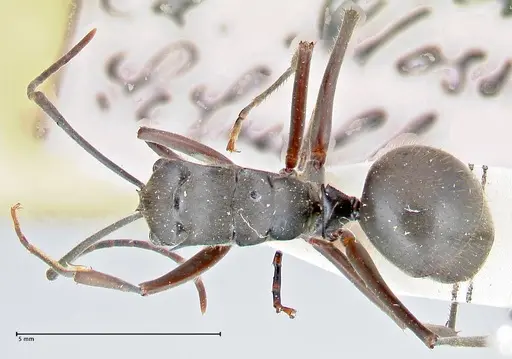
FOCOL2638
View on AntWeb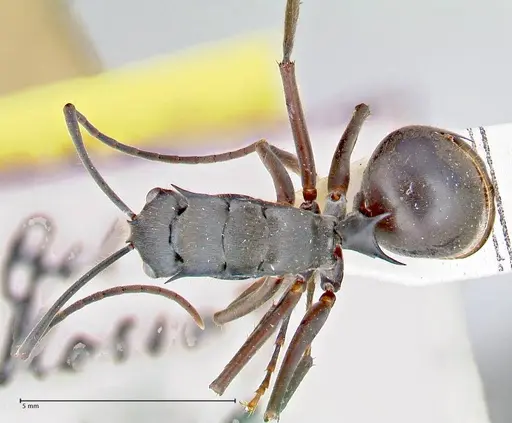
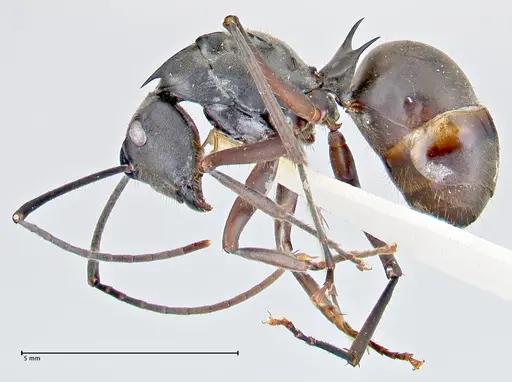
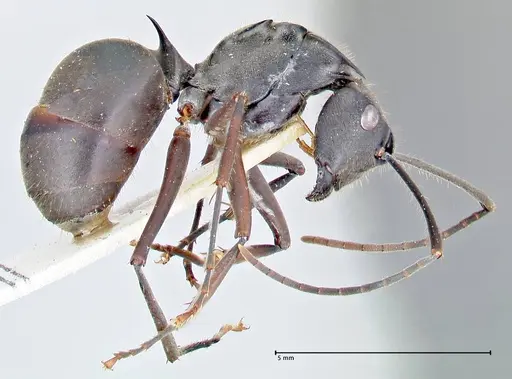
FOCOL2639
View on AntWeb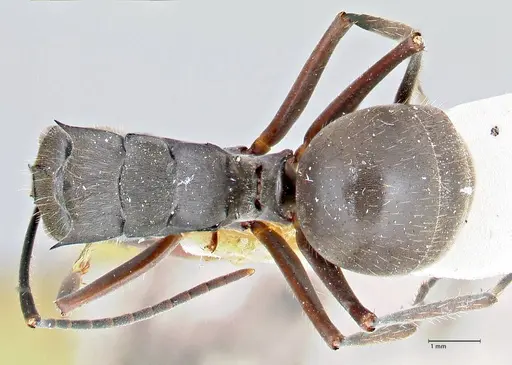
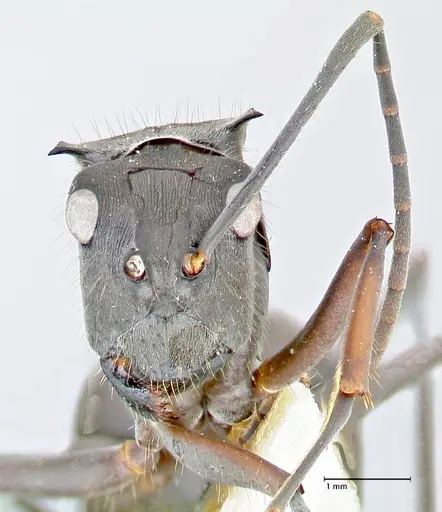
FOCOL2640
View on AntWeb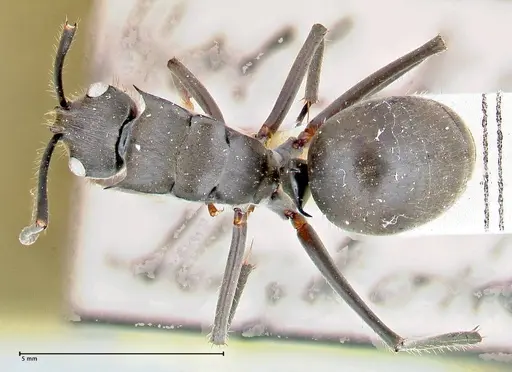
Literature
Loading distribution map...Loading products...