
Polyrhachis solmsi
- Sci. Name
- Polyrhachis solmsi
- Subgenus
- Myrmatopa
- Tribe
- Camponotini
- Subfamily
- Formicinae
- Author
- Emery, 1887
- Distribution
- Found in 2 countries
Introduction
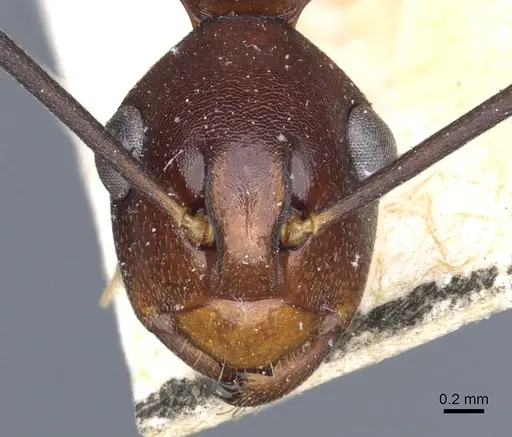
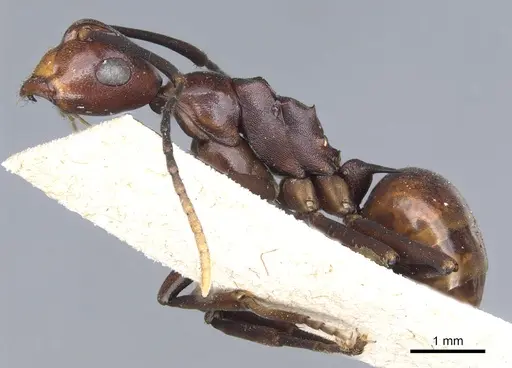
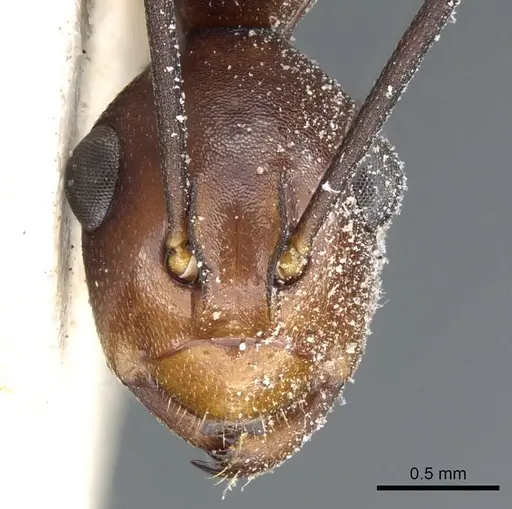
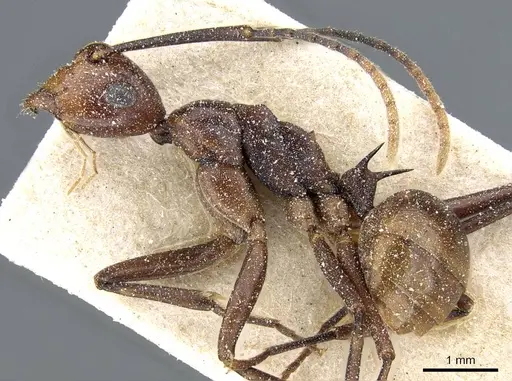
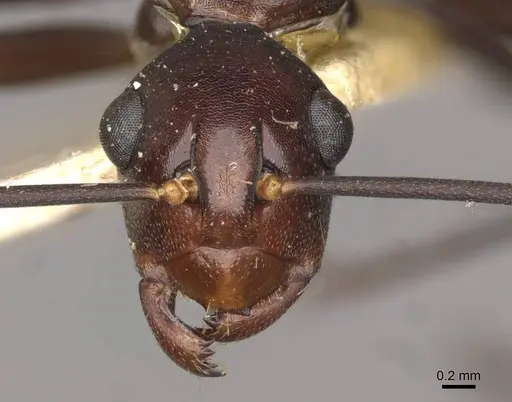
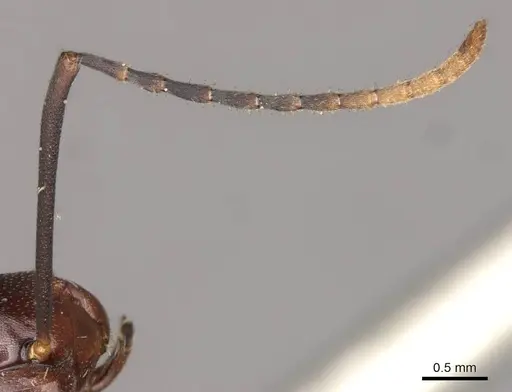
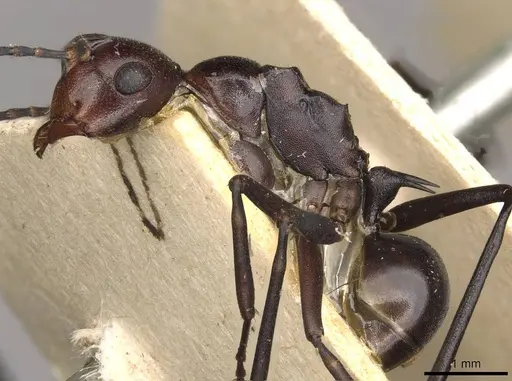
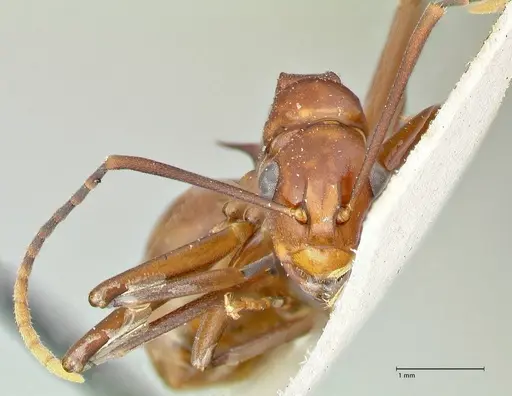
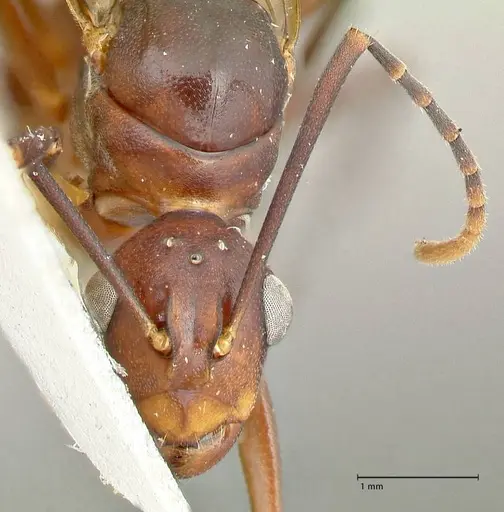
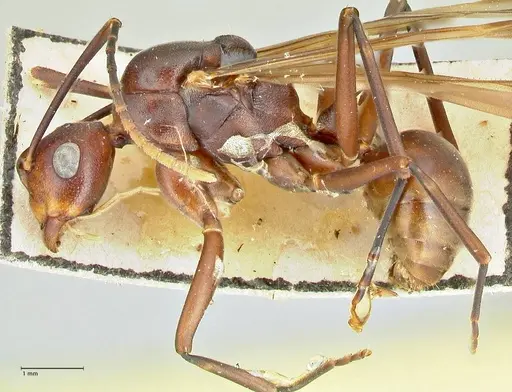
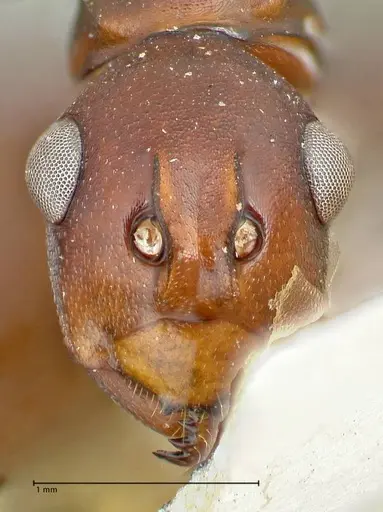
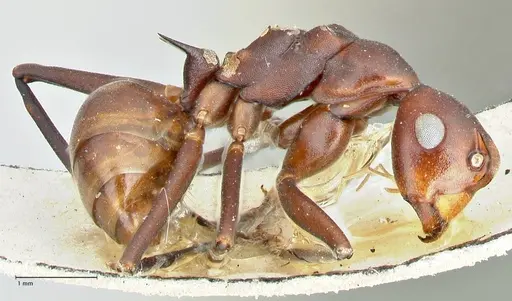
Polyrhachis solmsi is a medium-sized arboreal ant native to Indonesia, including Java, Borneo, and Sulawesi . Workers measure 9 mm and have distinctive dorsal spines on the thorax, including two strong triangular teeth on the metanotum . Like all Formicinae, they lack a stinger and defend by spraying formic acid. This species builds tiny carton nests on the underside of tree leaves using silk and plant material . It was originally described as Polyrhachis alexandri and has subspecies P. solmsi multicella .
Quick Summary
- Difficulty: Medium
- Origin & Habitat: Native to Indonesia, specifically Java, Borneo, and Sulawesi. This is a tropical arboreal species that nests in trees, building carton nests on the underside of leaves [3][5].
- Colony Type: Colony structure is unconfirmed. Wild observations show founding nests with multiple dealate queens, but established colony queen number is unknown [3].
- Size & Growth:
- Queen: Size data unavailable
- Worker: 9 mm [3]
- Colony: Unknown, no documented maximum colony size
- Growth: Moderate, inferred from related Polyrhachis species
- Development: Estimated 6-10 weeks at tropical temperatures, based on genus patterns (Pupal cocoons are present [4]. Development time is estimated as no specific study exists for this species.)
- Antkeeping:
- Temperature: Keep warm, roughly 24-28°C, based on tropical habitat [2].
- Humidity: Keep nest substrate consistently moist but not waterlogged, with good ventilation [2].
- Diapause: No, tropical species do not require hibernation [2].
- Nesting: Arboreal setup essential. Provide vertical space with branches or plants. Use nest types like Y-tong, plaster, or 3D-printed nests with arboreal design [3][4][5].
- Behavior: Generally peaceful but defensive. Workers spray formic acid when threatened. Escape risk moderate due to size, use standard barriers. Arboreal by nature [2][4].
- Common Issues: temperatures below 20°C can cause colony decline, arboreal setup requires more space and complexity than ground-nesting species, carton nests can develop mold if humidity is too high without ventilation, multiple founding queens may fight if space is insufficient during establishment, wild-caught colonies may carry parasites that can devastate captive populations
Nest Preferences and Housing
Polyrhachis solmsi is an arboreal species, meaning it naturally lives in trees and builds nests above ground rather than in soil [4]. In the wild, they construct small carton nests on the underside of leaves using a mixture of plant fibers and silk-like material [3]. The nests are relatively simple, dome-shaped structures that house the queen(s) and developing brood.
For captive care, you'll need to replicate this arboreal lifestyle. A naturalistic setup with live plants, branches, and cork bark works best. The ants will build their own carton structures if given appropriate materials. For simpler setups, use nests made of Y-tong, plaster, or 3D-printed materials with vertical chambers and branches for them to walk on. Test tubes can work for founding colonies but will quickly become inadequate as the colony grows, these ants need vertical space.
Keep the nest humid but ensure good ventilation. Stagnant, overly moist air leads to mold that can destroy their carton nests. A fine mist spray bottle works well for rehydration without flooding the setup [5].
Feeding and Diet
Polyrhachis ants are omnivorous, similar to their close relatives in the genus Polyrhachis. In captivity, they readily accept sugar sources such as honey water, sugar water, or commercial ant nectar. For protein, offer small insects like fruit flies, small crickets, mealworms, or other appropriately sized prey.
Feed sugar sources constantly, a small dish or cotton ball with honey water should be available at all times. Protein should be offered 2-3 times per week, with the amount scaled to your colony size. Remove uneaten prey after 24-48 hours to prevent mold. These ants are foragers and will send workers out to collect food, so ensure they have easy access to feeding stations.
As a tropical species, they may have higher energy requirements, maintaining warm temperatures year-round means their metabolism stays active and they consume food regularly throughout the year rather than having seasonal slowdowns. [2]
Temperature and Seasonal Care
As a tropical Indonesian species, Polyrhachis solmsi requires warm temperatures. Keep them roughly between 24-28°C (75-82°F). They do not tolerate cool conditions, temperatures below 20°C can stress the colony and slow or stop brood development entirely. Room temperature may be insufficient in cooler climates, so use a heating cable or heat mat to maintain warmth.
Place the heating element on one side of the nest to create a temperature gradient, allowing ants to regulate their own body temperature by moving between warmer and cooler areas. Never place heat directly under water reservoirs as it causes rapid evaporation.
Unlike temperate species, P. solmsi does not require hibernation or diapause. Maintain consistent tropical conditions year-round. This means higher year-round food consumption compared to species that slow down in winter. Monitor humidity as heating elements can dry out the nest, rehydrate when the substrate surface appears dry [2].
Defense and Handling
Polyrhachis solmsi belongs to the subfamily Formicinae, which means they lack a functional stinger. Instead, like other Formicinae, they defend themselves by spraying formic acid, a irritating chemical that can cause discomfort if it contacts skin or eyes. The spray is not dangerous to humans but can be unpleasant.
When handling these ants or working with the colony, work in a well-ventilated area and avoid getting formic acid on your skin. Wash hands thoroughly after any contact.
In terms of temperament, these ants are not particularly aggressive but will defend their nest if threatened. Workers are moderately active and good at exploring their environment. Their moderate size makes them easier to handle than many tiny ant species, and standard escape prevention methods work well.
Colony Founding
Colony founding in Polyrhachis solmsi has been observed in the wild. One study documented a small carton nest in early stages of formation containing two dealate (wingless) queens [3]. This suggests possible pleometrosis (multiple queens founding together) or sequential queen adoption.
For captive founding, provide a claustral setup, a test tube or small container with moist substrate, kept warm and undisturbed. The queen will seal herself in and emerge with her first workers 6-10 weeks later, depending on temperature. If you have multiple founding queens, monitor for aggression as colonies establish.
Frequently Asked Questions
Can I keep Polyrhachis solmsi in a test tube?
Test tubes work for founding colonies but are not ideal long-term. This is an arboreal species that naturally builds nests in trees, so they need vertical space with branches or plants as they grow. Move them to a naturalistic or arboreal setup once the colony reaches 10-20 workers [3][4].
How long does it take for Polyrhachis solmsi to produce first workers?
Estimated 6-10 weeks from egg to first worker at optimal tropical temperatures (24-28°C). This is based on related Polyrhachis species, as no specific development study exists for P. solmsi. Cooler temperatures will significantly slow development.
What temperature do Polyrhachis solmsi need?
Keep them warm at roughly 24-28°C (75-82°F). These are tropical ants that do not tolerate cool conditions. Use a heating cable on one side of the nest to maintain warmth, especially in cooler climates or air-conditioned rooms [2].
Are Polyrhachis solmsi good for beginners?
They are rated as medium difficulty. The main challenges are their need for tropical warmth year-round and their arboreal housing requirements. If you're comfortable maintaining consistent temperatures and can provide a more complex setup than simple test tubes, they are manageable for beginners.
Do Polyrhachis solmsi need hibernation?
No. As a tropical species from Indonesia, they do not require hibernation or diapause. Maintain warm temperatures year-round, this also means they remain active and hungry throughout the year unlike temperate species [2].
What do Polyrhachis solmsi eat?
They are omnivorous. Offer constant access to sugar sources (honey water, sugar water, or commercial ant nectar) and protein 2-3 times per week (small insects like fruit flies, crickets, or mealworms). Remove uneaten prey after 24-48 hours to prevent mold.
How big do Polyrhachis solmsi colonies get?
The maximum colony size is not documented in scientific literature. Based on related Polyrhachis species, colonies likely reach several hundred to over a thousand workers. They are a moderately sized ant with 9mm workers [3].
Can I keep multiple Polyrhachis solmsi queens together?
The colony structure is not fully confirmed. Wild observations show founding nests with multiple queens, suggesting possible pleometrosis or polygynous founding. However, established colony structure (whether single or multi-queen) is unknown. Proceed with caution when combining unrelated queens, provide ample space and monitor for aggression [3].
Why are my Polyrhachis solmsi dying?
Common causes include: temperatures below 20°C (tropical species are sensitive to cold), low humidity or drying out, mold in the nest from poor ventilation, or stress from disturbance during founding. Also check for parasites in wild-caught colonies. Ensure warm, humid conditions with good airflow [2].
Report an Issue
The current care sheet is based fully on literature. See inconsistencies, or something that's incorrect? Please , it will be resolved after review from an admin. Contributing to the blogs tab also helps providing information, to make us be able to further improve the caresheets. Thank you for your support!
References

This caresheet is licensed under CC BY-SA 4.0 .
Community Blogs
CASENT0903308
View on AntWeb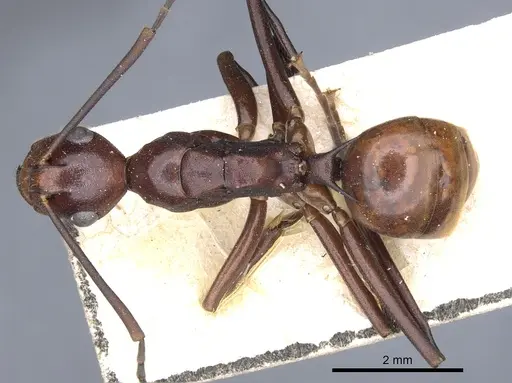
CASENT0905557
View on AntWeb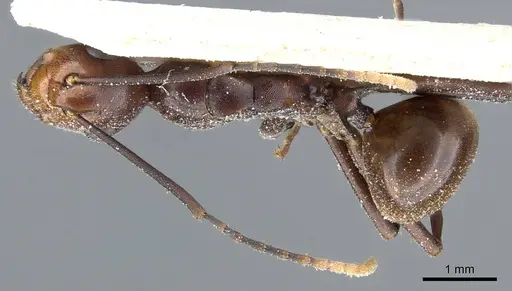
CASENT0910790
View on AntWeb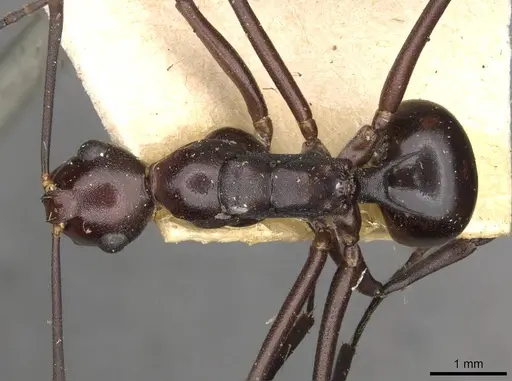
FOCOL2548
View on AntWeb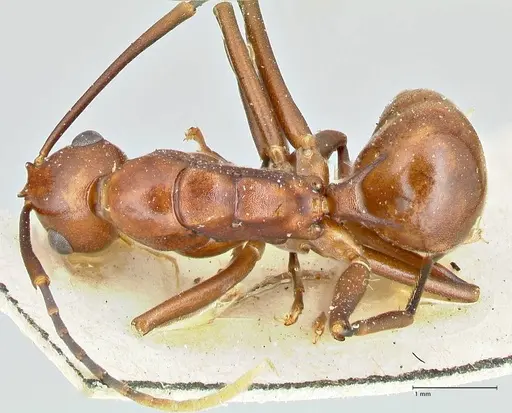
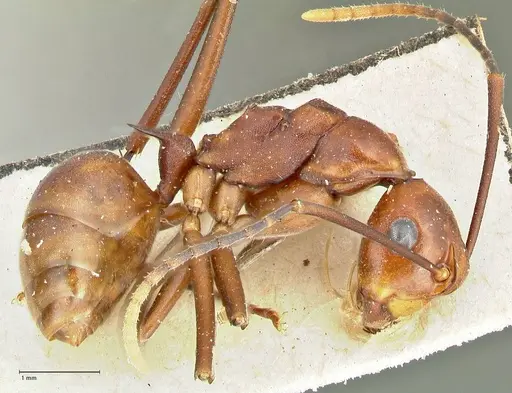
FOCOL2549
View on AntWeb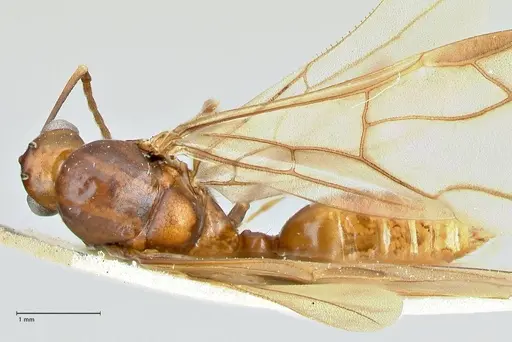
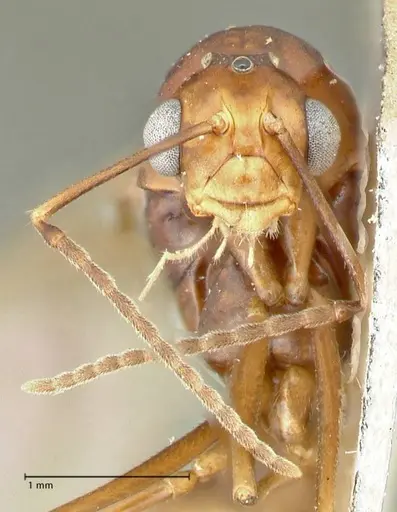
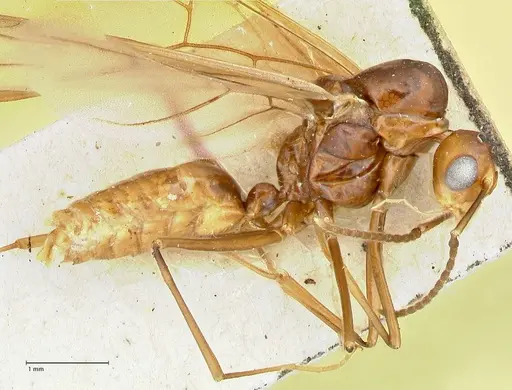
FOCOL2550
View on AntWeb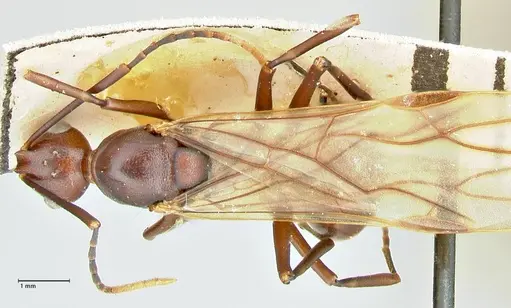
FOCOL2551
View on AntWeb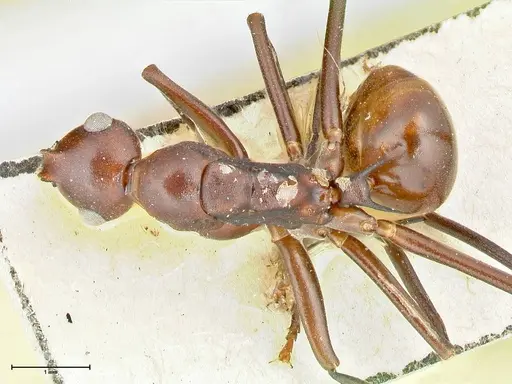
Literature
Loading distribution map...Loading products...