
Polyrhachis sculpturata
- Sci. Name
- Polyrhachis sculpturata
- Subgenus
- Myrma
- Tribe
- Camponotini
- Subfamily
- Formicinae
- Author
- Smith, 1860
- Distribution
- Found in 1 countries
Introduction
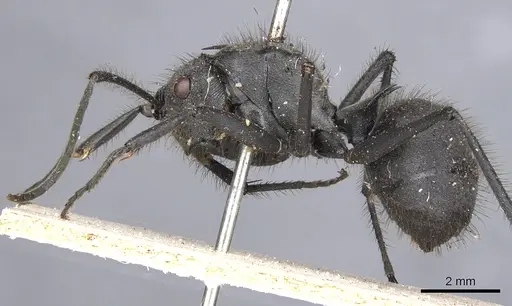
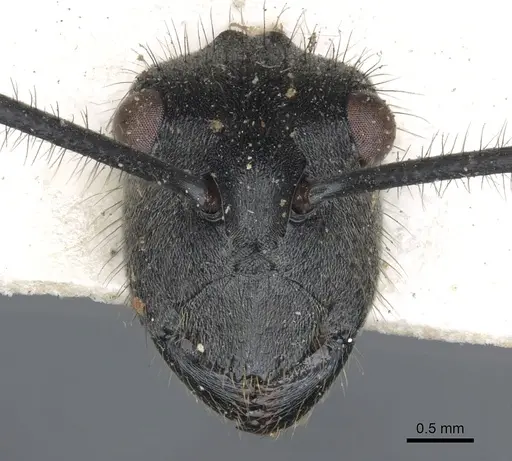
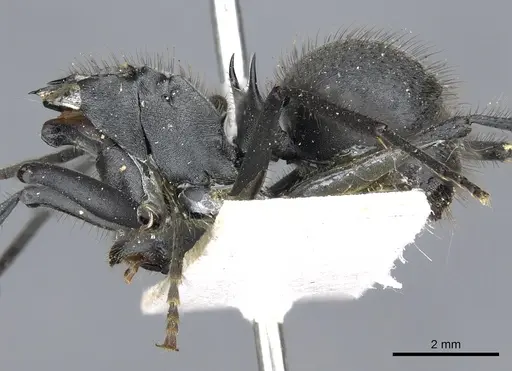
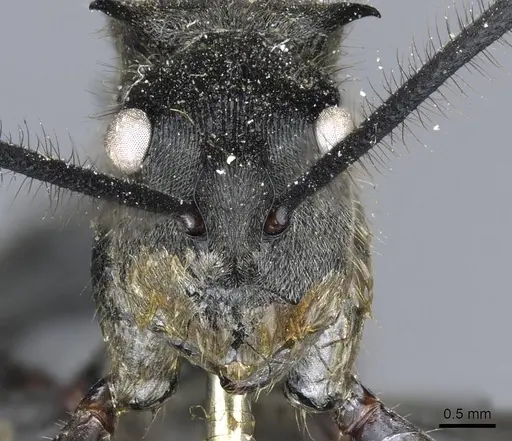
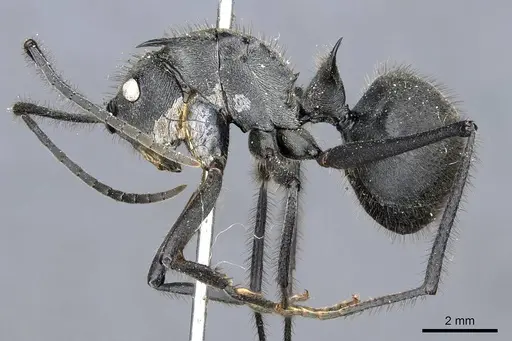
Polyrhachis sculpturata is a medium-sized ant in the relucens species-group of the subgenus Myrma . The species name refers to the roughened surface texture on their bodies. They display the characteristic spines on the thorax typical of Polyrhachis ants. Direct body size measurements are unavailable, but workers likely fall around 6 to 10mm based on Polyrhachis genus patterns . Queens are likely larger, around 10 to 14mm . You can find this species across the Indomalaya region, including Borneo, India, Indonesia, Malaysia, and the Philippines . They live in warm broadleaved forests and even adapt to built-up areas at elevations between 700 and 1400 meters . This tropical ant makes a steady project for keepers who can maintain warm, stable conditions.
Quick Summary
- Difficulty: Medium
- Origin & Habitat: Warm broadleaved forests and built-up areas across the Indomalaya region (Borneo, India, Indonesia, Malaysia, Philippines, Sulawesi) at elevations of 700 to 1400 meters [5][3][4][2].
- Colony Type: Colony structure is unconfirmed. Based on typical Polyrhachis (Myrma) patterns, they likely form single-queen colonies.
- Size & Growth:
- Queen: size data unavailable, inferred from Polyrhachis genus (~10-14mm)
- Worker: size data unavailable, inferred from Polyrhachis genus (~6-10mm)
- Colony: Up to a few thousand workers (estimated)
- Growth: Moderate
- Development: Estimated 6-8 weeks at stable tropical temperatures, actual timing is unconfirmed. (Development speed depends on consistent warmth and steady food supply.)
- Antkeeping:
- Temperature: Keep warm and stable, roughly low-to-mid 20s°C to high 20s°C. Tropical species need consistent heat. Use a heating cable on one side of the nest if your room runs cooler.
- Humidity: Keep the nest substrate consistently moist but not waterlogged. Provide a small moist area in the nest while keeping the rest drier.
- Diapause: No. As a tropical species, they do not need winter dormancy. Activity may slow slightly during cooler months, but you should keep them above 20°C year-round.
- Nesting: They nest in rotting wood, under bark, and in soil cavities [2]. In captivity, a Y-tong (AAC) nest, plaster nest, or 3D-printed nest works best. Provide damp substrate like soil or coco fiber.
- Behavior: Generally calm and non-aggressive. Workers forage actively but do not show extreme defensiveness. Escape risk is low to moderate. Use standard escape prevention like Fluon on container edges. They accept a wide range of foods and locate prey quickly.
- Common Issues: temperature drops below 20°C can stress or kill the colony, poor ventilation causes mold in humid nests, wild-caught colonies may carry parasites that cause failure, sugar alone is insufficient, they need regular protein, founders may fail if disturbed during the initial brood stage
Housing and Nest Setup
They nest in rotting wood, under bark, and in soil cavities [2]. You can house them in a Y-tong (AAC) nest, a plaster nest, or a 3D-printed nest. Provide chambers that give them room to move without crushing their thoracic spines. A naturalistic setup with rotting wood pieces, leaf litter, and damp soil mimics their forest floor habitat. Keep the substrate damp but not soggy. A water tube in the outworld provides drinking water. Start with a test tube setup for founding colonies. Move them to a larger formicarium once the colony reaches a manageable size.
Feeding and Diet
They are omnivorous and accept a varied diet. Offer sugar water or honey regularly for energy. Provide small insects like fruit flies, small crickets, or mealworms for protein. They hunt live prey actively in the outworld. Feed protein two to three times per week. Keep sugar water available at all times. Remove uneaten prey after 24 to 48 hours to prevent mold. They occasionally accept fresh fruit but do not require it.
Temperature and Humidity Control
This species comes from Southeast Asia and needs warm, humid conditions. Keep temperatures between 24 and 28°C year-round. A slight temperature gradient in the nest lets workers choose their preferred zone. Use a heating cable or mat on one side if your room runs cooler. Maintain high humidity by keeping the nest substrate consistently damp. Provide a humidity gradient with one small moist area and drier zones. Good ventilation prevents mold while keeping moisture levels stable.
Colony Founding and Early Development
Founding behavior is unconfirmed. Keep the queen undisturbed until workers emerge. The first workers (nanitics) will begin foraging to feed the developing brood. The colony grows gradually at first. Do not expect rapid expansion. Keep founding colonies in dark, quiet locations. Feed the first workers small amounts of sugar water and tiny prey items.
Behavior and Temperament
Workers are active and alert but not particularly aggressive. They investigate the outworld for food and defend the nest if threatened. They do not exhibit extreme defensiveness. Workers communicate using chemical trails and recruit nestmates to food sources efficiently. They are good climbers and may explore vertical surfaces. The thoracic spines give them a distinctive look and likely deter predators. Overall, they are a manageable species for keepers who maintain tropical conditions consistently.
Frequently Asked Questions
How long does it take for Polyrhachis sculpturata to produce first workers?
Expect first workers to emerge in approximately 6 to 8 weeks after the queen lays eggs, assuming stable tropical temperatures. Actual timing is unconfirmed. Keep the queen undisturbed during this phase.
What temperature do Polyrhachis sculpturata ants need?
Keep them at 24 to 28°C consistently. This tropical species is sensitive to cold. Do not expose them to temperatures below 20°C for extended periods. Use a heating cable or mat if your room runs cooler.
Do Polyrhachis sculpturata ants need hibernation?
No. As a tropical species from Southeast Asia, they remain active year-round with consistent warmth. You may notice slightly reduced activity during cooler months, but no formal diapause is needed.
What do Polyrhachis sculpturata ants eat?
They are omnivorous. Offer sugar water or honey as a constant energy source. Provide protein like small insects two to three times per week. They will hunt live prey actively.
How big do Polyrhachis sculpturata colonies get?
Based on related species, colonies likely reach up to a few thousand workers over several years. Growth is moderate. Do not expect rapid expansion during the first year.
Are Polyrhachis sculpturata ants aggressive?
No. They are generally calm and non-aggressive. They will defend the colony if directly threatened but do not exhibit raiding behavior. They suit keepers who want an active but manageable species.
Can I keep multiple Polyrhachis sculpturata queens together?
This has not been documented for this specific species. Based on typical Polyrhachis (Myrma) patterns, they likely form single-queen colonies. Do not attempt to combine unrelated foundress queens. They will likely fight.
What humidity level do Polyrhachis sculpturata need?
Maintain high humidity. Keep the nest substrate consistently damp but not waterlogged. Provide a small moist area in the nest while keeping the rest drier. A water tube in the outworld provides drinking water. Good ventilation helps prevent mold.
Is Polyrhachis sculpturata good for beginners?
This species rates as Medium difficulty. It requires stable tropical conditions that beginners must maintain consistently. If you can keep temperatures in the 24 to 28°C range reliably, this species is achievable for intermediate keepers.
When should I move my Polyrhachis sculpturata colony to a formicarium?
Move them once the colony reaches a manageable size and the test tube setup becomes cramped. Ensure the new formicarium has appropriately sized chambers and maintains the same damp, warm conditions.
Why is my Polyrhachis sculpturata colony declining?
Common causes include temperatures below 20°C, insufficient humidity, lack of protein in the diet, mold from poor ventilation, or parasites from wild-caught colonies. Check all environmental parameters and ensure the queen is still laying eggs.
Report an Issue
The current care sheet is based fully on literature. See inconsistencies, or something that's incorrect? Please , it will be resolved after review from an admin. Contributing to the blogs tab also helps providing information, to make us be able to further improve the caresheets. Thank you for your support!
References

This caresheet is licensed under CC BY-SA 4.0 .
Community Blogs
CASENT0901827
View on AntWeb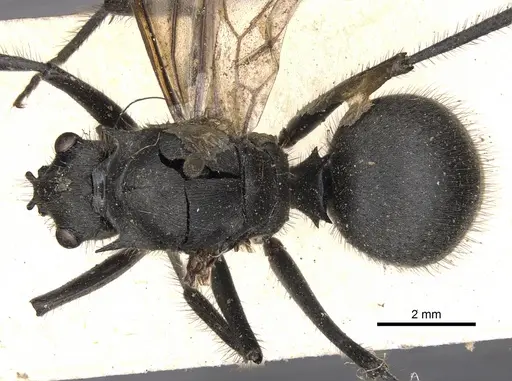
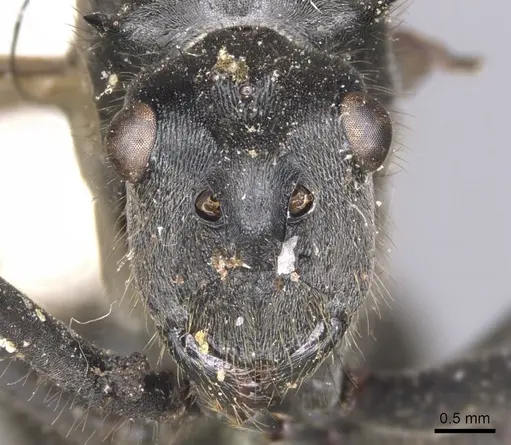
CASENT0901828
View on AntWeb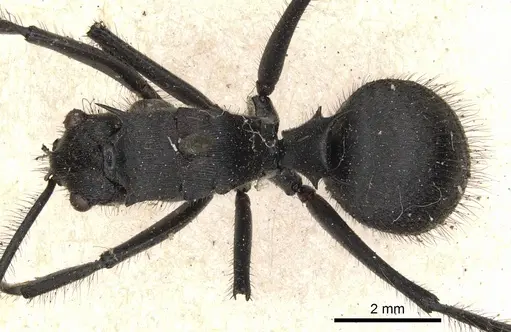
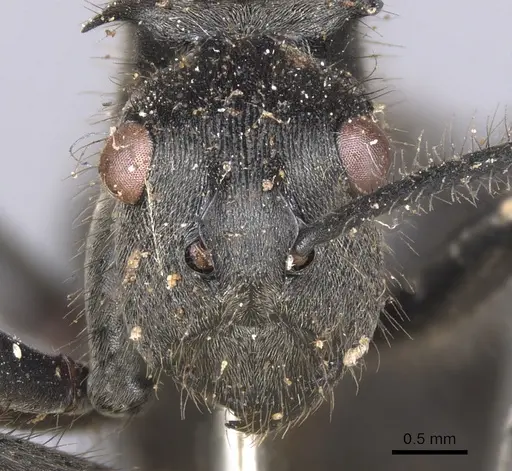
CASENT0903448
View on AntWeb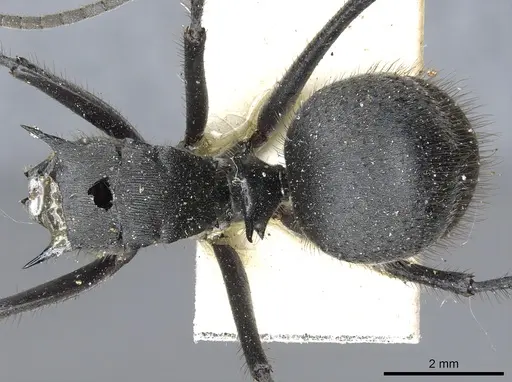
CASENT0905606
View on AntWeb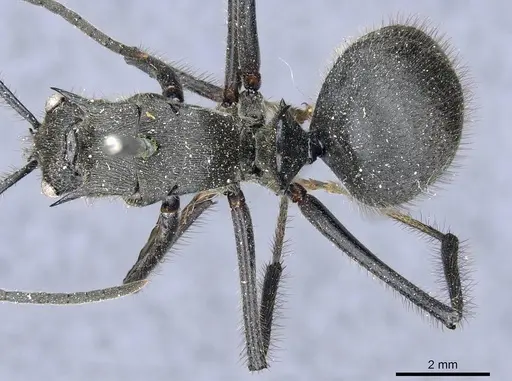
Literature
Loading distribution map...Loading products...