
Polyrhachis schwiedlandi
- Sci. Name
- Polyrhachis schwiedlandi
- Subgenus
- Campomyrma
- Tribe
- Camponotini
- Subfamily
- Formicinae
- Author
- Forel, 1902
- Distribution
- Found in 1 countries
Introduction
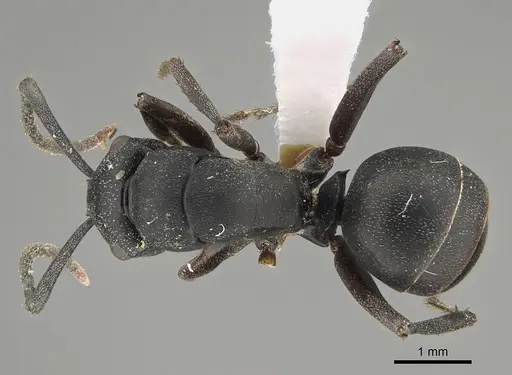
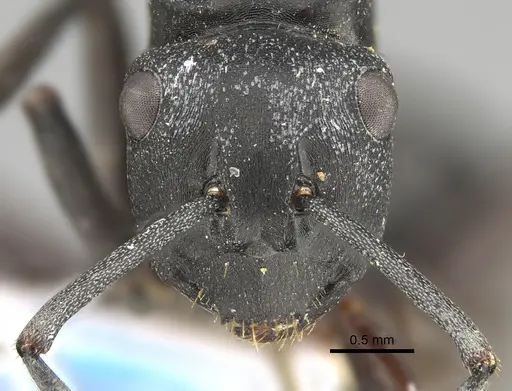
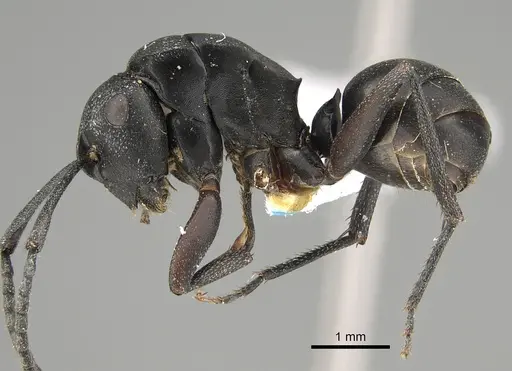
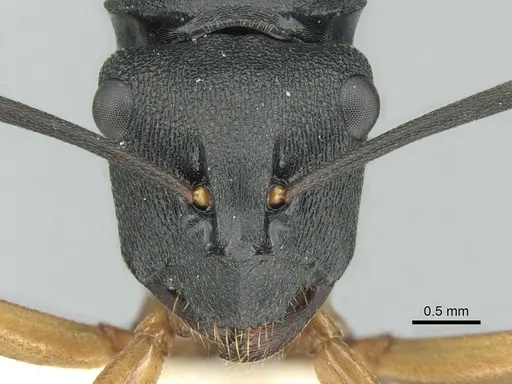
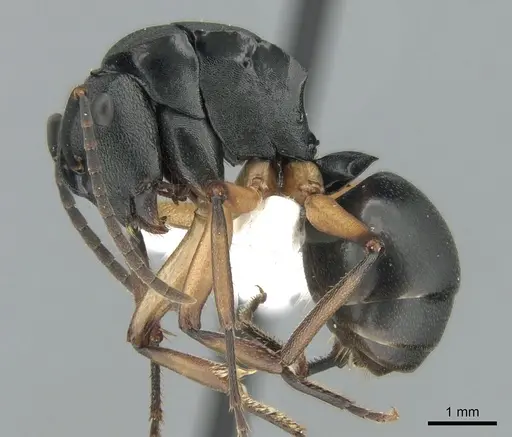
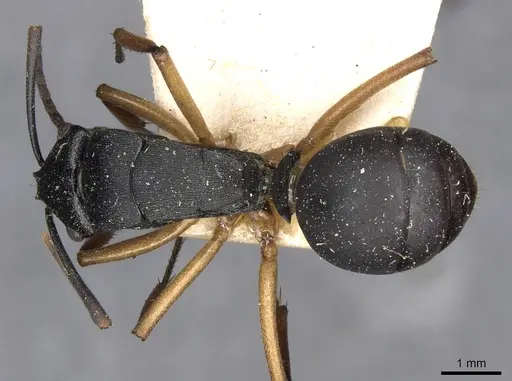
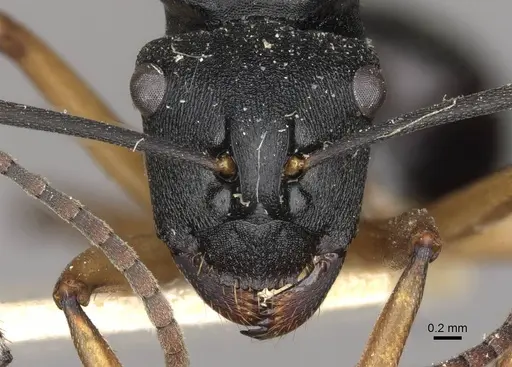
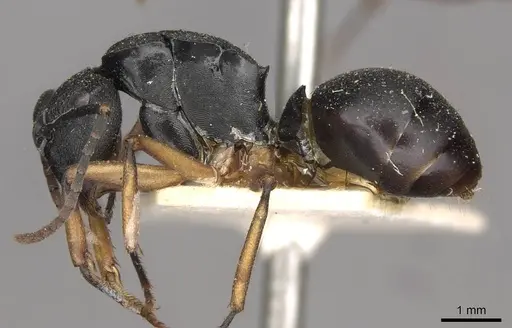
Polyrhachis schwiedlandi is an Australian ant species belonging to the subgenus Campomyrma . Workers are relatively small with a distinctive carina extending from the posterior margin of the eye to the vertex of the head capsule, and an unarmed petiolar node . They are subterranean nesters, building colonies underground . As Formicinae, they lack a sting and defend themselves by spraying formic acid.
Quick Summary
- Difficulty: Unknown, limited keeper data available
- Origin & Habitat: Australia, primarily recorded from New South Wales though the true range is likely more extensive than current records show [2]. As a subterranean species, they inhabit soil in forested or shaded areas.
- Colony Type: Colony structure is unconfirmed, likely monogyne (single queen) based on typical Polyrhachis patterns, but not directly studied.
- Size & Growth:
- Queen: size data unavailable
- Worker: size data unavailable
- Colony: Unknown
- Growth: Unknown
- Development: Unknown, no development data available for this species (Development timeline has not been studied.)
- Antkeeping:
- Temperature: Unknown, no specific data. Based on Australian distribution [2], start around 22-24°C and observe colony activity.
- Humidity: Keep nest substrate consistently moist but not waterlogged, based on subterranean nesting [1][3].
- Diapause: Unknown, Australian species may not require true hibernation.
- Nesting: Subterranean nesters, provide soil or moisture-retaining nest like Y-tong or plaster [1][3].
- Behavior: Temperament unconfirmed. As subterranean ants, they may be less aggressive and defensive of their nest. Defense mechanism: spray formic acid (subfamily Formicinae). Escape risk is moderate. They spin cocoons around their pupae [1][3].
- Common Issues: improper humidity can cause desiccation and colony death., disturbing pupae during cocoon stage can damage development., wild-caught colonies may carry parasites difficult to treat., limited species-specific data requires careful observation.
Nesting Preferences
Polyrhachis schwiedlandi is a subterranean nesting species, meaning they naturally build their colonies in soil underground [1][3]. In captivity, provide a nest setup that allows digging in moist substrate, such as a naturalistic soil chamber or a Y-tong/plaster nest that retains moisture [2]. Avoid dry setups to prevent colony stress.
Unique Cocoon Behavior
Workers spin cocoons around their pupae, which is unusual for Formicinae [1][3]. Avoid disturbing the nest during pupal stage to prevent damage to developing ants.
Identification and Distinguishing Features
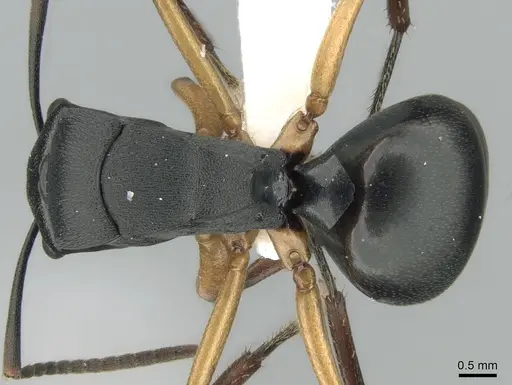
Workers can be identified by a carina from the eye to the head vertex, slightly excavate gena, and unarmed petiolar node [2]. These features distinguish them from other Polyrhachis species.
Feeding and Diet
Specific dietary requirements are unknown. Based on typical Polyrhachis behavior, they are likely omnivorous, accepting sugary liquids and protein sources. Offer standard ant foods and observe preferences.
Temperature and Seasonal Care
No specific temperature requirements documented. Based on Australian distribution [2], start at 22-24°C and adjust based on colony behavior.
Colony Establishment and Growth
Founding behavior is unconfirmed. Most Polyrhachis are claustral, but this species has not been studied. Colony growth rate is unknown.
Frequently Asked Questions
How long does it take for Polyrhachis schwiedlandi to produce first workers?
The egg-to-worker timeline is unknown. Based on typical Polyrhachis patterns, it may take several months, but no data exists for this species.
What type of nest should I use for Polyrhachis schwiedlandi?
Provide a subterranean nest with moist soil or a moisture-retaining nest like Y-tong or plaster [1][3].
Are Polyrhachis schwiedlandi good for beginners?
Not ideal due to limited species-specific data. Experienced keepers may manage with careful observation.
How big do Polyrhachis schwiedlandi colonies get?
Colony size is unknown.
What do Polyrhachis schwiedlandi eat?
Dietary preferences are unknown, but they are likely omnivorous. Offer sugary liquids and protein sources.
Do I need to hibernate Polyrhachis schwiedlandi?
Diapause requirements are unknown. Australian species may not require hibernation.
Can I keep multiple queens together?
Colony structure is unconfirmed, likely monogyne. Combining queens is not recommended without study.
Why are my Polyrhachis schwiedlandi dying?
Common issues include improper humidity, disturbance during pupal stage, or parasites. Review care conditions.
When should I move them to a formicarium?
Move when the colony is cramped, but no specific data exists. Transfer all nest materials to minimize stress.
Report an Issue
The current care sheet is based fully on literature. See inconsistencies, or something that's incorrect? Please , it will be resolved after review from an admin. Contributing to the blogs tab also helps providing information, to make us be able to further improve the caresheets. Thank you for your support!
References

This caresheet is licensed under CC BY-SA 4.0 .
Community Blogs
Literature
Loading distribution map...Loading products...