
Silver Spiny Sugar Ant
Polyrhachis schlueteri
- Sci. Name
- Polyrhachis schlueteri
- Subgenus
- Myrma
- Tribe
- Camponotini
- Subfamily
- Formicinae
- Author
- Forel, 1886
- Common Name
- Silver Spiny Sugar Ant
- Distribution
- Found in 5 countries
Introduction
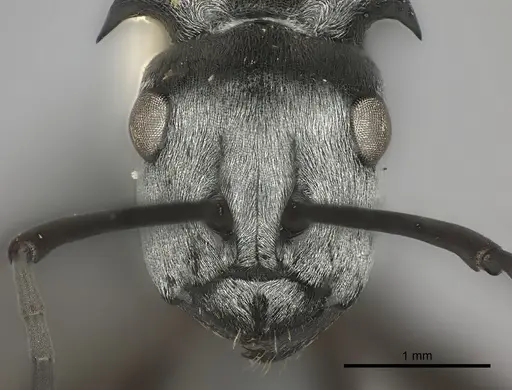
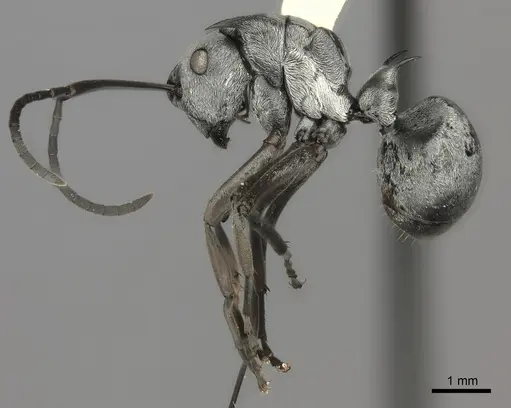
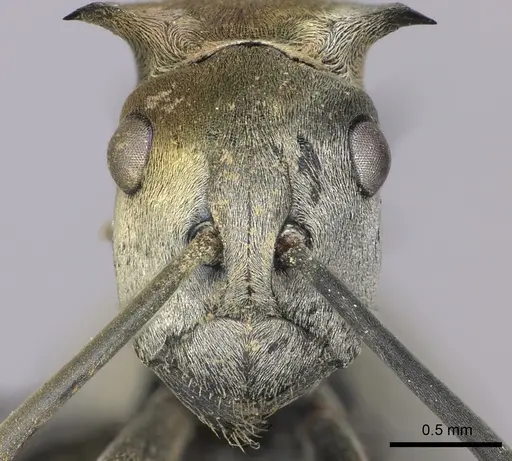
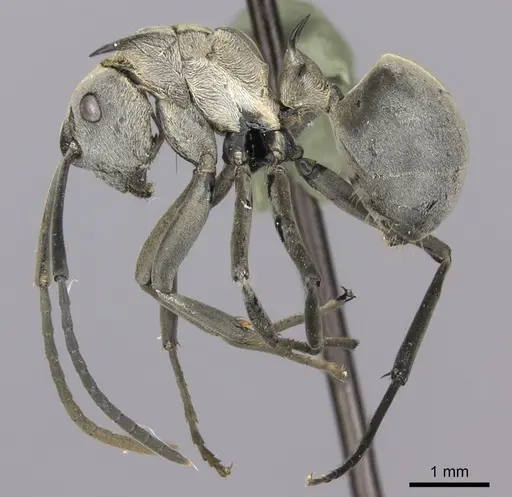
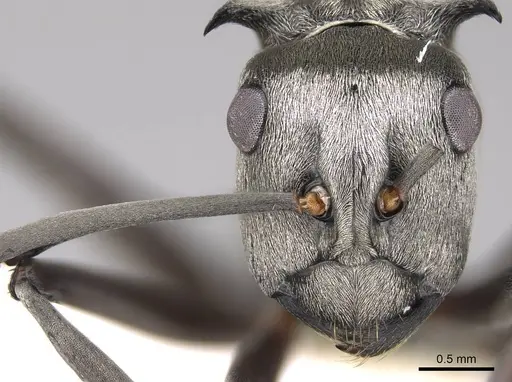
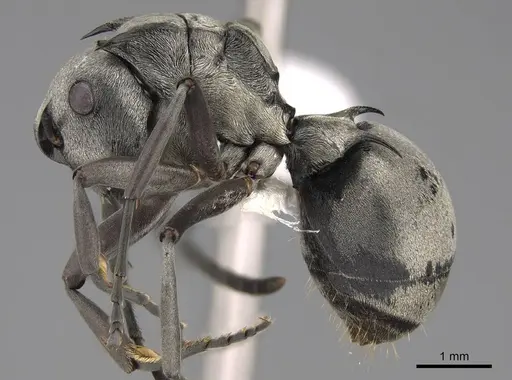
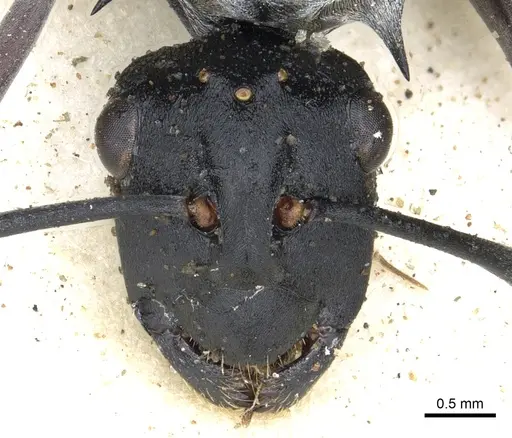
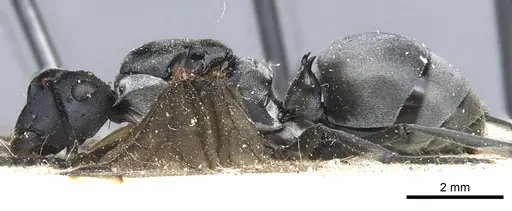
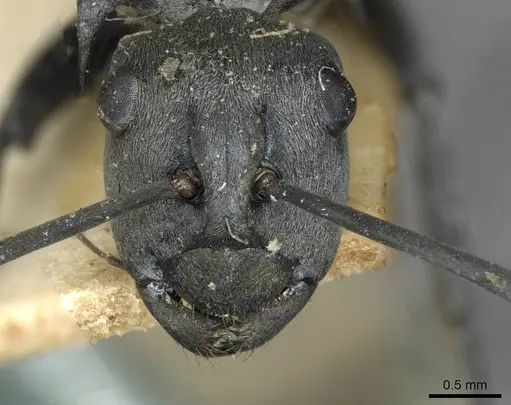
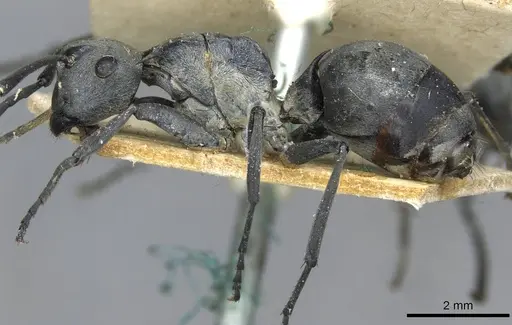
Polyrhachis schlueteri is a medium-sized African ant in the Formicinae subfamily. Workers measure 8.6-9.1 mm in total length , with a long-faced appearance due to eyes positioned far back on the head . The species has dense silver-grey pubescence and lacks standing hairs on the head, alitrunk, and gaster . It is found across the Afrotropical region including Kenya, Mozambique, South Africa, Tanzania, and Zimbabwe, inhabiting hot and moist localities . This species belongs to the Camponotini tribe, which has an obligate symbiotic relationship with Blochmannia bacteria that aids in nutrition . Unlike many ants, Polyrhachis schlueteri lacks a functional sting and instead sprays formic acid as a primary defense mechanism.
Quick Summary
- Difficulty: Medium
- Origin & Habitat: Afrotropical region, Kenya, Mozambique, South Africa, Tanzania, and Zimbabwe. Limited to hot and moist localities [1].
- Colony Type: Colony structure is unconfirmed. Based on related Polyrhachis species, likely monogyne (single queen), but this needs confirmation.
- Size & Growth:
- Antkeeping:
- Temperature: Keep at 24-28°C. They naturally inhabit hot, moist African localities [1]. A heating cable on one side creates a gradient.
- Humidity: Require high humidity. Keep nest substrate consistently damp but not waterlogged [1].
- Diapause: Unknown for this species.
- Nesting: In captivity, Y-tong or plaster nests work well. Provide enclosed nests with good humidity retention.
- Behavior: Generally calm and non-aggressive. Workers are active foragers. They lack a functional sting and spray formic acid as defense. Escape risk is moderate due to their size.
- Common Issues: mold growth if humidity is too high and ventilation poor., parasites in wild-caught colonies can be difficult to treat., limited captive care data requires adaptation from related species., diapause requirements unknown, may need trial and error., queen acceptance during founding can be challenging.
Housing and Nest Setup
Polyrhachis schlueteri does well in Y-tong or plaster nests that retain humidity. Their medium-large size means chambers should be appropriately sized. Connect a foraging area to the nest with access to protein and sugar sources. Nest material should hold humidity without waterlogging. Provide a water tube for drinking. Escape prevention is straightforward due to their size, but active workers can climb smooth surfaces. [1]
Feeding and Diet
They are omnivorous and accept both protein and sugar sources. Offer protein foods like mealworms or crickets twice weekly. Provide sugar water or honey constantly. Remove uneaten protein within 24-48 hours to prevent mold. [1]
Temperature and Seasonal Care
Maintain temperatures between 24-28°C in the nest area. A heating cable on one side creates a gradient. Avoid prolonged temperatures below 20°C. Humidity is important, aim for damp substrate. Diapause requirements are unknown, so observe colony behavior for reduced activity in winter. [1]
Colony Development
Queens are larger than workers, but exact measurements are undocumented. Founding behavior is unconfirmed. First workers emerge in an estimated 6-8 weeks at optimal temperature. Growth is moderate, colonies may take months to establish. [1]
Behavior and Temperament
Polyrhachis schlueteri is calm and not aggressive. Workers forage actively. They lack a sting and spray formic acid for defense. The dense silver-grey pubescence is a key visual feature. [1]
Frequently Asked Questions
How long does it take for Polyrhachis schlueteri to produce first workers?
Based on related species, expect 6-8 weeks from egg to first worker at optimal temperature (24-28°C). This is an estimate as no species-specific data exists.
What temperature do Polyrhachis schlueteri ants need?
Keep them at 24-28°C. They naturally inhabit hot, moist African localities [1].
Are Polyrhachis schlueteri good for beginners?
They are rated as medium difficulty due to higher humidity and warmth needs, but their calm temperament makes them manageable for experienced keepers.
What do Polyrhachis schlueteri eat?
They are omnivorous. Offer protein insects twice weekly and keep sugar water or honey available at all times.
How big do Polyrhachis schlueteri colonies get?
Colony size data is not available for this species.
Do Polyrhachis schlueteri need hibernation?
Diapause requirements are unknown. If the colony shows reduced activity in winter, a slight temperature reduction may be appropriate.
Can I keep multiple Polyrhachis schlueteri queens together?
Colony structure is unconfirmed. Based on related species, they are likely monogyne, so combining queens is not recommended without evidence.
What makes Polyrhachis schlueteri distinctive?
They are recognized by dense silver-grey pubescence and absence of standing hairs on the head, alitrunk, and gaster.
Where is Polyrhachis schlueteri found?
They are found in the Afrotropical region, including Kenya, Mozambique, South Africa, Tanzania, and Zimbabwe, in hot and moist localities.
Report an Issue
The current care sheet is based fully on literature. See inconsistencies, or something that's incorrect? Please , it will be resolved after review from an admin. Contributing to the blogs tab also helps providing information, to make us be able to further improve the caresheets. Thank you for your support!
References

This caresheet is licensed under CC BY-SA 4.0 .
Community Blogs
CASENT0217800
View on AntWeb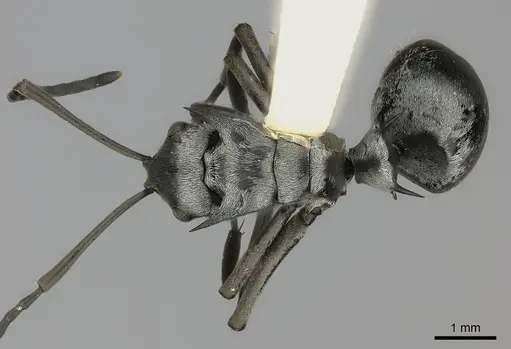
CASENT0235676
View on AntWeb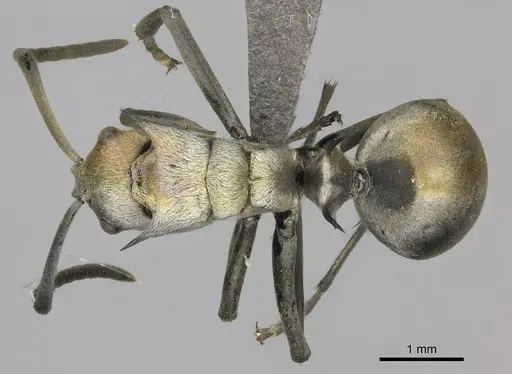
CASENT0281455
View on AntWeb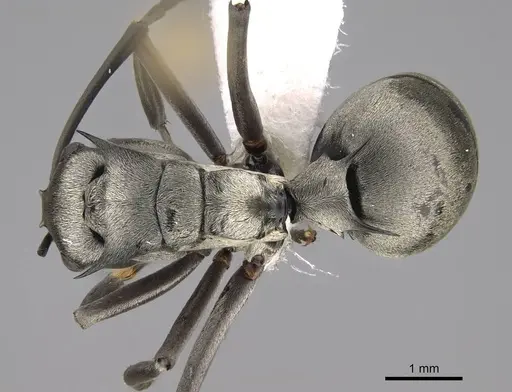
CASENT0903458
View on AntWeb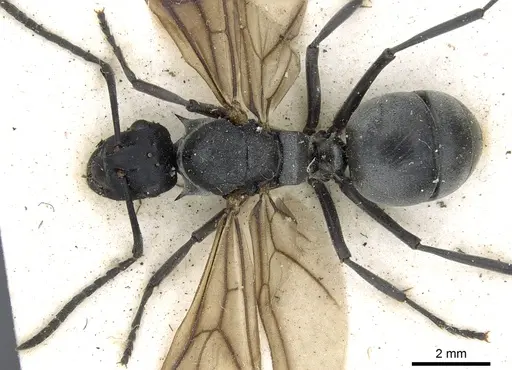
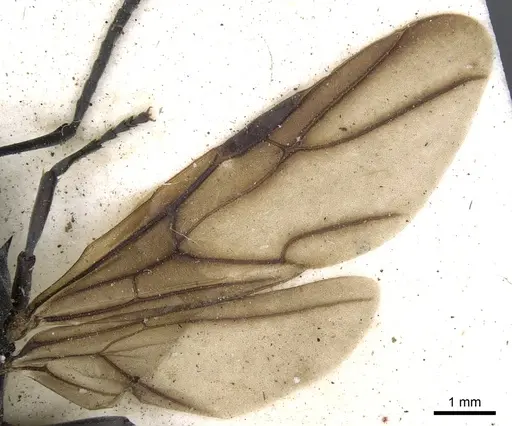
CASENT0910913
View on AntWeb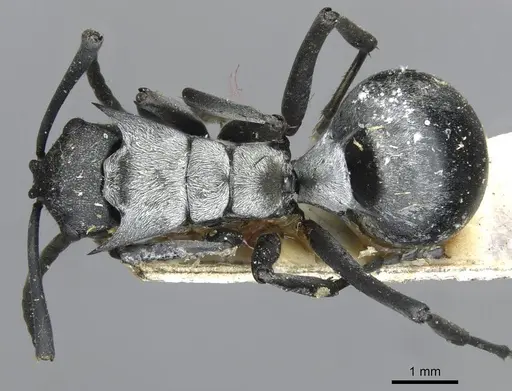
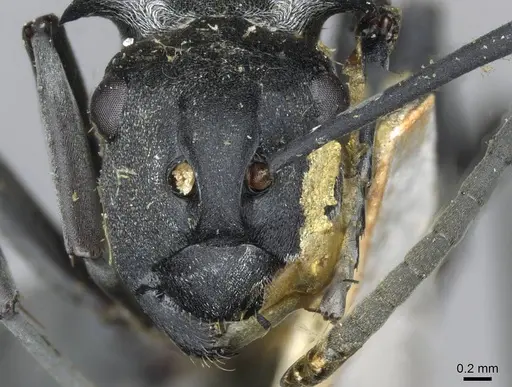
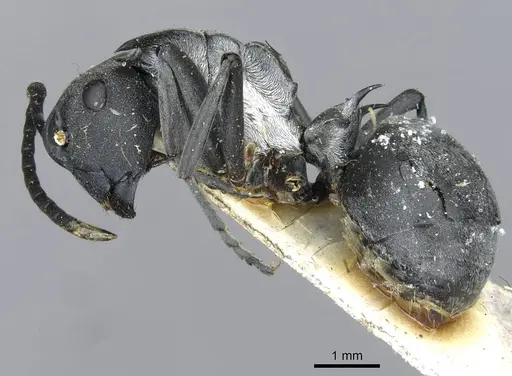
CASENT0910914
View on AntWeb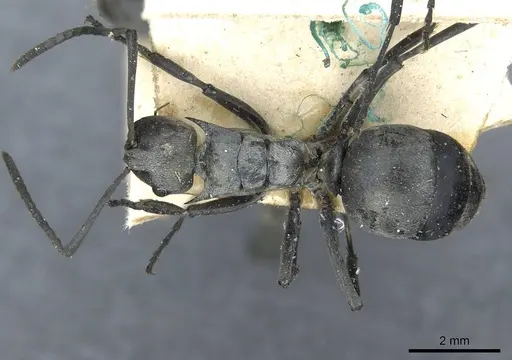
Literature
Loading distribution map...Loading products...