
Polyrhachis schang
- Sci. Name
- Polyrhachis schang
- Subgenus
- Myrmatopa
- Tribe
- Camponotini
- Subfamily
- Formicinae
- Author
- Forel, 1879
- Distribution
- Found in 1 countries
Introduction
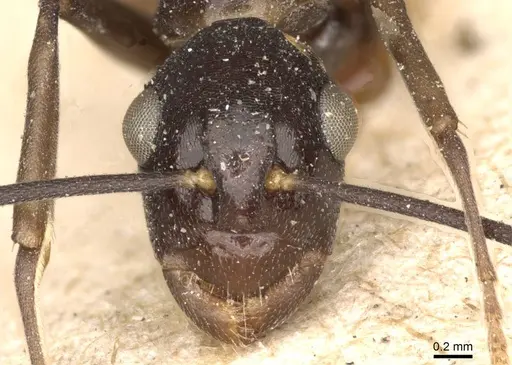
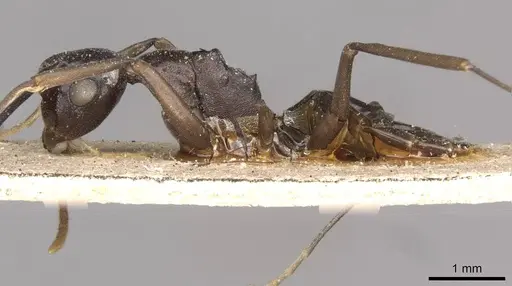
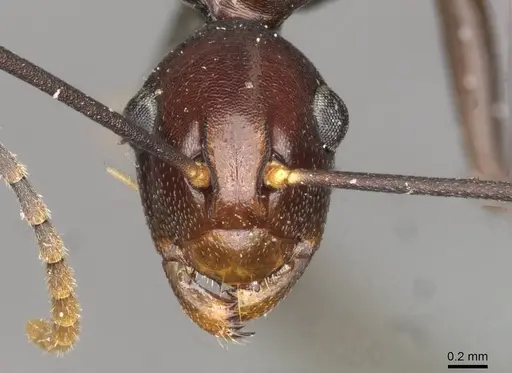
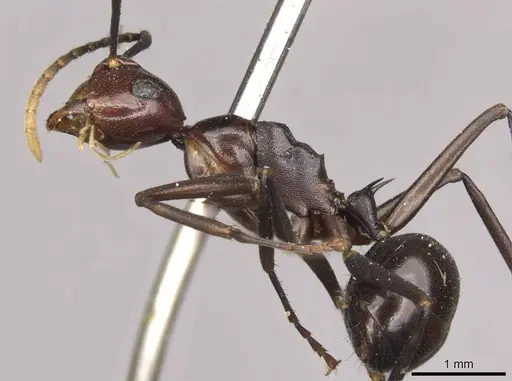
Polyrhachis schang is an arboreal ant species in the subgenus Myrmatopa, found in the Indomalaya and Palaearctic regions . Workers are active foragers in trees and vegetation . Size data for this species is not available in current literature. A distinctive trait is that pupae develop without cocoons, emerging as naked pupae .
Quick Summary
- Difficulty: Medium
- Origin & Habitat: Native to the Indomalaya region (Philippines) and Palaearctic region (southern China), nesting arboreally in trees and shrubs [1][2][3].
- Colony Type: Colony structure is unconfirmed. Based on typical Polyrhachis patterns, likely monogyne, but no species-specific research exists.
- Size & Growth:
- Queen: Size data unavailable, no total length measurements. Inferred from Polyrhachis genus as approximately 8-12 mm.
- Worker: Size data unavailable, inferred from Polyrhachis genus as approximately 5-8 mm.
- Colony: Size data unavailable, no specific records.
- Growth: Moderate, inferred from genus patterns.
- Development: Estimated 6-10 weeks at optimal temperature, inferred from genus patterns [2]. (Naked pupae may develop faster than cocooned species.)
- Antkeeping:
- Temperature: Keep nest areas at 24-28°C, based on tropical distribution [1].
- Humidity: Maintain moderate to high humidity, mimicking arboreal forest habitat [2][3].
- Diapause: No, species from tropical regions do not require hibernation.
- Nesting: Arboreal nests required. Use Y-tong or acrylic nests with elevated chambers [2][3].
- Behavior: Workers are active foragers, not aggressive but will defend nest. Escape risk due to moderate size, use secure barriers [2].
- Common Issues: temperatures below 20°C can harm the colony., improper humidity can lead to dehydration or mold., naked pupae are vulnerable to disturbance during transfers [2]., escape risk due to active foraging, ensure secure setup.
Nest Preferences and Housing
Polyrhachis schang is an arboreal species, meaning they naturally nest in elevated locations like trees and shrubs [2][3]. In captivity, use Y-tong (AAC) nests or custom acrylic setups with horizontal chambers. Provide enrichment like cork bark or twigs in the outworld to simulate their natural environment. They show flexibility in nest materials, using carton, silk, or none [2][3].
Unique Biology: Naked Pupae
A key trait of Polyrhachis schang is that pupae develop without cocoons, emerging as naked pupae [2]. This makes them more vulnerable to disturbance during nest maintenance. Handle brood gently and avoid transfers during major developmental stages.
Behavior and Escape Prevention
Workers are active foragers that explore their surroundings [2][3]. They are not aggressive toward keepers but will defend the nest. Escape prevention is important due to their moderate size, use fluon-coated barriers or tight-fitting lids.
Frequently Asked Questions
Can I keep Polyrhachis schang in a test tube setup?
Test tubes can work for founding colonies, but modify them with twigs or cork for arboreal needs. For established colonies, use Y-tong or acrylic nests [2][3].
When should I move my colony to a formicarium?
Move when the colony has around 30-50 workers and the test tube water is low. Choose a formicarium with horizontal chambers and provide arboreal enrichment [2][3].
What is the best nest type for Polyrhachis schang?
Y-tong (AAC) nests or acrylic setups with horizontal chambers are best, as they are arboreal ants [2][3].
How long does it take for first workers to emerge?
Estimated 6-10 weeks at optimal temperature, inferred from genus patterns [2].
How fast do Polyrhachis schang colonies grow?
Growth rate is moderate, inferred from genus patterns. Colony size data is unavailable.
Can I keep multiple queens together?
This is unconfirmed for this species. Based on typical Polyrhachis behavior, single-queen colonies are common, but combining queens is not recommended.
How big do Polyrhachis schang colonies get?
Size data is unavailable in current literature.
Are Polyrhachis schang dangerous to humans?
No, they are not aggressive and their defense mechanism is mild for humans.
What do Polyrhachis schang eat?
Diet is not specified in research, but as an arboreal ant, they likely consume insects and sugars. Offer varied food sources.
What temperature do they need?
Keep nest areas at 24-28°C based on their tropical distribution [1].
Are Polyrhachis schang good for beginners?
Rated medium difficulty. Their arboreal nature requires specific setup, so research is needed before keeping.
Do they need hibernation?
No, species from tropical regions do not require hibernation [1].
Why are my Polyrhachis schang dying?
Common causes include temperatures below 20°C, improper humidity, poor nutrition, or disturbance to naked pupae [2]. Review your setup.
Report an Issue
The current care sheet is based fully on literature. See inconsistencies, or something that's incorrect? Please , it will be resolved after review from an admin. Contributing to the blogs tab also helps providing information, to make us be able to further improve the caresheets. Thank you for your support!
References

This caresheet is licensed under CC BY-SA 4.0 .
Community Blogs
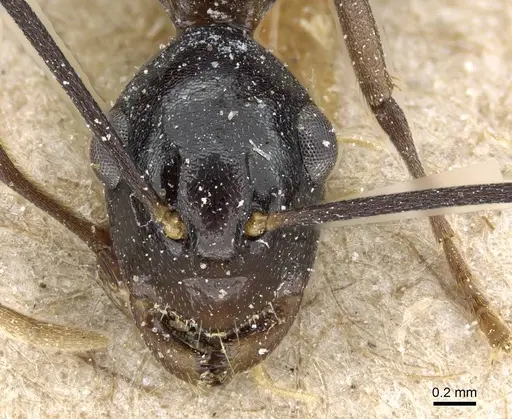
CASENT0905556
View on AntWeb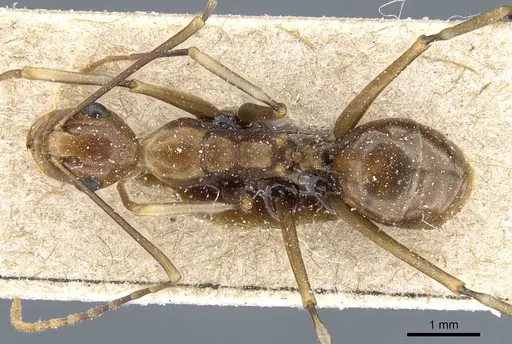
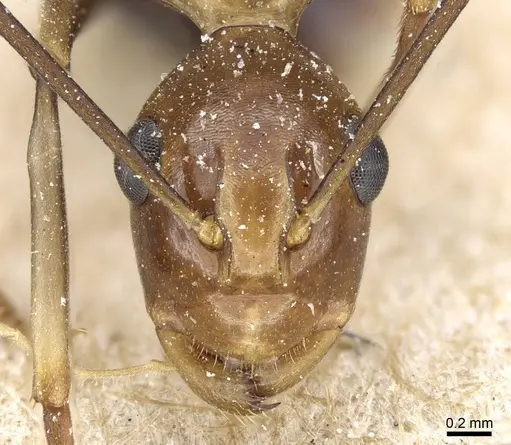
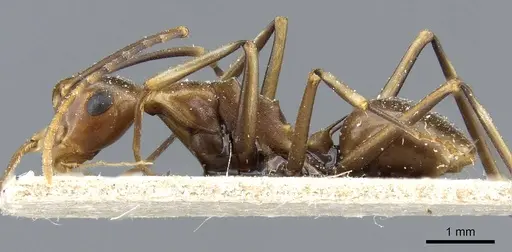
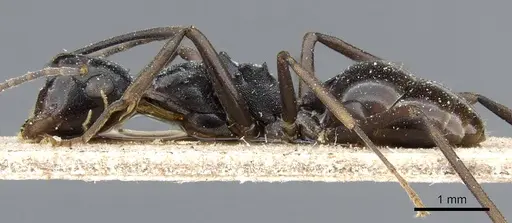
CASENT0905812
View on AntWeb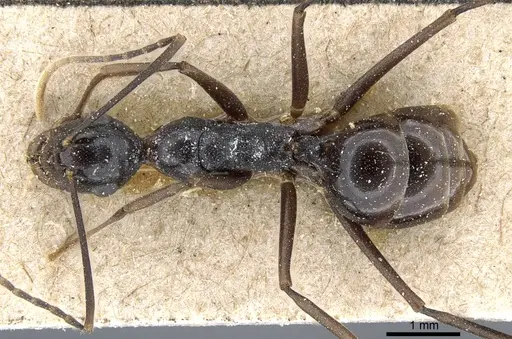
CASENT0906575
View on AntWeb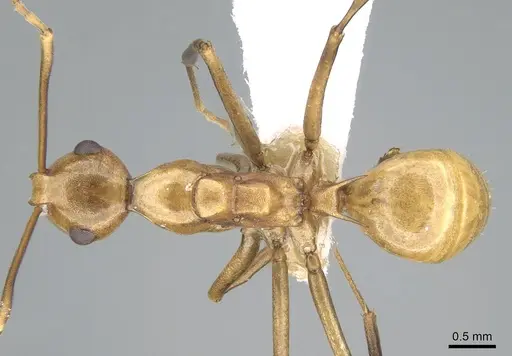
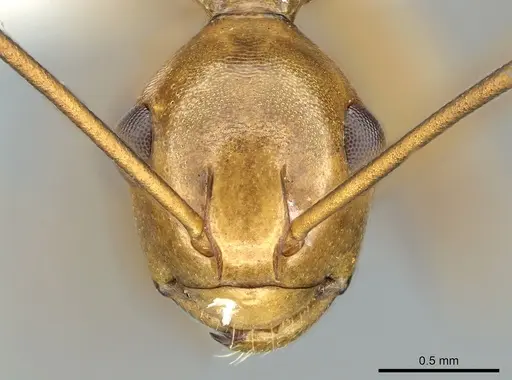
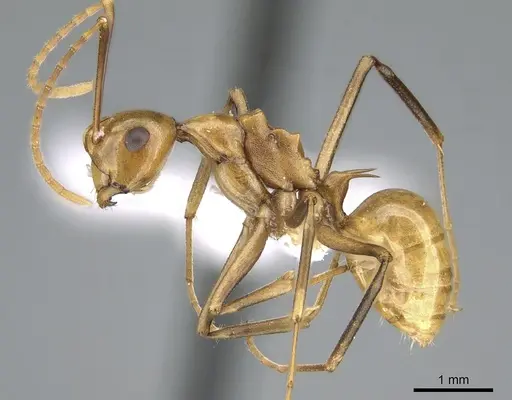
CASENT0910786
View on AntWeb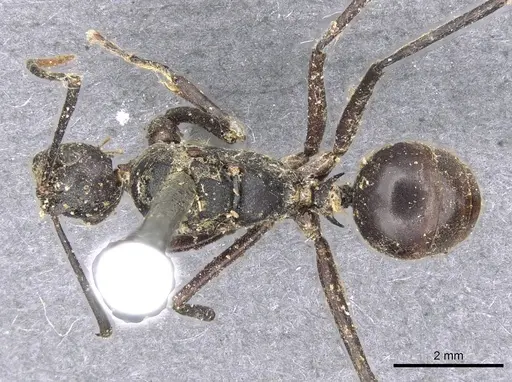
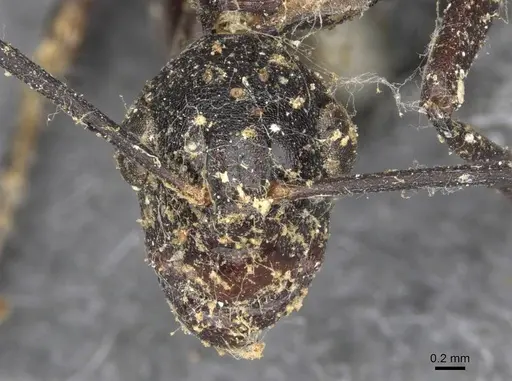
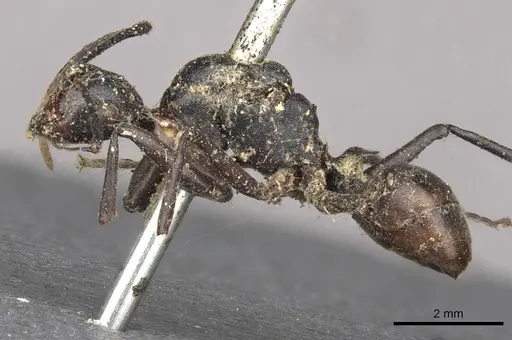
CASENT0910787
View on AntWeb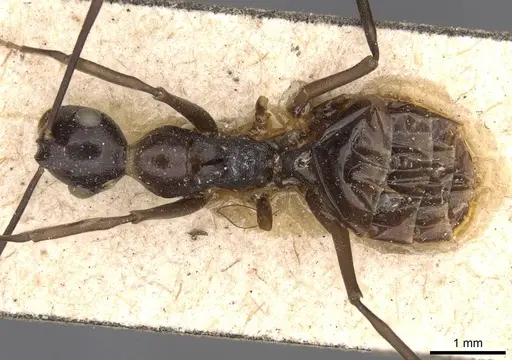
CASENT0910789
View on AntWeb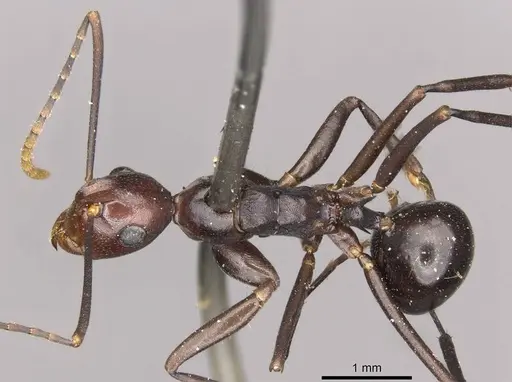
Literature
Loading distribution map...Loading products...