
Polyrhachis scabra
- Sci. Name
- Polyrhachis scabra
- Subgenus
- Myrmhopla
- Tribe
- Camponotini
- Subfamily
- Formicinae
- Author
- Kohout, 1987
- Distribution
- Found in 1 countries
Introduction
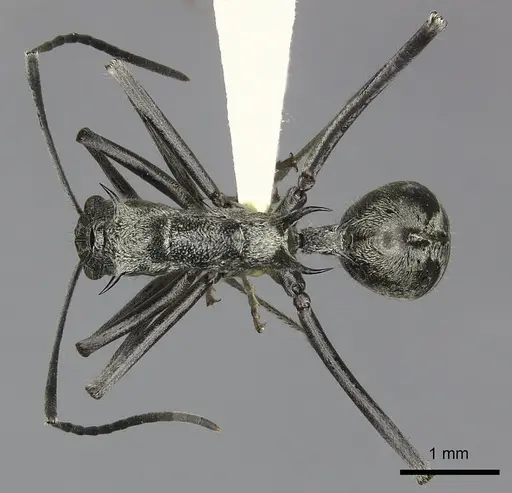
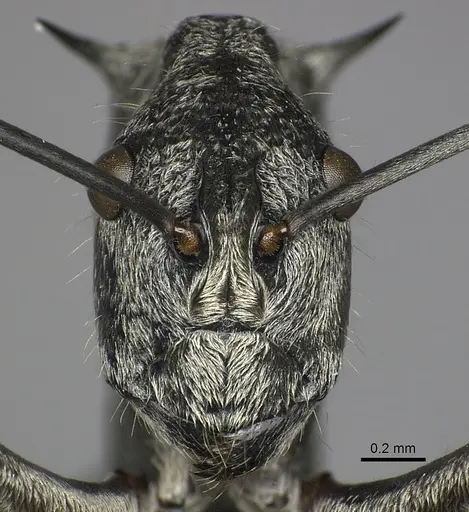
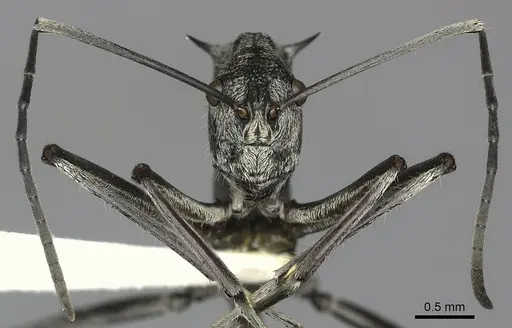
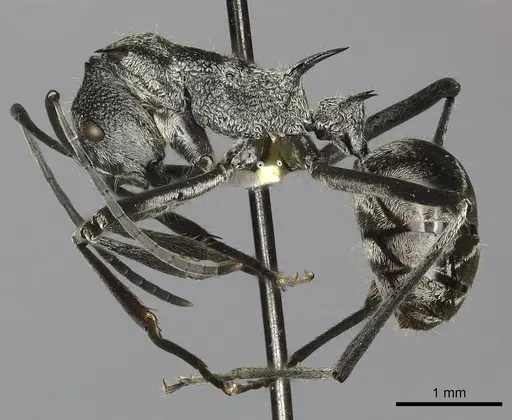
Polyrhachis scabra is a large, striking ant species endemic to the Philippines . Workers measure about 14-15mm, making them one of the larger Polyrhachis species, while the queen reaches roughly 15.5mm . The species has a distinctive appearance with long pronotal spines that project laterally and curve forward, plus elongated propodeal spines at the rear. Their body is black with dark reddish-brown legs and antennae, covered in rather diluted, moderately long, silvery-white hairs and appressed pubescence that gives them a slightly fuzzy look . This species belongs to the Polyrhachis sexspinosa-group and closely resembles Polyrhachis magnifica, but can be distinguished by its longer antennal scapes and more dense sculpturation . What makes this species particularly interesting is its rarity in the antkeeping hobby - it is endemic to the Philippines and virtually nothing is known about its biology in the scientific literature . That makes it a challenging but potentially rewarding species for experienced antkeepers who want to work with an understudied tropical ant.
Quick Summary
- Difficulty: Expert
- Origin & Habitat: Endemic to the Philippines, specifically found in the Indomalaya region. The natural habitat is not documented, but related Polyrhachis species in the Philippines typically inhabit forested areas where they nest in rotting wood or under bark [2].
- Colony Type: Colony structure is unconfirmed. No data exists on queen number or social organization for this species.
- Size & Growth:
- Queen: ~15.5 mm [2]
- Worker: ~14-15 mm [2]
- Colony: Unknown, no colony size data exists for this species
- Growth: Unknown, no development data exists for this species
- Development: Unknown, no direct measurements exist. Based on related large Polyrhachis species, roughly 8-12 weeks at optimal temperature, but this is a rough guess. (No developmental data exists for this species. Estimates based on genus-level patterns for large tropical Polyrhachis.)
- Antkeeping:
- Temperature: Keep warm, roughly 24-28°C. Being from the Philippines (tropical), they need stable warmth. A heating cable on one side of the nest creates a suitable gradient. Avoid temperatures below 20°C for extended periods.
- Humidity: Moderate to high humidity is likely needed, similar to other tropical Polyrhachis. Keep the nest substrate slightly moist but not waterlogged, with some drier areas available.
- Diapause: No, being a tropical species from the Philippines, they do not require hibernation. Maintain warm conditions year-round.
- Nesting: In nature, related Polyrhachis species typically nest in rotting wood or under bark. In captivity, a Y-tong (AAC) nest or naturalistic setup with wood and decaying matter works well. Avoid dry, arid setups.
- Behavior: Not documented, but based on related species, they are likely moderately aggressive when defending the nest. Their primary defense is spraying formic acid, they lack a functional sting. They are probably arboreal or semi-arboreal. Despite their large size, escape prevention is still important as they may climb enclosure walls.
- Common Issues: no biological data exists, keepers are essentially pioneering captive care for this species., tropical temperature requirements mean stable heating is essential year-round., no information on what foods they accept, experimental feeding will be required., large size and unknown behavior make escape prevention a priority., endemic status means wild-caught colonies may be difficult to obtain.
Housing and Nest Setup
Since nothing is known about this species' specific nesting habits, base your housing decisions on what works for related Polyrhachis species. These ants are larger than most and need appropriately sized enclosures. A Y-tong (AAC) formicarium with spacious chambers works well, or you could use a naturalistic setup with rotting wood pieces and bark. The nest material should retain some moisture but not become soggy, tropical Polyrhachis generally prefer slightly humid conditions. Because they may be semi-arboreal, include vertical structures or branches in the outworld for climbing. Start the colony in a test tube setup, then move to a proper formicarium once the test tube becomes too small.
Feeding and Diet
The natural diet of Polyrhachis scabra is completely unstudied. Based on genus patterns, they are likely omnivorous, accepting both sugar sources and protein. Start with standard ant foods: sugar water or honey as a constant energy source, and protein sources like mealworms, crickets, or other insects. They can handle larger prey due to their size. Because nothing is documented, be prepared to experiment with different foods. Monitor what they accept and adjust accordingly. Always remove uneaten food to prevent mold.
Temperature and Heating
As a tropical species from the Philippines, Polyrhachis scabra needs warm conditions year-round. Aim for temperatures of 24-28°C in the nest area. Use a heating cable placed on one side of the nest (on top of the nest material, not underneath, to avoid excessive drying). Create a temperature gradient so the ants can choose their preferred spot. Room temperature may be sufficient if your home stays in the low-to-mid 20s°C, but monitor colony activity, if workers seem sluggish, provide gentle heating. Avoid temperatures below 20°C for extended periods. Unlike temperate species, they do not need a winter diapause.
Observations and Record-Keeping
Because virtually nothing is known about this species' biology, your observations as a keeper are potentially valuable to the antkeeping community. Keep detailed notes on founding behavior, egg-laying rates, development times, worker emergence, accepted foods, temperature preferences, and any unique behaviors. Document the colony's growth over time. If this species becomes established in captivity, your records could help future keepers develop proper care guidelines. Consider sharing your findings with antkeeping forums or communities. This is an opportunity to contribute to the knowledge of a species that has never been scientifically studied in captivity.
Frequently Asked Questions
How long does it take for Polyrhachis scabra to develop from egg to worker?
This is unknown, no developmental data exists. Based on related large Polyrhachis species, expect roughly 8-12 weeks at optimal warm temperatures (24-28°C), but this is a rough estimate.
What do Polyrhachis scabra ants eat?
Their natural diet is unstudied. Based on genus patterns, they likely accept sugar sources (honey, sugar water) and protein (insects like mealworms, crickets). Start with these basics and experiment.
Can I keep multiple Polyrhachis scabra queens together?
This is unconfirmed. The colony structure has not been documented, so do not attempt to combine unrelated foundress queens without specific research.
Do Polyrhachis scabra need hibernation?
No, being a tropical species from the Philippines, they do not require hibernation or diapause. Keep them warm year-round at 24-28°C.
How big do Polyrhachis scabra colonies get?
The maximum colony size is unknown, no data exists. Based on their large worker size and related species, colonies likely reach several hundred workers, but this is an estimate.
Is Polyrhachis scabra good for beginners?
No, this species is rated Expert difficulty because virtually nothing is known about its biology in captivity. Keepers must essentially pioneer captive husbandry for this species.
What temperature should I keep Polyrhachis scabra at?
Keep them around 24-28°C in the nest area. Use a heating cable on one side to create a gradient. Being from the Philippines, they need stable tropical temperatures year-round.
When should I move Polyrhachis scabra from a test tube to a formicarium?
Move them once the test tube becomes too cramped for the growing colony. Ensure your formicarium has appropriately sized chambers and maintains suitable humidity.
Where is Polyrhachis scabra naturally found?
It is endemic to the Philippines, specifically in the Indomalaya region. It has been recorded from Mindanao [1] and described from the islands.
Why are my Polyrhachis scabra dying?
Without established care guidelines, mortality could be due to many factors: temperature extremes, incorrect humidity, unsuitable food, or stress from being an unstudied species. Since their requirements are unknown, troubleshooting is difficult, experiment with conditions and observe colony behavior.
Are Polyrhachis scabra aggressive?
Aggression levels are not documented. Based on related species, they are likely moderately defensive of their nest. Their primary defense is spraying formic acid, not stinging.
Report an Issue
The current care sheet is based fully on literature. See inconsistencies, or something that's incorrect? Please , it will be resolved after review from an admin. Contributing to the blogs tab also helps providing information, to make us be able to further improve the caresheets. Thank you for your support!
References

This caresheet is licensed under CC BY-SA 4.0 .
Community Blogs
CASENT0249118
View on AntWeb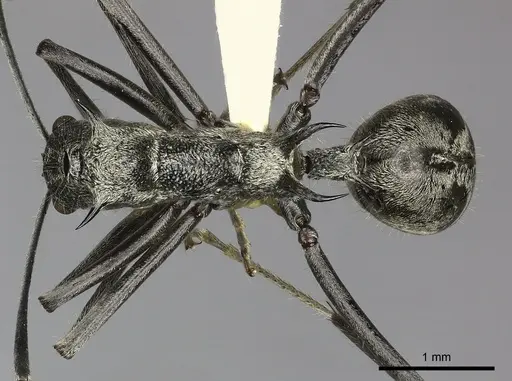
Literature
Loading distribution map...Loading products...