
Polyrhachis saevissima
- Sci. Name
- Polyrhachis saevissima
- Subgenus
- Myrmhopla
- Tribe
- Camponotini
- Subfamily
- Formicinae
- Author
- Smith, 1860
- Distribution
- Found in 4 countries
Introduction
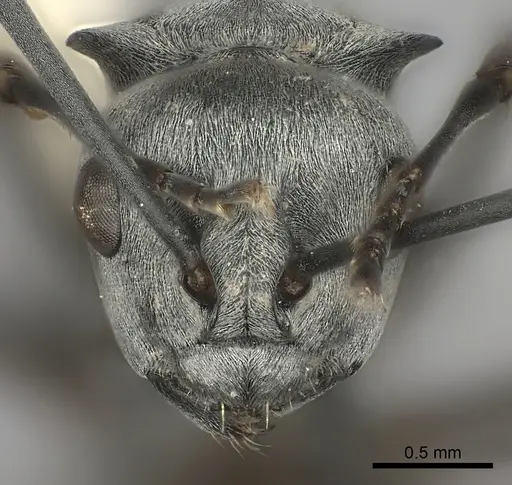
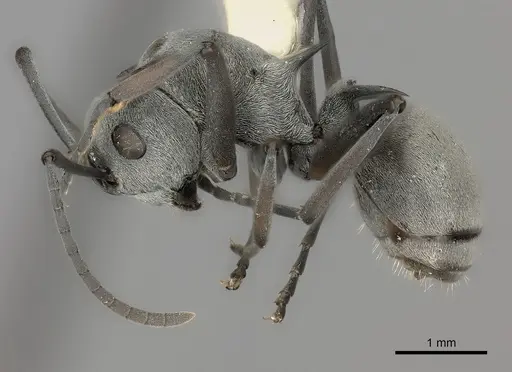
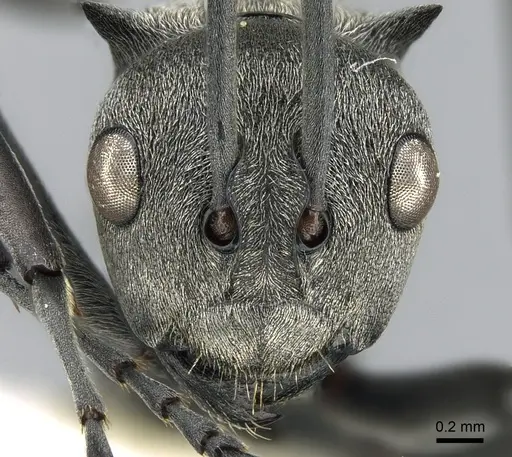
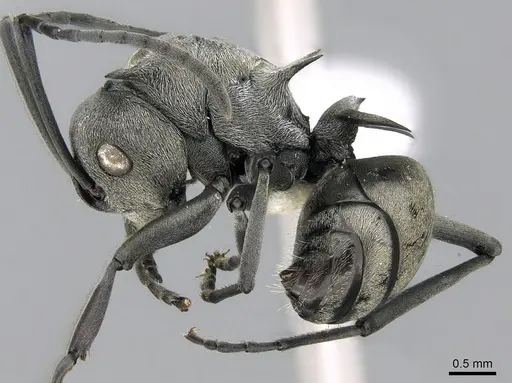
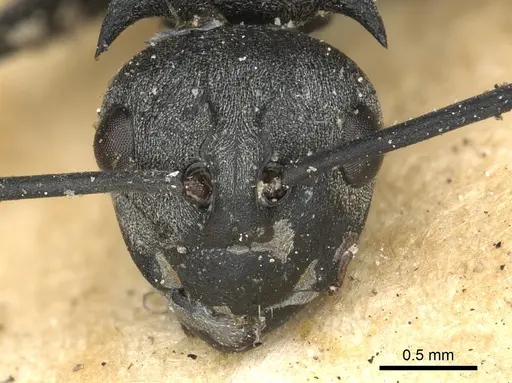
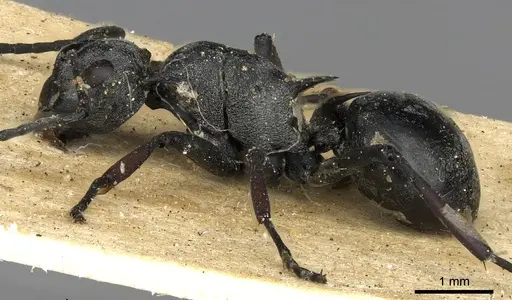
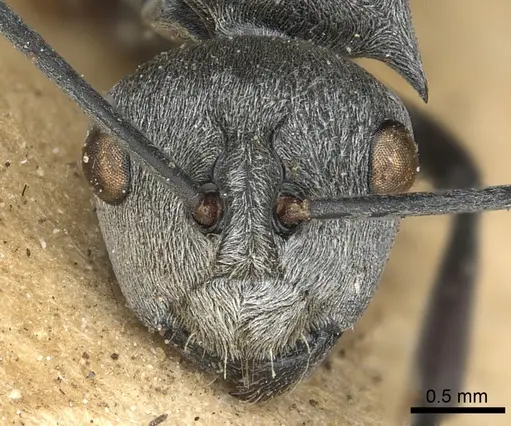
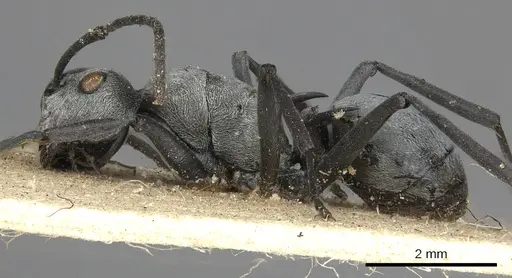
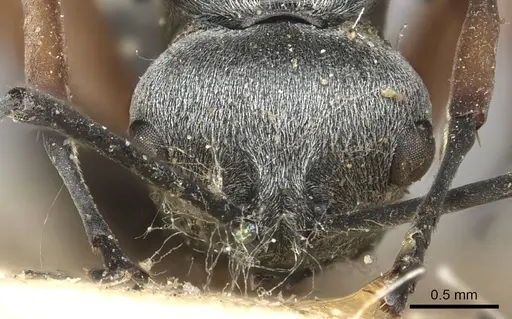
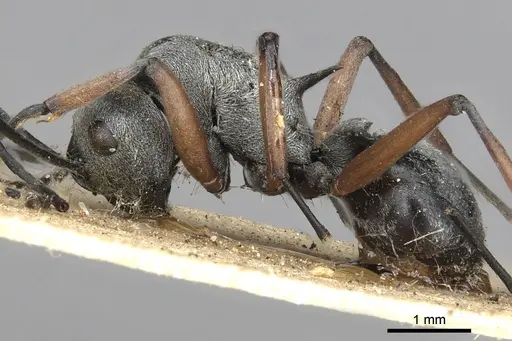
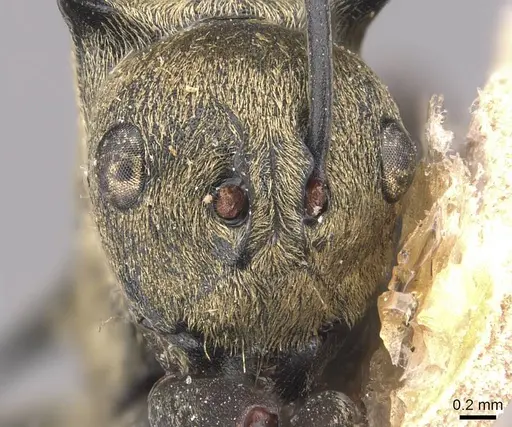
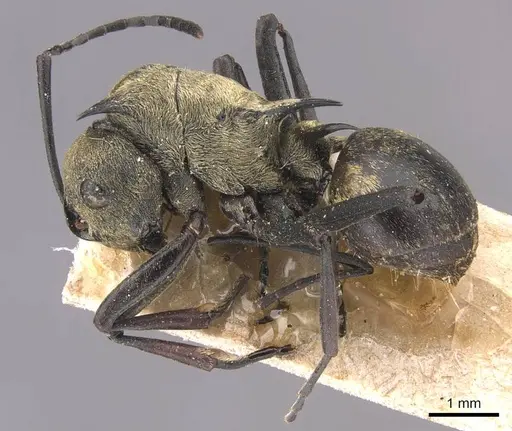
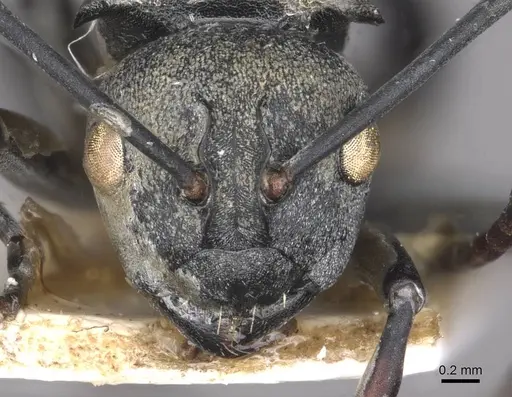
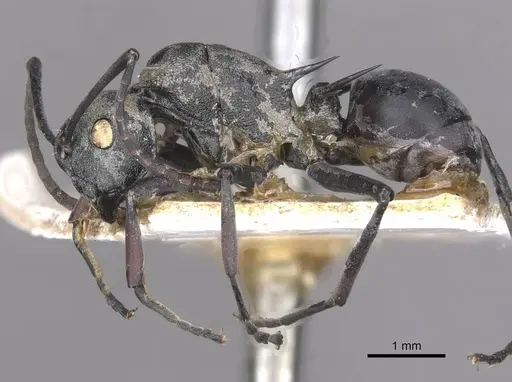
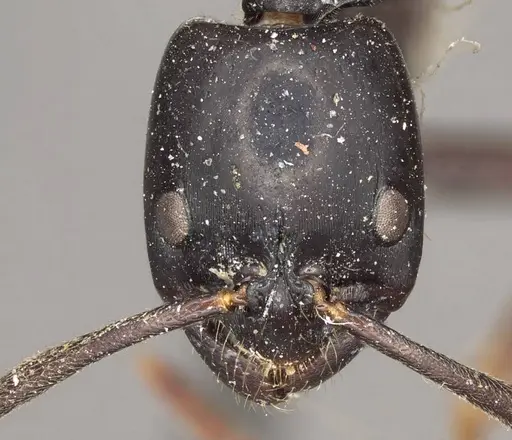
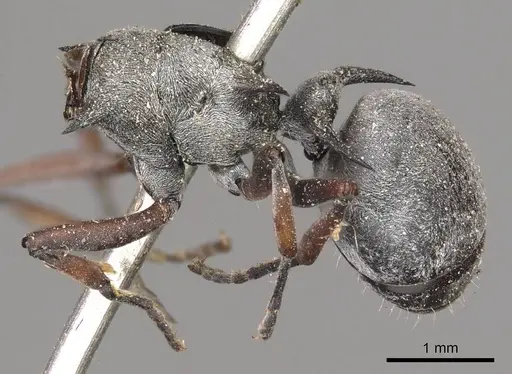
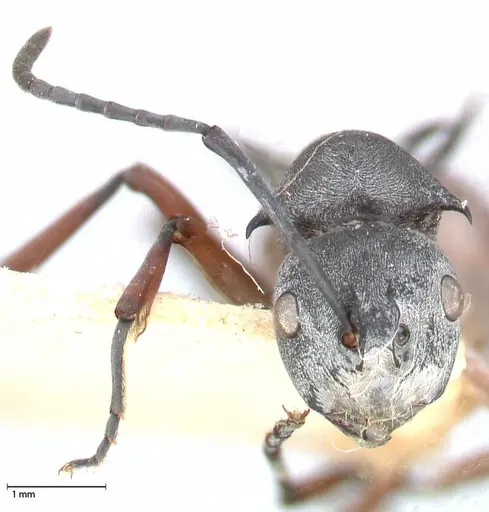
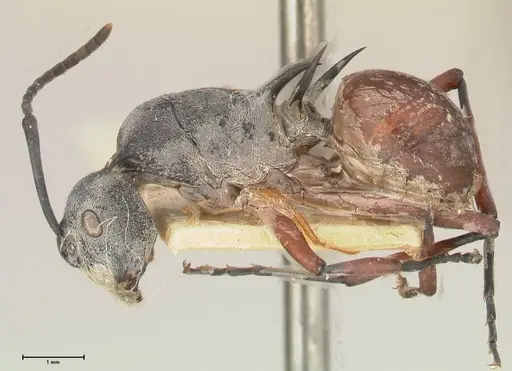
Polyrhachis saevissima is a spiny ant species found across Southeast Asia and the Indo-Malayan region, including Borneo, India, Indonesia, Malaysia, the Philippines, Singapore, and Sulawesi . Workers are small, approximately 4 to 5mm based on historical descriptions, and feature a black body covered in thin, silky grayish hair . They have distinctive spines on the thorax and a rounded abdomen. This species belongs to the armata species-group within the subgenus Myrmhopla . They live in trees and wood, building nests with silk . What stands out about this species is its strictly diurnal foraging behavior. Unlike many arboreal ants that forage at night, Polyrhachis saevissima workers only come out during daylight hours . They thrive in diverse forest environments, from mangroves to natural forests and agroforestry areas, up to 1200 meters in elevation . Their spiny armor and silk nests make them a unique choice for keepers who want an active, tree-dwelling colony.
Quick Summary
- Difficulty: Medium
- Origin & Habitat: Tropical Southeast Asia and Indo-Malayan region. Found in Borneo, India, Indonesia, Malaysia, Philippines, Singapore, and Sulawesi. They live in various forest types like mangroves, natural forests, and agroforestry sites, ranging from sea level to 1200 meters elevation [1].
- Colony Type: Colony structure is unconfirmed in the literature. Based on typical Polyrhachis patterns, they likely form single-queen colonies, but this needs verification.
- Size & Growth:
- Queen: size unknown, inferred from Polyrhachis genus (~6-8mm)
- Worker: Workers are small, approximately 4 to 5mm based on historical descriptions [2]
- Colony: Unknown, likely moderate based on genus patterns
- Growth: Moderate
- Development: Estimated 6 to 8 weeks at optimal tropical temperatures (Direct development data is unavailable. Estimates are based on typical Polyrhachis patterns. Pupal cocoons are present in this species [4].)
- Antkeeping:
- Temperature: Keep warm and stable, roughly low-to-mid 20s°C. Tropical ants need consistent heat. Use a heating cable on one side of the nest to create a gradient.
- Humidity: Provide a humidity gradient. Keep the nest substrate consistently moist but not waterlogged. Arboreal ants prefer moderate humidity, so ensure good ventilation to prevent mold.
- Diapause: No. These are tropical ants that do not require hibernation. Maintain warm temperatures year-round.
- Nesting: Arboreal species that nest in trees and wood. They use silk to build their nests [4]. Provide vertical space in Y-tong or plaster nests. Add twigs or bark pieces for them to build silk structures. Avoid flat, horizontal setups.
- Behavior: Diurnal, arboreal foragers that actively search for food during the day [5]. They are moderately aggressive when defending the colony but pose little risk to keepers. As Formicinae ants, they spray formic acid instead of stinging. They have moderate escape risk due to their small size, so keep enclosures tight.
- Common Issues: cold drafts or air conditioning can stress or kill colonies because they need stable tropical heat, small size means escapes are possible without proper barrier maintenance, arboreal nature requires vertical space, so flat horizontal nests may not be ideal, high humidity needs can lead to mold if ventilation is poor, wild-caught colonies may harbor parasites that can cause colony failure in captivity
Housing and Nest Setup
Polyrhachis saevissima requires housing that reflects their tree-dwelling lifestyle. These ants nest in wood and trees, so you should provide vertical space in Y-tong or plaster nests [4]. You can add twigs, bark pieces, or leaves where workers can construct silk nests similar to their natural habitat [4]. The nest needs good ventilation while holding moisture. Avoid fully enclosed test tube setups once workers develop, as they prefer more open, arboreal-style housing. The outworld should include climbing structures and plants where workers can forage. Use a water tube for hydration and keep the nest substrate moist but never waterlogged.
Feeding and Diet
In the wild, Polyrhachis saevissima forages for honeydew from aphids and scale insects, nectar from flowers, and small insects [1]. In captivity, offer a varied diet including sugar water or honey as a constant carbohydrate source. For protein, provide small insects like fruit flies or small crickets. They are moderate feeders. Offer protein regularly and keep sugar sources available at all times. Remove uneaten prey after a couple of days to prevent mold. Observe your colony's preferences and adjust feeding frequency accordingly.
Temperature and Seasonal Care
As tropical arboreal ants from Southeast Asia, Polyrhachis saevissima requires warm temperatures year-round. Keep the nest area in the low-to-mid 20s°C, with a slight gradient allowing workers to choose their preferred temperature zone. A heating cable placed on one side of the nest can create this gradient. They do not require hibernation or diapause. Maintain consistent tropical conditions. Avoid placing the colony near air conditioning vents, drafty windows, or cold walls. During cooler months, ensure heating is maintained. Signs of cold stress include lethargy, clustering, and reduced foraging. Room temperature within their preferred range is ideal.
Behavior and Colony Dynamics
Polyrhachis saevissima is a strictly diurnal species. Workers only forage during daylight hours and do not come out at night [5]. They are arboreal by nature, spending most of their time in trees and vegetation. Workers are moderately aggressive when defending the colony but not typically dangerous to keepers. As members of the Formicinae subfamily, they spray formic acid as a defense mechanism. Colony growth is moderate. Queens are relatively long-lived, and colonies can persist for many years with proper care.
Escape Prevention and Handling
Workers are small, approximately 4 to 5mm, so they can escape through tiny gaps. Use tight-fitting lids on any enclosures and ensure ventilation holes are covered with fine mesh. Fluon applied to the edges of formicaria creates an effective barrier. When observing or working with the colony, do so in a contained area. These ants are not harmful to humans. They may spray formic acid if handled roughly, but this causes only mild irritation. If you need to move or transport the colony, do so gently and avoid shaking or disturbing the nest significantly.
Frequently Asked Questions
Can I keep Polyrhachis saevissima in a test tube?
Test tubes are not ideal for this species. Polyrhachis saevissima is arboreal and prefers vertical space with access to climbing structures. They do best in Y-tong nests, plaster formicaria, or naturalistic setups with twigs and bark for silk nest construction. A test tube can work temporarily for a founding colony but should be upgraded to more suitable housing once workers develop [4].
How long does it take for Polyrhachis saevissima to develop from egg to worker?
Exact development time has not been documented for this species. Based on typical Polyrhachis patterns and their tropical habitat, expect approximately 6 to 8 weeks from egg to first worker at optimal temperatures of 25 to 28°C. Development may be slower at cooler temperatures. The presence of pupal cocoons in this species means the pupal stage is enclosed rather than naked [4].
What do Polyrhachis saevissima eat?
They are omnivorous with a preference for carbohydrates and protein. Offer sugar water or honey as a constant carbohydrate source. For protein, provide small insects like fruit flies or small crickets. They will also collect honeydew from aphids if available. Remove uneaten prey after a couple of days to prevent mold issues.
Are Polyrhachis saevissima good for beginners?
This species is rated as medium difficulty. While not the most challenging ant species, they do have specific requirements. They need high humidity, tropical temperatures, and arboreal-style housing with vertical space. Beginners should ensure they can maintain warm, humid conditions year-round before attempting this species. Their small size and escape potential also require attention.
Do Polyrhachis saevissima need hibernation?
No, they do not require hibernation. These are tropical ants from Southeast Asia and need warm temperatures year-round. Maintain temperatures in the low-to-mid 20s°C consistently. A slight reduction in activity during cooler months is normal, but they remain active and should not be exposed to cold temperatures that could harm them.
How big do Polyrhachis saevissima colonies get?
Colony size is not well documented, but based on typical Polyrhachis patterns, colonies likely reach a moderate size at maturity. Growth is moderate. Queens are long-lived and colonies can persist for many years with proper care.
When should I move my Polyrhachis saevissima to a formicarium?
Keep them in a founding setup until the colony has developed a decent workforce. Once the colony outgrows the founding setup or shows signs of needing more space, transfer to a proper formicarium with vertical space and climbing structures. Handle gently during transfer as they can be stressed by disturbance.
Why are my Polyrhachis saevissima dying?
Common causes include: temperature too cold, humidity too low, poor ventilation causing mold, or stress from disturbance. Check that heating is adequate, the nest substrate is moist but not waterlogged, and that the colony is not being overly disturbed. Wild-caught colonies may also carry parasites. Ensure escape prevention is working.
Can I keep multiple Polyrhachis saevissima queens together?
The colony structure of this species is not well documented. Based on typical Polyrhachis patterns, they likely form single-queen colonies. Combining unrelated queens is not recommended as it may result in aggression. If you acquire a colony, keep the queen with her workers. Multi-queen arrangements should only be attempted with great caution and only if the species is confirmed to be polygynous.
Report an Issue
The current care sheet is based fully on literature. See inconsistencies, or something that's incorrect? Please , it will be resolved after review from an admin. Contributing to the blogs tab also helps providing information, to make us be able to further improve the caresheets. Thank you for your support!
References

This caresheet is licensed under CC BY-SA 4.0 .
Community Blogs
CASENT0217797
View on AntWeb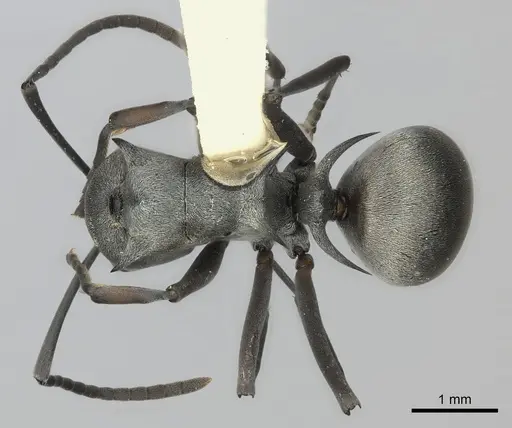
CASENT0281410
View on AntWeb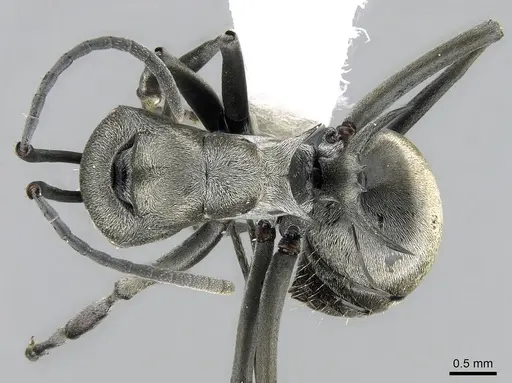
CASENT0901833
View on AntWeb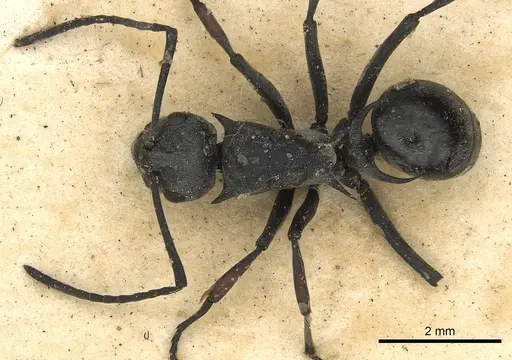
CASENT0901835
View on AntWeb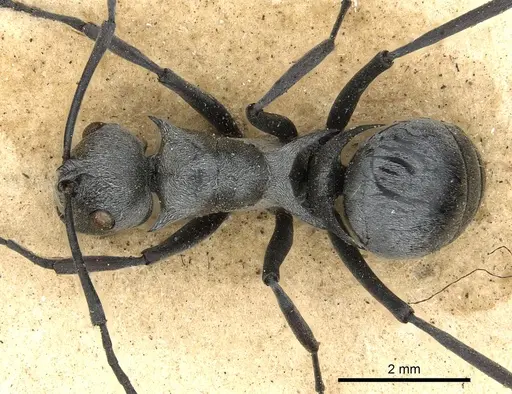
CASENT0901841
View on AntWeb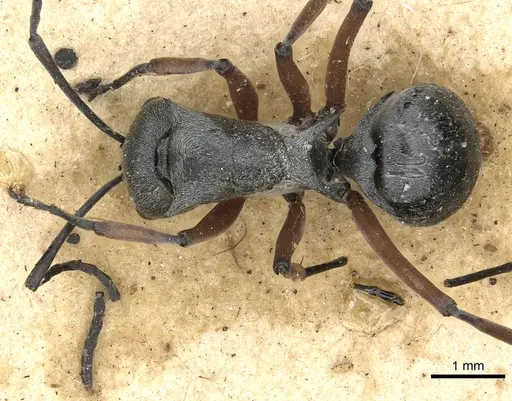
CASENT0905643
View on AntWeb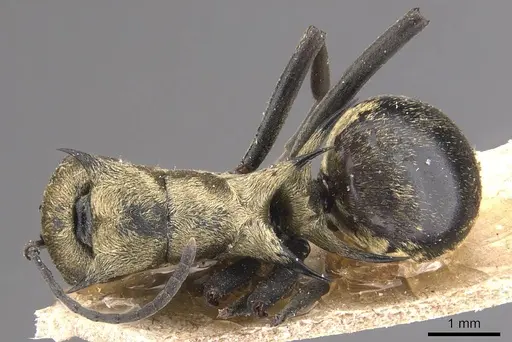
CASENT0910878
View on AntWeb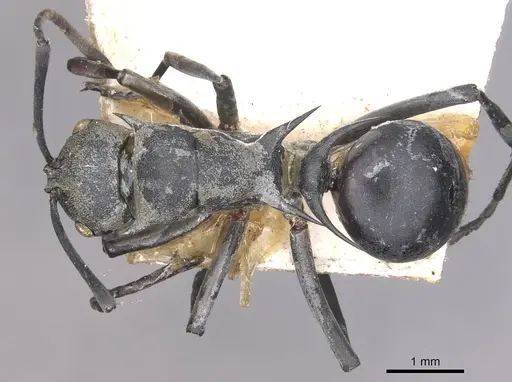
CASENT0915827
View on AntWeb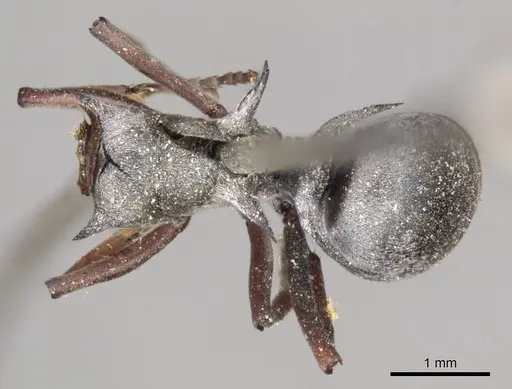
FOCOL0568
View on AntWeb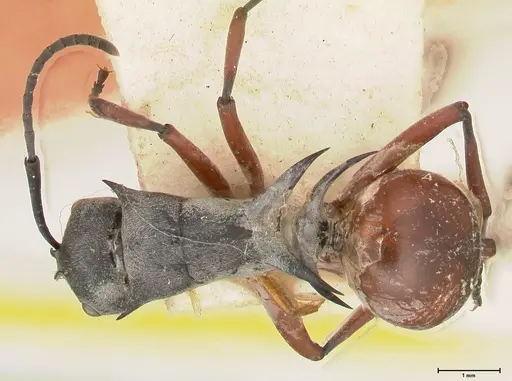
Literature
Loading distribution map...Loading products...