
Polyrhachis rufipalpis
- Sci. Name
- Polyrhachis rufipalpis
- Subgenus
- Myrma
- Tribe
- Camponotini
- Subfamily
- Formicinae
- Author
- Santschi, 1910
- Distribution
- Found in 7 countries
Introduction
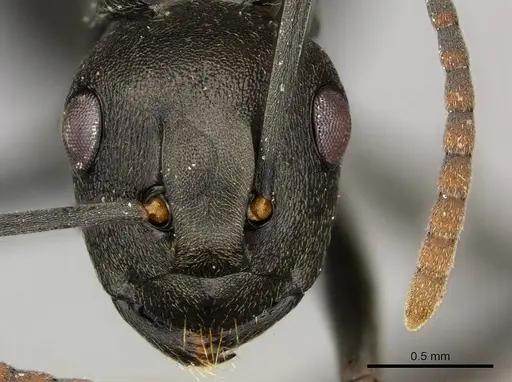
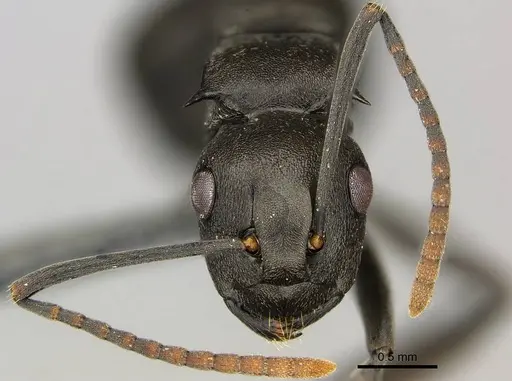
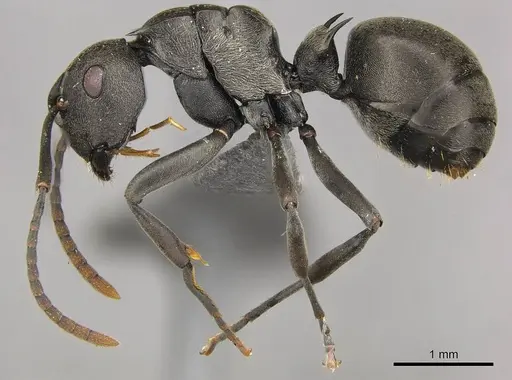
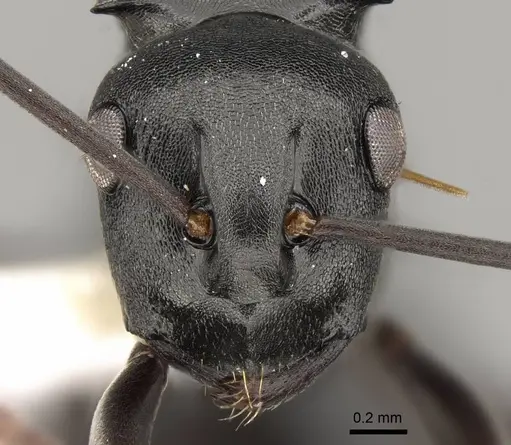
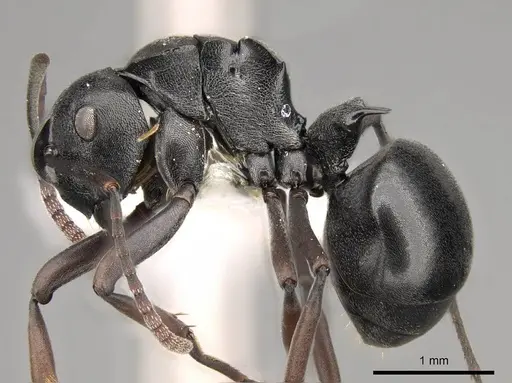
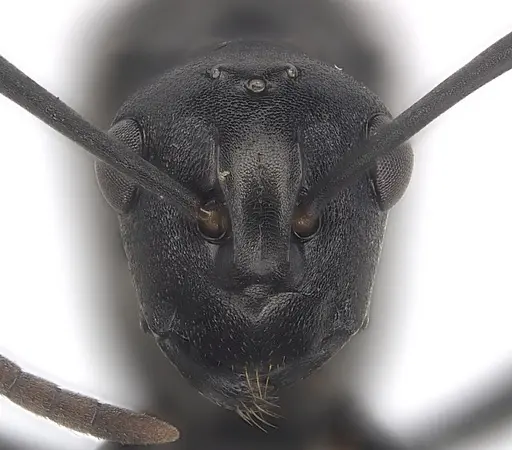
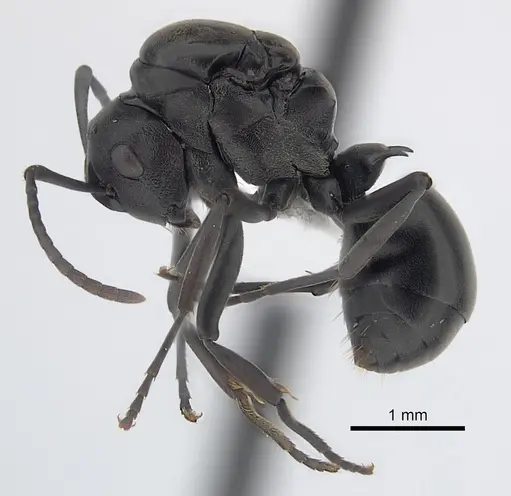
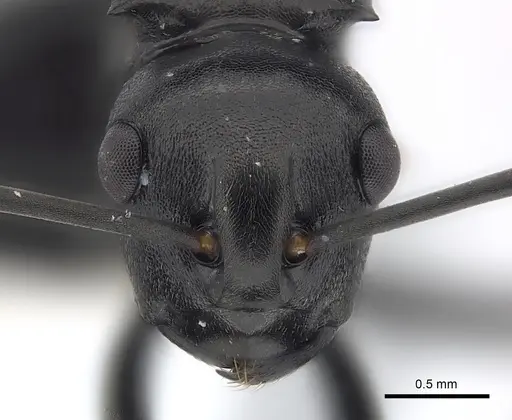
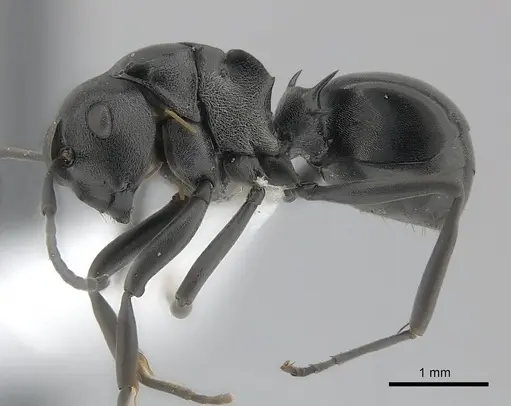
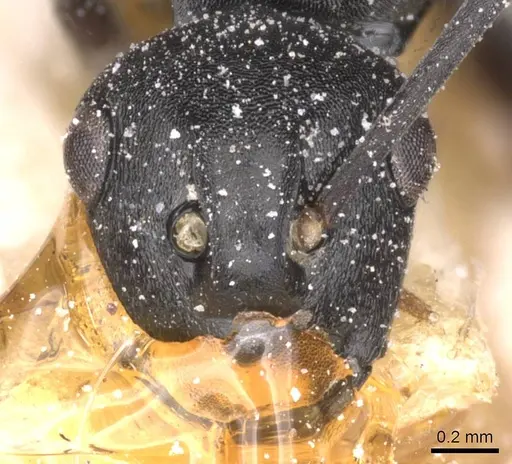
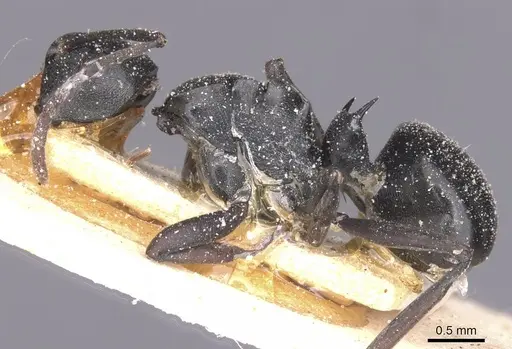
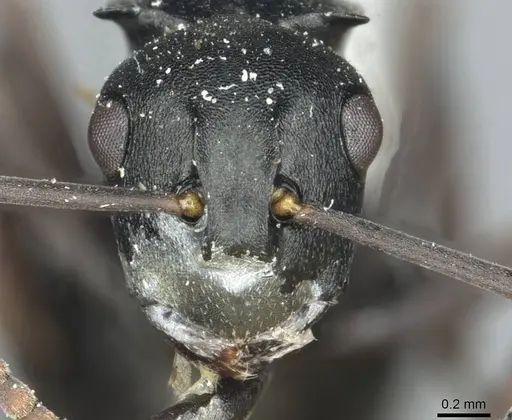
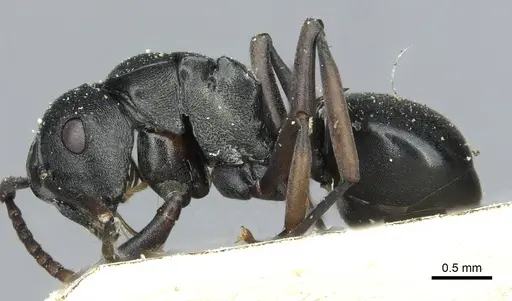
Polyrhachis rufipalpis is a small, active arboreal ant. Workers are black with lighter brown to orange-brown tibiae, giving a dull shine. Total length is 5.0-5.4 mm . This species is part of the militaris species-group within the subgenus Myrma . It is found in West and Central Africa, including Ghana, Nigeria, Cameroon, Congo, DRC, Central African Republic, and Uganda . What makes P. rufipalpis interesting is its arboreal lifestyle - it nests in trees, constructing nests from plant fiber . The subgenus Myrma is known for producing pupal cocoons, which is unusual among Formicinae ants .
Quick Summary
- Difficulty: Medium
- Origin & Habitat: Arboreal ant from West and Central Africa, found in tropical forest zones [3][1].
- Colony Type: Colony structure is unconfirmed. Based on typical Polyrhachis patterns, likely single-queen colonies.
- Size & Growth:
- Queen: Size data unavailable for queens. Inferred from Polyrhachis genus as ~6-8 mm.
- Worker: 5.0-5.4 mm [1].
- Colony: Colony size is not well documented. Based on related species, may reach several hundred workers.
- Growth: Moderate.
- Development: Estimated 6-8 weeks at tropical temperatures. (Development time is inferred from related Polyrhachis species.)
- Antkeeping:
- Temperature: Keep at 24-28°C. As a tropical species, warm conditions are needed.
- Humidity: Keep nest substrate consistently moist but not waterlogged.
- Diapause: No, tropical species do not require hibernation.
- Nesting: Arboreal nesting. Provide vertical space and climbing structures. Use cork bark, twigs, or Y-tong/plaster nests with small chambers [2][1].
- Behavior: Active foragers with an arboreal lifestyle. Workers are small (5 mm) and agile. They will explore climbing structures and can escape through small gaps. Less aggressive, but defend the nest if threatened [1].
- Common Issues: escape prevention is critical due to their small size, use fine mesh and tight-fitting lids., tropical humidity requirements can lead to mold if ventilation is poor., wild-caught colonies may have parasites that are difficult to treat in captivity., slow founding phase, claustral queens may take months to raise first workers., arboreal lifestyle means they need vertical space and climbing structures.
Nest Preferences and Housing
Polyrhachis rufipalpis is an arboreal species, meaning it naturally nests above ground in trees, constructing nests from plant fiber. In captivity, you should replicate this by providing vertical space and climbing structures. A naturalistic setup with cork bark, twisted branches, or bamboo works well. Alternatively, a Y-tong nest or plaster nest with small chambers scaled to their 5 mm size can work. The key is providing vertical passages and climbing surfaces, these ants will not thrive in a horizontal-only setup. Avoid test tubes for established colonies since they need climbing space. Place the nest in the upper portion of the enclosure and include plenty of twigs, plants, or mesh for them to traverse [2][1].
Feeding and Diet
Like most Polyrhachis species, P. rufipalpis is likely omnivorous with a preference for honeydew and small insects. In captivity, offer sugar water or honey regularly, along with small protein sources like fruit flies, small crickets, or mealworms. Arboreal ants often forage in trees, so they may prefer prey that can be found on vegetation. Feed protein 2-3 times per week and keep a sugar source available constantly. Remove uneaten prey after 24-48 hours to prevent mold.
Temperature and Seasonal Care
As a tropical species from Central Africa, P. rufipalpis requires warm temperatures year-round. Keep the nest area at 24-28°C with minimal temperature fluctuations. A small heating cable or heating mat on one side of the enclosure creates a gradient allowing the ants to choose their preferred temperature. Do not let temperatures drop below 22°C for extended periods. Unlike temperate species, these ants do not require diapause or hibernation, maintaining stable tropical conditions is key.
Behavior and Colony Dynamics
This is an active, arboreal species that forages in trees. Workers are small (5 mm) but quick and agile. They will establish foraging trails and explore their enclosure thoroughly. The species is not particularly aggressive toward keepers, but will defend the nest if disturbed. Colonies likely grow to several hundred workers over time. The founding phase may be slow, claustral queens seal themselves in and raise the first brood alone, which can take several months. Be patient during founding and avoid disturbing the queen's chamber. Once established, colonies are relatively hardy but require consistent care [1][2].
Frequently Asked Questions
Can I keep Polyrhachis rufipalpis in a test tube?
Test tubes are not ideal for established colonies. This is an arboreal species that needs vertical space and climbing structures. Use a naturalistic setup with cork bark and branches, or a Y-tong nest with vertical passages. Test tubes only work for the founding queen [2].
How long does it take for first workers to emerge?
Estimated 6-8 weeks at tropical temperatures, based on related Polyrhachis species. The exact timeline for this species has not been documented.
What do Polyrhachis rufipalpis eat?
They are omnivorous. Offer sugar water or honey constantly, along with small insects like fruit flies, small crickets, or mealworms 2-3 times per week.
Do they need hibernation?
No. As a tropical species from Central Africa, they do not require diapause. Keep temperatures warm and stable year-round (24-28°C).
Are Polyrhachis rufipalpis good for beginners?
They are rated Medium difficulty. While not the hardest species, their arboreal nature and specific humidity needs make them better suited for keepers with some experience. Beginners may struggle with their housing requirements.
How big do colonies get?
Colony size is not well documented for this species, but based on related Polyrhachis species, colonies may reach several hundred workers.
When should I move them to a formicarium?
Move from a founding setup to a proper nest once the colony reaches a crowded state in the founding tube. Arboreal species need vertical space and climbing structures in their permanent home.
Why are my Polyrhachis rufipalpis dying?
Common causes include: temperatures too low (below 22°C), humidity too low or too high with poor ventilation, poor escape prevention allowing escapes, or disturbance during the founding phase. Check all parameters before assuming illness.
Can I keep multiple queens together?
Not recommended. There is no documented evidence for pleometrosis (multiple queens founding together) in this species. It is likely monogyne (single queen), so combining unrelated queens may result in fighting.
Report an Issue
The current care sheet is based fully on literature. See inconsistencies, or something that's incorrect? Please , it will be resolved after review from an admin. Contributing to the blogs tab also helps providing information, to make us be able to further improve the caresheets. Thank you for your support!
References

This caresheet is licensed under CC BY-SA 4.0 .
Community Blogs
CASENT0250037
View on AntWeb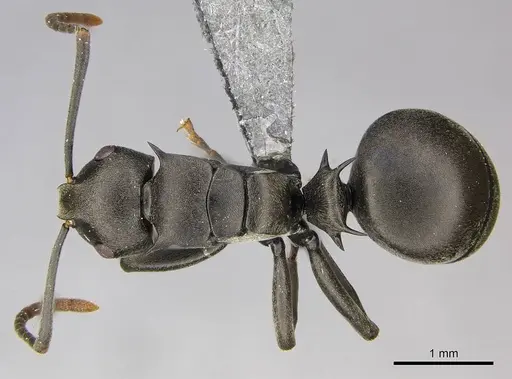
CASENT0281454
View on AntWeb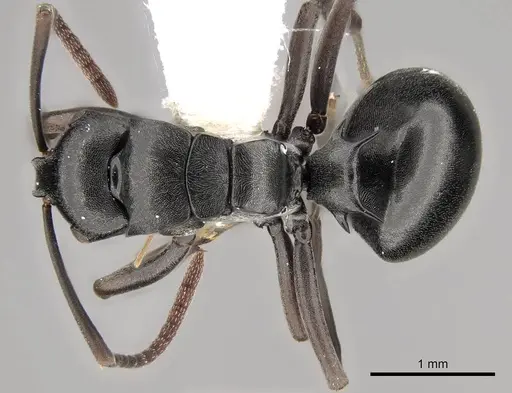
CASENT0403444
View on AntWeb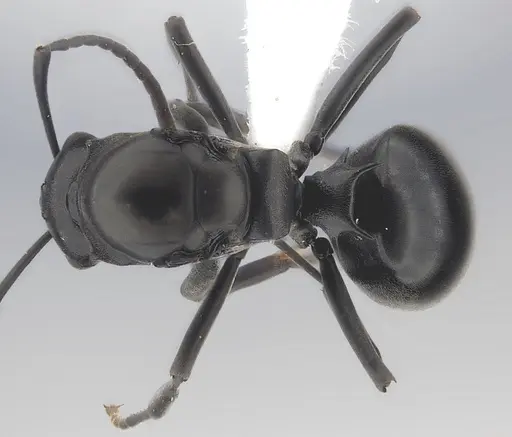
CASENT0403630
View on AntWeb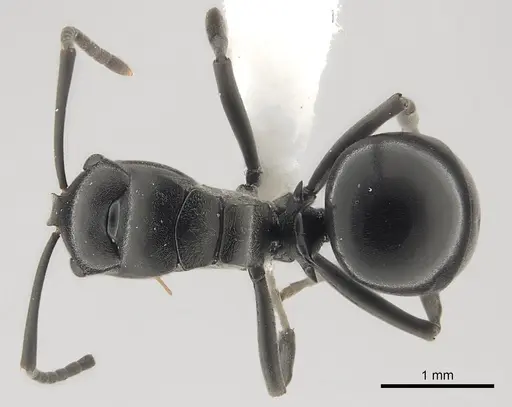
CASENT0912133
View on AntWeb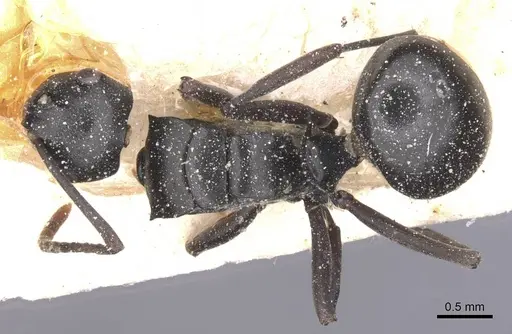
RMCAENT000017824
View on AntWeb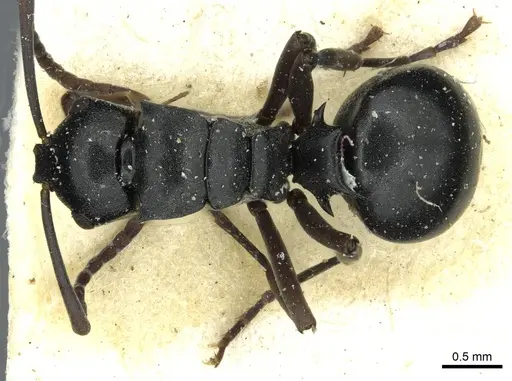
Literature
Loading distribution map...Loading products...