
Polyrhachis revoili
- Sci. Name
- Polyrhachis revoili
- Subgenus
- Myrma
- Tribe
- Camponotini
- Subfamily
- Formicinae
- Author
- André, 1887
- Distribution
- Found in 5 countries
Introduction
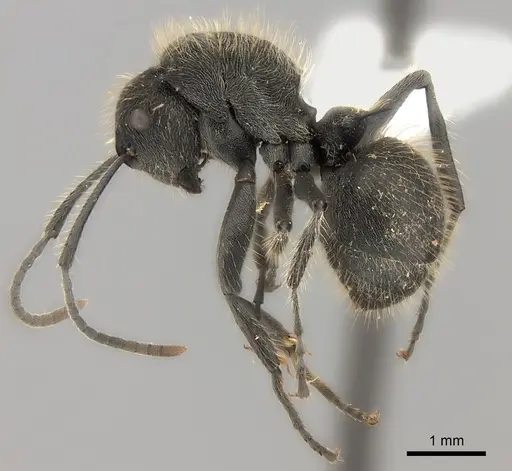
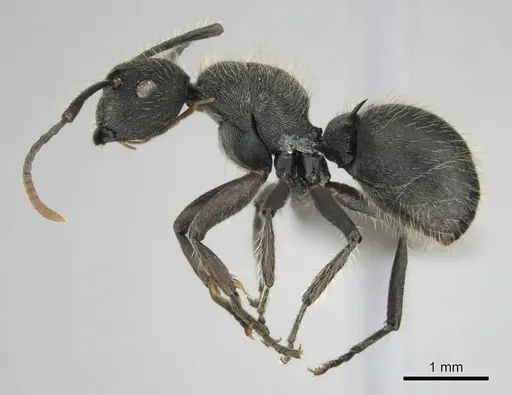
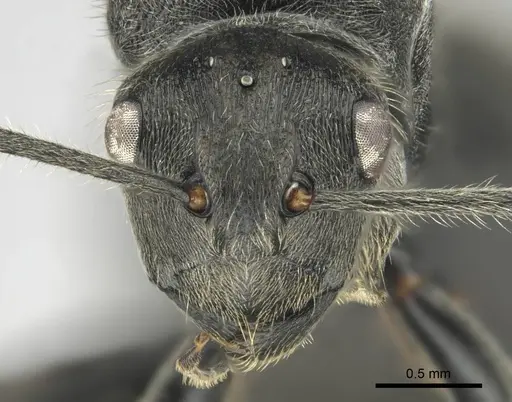
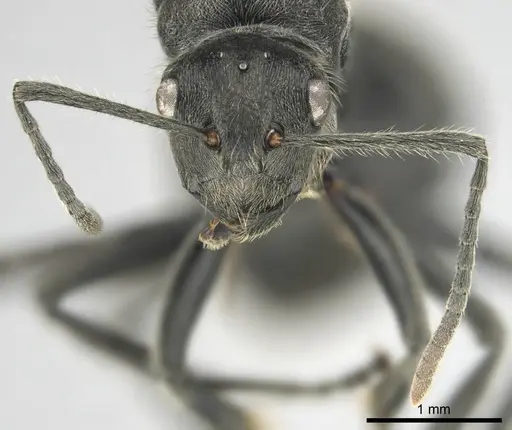
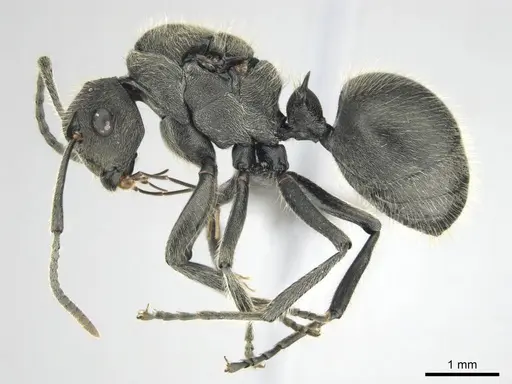
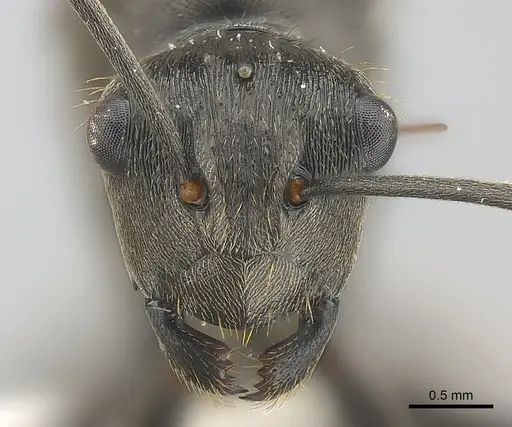
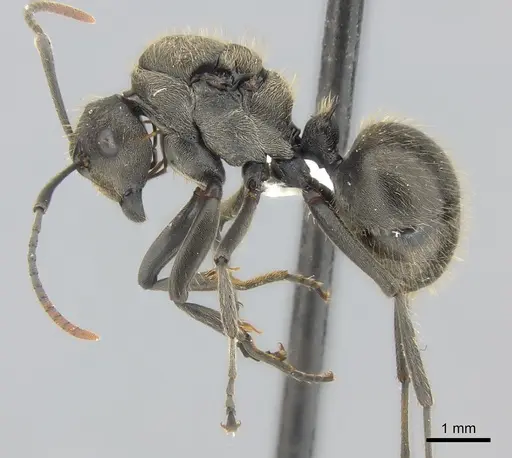
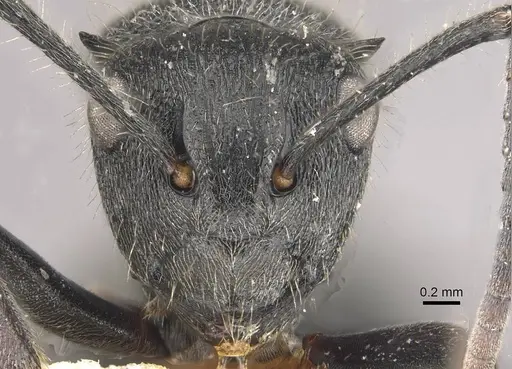
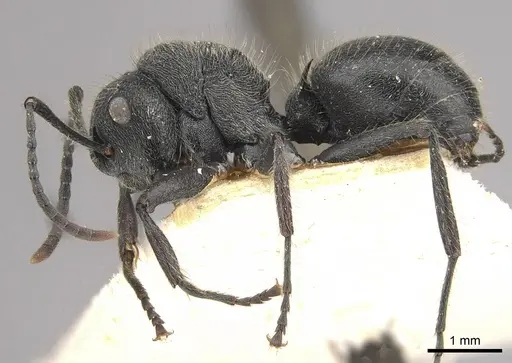
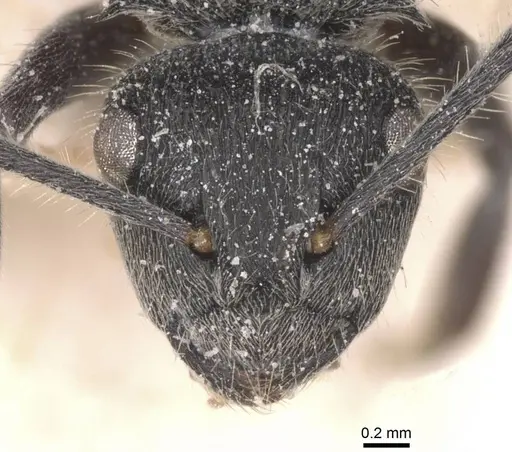
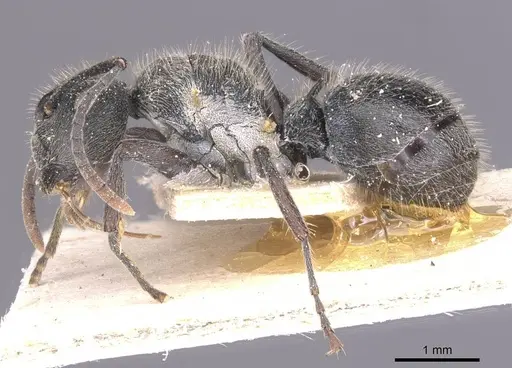
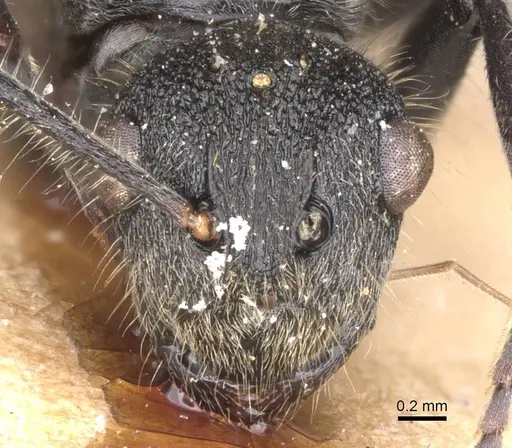
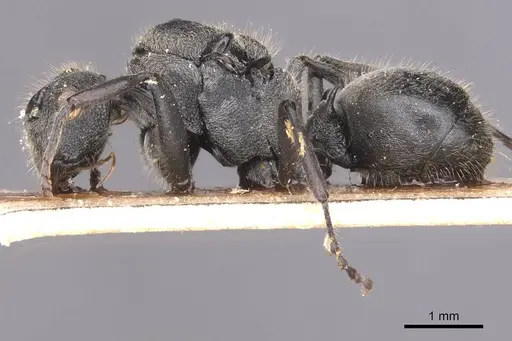
Polyrhachis revoili is a medium-sized African ant with workers measuring 6.1-6.5mm long . They have a robust body with spines on the pronotum, propodeum, and petiole, and are covered in abundant white to greyish hairs . This species is found in the Democratic Republic of Congo, Somalia, and Gabon , at elevations from 110m to 640m in Gabon , preferring southern savannah regions . Nothing is known about the biology of Polyrhachis revoili in scientific literature, including colony structure or care requirements . It is parasitized by the zombie ant fungus Ophiocordyceps unilateralis in Africa .
Quick Summary
- Difficulty: Hard
- Origin & Habitat: Afrotropical region: Democratic Republic of Congo, Somalia, and Gabon. Found in southern savannah at elevations from 110m to 640m [1][2].
- Colony Type: Unconfirmed, no scientific documentation on colony structure [1].
- Size & Growth:
- Queen: Size data unavailable, no total length measurements provided.
- Worker: 6.1-6.5mm [1].
- Colony: Unknown, no wild colony data exists [1].
- Growth: Unknown
- Development: Unknown, no species-specific data. Based on Formicine patterns, likely 6-10 weeks at warm temperatures. (Development is unconfirmed, observe colony response.)
- Antkeeping:
- Temperature: Unknown, based on African savannah distribution, aim for warm conditions around 24-28°C with a gradient.
- Humidity: Unknown, provide a humidity gradient with moist substrate but not waterlogged.
- Diapause: Unknown, African savannah species may not require full hibernation, consider a cool period in winter.
- Nesting: No documented preferences. Based on related species, soil or under stones in wild, for captivity, Y-tong or plaster nests with chambers.
- Behavior: No behavioral studies. Based on genus patterns, likely moderate foragers with defensive spines. As Formicines, they spray formic acid for defense. Escape risk moderate due to 6mm size [1].
- Common Issues: no documented care history means unexpected requirements, be prepared to experiment [1]., lack of colony size data makes nest upgrades difficult [1]., unknown founding behavior requires careful observation [1]., diet acceptance may need trial and error., risk of fungal infection, keep environment clean [3].
Appearance and Identification
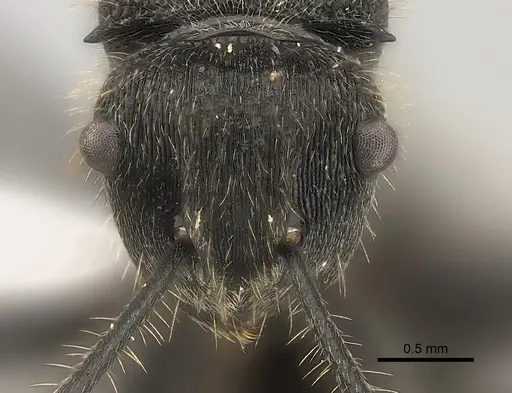
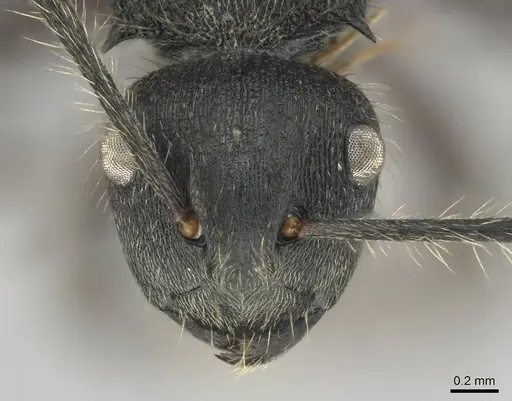
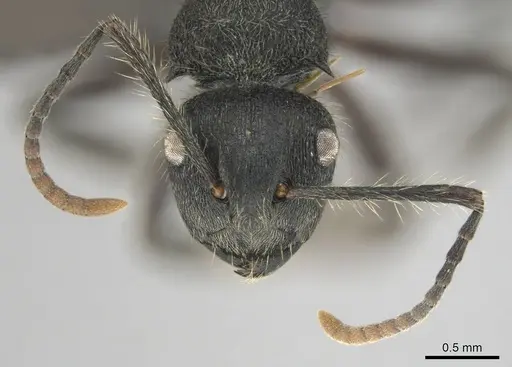
Workers are 6.1-6.5mm long with a robust body, spines on the pronotum, propodeum, and petiole, and abundant white to greyish hairs [1]. The body is uniformly black, with legs sometimes brownish [1]. Queens are similar but with reduced spines [1].
Distribution and Habitat
This species is found in the Democratic Republic of Congo, Somalia, and Gabon [1]. It prefers southern savannah regions and has been collected at elevations from 110m to 640m in Gabon [2].
Known Biology and Research Gaps
Nothing is known about colony structure, founding behavior, or care requirements [1]. The only biological note is that it is parasitized by Ophiocordyceps unilateralis, the zombie ant fungus, in Africa [3].
Starting a Colony
Since no documented care exists, start with a claustral founding approach in a test tube setup, kept stable at around 24-26°C. After workers emerge, offer sugar water and small protein sources. Monitor colony activity and adjust conditions based on response.
Feeding and Nutrition
No specific diet data exists. Based on genus patterns, they likely accept sugar water and small insects. Offer sugar water constantly and protein 2-3 times weekly, removing uneaten food promptly.
Nest Setup and Housing
No documented nesting preferences. Use Y-tong or plaster nests with chambers scaled to their size. Provide a humidity gradient and an outworld for foraging. Standard escape prevention is advisable due to their 6mm size [1].
Frequently Asked Questions
How difficult is Polyrhachis revoili to keep?
Difficulty is hard due to no documented care history. You'll need to experiment and observe colony response [1].
What do Polyrhachis revoili ants eat?
No specific diet data exists. Based on related ants, they likely accept sugar water and small insects.
How long does it take for Polyrhachis revoili to produce first workers?
Development timeline is unknown. Based on Formicine patterns, expect 6-10 weeks at warm temperatures.
What temperature do Polyrhachis revoili need?
Temperature needs are unknown. Based on African savannah distribution, aim for 24-28°C with a gradient.
Can I keep multiple Polyrhachis revoili queens together?
Colony structure is unconfirmed. Do not combine unrelated queens until more is known [1].
How big do Polyrhachis revoili colonies get?
Colony size is unknown, no wild data exists [1].
Do Polyrhachis revoili need hibernation?
Diapause requirements are unknown. As an African species, full hibernation is unlikely, consider a cool period in winter.
What size nest should I use for Polyrhachis revoili?
Workers are 6.1-6.5mm, so standard medium ant nests work well [1].
Where does Polyrhachis revoili come from?
This species is found in Democratic Republic of Congo, Somalia, and Gabon, in southern savannah regions [1].
Why are my Polyrhachis revoili dying?
Without documented care, mortality could be due to temperature, humidity, or diet issues. Keep detailed notes and maintain a clean environment to avoid fungal infection [3].
Is Polyrhachis revoili good for beginners?
No, this species is not recommended for beginners due to lack of care information. Start with well-documented species instead [1].
Report an Issue
The current care sheet is based fully on literature. See inconsistencies, or something that's incorrect? Please , it will be resolved after review from an admin. Contributing to the blogs tab also helps providing information, to make us be able to further improve the caresheets. Thank you for your support!
References

This caresheet is licensed under CC BY-SA 4.0 .
Community Blogs
CASENT0227558
View on AntWeb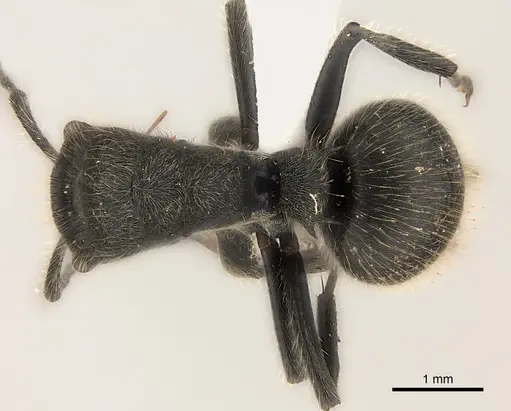
CASENT0250022
View on AntWeb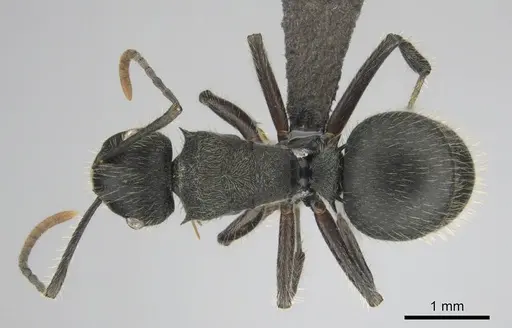
CASENT0250024
View on AntWeb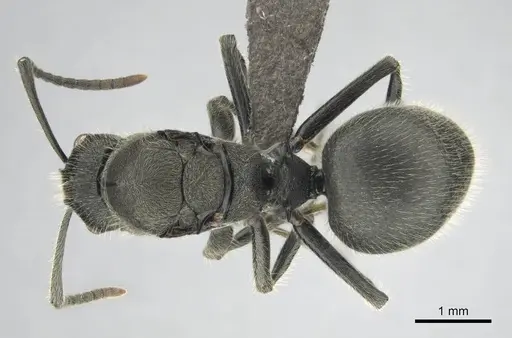
CASENT0403971
View on AntWeb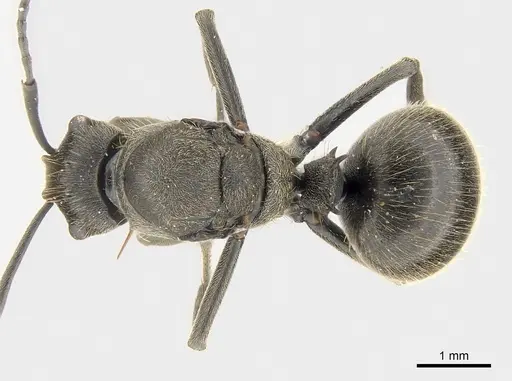
CASENT0910956
View on AntWeb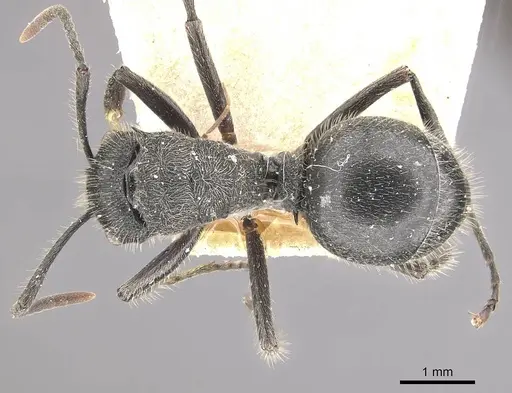
CASENT0912132
View on AntWeb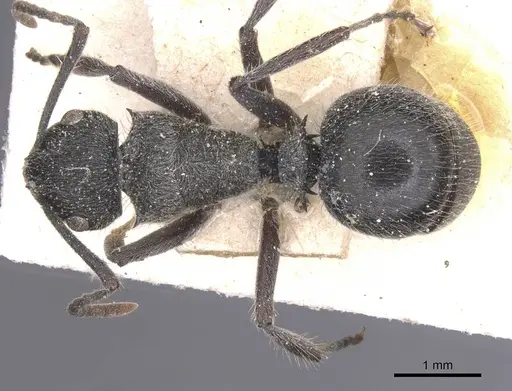
CASENT0913677
View on AntWeb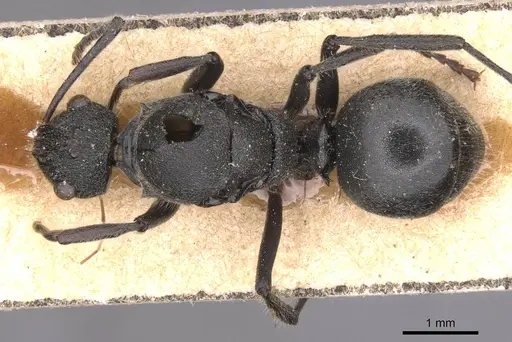
Literature
Loading distribution map...Loading products...