
Polyrhachis pyrrhus
- Sci. Name
- Polyrhachis pyrrhus
- Subgenus
- Campomyrma
- Tribe
- Camponotini
- Subfamily
- Formicinae
- Author
- Forel, 1910
- Distribution
- Found in 1 countries
Introduction
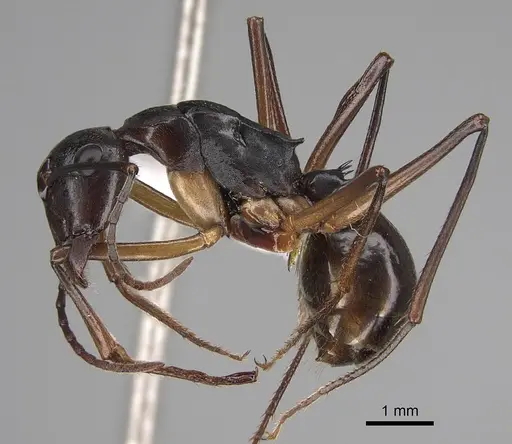
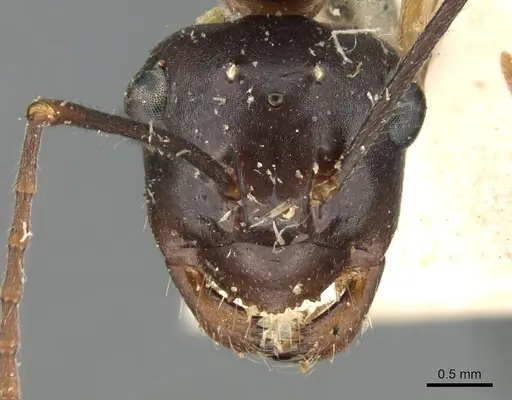
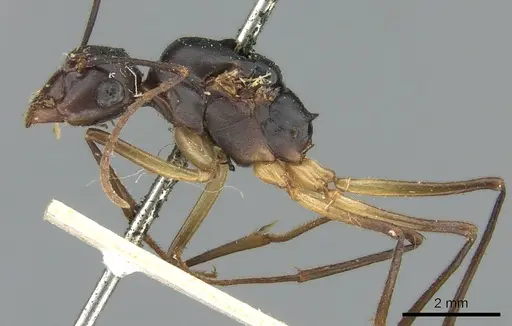
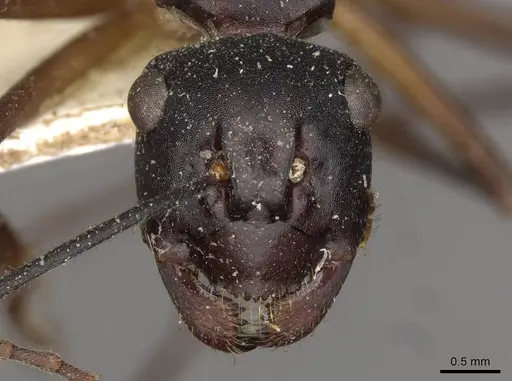
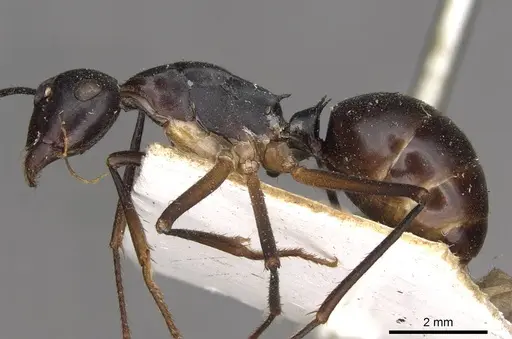
Polyrhachis pyrrhus is an Australian ant species in the Formicinae subfamily. Workers are medium-sized with dark coloration typical of Polyrhachis ants. This species is found in Western Australia, including the south-west region, Pilbara, and Northern Territory . One notable feature is its nesting behavior: it constructs clay nests that resemble large vases half-buried in the ground, with entrance holes sometimes large enough for small animals .
Quick Summary
- Difficulty: Medium
- Origin & Habitat: Australia, specifically Western Australia (south-west, Pilbara) and Northern Territory, building clay nests in the ground [1].
- Colony Type: Colony structure is unconfirmed. Based on typical Polyrhachis patterns, colonies may be monogyne (single queen), but no specific data exists.
- Size & Growth:
- Queen: Size data unavailable, no total length measurements provided in research.
- Worker: Size data unavailable, no total length measurements provided in research.
- Colony: Up to several hundred workers, estimated from genus patterns, but maximum is unconfirmed.
- Growth: Moderate, inferred from related Formicinae species.
- Development: Estimated 6-10 weeks at warm temperatures, based on typical Formicinae development, but no species-specific data. (Development time is inferred, warmer conditions may speed up growth.)
- Antkeeping:
- Temperature: Keep warm, roughly 24-28°C during active seasons. No specific data, so maintain a gradient and observe colony activity.
- Humidity: Provide a humidity gradient, keep nest substrate consistently moist but not waterlogged, based on clay nest behavior in nature [1].
- Diapause: Unknown, no data on hibernation needs. Based on Australian climate, may not require diapause, but reduce activity if colony slows in cooler months.
- Nesting: Prefer naturalistic setups with soil-clay mixture to replicate clay vase nests [1]. Y-tong or plaster nests with moisture chambers are suitable.
- Behavior: Workers are active foragers, not particularly aggressive toward keepers. As Formicinae, they spray formic acid for defense but lack a stinger. Escape risk is moderate due to climbing ability, ensure barriers are secure.
- Common Issues: clay nesting behavior may be difficult to accommodate in standard setups, colonies sensitive to temperature drops below 20°C, wild-caught colonies may carry parasites, foraging workers may escape if barriers are not secure
Housing and Nest Setup
Polyrhachis pyrrhus naturally builds clay nests that resemble vases buried in the ground [1]. In captivity, provide a soil-clay mixture in a naturalistic setup to allow nest construction. Alternatively, use Y-tong or plaster nests with moisture chambers. Ensure enough depth for digging. For founding colonies, start in a test tube and transfer to a larger setup once workers are present. Use fluon barriers to prevent escapes, as workers can climb smooth surfaces.
Feeding and Diet
This species is omnivorous. Offer protein sources like small insects 2-3 times per week and constant sugar sources like honey water. Remove uneaten food to prevent mold. Diet is inferred from general Polyrhachis behavior.
Temperature and Seasonal Care
Maintain temperatures around 24-28°C during active periods. No specific data, so use a heating cable to create a gradient. In cooler months, activity may reduce, but avoid sudden drops below 18°C.
Behavior and Defense
Workers forage actively and use chemical communication. They are not aggressive but spray formic acid when threatened, as they lack a stinger [2]. Handle with care to avoid irritation. Their clay nest-building is a key behavior to observe in captivity [1].
Colony Development
Colony growth is moderate. Founding behavior is unconfirmed, but queens may seal themselves in chambers. Development to first workers is estimated at 6-10 weeks at warm temperatures. Maximum colony size is unconfirmed but estimated up to several hundred workers.
Frequently Asked Questions
Can I keep Polyrhachis pyrrhus in a test tube?
Yes, for founding queens, but transfer to a naturalistic setup with soil or clay once workers emerge to support their nesting behavior [1].
What do Polyrhachis pyrrhus eat?
They are omnivorous, eating insects and sugar sources. Offer varied diet as described.
How long does it take for the first workers to emerge?
Estimated 6-10 weeks at warm temperatures, based on typical Formicinae development.
Do Polyrhachis pyrrhus need hibernation?
Unknown, no data. Based on Australian climate, diapause may not be required, but reduce temperature if colony slows.
Are Polyrhachis pyrrhus good for beginners?
Rated medium difficulty due to limited specific care data and nesting requirements.
How big do Polyrhachis pyrrhus colonies get?
Up to several hundred workers, estimated from genus patterns, but unconfirmed.
Why are my Polyrhachis pyrrhus dying?
Common causes include temperatures below 20°C, improper humidity, or stress from disturbance. Ensure secure barriers and clean uneaten food.
When should I move my colony to a formicarium?
Move from test tube to a larger setup once workers are present, using naturalistic or Y-tong nests [1].
Can I keep multiple Polyrhachis pyrrhus queens together?
Not recommended, as colony structure is unconfirmed and queens may fight. House them separately.
Report an Issue
The current care sheet is based fully on literature. See inconsistencies, or something that's incorrect? Please , it will be resolved after review from an admin. Contributing to the blogs tab also helps providing information, to make us be able to further improve the caresheets. Thank you for your support!
References

This caresheet is licensed under CC BY-SA 4.0 .
Community Blogs
ANTWEB1008266
View on AntWeb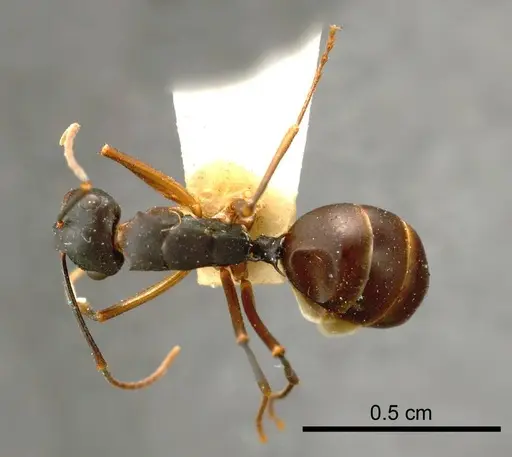
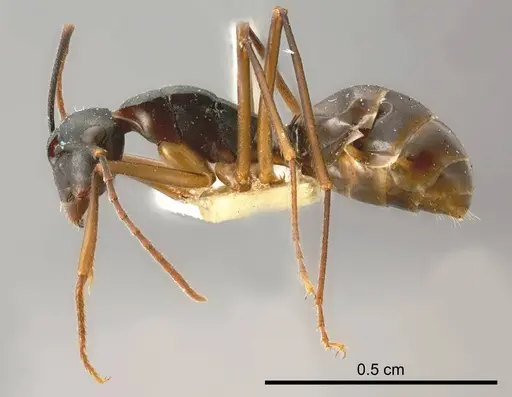
CASENT0887771
View on AntWeb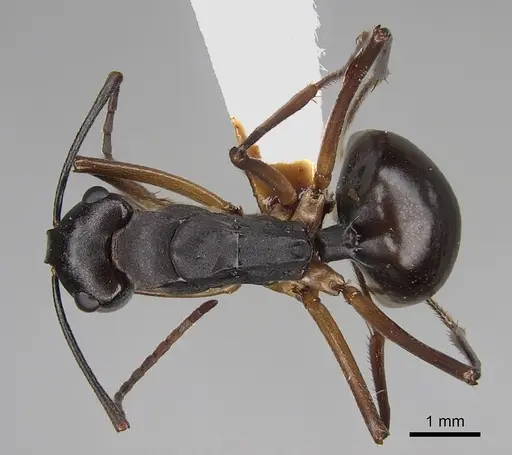
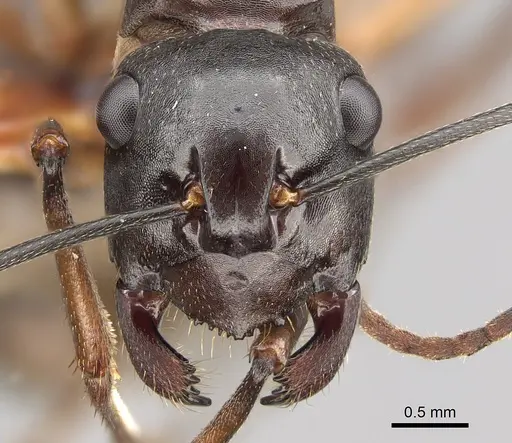
CASENT0906561
View on AntWeb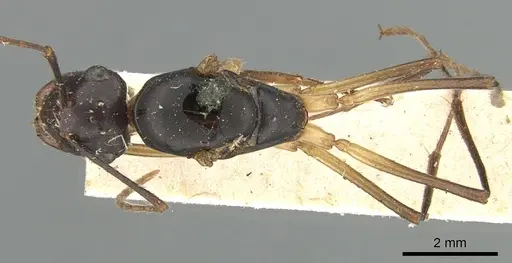
CASENT0910778
View on AntWeb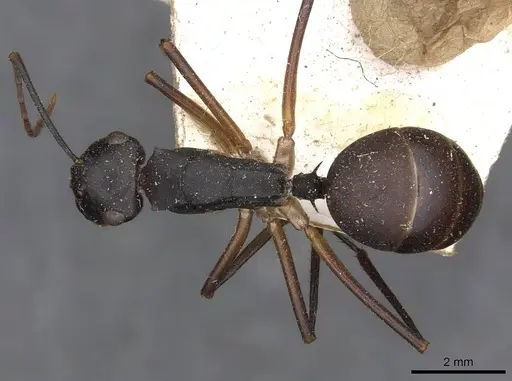
Literature
Loading distribution map...Loading products...