
Polyrhachis proxima
- Sci. Name
- Polyrhachis proxima
- Subgenus
- Myrma
- Tribe
- Camponotini
- Subfamily
- Formicinae
- Author
- Roger, 1863
- Distribution
- Found in 5 countries
Introduction
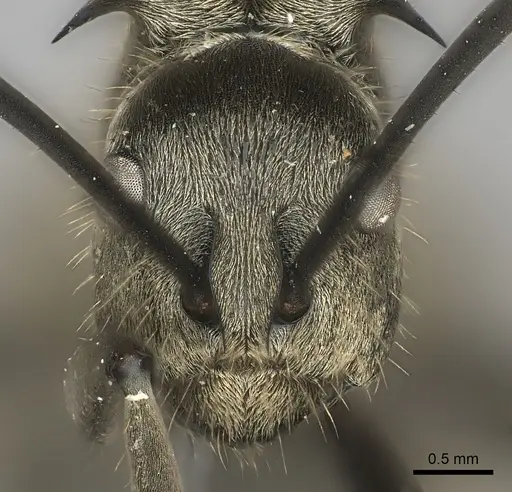
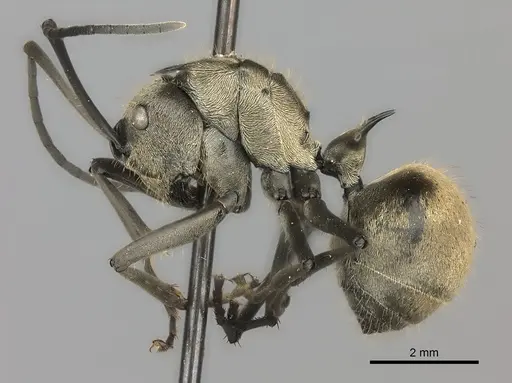
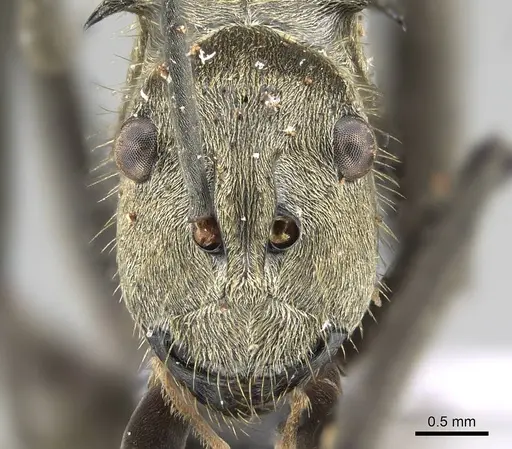
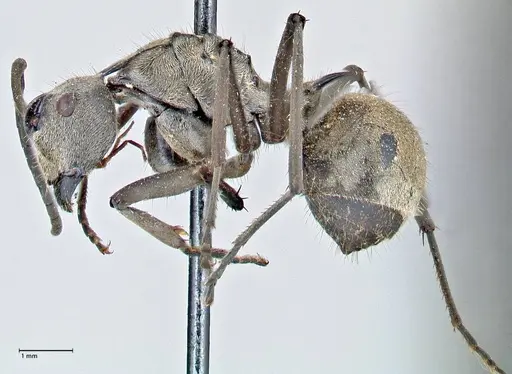
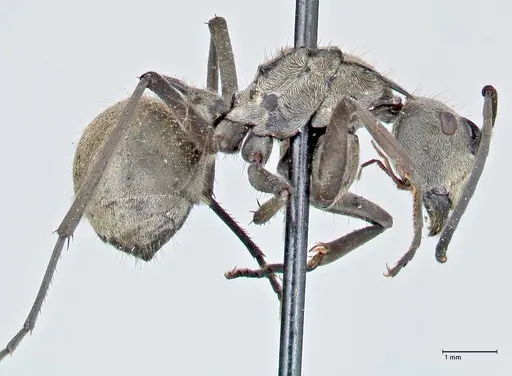
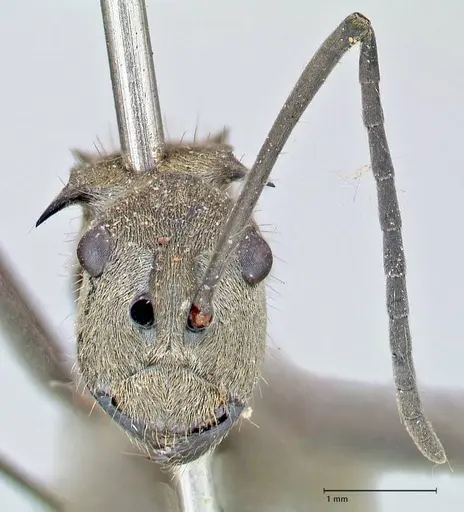
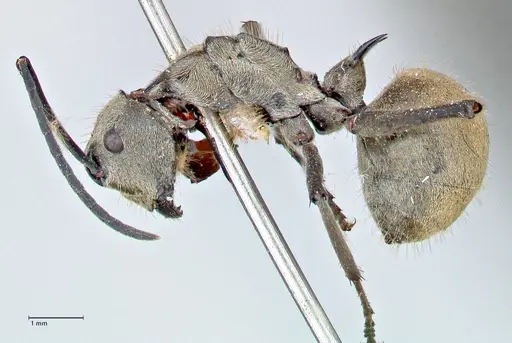
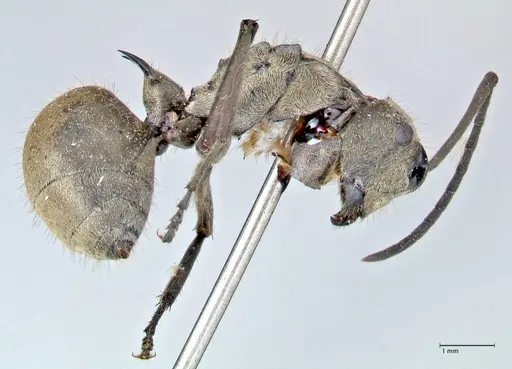
Polyrhachis proxima is a medium-sized ant native to Southeast Asia and southern China. Workers are 8-9mm long, completely black with dense golden pubescence, a strongly arched thorax, and lateral nodal spines . This species is a habitat specialist, found in rubber plantations and forests . It is polygynous and polydomous, meaning colonies have multiple queens and maintain several connected nest sites .
Quick Summary
- Difficulty: Medium
- Origin & Habitat: Native to the Indomalaya region, including Cambodia, India, Indonesia, Laos, Singapore, Sri Lanka, Thailand, Vietnam, and southern China (Yunnan, Guangxi, Fujian) [6][7]. Found in mixed deciduous and dry dipterocarp forests, as well as rubber plantations [3][2].
- Colony Type: Polygynous (multiple queens per colony) and polydomous (multiple connected nests) [4][5]. Colonies have multiple queens working together and maintain several nest sites.
- Size & Growth:
- Antkeeping:
- Temperature: Keep warm, around 24-28°C
- Humidity: Keep substrate consistently moist but not waterlogged
- Diapause: No, this is a tropical species that does not require hibernation
- Nesting: Naturally nests subterranean or in tree trunks [3], in captivity, use Y-tong, plaster, or soil nests with polydomous setup [4]
- Behavior: Workers are active foragers that use tandem running to recruit nestmates to food sources [8]. They collect honeydew and dead insects [8]. Defense involves biting and spraying formic acid, as they lack a functional sting (Formicinae subfamily). Escape risk is moderate due to their medium size, ensure tight-fitting lids and Fluon barriers.
- Common Issues: tropical species requires warm temperatures year-round, cold drafts can be fatal, polydomous nesting may require more space than single-nest species, habitat specialist may have specific substrate preferences, provide soil or plant material, can be attacked by army ants (Aenictus) in the wild, keep colony secure from other insects, zombie ant fungus (Ophiocordyceps) can parasitize this species in nature [10]
Housing and Nest Setup
You can keep Polyrhachis proxima in various setups. In the wild, they nest underground or in tree trunks [3], so a naturalistic setup with a soil chamber works well. Y-tong (AAC) nests are also suitable, especially with a moisture reservoir. Since they are polydomous [4], provide extra space or allow expansion into additional chambers. A nest depth of 10-15mm with chambers sized for 8-9mm workers is ideal. Maintain moderate humidity and a temperature gradient using a heating cable.
Feeding and Diet
You should offer sugar water or honey water regularly, as workers collect honeydew in nature [8]. Provide protein sources like mealworms or small crickets 2-3 times per week, as they scavenge dead insects [8]. Remove uneaten food after 24-48 hours to prevent mold.
Temperature and Seasonal Care
Keep the nest at 24-28°C year-round, as this is a tropical species. Do not provide diapause, as they do not hibernate. Use a heating cable for a gentle gradient and avoid cold drafts.
Colony Structure and Behavior
Your colony will have multiple queens working together [4] and maintain several connected nests [4][5]. Workers communicate through tandem running [8] and are not highly aggressive but will defend the nest. Escape prevention is important due to their medium size.
Growth and Development
Workers are 8-9mm long [1]. Pupae are enclosed in cocoons [4]. Development from egg to worker is estimated at 8-12 weeks at optimal temperature. Colony growth is moderate, with multiple queens potentially speeding initial growth.
Field Observations and Ecology
In the wild, this species is a habitat specialist found in rubber plantations [2] and urban green areas in Thailand [9]. It can be attacked by army ants [7] and parasitized by zombie ant fungus [10], though these are rare in captivity.
Frequently Asked Questions
How long does it take for Polyrhachis proxima to get their first workers?
Based on typical Formicinae development, expect 8-12 weeks from egg to first worker at optimal temperature. Provide warm, stable conditions for fastest development.
Do Polyrhachis proxima ants need hibernation?
No, this is a tropical species and does not require hibernation. Keep them warm year-round at 24-28°C.
Can I keep multiple queens together in Polyrhachis proxima?
Yes, this species is naturally polygynous, meaning colonies have multiple queens working together [4]. You do not need to separate queens.
What do Polyrhachis proxima ants eat?
They are omnivorous. Offer sugar water or honey water constantly, and protein like mealworms 2-3 times per week [8]. Remove uneaten food after 24-48 hours.
Are Polyrhachis proxima good for beginners?
This species is rated Medium difficulty. They require warm temperatures year-round and are more challenging than common beginner species but manageable with proper care.
How big do Polyrhachis proxima colonies get?
Colonies can reach up to several hundred workers, estimated based on their polygynous structure [4].
What is the best nest type for Polyrhachis proxima?
They do well in Y-tong, plaster, or soil nests. Since they are polydomous [4], provide a setup that allows for expansion or multiple chambers.
Why are my Polyrhachis proxima dying?
Common causes include cold temperatures, too dry conditions, or poor nutrition. Ensure warm, humid environment and proper food. Check for escapes or parasites if newly collected.
Report an Issue
The current care sheet is based fully on literature. See inconsistencies, or something that's incorrect? Please , it will be resolved after review from an admin. Contributing to the blogs tab also helps providing information, to make us be able to further improve the caresheets. Thank you for your support!
References

This caresheet is licensed under CC BY-SA 4.0 .
Community Blogs
CASENT0217791
View on AntWeb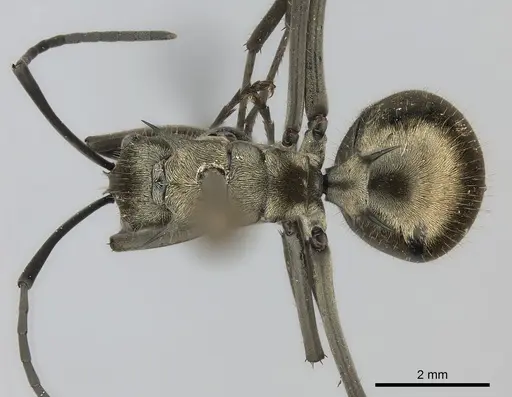
CASENT0919885
View on AntWeb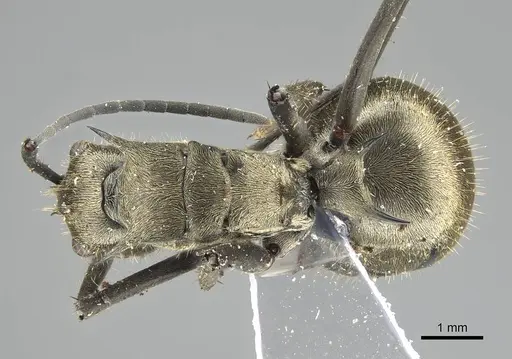
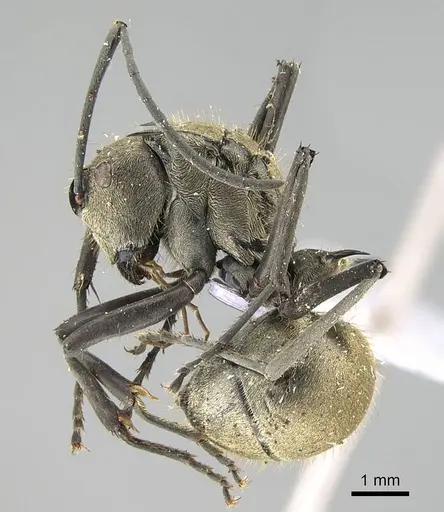
FOCOL2624
View on AntWeb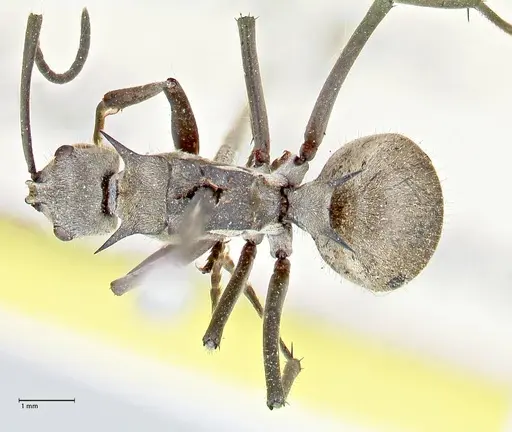
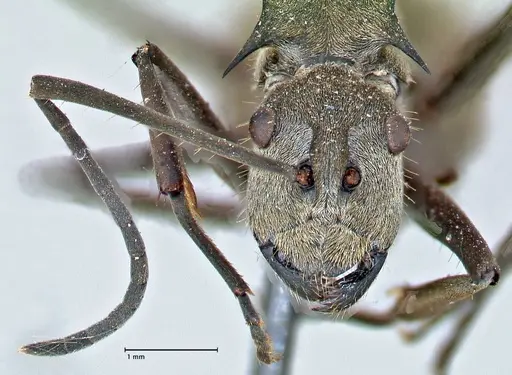
FOCOL2625
View on AntWeb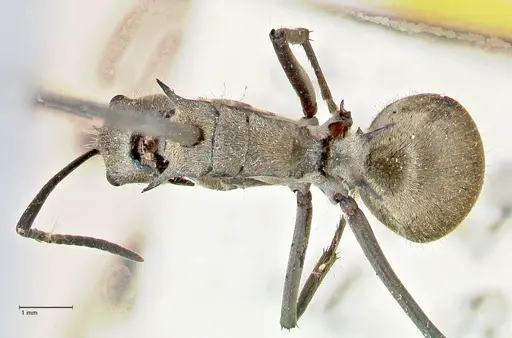
Literature
Loading distribution map...Loading products...