
Polyrhachis prometheus
- Sci. Name
- Polyrhachis prometheus
- Subgenus
- Campomyrma
- Tribe
- Camponotini
- Subfamily
- Formicinae
- Author
- Santschi, 1920
- Distribution
- Found in 1 countries
Introduction
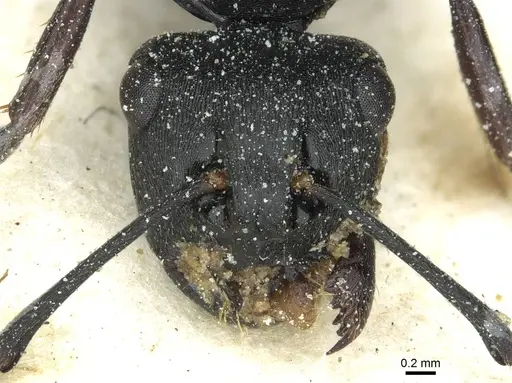
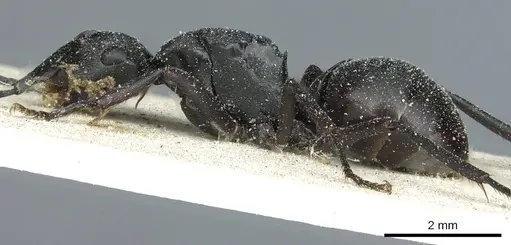
Polyrhachis prometheus is a species native to northern Australia. Workers measure 7-9 mm total length, and queens are 9.5-10 mm. They are dark brown to black with long spines on the petiole. This species belongs to the micans species-group within the subgenus Campomyrma. It has the widest distribution of any micans-group species, ranging from the Pilbara and Kimberley regions of Western Australia across the Northern Territory to Queensland . Polyrhachis prometheus is easily recognized by its narrow propodeal dorsum and long petiolar spines . It is a subterranean nester with pupal cocoons present .
Quick Summary
- Difficulty: Medium
- Origin & Habitat: Northern Australia, including Western Australia, Northern Territory, and Queensland. Found in tropical monsoonal regions with subterranean nesting habits [1][3].
- Colony Type: Unconfirmed, no data on queen number from research.
- Size & Growth:
- Antkeeping:
- Temperature: Keep warm, roughly 24-28°C, based on tropical distribution.
- Humidity: Keep nest substrate consistently moist but not waterlogged, as subterranean nesters [3].
- Diapause: No, as this species is from tropical northern Australia.
- Nesting: Subterranean nesting species. Use Y-tong (AAC) nests, plaster nests, or naturalistic soil setups with deep chambers [3].
- Behavior: Generally calm and non-aggressive. Workers are active foragers but not defensive. Escape risk is moderate due to their size, standard barrier methods work well. They spray formic acid for defense, as typical for Formicinae.
- Common Issues: colonies may be slow to establish, patience is required during founding phase., subterranean nesting means they need deeper nest chambers than surface-nesting species., wild-caught colonies may have parasites or diseases that cause colony failure., limited availability makes this species harder to acquire., temperature drops below 20°C may slow or stop brood development.
Housing and Nest Setup
Polyrhachis prometheus is a subterranean nester, meaning they naturally dig and live underground. In captivity, they adapt well to several nest types. Y-tong (AAC) nests work well because they provide dark, enclosed chambers that mimic underground conditions. Plaster nests are another good option as they allow you to control humidity levels. For a naturalistic approach, use a deep soil-filled setup of at least 5-10 cm depth to allow them to dig their own tunnels. Regardless of nest type, ensure there are multiple chambers connected by tunnels. The outworld should be simple and easy to clean, with a water tube for drinking [3].
Feeding and Diet
Like most Polyrhachis species, P. prometheus is omnivorous. In the wild, they forage for nectar, honeydew, and small invertebrates. In captivity, offer sugar water or honey as an energy source, and protein sources like small crickets or mealworms. Feed protein 2-3 times per week, and keep sugar water available at all times. Remove uneaten prey after 24-48 hours to prevent mold. Fresh water should always be accessible [2].
Temperature and Heating
Being from tropical northern Australia, these ants prefer warm conditions. Maintain temperatures around 24-28°C for optimal brood development. A heating cable or heat mat on one side of the nest creates a temperature gradient, allowing workers to move between warmer and cooler areas. Avoid temperatures below 20°C for extended periods as this can stress the colony.
Humidity and Water
As subterranean nesters, they prefer moderate humidity. The nest substrate should be damp but never waterlogged. Provide a water tube in the outworld for drinking access. In plaster nests, you can control humidity by adding water to a hydration chamber. Allow the nest to partially dry between waterings [3].
Seasonal Care and Activity Patterns
In their native range, these ants experience a tropical climate with wet and dry seasons rather than cold winters. In captivity, they do not require true hibernation. During cooler months, you may notice reduced activity, which is normal. Simply maintain slightly lower temperatures around 20-22°C during this period.
Behavior and Colony Dynamics
Polyrhachis prometheus workers are active foragers but generally calm. The long spines on the petiole serve as a primary defense mechanism. Colonies grow gradually, with pupal cocoons protecting the brood during development [3]. Queens may become physogastric during peak laying periods.
Frequently Asked Questions
How long does it take for Polyrhachis prometheus to produce first workers?
Expect 6-10 weeks from egg to first worker under optimal conditions (24-28°C). Founding queens may take longer as they raise the first brood alone. Patience is essential.
Can I keep multiple Polyrhachis prometheus queens together?
Not recommended without documented evidence of pleometrosis for this species. Most Polyrhachis are single-queen, so house foundress queens separately to prevent fighting.
What size colony does Polyrhachis prometheus reach?
Colony size data is not published for this species. Based on related Polyrhachis species, expect moderate colony sizes over 2-3 years.
Are Polyrhachis prometheus good for beginners?
This is a medium-difficulty species. They require warm temperatures and proper subterranean nesting setup. Beginners should have basic ant-keeping experience.
What nest type is best for Polyrhachis prometheus?
Y-tong (AAC) nests or plaster nests work well. They are subterranean nesters so they need dark, enclosed chambers. Avoid shallow nests that expose them to light [3].
Do Polyrhachis prometheus need hibernation?
No. Being from tropical northern Australia, they do not require true hibernation. A slight temperature reduction during winter is acceptable but not mandatory.
Why is my Polyrhachis prometheus colony dying?
Common causes include temperatures below 20°C, excessive humidity causing mold, improper feeding, or stress from disturbance. Wild-caught colonies may carry parasites. Review care conditions first.
How often should I feed Polyrhachis prometheus?
Offer protein 2-3 times per week. Keep sugar water available at all times. Remove uneaten prey after 24-48 hours. Adjust based on colony size [2].
Report an Issue
The current care sheet is based fully on literature. See inconsistencies, or something that's incorrect? Please , it will be resolved after review from an admin. Contributing to the blogs tab also helps providing information, to make us be able to further improve the caresheets. Thank you for your support!
References

This caresheet is licensed under CC BY-SA 4.0 .
Community Blogs
CASENT0906566
View on AntWeb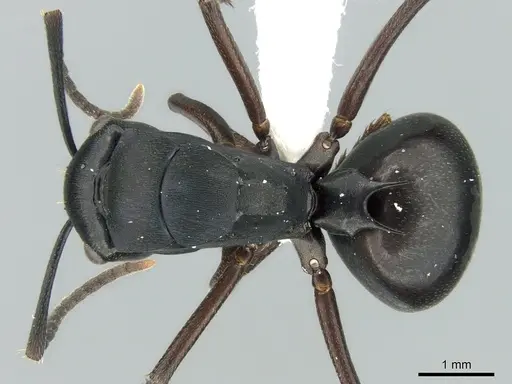
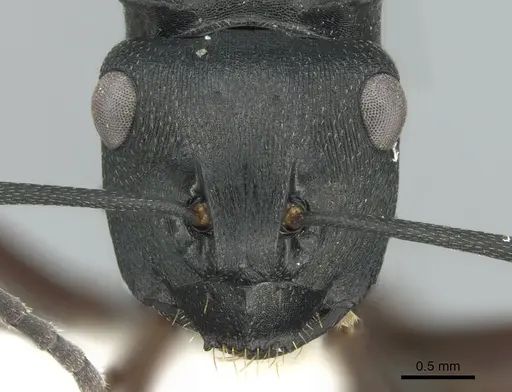
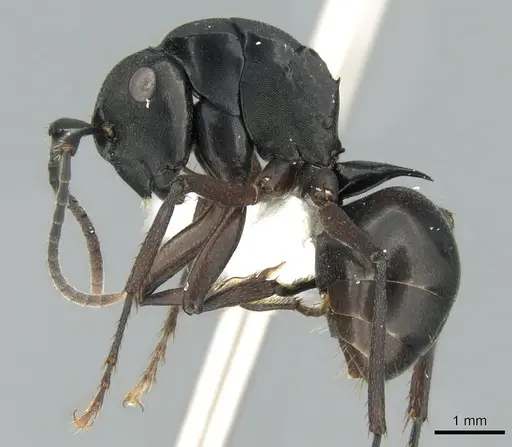
CASENT0912094
View on AntWeb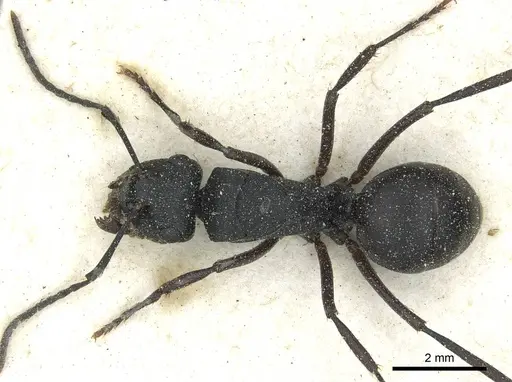
Literature
Loading distribution map...Loading products...