
Polyrhachis pressa
- Sci. Name
- Polyrhachis pressa
- Subgenus
- Myrmhopla
- Tribe
- Camponotini
- Subfamily
- Formicinae
- Author
- Mayr, 1862
- Distribution
- Found in 1 countries
Introduction
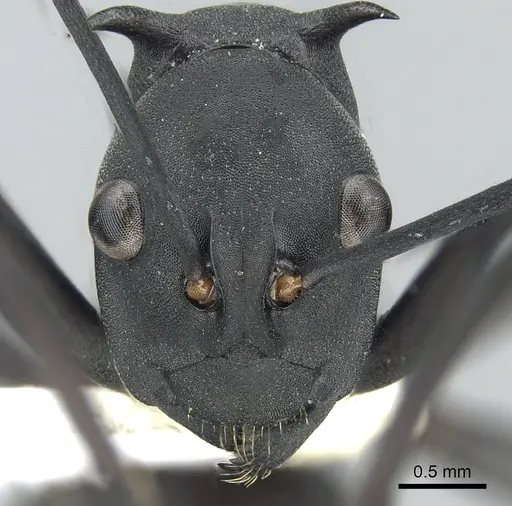
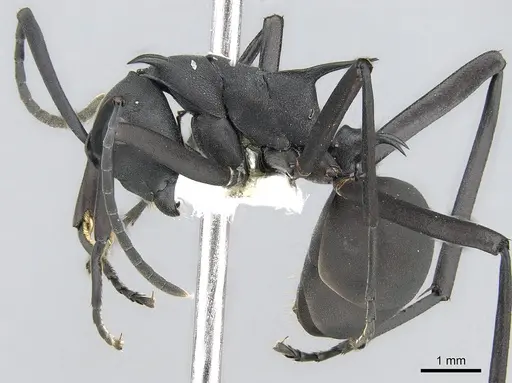
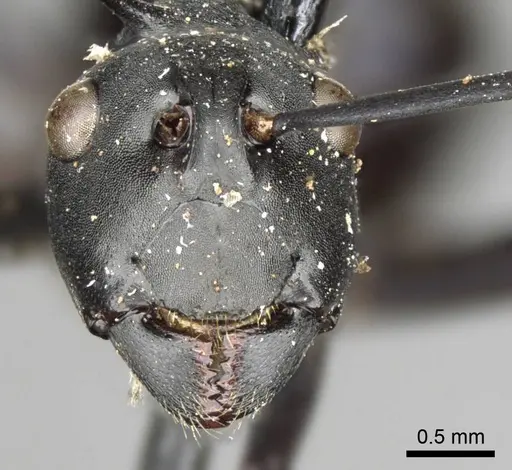
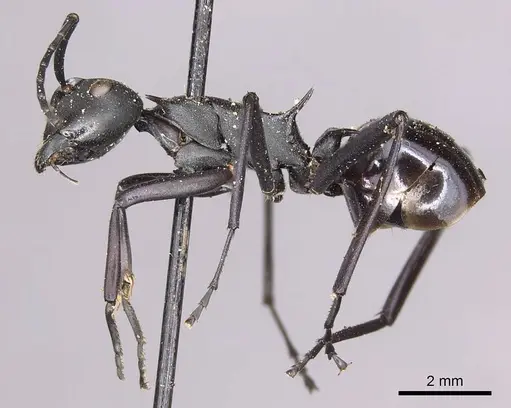
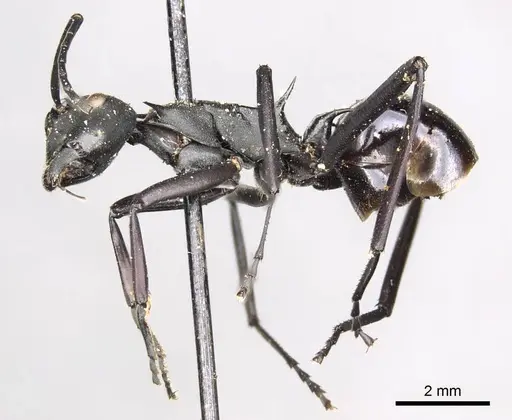
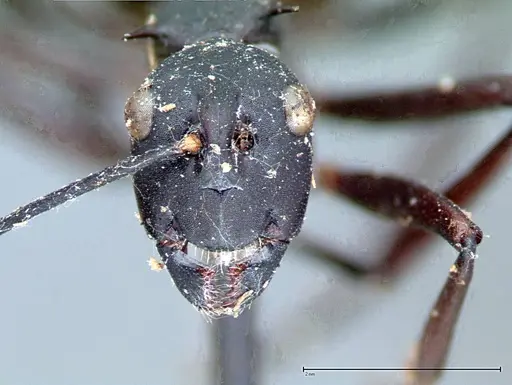
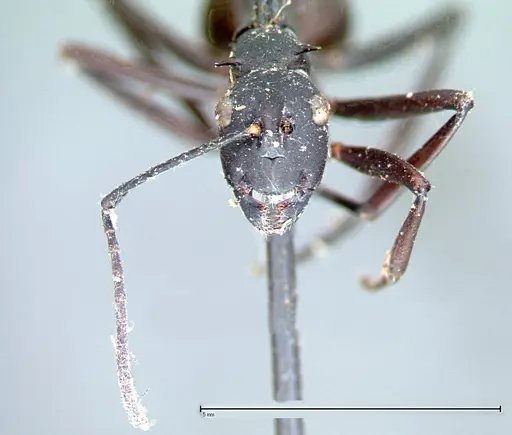
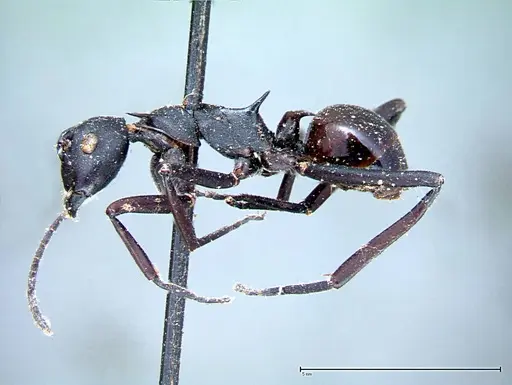
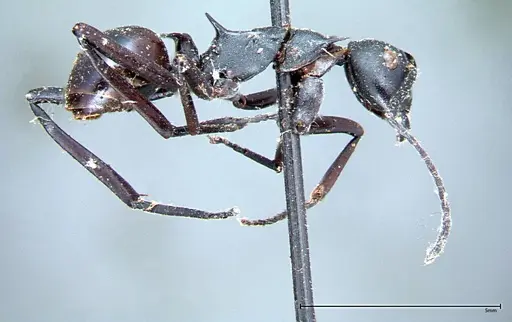
Polyrhachis pressa is a tropical ant species in the Formicinae subfamily, native to the Indomalaya region including Java , Sumatra , Borneo, and Ambon . It is a member of the Polyrhachis hector group and has characteristic hooked spines on the mesosoma. The species is relatively rare and inhabits humid forest environments, including areas with cacao understory and undisturbed forests .
Quick Summary
- Difficulty: Medium
- Origin & Habitat: Native to the Indomalaya region, including Java [1], Sumatra [2], Borneo, and Ambon [3], in tropical forests with cacao understory and undisturbed habitats [4].
- Colony Type: Colony structure is unconfirmed. No specific data on queen number or social structure for this species.
- Size & Growth:
- Queen: Size data unavailable, inferred from Polyrhachis genus (~8-12mm)
- Worker: Size data unavailable, inferred from Polyrhachis genus (~5-10mm)
- Colony: Unknown, no colony size data available
- Growth: Moderate, inferred from typical Polyrhachis growth patterns
- Development: Estimated 6-10 weeks at tropical temperatures, no specific data for this species (Development time is estimated based on related species. Tropical ants typically develop faster due to year-round warm conditions.)
- Antkeeping:
- Temperature: Keep warm and stable, roughly 24-28°C, as inferred from tropical habitat.
- Humidity: Keep nest substrate consistently moist but not waterlogged, as they inhabit humid forests.
- Diapause: No diapause required for this tropical species.
- Nesting: Y-tong or plaster nests that retain moisture are suitable. Provide dark, humid nesting chambers.
- Behavior: Polyrhachis pressa is generally calm and non-aggressive. As Formicinae, they lack a stinger but can spray formic acid for defense. Workers are moderately active foragers. Escape risk is moderate, use standard barriers.
- Common Issues: tropical species requires year-round warmth, cold temperatures can slow brood development, high humidity is essential, dry conditions cause colony decline, limited availability in the antkeeping hobby means established colonies are rare, no specific founding data means new colonies may be challenging to establish, escape prevention needed though they are not particularly aggressive foragers
Housing and Nest Setup
Polyrhachis pressa does well in Y-tong (AAC) nests or plaster formicaria that maintain humidity. These ants come from humid tropical forests, so the nest material should retain moisture without becoming waterlogged. A test tube setup can work for founding colonies, but transfer to a more substantial nest once the colony reaches a reasonable size. Provide an outworld with access to protein foods and sugar sources. Because they prefer dark, humid conditions, keep the nest area shielded from direct light. A water tube connected to the nest helps maintain humidity levels. The outworld should be simple and easy to clean, as these ants appreciate stability.
Temperature and Heating
As a tropical species from Southeast Asia, Polyrhachis pressa requires warm temperatures. Room temperature may suffice in warm climates, but most keepers will need a small heating cable or mat on one side of the nest to maintain conditions around 24-28°C. Avoid temperatures below 22°C for extended periods, as this can slow brood development. Create a slight temperature gradient by placing the heat source on only one side of the nest, allowing ants to self-regulate. Stable, warm conditions year-round are essential, this species does not tolerate cool temperatures and has no diapause requirement.
Feeding and Diet
Like most Polyrhachis species, Polyrhachis pressa is omnivorous with a preference for protein. Offer small insects like fruit flies, small crickets, or mealworms as primary protein sources. They will also accept sugar water, honey, or diluted maple syrup as an energy source. In the wild, they likely forage for honeydew from aphids and scale insects, so providing a sugar source is important for colony health. Feed small prey items that workers can dismember and feed to larvae. Remove uneaten prey after 24-48 hours to prevent mold. A constant sugar source should be available alongside regular protein feedings twice weekly.
Humidity Requirements
High humidity is critical for this species. Their natural habitat in tropical forests with dense understory means they are adapted to consistently moist conditions. Maintain humidity by keeping the nest substrate damp but not waterlogged. A water tube or moist cotton in the test tube setup provides humidity. For larger colonies in formicaria, periodically add water to the nest chambers while allowing some areas to dry slightly so ants can choose their preferred microclimate. Avoid both drying out and waterlogging, the substrate should feel damp but not have standing water. Poor humidity leads to brood death and colony decline.
Behavior and Temperament
Polyrhachis pressa is generally a calm, non-aggressive species. Workers are moderately active and will forage for food in the outworld. As Formicinae ants, they lack a functional stinger but can spray formic acid as a defensive secretion, this is rarely an issue in captive settings. They are not known for being escape artists, but standard barrier methods like Fluon on the rim of the outworld should still be used. The species is relatively rare in the hobby, so established colonies may be difficult to obtain. When disturbed, workers may retreat into the nest rather than engage in aggressive defense.
Frequently Asked Questions
How long does it take for Polyrhachis pressa to raise first workers?
The egg-to-worker timeline is estimated at 6-10 weeks at optimal tropical temperatures (24-28°C). No specific development data exists for this species, so this estimate is based on related Polyrhachis species patterns. Faster development occurs at warmer temperatures within their range.
Can I keep multiple queens together?
Not recommended without more information. Polyrhachis colony structure varies by species, and no specific data exists for Polyrhachis pressa. Most Polyrhachis species are monogyne (single-queen), so it is safest to found colonies with one queen. Combining unrelated queens has not been documented for this species.
What temperature do Polyrhachis pressa need?
Keep them at warm conditions around 24-28°C. This tropical species requires warm conditions year-round and has no diapause requirement. Temperatures below 22°C for extended periods can harm brood development and colony health.
How big do Polyrhachis pressa colonies get?
Colony size is unknown for this species. Based on typical Polyrhachis growth patterns, colonies likely reach several hundred workers over several years. They are considered a relatively rare species, so large colonies are uncommon in captivity.
Are Polyrhachis pressa good for beginners?
This species is rated as medium difficulty. While not overly aggressive, they have specific humidity and temperature requirements that differ from easier temperate species. The main challenges are maintaining tropical conditions year-round and the rarity of established colonies in the hobby.
What do Polyrhachis pressa eat?
They are omnivorous with a protein focus. Offer small insects like fruit flies, small crickets, or mealworms as primary food. Also provide sugar water, honey, or maple syrup as an energy source. Remove uneaten prey after 24-48 hours to prevent mold.
Do they need hibernation?
No. As a tropical species from Southeast Asia, Polyrhachis pressa does not require diapause or hibernation. Keep temperatures stable and warm year-round. This is one of the key differences from keeping temperate ant species.
When should I move them to a formicarium?
Move from a test tube setup to a proper nest (Y-tong, plaster, or naturalistic) once the colony reaches a reasonable size. The nest should already be set up and humid before the transfer. They prefer dark, humid nesting chambers.
Why is my colony declining?
The most common causes are low humidity, temperatures below 22°C, or inadequate protein. Check that the nest substrate remains moist, heating is adequate, and the colony has regular access to small prey items. Also ensure the outworld is clean and mold-free.
Report an Issue
The current care sheet is based fully on literature. See inconsistencies, or something that's incorrect? Please , it will be resolved after review from an admin. Contributing to the blogs tab also helps providing information, to make us be able to further improve the caresheets. Thank you for your support!
References

This caresheet is licensed under CC BY-SA 4.0 .
Community Blogs
CASENT0281399
View on AntWeb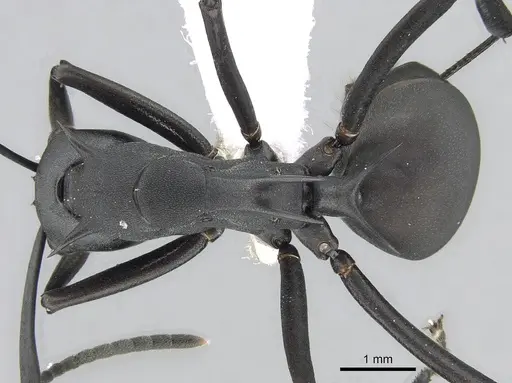
CASENT0903371
View on AntWeb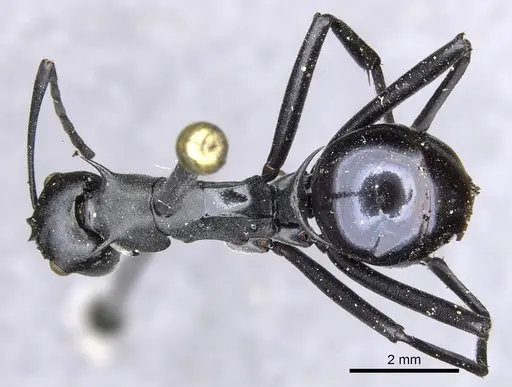
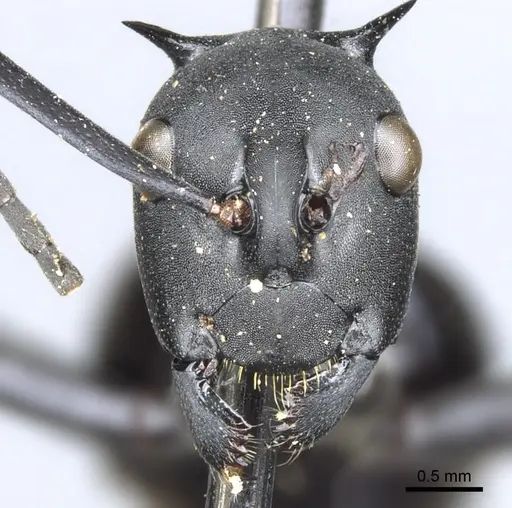
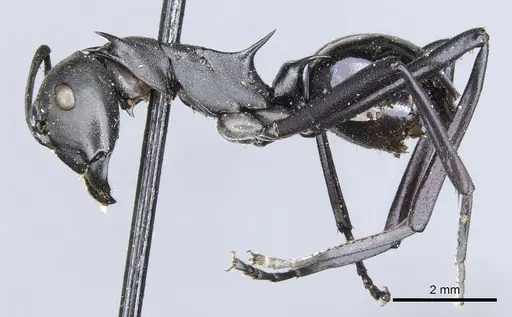
CASENT0915825
View on AntWeb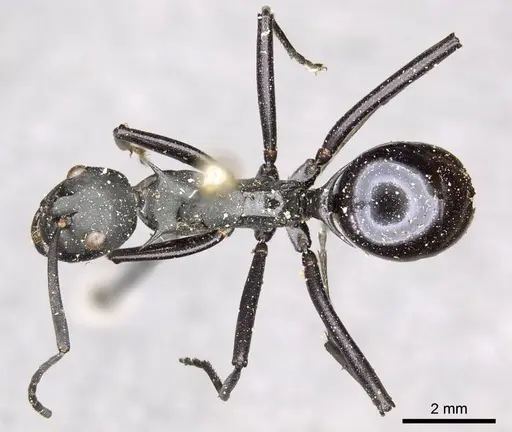
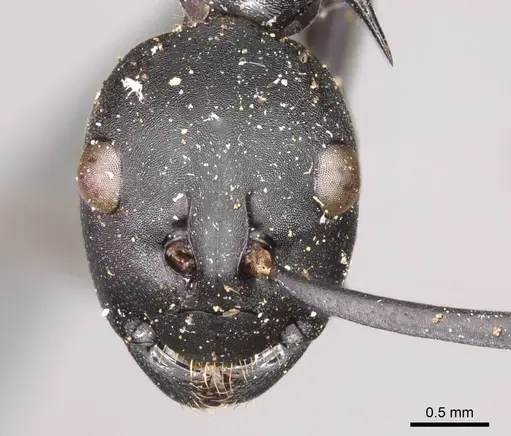
FOCOL0082
View on AntWeb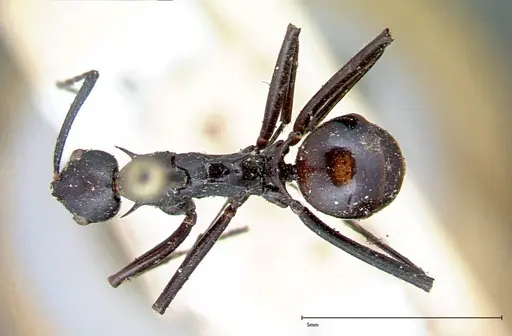
Literature
Loading distribution map...Loading products...