
Polyrhachis phidias
- Sci. Name
- Polyrhachis phidias
- Subgenus
- Myrma
- Tribe
- Camponotini
- Subfamily
- Formicinae
- Author
- Forel, 1910
- Distribution
- Found in 3 countries
Introduction
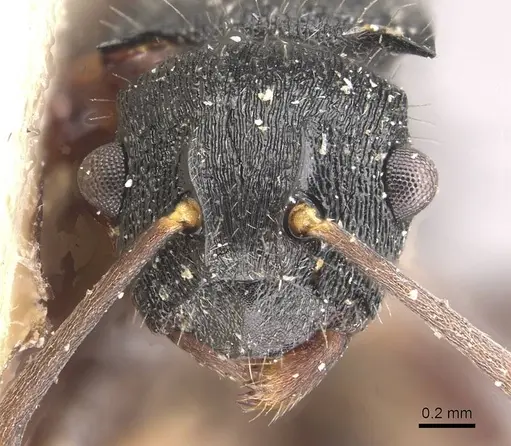
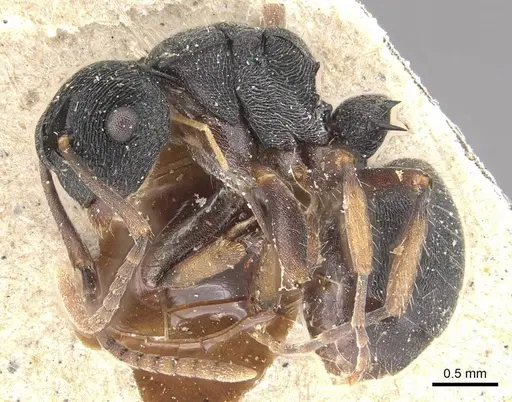
Polyrhachis phidias is a small ant species native to forest zones in West and Central Africa, including Nigeria, Equatorial Guinea, Central African Republic, and Tanzania . Workers have a total length of 4.9-5.1 mm and feature distinctive spines on the petiole, with a pair of long lateral spines and shorter dorsal teeth . The head is trapezoidal, and the body has fine longitudinal striations . This species belongs to the militaris species group within the Myrma subgenus . As a forest-dwelling species, P. phidias is adapted to warm, humid conditions. Its spine morphology is a key identifying feature and may play a role in defense.
Quick Summary
- Difficulty: Medium
- Origin & Habitat: Forest zones of West and Central Africa, including Nigeria, Equatorial Guinea, Central African Republic, and Tanzania [1]. In nature, they likely nest in rotting wood or under bark in humid forest environments [1].
- Colony Type: Colony structure is unconfirmed. Based on typical Polyrhachis genus patterns, likely single-queen (monogyne) colonies, but this has not been directly documented for this species.
- Size & Growth:
- Queen: Queen body size data unavailable.
- Worker: Workers are 4.9-5.1 mm in total length [1].
- Colony: Colony size is unconfirmed, but based on related species in the militaris group, colonies may reach several hundred workers at maturity.
- Growth: Growth rate is unconfirmed.
- Development: Development timeline is unconfirmed. Based on genus patterns, egg to worker may take 8-12 weeks at warm temperatures. (This is an estimate based on genus-level data, as no species-specific development studies exist.)
- Antkeeping:
- Temperature: As a forest species, keep them warm. A temperature gradient around 24-28°C is typical for similar species, but specific needs are unconfirmed. Avoid prolonged cool periods below 20°C.
- Humidity: Forest species require high humidity. Keep the nest substrate consistently moist but not waterlogged. Provide a water source and adjust based on setup conditions.
- Diapause: Diapause requirements are unknown for this species, as no data exists on seasonal behavior.
- Nesting: Based on genus patterns, they prefer enclosed, humid nests such as Y-tong (AAC), plaster, or naturalistic setups with damp substrate.
- Behavior: Based on genus patterns, workers are generally calm and active foragers. They search for honeydew, nectar, and small insects. Escape risk is moderate due to their size, standard prevention measures are recommended.
- Common Issues: high humidity maintenance can be challenging, improper ventilation leads to mold growth that can kill colonies, temperature drops below 20°C can slow or stop brood development entirely, overfeeding can lead to mold in the nest, so remove uneaten food promptly, lack of protein sources will stunt growth, they need regular insect prey
Housing and Nest Setup
You should use enclosed nest setups that retain humidity, such as Y-tong (AAC) nests or plaster nests with water reservoirs. Based on their forest habitat, provide damp substrate and avoid overly large, open spaces [1]. Connect the nest to a foraging area for food access.
Feeding and Nutrition
You can offer a varied diet. Provide constant sugar sources like sugar water or honey, and protein from small insects such as fruit flies or pinhead crickets. Feed protein 2-3 times per week and remove uneaten prey after 24-48 hours to prevent mold.
Temperature and Seasonal Care
Maintain warm conditions, ideally around 24-28°C, using a heating cable or mat to create a gradient. Brood development depends on warmth, cooler temperatures may slow it. Monitor colony activity to adjust temperature as needed.
Humidity Management
Keep humidity high by maintaining moist but not waterlogged substrate. Use a water reservoir connected to the nest and check regularly to rehydrate if dry. Good ventilation helps balance humidity.
Colony Founding
Founding behavior is unconfirmed for this species. You should provide a small, humid chamber for a queen and avoid disturbance during founding.
Behavior and Handling
Workers are active foragers but generally calm. They are diurnal and may use spines defensively. Handle minimally to avoid stress, and use standard escape prevention like Fluon barriers.
Frequently Asked Questions
How long does it take for Polyrhachis phidias to produce first workers?
The exact timeline is unconfirmed. Based on genus patterns, it may take 8-12 weeks from egg to first worker at warm temperatures [2].
What do Polyrhachis phidias ants eat?
They are generalist feeders. Provide sugar sources like honey water and protein from small insects such as fruit flies or pinhead crickets.
Do Polyrhachis phidias ants need hibernation?
Diapause requirements are unknown for this species. As a forest species, they may not require true hibernation, but a brief cool period is optional.
What temperature is best for Polyrhachis phidias?
Keep them warm at around 24-28°C, with a temperature gradient. Specific needs are unconfirmed, but avoid prolonged cool periods below 20°C.
Are Polyrhachis phidias good for beginners?
This species is rated as Medium difficulty. Humidity and temperature control may challenge beginners, so some experience is helpful.
How big do Polyrhachis phidias colonies get?
Colony size is unconfirmed, but based on related species, they may reach several hundred workers at maturity.
Can I keep multiple Polyrhachis phidias queens together?
Colony structure is unconfirmed. Polyrhachis species are typically monogyne, so combining queens is not recommended.
What humidity level do Polyrhachis phidias need?
High humidity is essential. Keep the nest substrate moist but not waterlogged, and use a water reservoir for stability.
What type of nest is best for Polyrhachis phidias?
Enclosed nests that retain humidity work best, such as Y-tong (AAC) nests or plaster nests with water reservoirs.
Report an Issue
The current care sheet is based fully on literature. See inconsistencies, or something that's incorrect? Please , it will be resolved after review from an admin. Contributing to the blogs tab also helps providing information, to make us be able to further improve the caresheets. Thank you for your support!
References

This caresheet is licensed under CC BY-SA 4.0 .
Community Blogs
CASENT0906825
View on AntWeb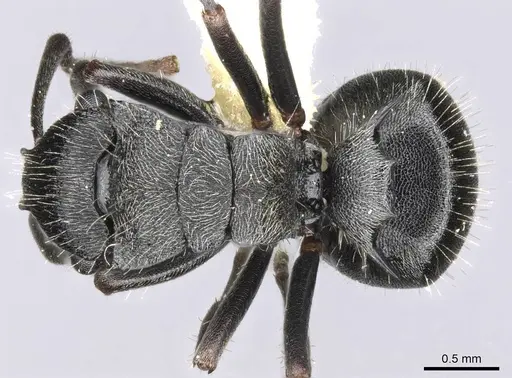
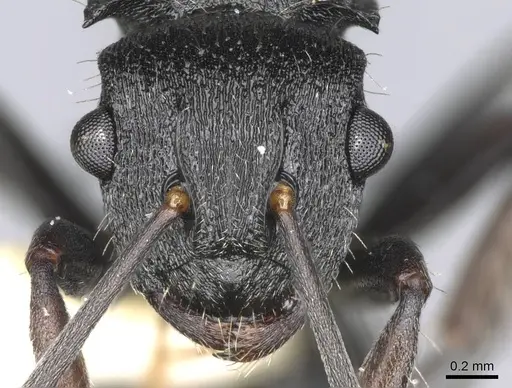
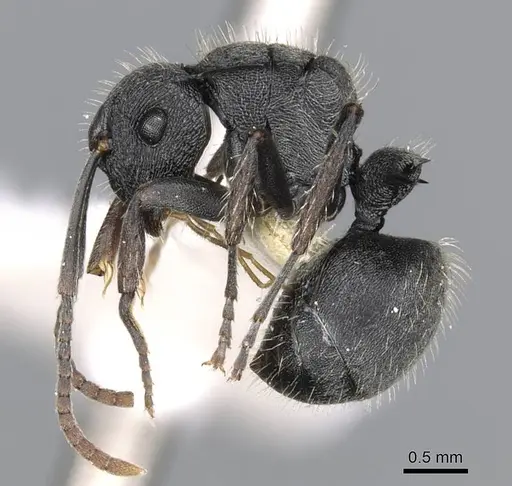
CASENT0910951
View on AntWeb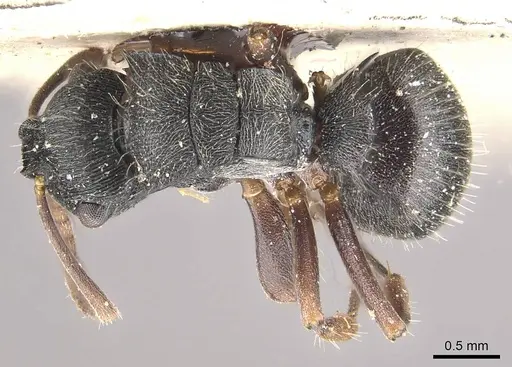
Literature
Loading distribution map...Loading products...