
Polyrhachis pellita
- Sci. Name
- Polyrhachis pellita
- Subgenus
- Myrmhopla
- Tribe
- Camponotini
- Subfamily
- Formicinae
- Author
- Menozzi, 1922
- Distribution
- Found in 1 countries
Introduction
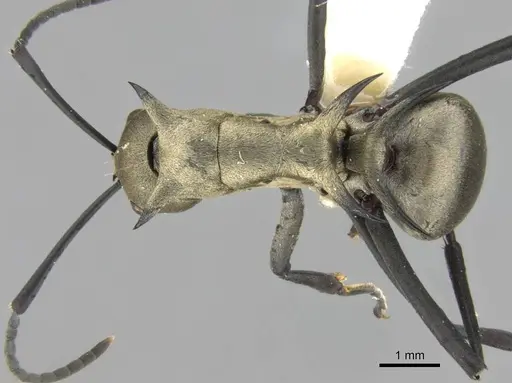
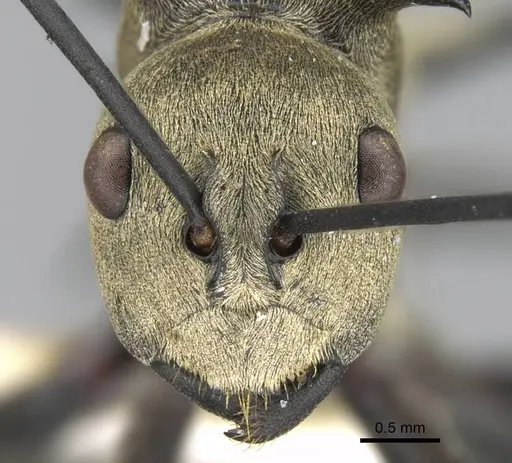
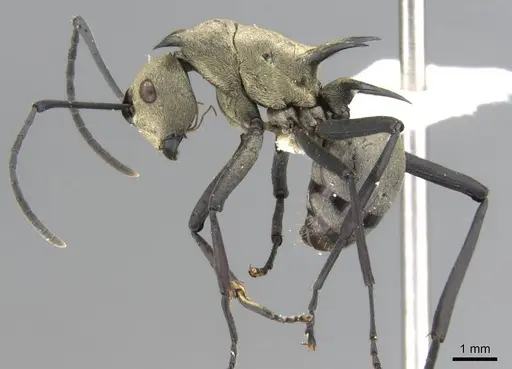
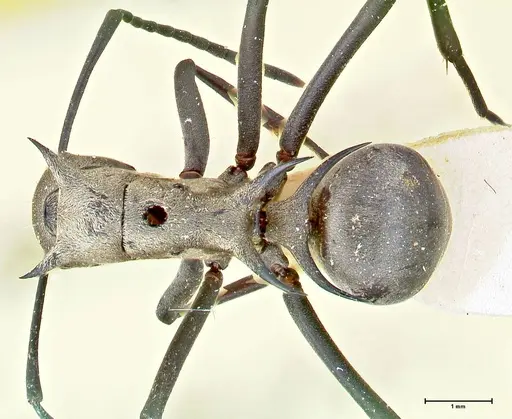
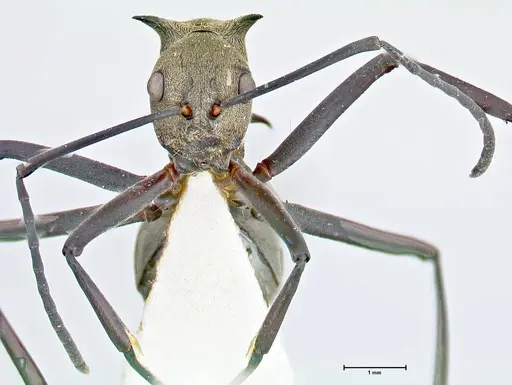
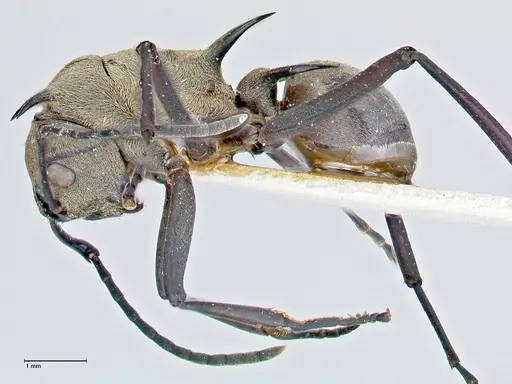
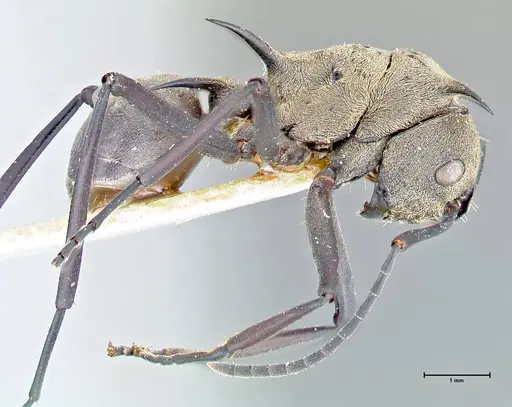
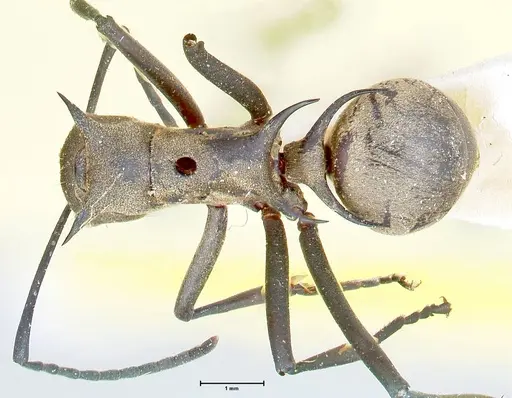
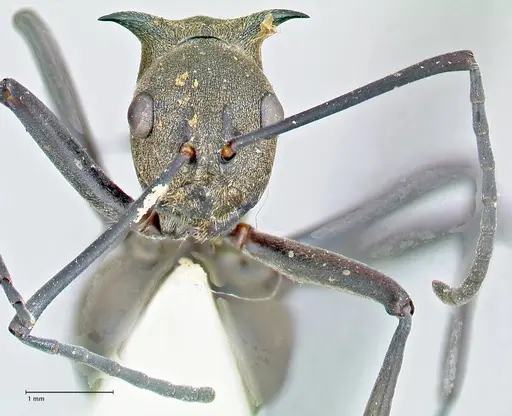
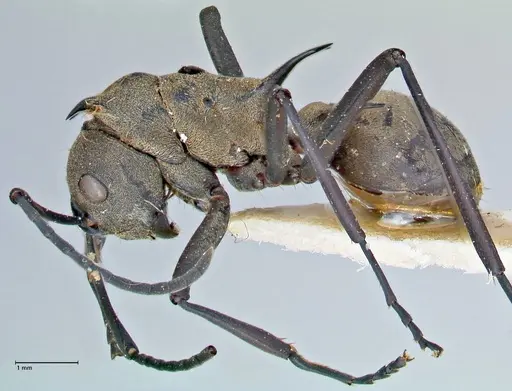
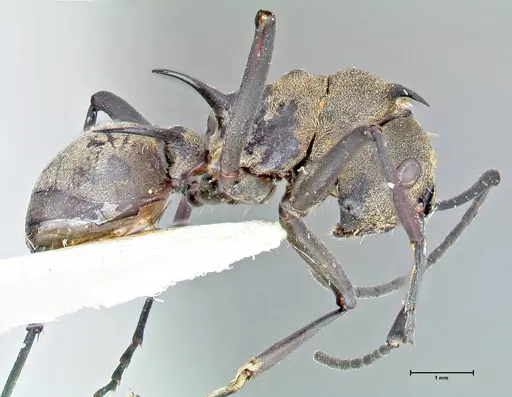
Polyrhachis pellita is an ant species endemic to the Philippines . It belongs to the subgenus Myrmhopla . Queens and workers have typical Polyrhachis morphology, but specific size data is unavailable. This species was originally described as Polyrhachis bubalus before being synonymized .
Quick Summary
- Difficulty: Medium
- Origin & Habitat: Endemic to the Philippines, specifically Mindanao Island [1]. Natural habitat is forested areas, but specific details are unknown [2].
- Colony Type: Colony structure is unconfirmed, but based on Polyrhachis genus patterns, likely monogyne (single queen colonies) [2].
- Size & Growth:
- Queen: Size data unavailable, no total length measurements found in research.
- Worker: Size data unavailable, no total length measurements found in research.
- Colony: Unknown, no specific colony size data available.
- Growth: Moderate, inferred from tropical ant patterns [2].
- Development: Estimated 6-8 weeks at warm temperatures, based on genus patterns [2]. (Development time is inferred from related species, direct observations are not available.)
- Antkeeping:
- Temperature: Keep warm, roughly 24-28°C, based on tropical habitat [2].
- Humidity: Maintain moderate humidity, keep substrate slightly moist but not waterlogged [2].
- Diapause: No, tropical species do not require hibernation.
- Nesting: Prefers arboreal or semi-arboreal setups. Use Y-tong, plaster, or soil nests with vertical space [2].
- Behavior: Generally calm and not aggressive. Active foragers with moderate escape risk. Standard containment measures are sufficient [2].
- Common Issues: cold temperatures can slow brood development, keep colony warm [2]., humidity must be maintained to prevent brood failure, keep substrate moist [2]., limited care information means keepers must adapt from related species [2]., escape prevention is needed but not extreme, standard barriers work for their size [2]., wild-caught colonies may be stressed from collection and transport.
Housing and Nest Setup
Polyrhachis pellita does well in setups that mimic their tropical habitat. Use Y-tong, plaster, or soil nests with vertical space for climbing structures [2]. For founding colonies, a test tube setup works, but ensure moderate water reservoir to avoid flooding. Connect to an outworld with foraging space once established [2].
Feeding and Diet
These ants are omnivorous. Feed protein sources like small insects 2-3 times per week and provide constant sugar sources like honey water [2]. Remove uneaten prey after 24-48 hours to prevent mold.
Temperature and Humidity
As a tropical species, keep nest area warm, roughly 24-28°C [2]. Maintain moderate humidity by keeping substrate slightly moist but not waterlogged [2].
Colony Development
A newly mated queen may seal herself in a chamber and lay eggs. First workers emerge in approximately 6-8 weeks at warm temperatures [2]. Growth is moderate, but colony size is unknown.
Behavior and Temperament
Workers are active foragers, generally calm and not aggressive. They have moderate escape risk, so standard barriers like fluon are sufficient [2].
Frequently Asked Questions
How long does it take for Polyrhachis pellita to produce first workers?
At optimal warm temperatures, expect first workers in approximately 6-8 weeks after queen lays eggs, based on genus patterns [2].
Do Polyrhachis pellita ants need hibernation?
No, as a tropical species from the Philippines, they do not require hibernation or winter dormancy.
What do Polyrhachis pellita eat?
They are omnivorous. Feed small insects for protein and provide sugar sources like honey water [2].
Are Polyrhachis pellita good for beginners?
They are rated medium difficulty due to specific tropical needs. Beginners should research requirements thoroughly.
How big do Polyrhachis pellita colonies get?
Colony size is unknown, as no specific data is available.
Can I keep multiple Polyrhachis pellita queens together?
This is not recommended, as Polyrhachis species are typically monogyne, and combining queens may result in fighting.
What type of nest is best for Polyrhachis pellita?
Arboreal or semi-arboreal nests like Y-tong, plaster, or soil with vertical space work well [2].
When should I move my Polyrhachis pellita colony to a formicarium?
Move when the test tube becomes crowded or water needs frequent refilling, typically around 30-50 workers, but this is estimated.
Where is Polyrhachis pellita naturally found?
This species is endemic to the Philippines, specifically Mindanao Island [1].
Report an Issue
The current care sheet is based fully on literature. See inconsistencies, or something that's incorrect? Please , it will be resolved after review from an admin. Contributing to the blogs tab also helps providing information, to make us be able to further improve the caresheets. Thank you for your support!
References

This caresheet is licensed under CC BY-SA 4.0 .
Community Blogs
Literature
Loading distribution map...Loading products...